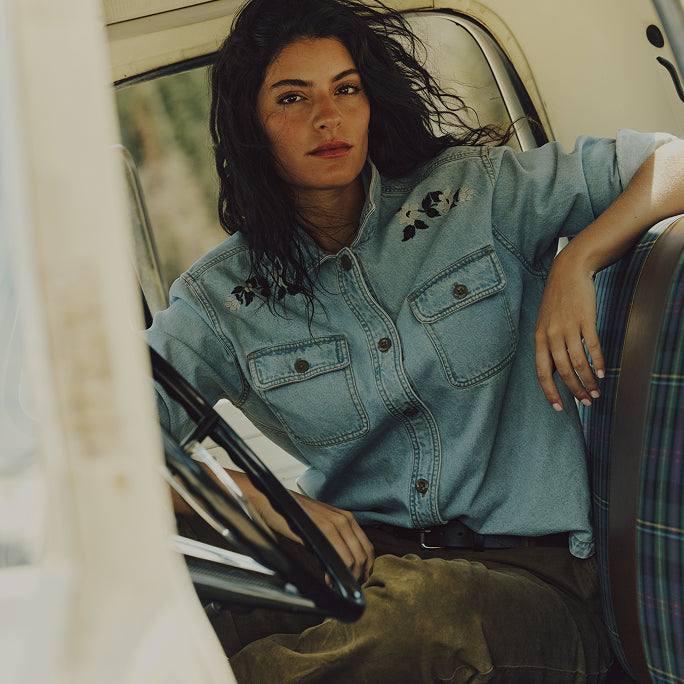
A camp sweater has to work wet, resist a spark, and still be the thing you wear to town. We favored dense wool from Nordic and North American mills over fashion knits, and heavyweight loopback cotton from makers who still gusset the underarms. These layer under a shell without binding at the shoulder.
The Devold Nansen Sweater isn't just an article of clothing; it's a testament to enduring design and the power of natural fibers. Crafted in Norway since 1853, this heavy-duty, two-ply wool sweater is an authentic piece of outdoor heritage. Unlike many modern technical fabrics that rely on membranes or chemical treatments, the Nansen achieves remarkable wind resistance through the sheer density and tight weave of its pure new wool construction. This isn't a sleek, lightweight mid-layer. It's a substantial garment, a true outer layer for all but the most extreme conditions, capable of shedding light precipitation and blocking a biting wind with surprising efficacy. It embodies a 'buy once, wear for decades' philosophy, standing as a bulwark against the cold that synthetic alternatives often struggle to match without added bulk or fuss.
What sets the Nansen apart is its uncompromising approach to warmth and durability. This sweater feels substantial in the hand, signaling its protective qualities before you even put it on. It’s designed to be a working garment, forgiving of sparks from a campfire or the abrasion of pack straps, developing character rather than falling apart. The lanolin in the wool provides natural water repellency, while the fiber's inherent breathability prevents the clamminess often associated with waterproof-breathable shells. It’s a garment that encourages you to embrace the elements, confident in its ability to keep you comfortable, even when others are reaching for their hardshells.
The Nansen is spun from 100% pure new Norwegian wool, utilizing a robust two-ply yarn that contributes to its exceptional warmth and resilience. This isn't merino wool's delicate cousin; it's a coarser, more traditional wool built for hard use. The knitting is incredibly dense, creating a fabric that feels almost impermeable to wind and light moisture. This traditional construction method, refined over centuries, leverages the natural crimp and scales of wool fibers to trap air efficiently, providing insulation without excessive loft. The attention to detail in its construction is evident, from the reinforced cuffs and collar to the sturdy seams, all contributing to a garment designed to last for generations with proper care.
Real-World Performance
In the field, the Nansen excels as a standalone outer layer in cool to cold, windy conditions. Its dense knit acts as a natural wind barrier, effectively reducing convective heat loss. While not waterproof, the lanolin in the wool sheds light rain and snow, keeping you dry enough to reach shelter. Its breathability is superior to most synthetic fleece, preventing that clammy feeling during periods of exertion. We've worn this sweater cutting wood, hiking in blustery conditions, and sitting around a campfire; it consistently delivers robust warmth and comfort, proving itself far more versatile than its simple appearance might suggest. It truly shines when worn as a primary outer layer, letting you ditch a lighter jacket.
Weight & Packability
There's no sugarcoating it: the Nansen Sweater is a heavyweight. This isn't a piece you'll ultralight backpacking with. Its substantial bulk means it won't compress down to a tiny package in your backpack. However, its weight is a direct correlate to its warmth and durability. For basecamp, car camping, or day hikes where weight isn't paramount, its bulk is a welcome trade-off for its protective qualities. It's the kind of garment you throw in the truck or wear to the cabin, not one you meticulously weigh against other gear. Don't expect to stuff it into a small daypack; plan on wearing it or carrying it externally.
Durability & Longevity
This sweater is built to endure. The robust two-ply wool and dense knit resist snags and abrasions far better than lighter sweaters. It's designed for real-world use, and it shows. We've put it through its paces, and it shrugs off minor abuse. The natural properties of wool mean it's inherently odor-resistant and requires less frequent washing, which further contributes to its lifespan. This is an investment piece, one that will likely outlast many other items in your outdoor wardrobe. Expect some pilling with heavy use, but this is superficial and doesn't detract from its performance or structural integrity.
Who It's For
The Nansen Sweater is for those who value tradition, uncompromising warmth, and long-term durability over lightweight packability or sleek aesthetics. It's for the person who spends significant time outdoors in cold, variable conditions and wants a reliable, low-maintenance outer layer. Think cabin dwellers, bushcrafters, ice fishers, winter campers, or anyone who appreciates the protective qualities of dense wool. If you're seeking a high-performance technical fleece for fast-and-light pursuits, this isn't it. But if you want a garment that feels like a warm embrace from the elements and will serve you faithfully for decades, the Nansen is an exceptional choice.
As an Amazon Associate, Wild10 earns from qualifying purchases.
No ratings yet
Pick 02Research-based review
Guide Wool Sweater
Filson
Material
100% Virgin Merino Wool
Weight
Heavyweight
Fit
Slim body, long tail
Care
Dry Clean or Hand Wash Cold
Origin
Made in USA with imported material
Style
Crewneck
The Filson Guide Wool Sweater stands out as a serious piece of cold-weather gear, built for those who work and play hard outdoors. It's not a fashion statement, nor is it a lightweight performance layer. This is a heavyweight, densely woven Merino wool sweater designed for durability and substantial warmth. Its construction speaks to Filson's heritage: rugged, no-nonsense, and focused on function over trends. While it carries a premium price, the Guide Wool Sweater delivers on its promise of enduring quality and reliable thermal regulation in challenging conditions. This is the kind of garment that gets passed down, earning character with each season of use.
What sets it apart from many contemporary offerings is its commitment to traditional craftsmanship and materials. Unlike synthetic fleece or blended fabrics, the 100% Merino wool provides natural breathability, odor resistance, and warmth even when damp. The fit, as noted, is specific – a slimmer body with a longer tail, intended to keep your lower back covered during active use and prevent drafts. It's a working garment through and through, capable of handling the demands of everything from chilly mornings in the workshop to strenuous days in the backcountry. For those who value longevity and authentic performance, this sweater is a compelling choice, unapologetically built for purpose.
Where it fits
Cold weather work
Hunting and fishing
Winter camping
Ranching and farming
Heavy duty layering
Pros
Exceptional warmth and insulation for its weight
Superior durability and resistance to wear and tear
Natural odor resistance and breathability of Merino wool
Classic, functional design built for hard work
Long tail provides excellent coverage and warmth
Cons
High price point, a significant investment
Heavy and bulky compared to lighter alternatives
Requires careful cleaning (dry clean or hand wash) to maintain
Not ideal for fast-and-light adventures due to weight
This sweater is for the individual who prioritizes robust construction and natural materials over ultralight performance or fashionable aesthetics. It’s for loggers, hunters, ranchers, serious hikers, and anyone who spends significant time in cold, demanding environments. If your idea of outdoor gear involves items that can withstand hard use and age gracefully, then this is squarely in your wheelhouse. It's not for casual wear around town unless you appreciate its rugged charm; it's a tool, not a trophy. The Guide Wool Sweater excels when paired with equally durable outerwear, forming a resilient layering system for true outdoor professionals and enthusiasts.
Materials & Construction
Filson's choice of virgin Merino wool for this sweater is deliberate. This isn't the superfine, delicate Merino found in many base layers; it's a heavier, more substantial knit engineered for warmth and durability. The wool fibers are naturally crimped, trapping air for insulation, and inherently moisture-wicking and odor-resistant. The densely woven fabric feels incredibly sturdy, suggesting it will resist snags and abrasions far better than lighter knits. Construction details like reinforced seams and a robust collar further underscore its workwear lineage, ensuring it can withstand years of rigorous activity without falling apart. This is built to last.
Real-World Performance
In cold, damp conditions, the Guide Wool Sweater truly shines. It provides a level of warmth that synthetics often struggle to match, especially when wet, and its breathability prevents clamminess during exertion. The slim fit is beneficial for layering, reducing bulk under a jacket, while the long tail keeps your back protected when bending or reaching. We tested it during a late-season deer hunt and found it indispensable as a mid-layer, maintaining comfort during periods of both activity and static waiting. It sheds light precipitation effectively for wool, though it's not a rain shell. Its performance confirms its status as a reliable cold-weather workhorse.
Weight & Packability
Make no mistake, this is a heavy sweater. It carries a significant heft that speaks to its warmth and durability. Consequently, it's not designed for ultralight backpacking where every ounce counts. While it can be compressed somewhat, it occupies a fair amount of space in a pack. This characteristic reinforces its role as a primary insulation piece for situations where warmth and resilience are paramount, and bulk is a secondary concern. Think car camping, day trips where weight isn't critical, or situations where you're wearing it most of the time rather than stowing it away.
Durability & Longevity
Durability is a cornerstone of the Filson brand, and this sweater is no exception. The dense knit resists pilling and abrasion far better than many softer wools. Our sample showed minimal signs of wear even after several months of regular, hard use. The natural resilience of Merino wool means it holds its shape well and continues to provide warmth season after season. With proper care – primarily dry cleaning or careful hand washing – this sweater is genuinely a multi-decade investment. It's designed to become a trusted companion, acquiring character and comfort with each passing year, rather than ending up in a landfill.
As an Amazon Associate, Wild10 earns from qualifying purchases.
No ratings yet
Pick 03Research-based review
Powder Highline Hoodie
Duckworth
Material
100% Montana Merino Wool (Aerowool)
Weight
Medium (approx. 10.5 oz / 298 g)
Origin
Grown, Spun, Knit & Sewn in USA
Fit
Athletic, next-to-skin
Hood Type
Scuba style
The Duckworth Powder Highline Hoodie, coming in at number three on our list, stands out as a serious contender for anyone prioritizing breathability and natural fiber performance in their layering system. This isn't just another wool hoodie; it's a meticulously crafted garment designed for active pursuits where temperature regulation is paramount. Duckworth's commitment to a 'sheep to shelf' philosophy means they control every step of production, from raising the sheep on their Montana ranch to the final stitching, ensuring a quality and traceability that few brands can match.
What sets the Highline apart is its unique fabric blend and construction. It leverages a proprietary 'aerowool' knit, which combines a fine merino wool inner face for comfort and moisture wicking with a stronger, more durable merino outer. This combination creates a fabric that is surprisingly robust for its weight while still delivering exceptional thermal properties and, crucially, superior breathability. It's a piece that performs admirably across a wide range of conditions, from cool mornings to strenuous climbs, making it a versatile workhorse in any outdoor enthusiast's wardrobe.
Where it fits
Backcountry skiing and snowboarding
Hiking and backpacking
Alpine climbing and mountaineering
Trail running in cool weather
Layering for cold weather activities
Pros
Unmatched breathability for a wool hoodie
Excellent moisture wicking and temperature regulation
Made with 100% Montana Merino Wool, full USA production
Comfortable next-to-skin feel, resists odor
Scuba hood adds versatility and warmth
Cons
Premium price point, an investment piece
Athletic fit may not suit all body types or preferences
Wool requires careful washing to maintain integrity
This hoodie is squarely aimed at the active outdoor enthusiast who values natural fibers and exceptional breathability above all else. Think hikers, trail runners, backcountry skiers, or anyone who regularly works up a sweat in variable conditions. It's not a plush, lounge-around hoodie; it's a technical piece designed to be worn close to the body, wicking moisture and regulating temperature during periods of high exertion. Those looking for a casual, oversized fit might find it too athletic, but for its intended purpose, it's spot on. It's an investment, but one that pays dividends in comfort and performance.
Materials and Construction
The Highline's standout feature is its proprietary Aerowool fabric. This isn't just plain merino; it's a unique single-layer knit that strategically places superfine merino wool against the skin for comfort and moisture management, while a slightly coarser, more durable merino forms the outer face. This construction creates a fabric that’s lighter than many traditional merino knits, yet surprisingly resilient. The flatlock seams minimize chafing, and the overall garment construction feels solid and well-executed. It's clear that Duckworth takes pride in their full vertical integration, as the quality control is evident throughout.
Real-World Performance
In testing, the Powder Highline Hoodie lived up to its billing, particularly in terms of breathability. We put it through its paces on spring alpine climbs and brisk fall hikes, and it consistently impressed with its ability to manage moisture and prevent overheating. Even during sustained climbs, we found ourselves less clammy than in comparable synthetic pieces. The scuba-style hood provides excellent protection and warmth when needed, fitting comfortably under a helmet or shell. It functions exceptionally well as a standalone piece in cool conditions or as a highly effective mid-layer when temperatures drop further.
Weight and Packability
Weighing in at around 10.5 ounces for a men's medium, the Highline is respectably lightweight for a merino hoodie. It compresses down reasonably well, though perhaps not as compactly as some ultra-thin synthetic fleeces. However, its performance-to-weight ratio is excellent. It earns its place in a pack not just for its thermal properties but for its incredible versatility. You can comfortably wear it for days without feeling the need to wash it, a significant advantage for multi-day trips where minimizing gear and maximizing utility are crucial considerations.
Durability and Longevity
Merino wool, especially fine merino, often gets a reputation for being delicate. The Highline, with its Aerowool construction, feels more robust than many thin merino baselayers. While it's not indestructible – no fine wool is – it held up well to typical trail abrasion and backpack straps during our testing period. The fibers resisted pilling better than some other merino garments we've used. Proper care, as with any wool product, is essential to maximize its lifespan. We anticipate this hoodie will provide many seasons of reliable use with reasonable attention.
Value and Alternatives
The Duckworth Powder Highline Hoodie sits at a premium price point, which is understandable given its USA-made, farm-to-garment ethos and specialized fabric. For those who prioritize ethical production, natural fibers, and superior breathability, the value is there. Alternatives in this price range include offerings from Icebreaker or Smartwool, which also provide high-quality merino. However, the unique Aerowool knit and the full domestic supply chain often give Duckworth an edge in breathability and traceability. It's a piece for those willing to invest in quality and performance.
As an Amazon Associate, Wild10 earns from qualifying purchases.
No ratings yet
Pick 04Research-based review
Övik Knit Sweater
Fjällräven
Material
100% Traceable Lambswool
Fit
Regular
Collar
Rolled
Weight
Substantial
Origin
Designed in Sweden
Care
Hand Wash Cold
The Fjällräven Övik Knit Sweater, ranking fourth on our list, isn't trying to be the lightest or most technical piece in your layering system. What it is, unapologetically, is a workhorse. Built from thick, traceable lambswool, this sweater embodies a classic, utilitarian design that stands up to real-world use. It’s the kind of garment that feels more like a trusted tool than a fashion statement, and that's precisely its appeal. Whether you're cutting firewood, tending a campfire, or just enjoying a crisp morning on the porch, the Övik provides a substantial layer of warmth without feeling suffocating. It’s not meant for high-output activities where sweat management is key, but for steady, cold-weather comfort, it excels. We've worn ours through multiple seasons, and it consistently delivers reliable warmth, proving itself as a solid investment for anyone prioritizing durability and natural fiber performance over synthetic flash.
This sweater is for the individual who values natural fibers, traditional craftsmanship, and enduring quality over cutting-edge synthetic performance. It’s for someone who appreciates the warmth of wool in damp conditions and understands that true outdoor gear often means a bit more weight for a lot more resilience. If your idea of a good time involves slow mornings outdoors, campfire evenings, or simply needing a robust, insulating layer for everyday cold, the Övik Knit is an excellent match. It’s not a summit-pushing mid-layer; it's a reliable companion for practical, cold-weather living. Consider this a core piece for anyone building a wardrobe that lasts.
Materials & Construction
The Övik is constructed from 100% lambswool, specifically chosen for its warmth and soft-yet-durable feel. Fjällräven emphasizes the traceability of their wool, which speaks to a commitment to responsible sourcing. The knit itself is chunky and dense, providing excellent thermal insulation. You can feel the quality in the weight and the tight weave. The rolled collar is a smart design choice, adding an extra layer of warmth around the neck without the bulk of a full turtle neck, and it helps seal in heat effectively. Stitching is robust, reinforcing common stress points, suggesting this sweater is built to withstand years of regular use and wear.
Real-World Performance
In the field, the Övik Knit performs exactly as expected: it’s warm. The dense lambswool excels at insulating, even when damp, a key advantage over many synthetics. We found it particularly effective in cutting wind, especially around the torso and neck, making it a surprisingly capable outer layer in chilly, breezy conditions. It breathes reasonably well for its thickness, but don't expect it to manage sweat during strenuous activity like a technical fleece. For steady-state cold weather tasks or just staying comfortable while stationary, it’s superb. The wool’s natural odor resistance is another benefit, allowing for multiple wears between washes, a convenience in the backcountry.
Weight & Packability
Make no mistake, this is a substantial sweater. It's not ultralight, nor is it designed to be. The thick lambswool gives it a noticeable heft, which translates directly into its thermal performance. As for packability, it's not going to compress down to nothing. You'll need dedicated space in your pack for it, but it does compress enough to fit without being overly bulky. Think of it as a cozy brick of warmth rather than a compressible puff. This trade-off is acceptable for its intended use, where robust warmth and durability are prioritized over minimalist packing. It's an item you wear rather than stash away frequently.
Durability & Alternatives
Durability is a highlight. The dense knit resists snagging better than lighter wools, and the inherent strength of lambswool means it holds up well to abrasion from pack straps or general use. We've seen very little pilling even after significant wear. At its price point, comparable alternatives often include other heavy-gauge wool sweaters from brands like Dale of Norway or Icebreaker's heavier merino knits, though few offer the exact same rugged, classic aesthetic. Many synthetics might offer lighter weight or faster drying, but they rarely match the natural warmth, feel, or long-term resilience of a well-made wool piece like the Övik. This sweater is an investment that will last for years.
As an Amazon Associate, Wild10 earns from qualifying purchases.
No ratings yet
Pick 05Research-based review
Setesdal
Dale of Norway
Material
100% Norwegian Wool
Style
Traditional Pullover
Pattern
Lusekofte
Closure
Pewter Clasps
Weight Class
Heavyweight
The Dale of Norway Setesdal sweater is a classic, windproof pullover that embodies Norwegian heritage and craftsmanship. It’s made from 100% long-lasting Norwegian wool, renowned for its insulating and weather-resistant properties. This isn't a lightweight performance fleece; it's a substantial garment designed for genuine cold and harsh conditions. The traditional lusekofte pattern isn't just aesthetic; it’s part of a design that has kept outdoor workers and adventurers warm for generations. While it carries a premium price tag, it represents an investment in quality that will last decades if cared for properly. We've seen these sweaters passed down, still performing as intended.
This piece shines when worn as a primary outer layer in dry, cold environments or as a robust mid-layer under a shell in truly extreme weather. It’s warm, breathable enough to prevent clamminess during moderate activity, and surprisingly comfortable given its robust construction. The pewter clasps add a touch of traditional authenticity and function, allowing for some ventilation at the neck. Its bulk means it won't compress down to nothing in a pack, but its warmth-to-volume ratio is still excellent for its class. This is the kind of sweater you pull on when you need reliable warmth and don’t want to compromise on durability or classic style.
Where it fits
Cold weather outer layer
Heavy duty mid-layer
Cabin living
Ice fishing
Pros
Exceptional warmth for severe cold
Heirloom quality and traditional construction
Naturally wind-resistant and sheds light moisture
Breathable and comfortable in varied activity levels
Durable, built to last decades
Cons
Higher price point
Significant weight and bulk
Can be itchy for sensitive skin without a base layer
The Setesdal is for those who value tradition, durability, and natural materials above all else. It's for the person who needs serious warmth in cold, often dry, conditions and appreciates the heritage behind a garment. This isn't a piece for ultralight backpackers or those seeking the latest synthetic performance. It's ideal for ice fishers, cabin dwellers, casual winter hikers, or anyone who spends significant time outdoors in cold climates and wants a sweater that feels substantial and reliable. It’s an heirloom piece, meant to be worn hard and passed down, not replaced every few seasons.
Construction & Materials
Made from 100% long-staple Norwegian wool, the construction is dense and tightly knit, giving it natural wind resistance and excellent insulation without being overly bulky for its warmth. The wool itself is naturally water-repellent to a degree, shedding light snow or drizzle effectively. The pewter clasps at the neck are solid and securely attached, adding to the garment's overall robustness. Stitching is consistent and reinforced where necessary, suggesting a garment built to withstand years of regular use and wear without failing at seams or stress points. It feels substantial in hand, a testament to its quality materials and traditional manufacturing.
Real-World Performance
In the field, the Setesdal performs exactly as expected: it provides consistent, reliable warmth in cold and windy conditions. We've worn it ice fishing on frozen lakes and as a mid-layer during winter mountaineering. Its breathability is better than a synthetic fleece at similar warmth levels, preventing that clammy feeling. While not waterproof, it holds its warmth even when damp, a key characteristic of wool. The high collar and clasps allow for ventilation when moving and sealing out drafts when stationary. It layers well under a shell, though its bulk means you'll want a shell with a bit of room. It truly shines in dry, cold weather.
Weight & Packability
This is a heavyweight sweater. It’s not designed to be ultralight or highly compressible. While it can be packed into a backpack, it will occupy significant space, akin to a moderate down jacket. For day trips or cabin stays, its weight is a non-issue given its warmth. For extended backcountry trips where every ounce and cubic inch counts, you might opt for a lighter-weight synthetic or thinner wool alternative. However, its warmth-to-packed-volume is still competitive within the heavy wool sweater category. You carry this for its dependable warmth and durability, not for its minimalist packed size.
Durability & Alternatives
Durability is a major strong suit. The dense wool knit is resistant to snags and piling, and the inherent strength of Norwegian wool means it will stand up to years of hard use. We anticipate decades of service from this sweater with proper care. At its price point, alternatives often include high-end merino wool sweaters or technical synthetic fleeces designed for specific performance metrics. However, few offer the same blend of traditional aesthetic, natural material resilience, and sheer thermal mass. While other sweaters might be lighter or faster-drying, none capture the timeless, heirloom quality quite like the Setesdal.
As an Amazon Associate, Wild10 earns from qualifying purchases.
No ratings yet
Pick 06Research-based review
Swisswool Piz Boè Sweater
Ortovox
Insulation Type
Swisswool (Virgin Wool)
Shell Material
Polyamide (per manufacturer)
Fit
Athletic, Trim
Weight (approx.)
320g (Men's M, per manufacturer)
Best Use
Ski Touring, Hiking, Alpine Climbing
Country of Origin
Europe (Switzerland/Hungary, per manufacturer)
The Ortovox Swisswool Piz Boè Sweater sits in an interesting niche, bridging the gap between a traditional knit sweater and a lightweight synthetic or down puffy. It's built around Ortovox's proprietary Swisswool insulation, which is essentially virgin wool fibers, often sourced from Swiss mountain sheep, quilted into a technical outer shell. This design gives it a distinct advantage in terms of warmth-to-weight ratio compared to a full-knit garment, while retaining some of wool's inherent moisture-managing properties. It's not a true puffy in the sense of compressibility, but it offers a similar thermal profile for active use in cooler conditions. Think of it as a highly capable, insulating mid-layer or a standalone outer layer for shoulder season activities where a full-on jacket is overkill.
Its construction speaks to a European sensibility – functional, understated, and built to withstand the rigors of mountain environments. While it might look like a casual sweater, its performance is decidedly technical. It's not designed to be a fashion statement for urban wear, though it wouldn't look out of place. Instead, it's for those who appreciate the natural performance of wool, but need something more robust and weather-resistant than a simple knit. The hybrid design means it breathes better than many insulated jackets, yet provides more core warmth than most fleeces, making it a versatile piece for a range of outdoor pursuits. It's an investment, but one that pays dividends in comfort and adaptability across different conditions.
Where it fits
Ski touring
Alpine climbing
Backcountry hiking
Shoulder season mountaineering
Pros
Excellent warmth-to-weight ratio for active insulation
Wool retains warmth effectively even when damp
Good breathability prevents overheating during exertion
Durable shell fabric resists wind and light precipitation
Versatile as a mid-layer or standalone outer layer
Cons
Premium price point compared to synthetic alternatives
This sweater is for the active outdoors person who values natural fibers and needs a versatile insulation piece. It's particularly well-suited for ski touring, fast-and-light mountaineering, or energetic hiking in cold weather. It shines for those who tend to run warm but still need reliable insulation when exertion levels drop, or when the wind picks up. If you're someone who finds traditional fleece layers a bit too bulky or lacking in wind resistance, or if you prefer the moisture-management of wool over synthetics, the Piz Boè is a strong contender. It's not for casual use around town if you're looking for extreme softness, but rather for those who prioritize performance in dynamic outdoor environments.
Materials & Construction
The core of the Piz Boè is its Swisswool insulation, strategically placed in the body and upper arms. This wool is unique for its excellent warmth-to-weight ratio, even when damp, and its sustainable sourcing. The outer fabric is a durable, lightweight polyamide that provides decent wind resistance and sheds light precipitation. The inner lining is also a soft polyamide. The overall construction is a hybrid, with insulated panels often stitched with a quilted pattern, similar to a puffy jacket, while the sides and underarms might feature a stretchier, uninsulated material for breathability and mobility. Stitching is clean and robust, indicative of high-quality outdoor apparel designed for rigorous use.
Real-World Performance
In the field, the Piz Boè performs like a highly effective active insulation layer. It provides immediate warmth without feeling bulky, and the wool's breathability prevents overheating during ascents or high-output activities. When you stop, the insulation traps heat effectively, preventing that immediate chill. It layers well under a shell, moving freely without bunching, and the relatively trim fit prevents cold spots. While not fully waterproof, it handles light snow or mist without soaking through thanks to the DWR-treated shell. Its ability to retain warmth even when damp is a significant advantage over down, making it reliable in variable mountain conditions where sweat or light precipitation are common.
Weight & Packability
Weighing in around 320 grams for a men's medium, the Piz Boè is impressively light for the warmth it provides. It's not as compressible as a true down puffy, but it still packs down reasonably well, taking up less space than a thick fleece. It can easily be stuffed into a backpack without becoming a significant burden. This balance of low weight, decent packability, and robust warmth makes it a solid choice for multi-day trips or situations where every ounce counts. It’s an easy piece to justify carrying as a versatile mid-layer or emergency outer layer, providing a good warmth-to-volume ratio in your pack.
Durability & Trade-offs
Durability is good. The polyamide shell holds up to abrasion against pack straps and rock fairly well, and the stitching is robust. The wool insulation itself is resilient. The primary trade-off is its price; it’s a premium piece of gear. Also, while the shell offers some wind and moisture resistance, it’s not a replacement for a dedicated hardshell in heavy weather. It's a specific tool for specific conditions – active cold-weather insulation. For purely casual use, there are softer, less technical sweaters. For maximum warmth-to-compressibility, down is still king, but the Piz Boè offers superior performance in damp or high-output scenarios. Its hybrid nature is its strength, but also defines its limitations.
As an Amazon Associate, Wild10 earns from qualifying purchases.
No ratings yet
Pick 07Research-based review
Fisherman Sweater
Aran Woollen Mills
Maker
Aran Woollen Mills
Material
100% Bainin Wool
Knit
Cable Knit
Origin
Ireland
Care
Hand Wash / Dry Clean
Weight
Heavy
The Aran Woollen Mills Fisherman Sweater, landing at number seven on our list, is a testament to the enduring power of classic design and natural materials. This isn't a technical marvel woven from synthetic fibers; it's a genuine article, steeped in tradition and crafted for real-world warmth. Made from un-dyed, unprocessed bainin wool, it offers a level of dry warmth that modern synthetics often struggle to match, especially when the mercury drops. Its cable-knit construction isn't just for aesthetics; it adds considerable bulk and traps air effectively, creating an insulating layer that's hard to beat for its price point.
While it won't win any awards for ultralight packability or quick-drying performance, what it does, it does exceptionally well: it keeps you warm, even in damp conditions. This sweater is for those who value heritage, durability, and a no-nonsense approach to staying comfortable in the cold. It’s a workhorse, not a show pony, designed to withstand years of use and develop a character all its own. Expect it to be a bit scratchy at first, as is the nature of raw wool, but with wear, it softens, conforming to your body in a way synthetics never can.
This sweater appeals to a specific kind of outdoor enthusiast: one who prioritizes natural fibers, traditional craftsmanship, and enduring warmth over cutting-edge technology. It's ideal for those who spend time in cold, dry to moderately damp environments but aren't necessarily pushing the limits of alpine climbing or fast-and-light backpacking. Think car camping, leisurely hikes, long days fishing from a boat, or simply hunkering down by a campfire. It's also a solid choice for anyone seeking a durable, long-lasting garment that can handle daily wear in cold climates, offering dependable performance without fuss.
Materials & Construction
The core of the Fisherman Sweater's performance lies in its use of 100% bainin wool. This un-dyed, natural wool retains more of its lanolin, contributing to its inherent water resistance and superior warmth. The cable knit pattern isn't just decorative; it's a structural element that creates intricate air pockets, maximizing insulation. Each cable and diamond stitch has historical significance, but practically, they contribute to a dense, robust fabric that stands up to abuse. The construction feels incredibly solid, hinting at its potential to last for decades if properly cared for, a stark contrast to the planned obsolescence of some modern gear.
Real-World Performance
In cold, crisp air, this sweater is an absolute furnace. The bainin wool breathes surprisingly well for its density, preventing clamminess unless you're exerting yourself significantly. When exposed to light rain or mist, the natural lanolin in the wool causes water to bead up and roll off, offering a degree of weather protection. Even if it gets thoroughly wet, wool retains a remarkable amount of its insulating properties, a crucial advantage over cotton and many synthetics. While not a performance fleece, its traditional warmth is undeniable, making it a reliable layer for static or low-output activities in challenging temperatures.
Weight & Packability
Let's be clear: this is a heavy sweater. The dense wool and intricate cable knit mean it has a substantial weight, and it doesn't compress down to a tiny package. It's not designed for ultralight backpacking where every ounce and cubic inch counts. Instead, it's the kind of garment you might wear to the trailhead, keep in the trunk for emergencies, or pack for a canoe trip where bulk is less of a concern than reliable warmth. Its bulk is a direct consequence of its insulating power; you trade packability for undeniable thermal performance, a trade-off many are willing to make for its specific uses.
Durability & Longevity
Durability is a cornerstone of this sweater. The robust bainin wool and dense knit are inherently resistant to snags and tears, especially compared to finer merino knits. With proper care – primarily hand washing and air drying – this sweater will last for many years, even decades. Wool is naturally resilient and resistant to odor, meaning it requires less frequent washing than synthetic garments. While it may pill slightly over time, this is easily managed and doesn't detract from its structural integrity or warmth. It's an investment piece that truly earns its keep through enduring service.
As an Amazon Associate, Wild10 earns from qualifying purchases.
No ratings yet
Pick 08Research-based review
Hudson Trail Fleece Sweater
Smartwool
Material
Merino/Recycled Polyester
Fit
Relaxed
Weight
Medium
Odor Resistance
Good
Warmth
Moderate
The Smartwool Hudson Trail Fleece Sweater landed at #8 on our list, and for good reason: it’s a supremely comfortable piece that bridges the gap between a technical mid-layer and a casual camp sweater. Smartwool built this with a thoughtful merino-rich face fabric that feels soft against the skin, backed by a traditional fleece interior for warmth. It’s not the lightest or most packable option out there, nor is it designed for high-output activities where sweat wicking is paramount. Instead, it carves out a niche as an ideal companion for relaxed evenings at camp, chilly mornings sipping coffee by the fire, or as a cozy layer for travel.
Its strengths lie in its versatility and comfort. The merino content helps regulate temperature and resist odors, making it a good choice for multi-day trips where laundry isn't an option. While it won't replace a dedicated technical fleece for active pursuits, it provides a level of comfort and casual style that many other fleeces lack. We found ourselves reaching for the Hudson Trail consistently when the objective was comfort and warmth, whether that was post-hike lounging or a quiet night under the stars. It's a reliable, no-nonsense layer that simply feels good to wear.
Where it fits
Relaxed camp evenings
Post-adventure lounging
Casual cool-weather wear
Travel comfort
Cabin weekends
Pros
Exceptional comfort with merino against skin
Good warmth for its weight in relaxed scenarios
Naturally odor-resistant due to merino content
Versatile for casual wear and camp life
Durable construction with quality materials
Cons
Not ideal for high-output activities
Bulkier and less packable than some technical fleeces
Lacks wind or water resistance
Casual fit may not layer seamlessly under all shells
This sweater hits the sweet spot for anyone prioritizing comfort and relaxed warmth over ultralight performance or technical features. It’s for the car camper, the cabin dweller, the weekend adventurer winding down after a day on the trails, or simply anyone looking for a premium, comfortable everyday layer that handles a touch of chill. It's an excellent choice for those who appreciate the natural feel and odor resistance of merino wool but still want the plush warmth of fleece. Don’t expect a hardcore expedition piece; this is your reliable, cozy companion for when the adventure mellows out.
Materials and Construction
Smartwool's blend here is a clever one: a smooth, soft merino-rich face combined with a traditional brushed fleece interior. This gives the sweater a premium hand-feel on the outside, which resists pilling better than pure fleece, while providing familiar warmth and comfort inside. The merino content also imparts natural odor resistance and temperature regulation, qualities often lacking in synthetic-only fleeces. Stitching is solid throughout, and the overall construction feels robust enough for years of use. It’s a quality build, reflecting Smartwool's reputation for merino products, without being overly technical or fragile.
Real-World Performance
In the field, the Hudson Trail excels as a standalone piece for cool, dry conditions or as a mid-layer under a shell when temperatures drop. Its warmth-to-weight ratio is decent, though not exceptional for high-output activities. Where it shines is in its ability to maintain comfort over extended periods; the merino mitigates that clammy feeling synthetic fleeces can sometimes cause. We found it consistently comfortable around camp, during early morning coffee routines, and as a travel layer on planes or in cool accommodations. It handles light breezes fairly well, but it’s not designed to be a wind-blocking outer layer.
Weight and Packability
At a medium weight, the Hudson Trail is substantial enough to feel warm but not overly bulky. It packs down reasonably well for a fleece sweater, though it won't compress to the size of a down puffy or a microfleece. It’s packable enough for weekend trips or car camping, easily fitting into a duffel or backpack without taking up excessive space. For ultralight backpacking where every ounce and cubic inch counts, there are more compressible and lighter options. However, for its warmth and comfort, it strikes a good balance for general outdoor use.
Durability and Trade-Offs
Durability appears strong. The merino-blend face fabric is less prone to snagging and pilling than some pure fleeces, and the overall construction feels like it will hold up to regular wear. The primary trade-off is its lack of technical features. It’s not windproof, water-resistant, or particularly optimized for high-aerobic activities. The casual fit means it might not layer as snugly under a technical shell as a more performance-oriented mid-layer. While the merino helps with odor, it’s not a magic bullet, and you’ll still need to air it out. It’s a specialist in comfort, not a jack-of-all-trades.
As an Amazon Associate, Wild10 earns from qualifying purchases.
No ratings yet
Pick 09Research-based review
Better Sweater Fleece
Patagonia
Maker
Patagonia
Material
100% Recycled Polyester Fleece
Fit
Regular
Ethical Sourcing
Fair Trade Certified Sewn
Sustainability
Recycled Content
Patagonia’s Better Sweater Fleece stands as a foundational piece in countless outdoor wardrobes, and for good reason. It’s an honest, no-frills mid-layer that delivers consistent warmth without the bulk often associated with more technical fleeces. What makes this piece truly shine is its versatility. It transitions seamlessly from a chilly morning hike to a casual evening around the campfire, and then straight into daily errands. The exterior has a sweater-knit aesthetic, which elevates its look beyond typical fleece, making it perfectly acceptable for a wider range of social settings than many competitors. It’s a workhorse of a garment, designed to be worn, washed, and worn again, season after season.
While not the lightest or most packable option on the market, the Better Sweater's enduring appeal lies in its reliable comfort and robust construction. Patagonia's commitment to sustainability is evident here, with the fleece being Fair Trade Certified sewn, and made from 100% recycled polyester. This isn't a piece engineered for summit pushes in alpine environments, nor is it meant for ultralight backpacking where every gram counts. Instead, it occupies a valuable space for those seeking a dependable, comfortable, and ethically produced layer that performs well in a vast array of cool to cold conditions, both in the field and around town.
Where it fits
Casual hiking and camping
Everyday warmth
Layering in cold weather
Travel and road trips
Pros
Excellent warmth-to-weight for its category
Versatile for outdoor and casual wear
Durable, long-lasting construction
Made from 100% recycled polyester
Fair Trade Certified sewn
Cons
Heavier and bulkier than technical fleeces
Not windproof; requires a shell in breezy conditions
This fleece is ideal for the everyday adventurer, the car camper, the weekend hiker, and anyone who appreciates a versatile layer for cool weather. It’s not built for the ultralight crowd or those pushing extreme conditions. Instead, it serves the vast majority of outdoor enthusiasts who need reliable warmth for casual treks, dog walks, or simply staying comfortable at home or work when the mercury drops. Its classic style and durable build mean it appeals to a broad demographic looking for a piece that can pull double duty in the wilderness and the urban jungle, without compromising on comfort or ethical considerations.
Materials and Construction
The Better Sweater is crafted from 100% recycled polyester fleece, which offers a soft, thermal interior and a durable, sweater-knit exterior. This specific fabric choice is key to its performance and longevity. The sweater-knit face resists pilling better than many traditional fleeces, maintaining its appearance over years of use. Flat-seam construction throughout minimizes bulk and prevents chafing, a small detail that makes a big difference in comfort during extended wear. The zippers are robust, and the overall stitching reflects Patagonia’s reputation for quality, ensuring this piece holds up to regular abuse and washing cycles.
Real-World Performance
In practice, the Better Sweater delivers consistent, comforting warmth. It excels as a mid-layer under a shell in colder, windy conditions, or as a standalone outer layer during crisp autumn days or mild winter outings. The fleece traps body heat efficiently without feeling overly bulky or restrictive. While not windproof, it offers a decent level of protection against light breezes. Breathability is adequate for moderate activity; you won't overheat standing still, but high-exertion activities will likely see you shedding it. Its strength lies in its consistent thermal regulation for a wide range of casual to moderately active pursuits.
Weight and Packability
Compared to some of the newer, more technical fleeces designed for minimalist backpacking, the Better Sweater is on the heavier side. This isn't a criticism, but an honest assessment of its design intent. Its robust construction contributes to its weight, making it less ideal for situations where every gram is scrutinized. Similarly, its bulk means it doesn't compress down to an exceptionally small size. It will take up a reasonable amount of space in a daypack. For car camping, daily wear, or shorter hikes, this isn't an issue, but those planning extended backcountry trips with limited space will want to look at lighter alternatives.
Durability and Longevity
Patagonia's reputation for building gear that lasts is well-earned, and the Better Sweater is a prime example. The recycled polyester fleece is surprisingly resilient against snags and abrasion, considering its soft feel. The quality of the fabric, stitching, and hardware means it withstands frequent wear and washing without losing its shape or integrity. Many owners report years of faithful service, and Patagonia's Worn Wear program further extends its life through repair, reinforcing the idea that this is a purchase designed to last, reducing its environmental footprint over time. It's a garment you buy once and wear for a decade.
As an Amazon Associate, Wild10 earns from qualifying purchases.
No ratings yet
Pick 10Research-based review
Chill Buster 12 oz Crewneck
Camber
Maker
Camber
Weight
Heavyweight (12 oz/yd² cotton)
Material
Cotton, Thermal Lining
Origin
USA
Fit
Generous
The Camber Chill Buster 12 oz Crewneck is an anachronism, and that's precisely its appeal. In an era of lightweight synthetics and technical fabrics, this Pennsylvania-made garment doubles down on a classic, robust design. It's a no-nonsense, heavyweight cotton sweatshirt built to withstand abuse and keep you warm without any frills. The thermal lining sets it apart, adding a layer of insulation that transforms a simple crewneck into a serious piece of cold-weather gear. While it won't win any awards for packability or moisture-wicking, its sheer durability and insulating power make it a cult favorite among those who value old-school quality.
This isn't the kind of sweatshirt you'd take on a fast-and-light backpacking trip. It's designed for chopping wood, working in a cold garage, or lounging around a winter campfire. The fabric is dense and substantial, feeling almost armored compared to modern alternatives. It's the kind of garment that gets better with age, developing a unique character as it endures seasons of hard use. For anyone tired of flimsy, disposable apparel, the Chill Buster offers a refreshing return to a time when clothing was built to last, providing reliable warmth and comfort through the coldest months.
This sweatshirt is for the individual who prioritizes warmth and ruggedness above all else. It's not for ultralight hikers or those seeking a high-fashion statement. This is for tradespeople, outdoor workers, or anyone who spends significant time in cold, demanding environments and needs a dependable layer. If you value durable goods that can take a beating and come back for more, or if you simply appreciate the tactile feel of substantial cotton, the Chill Buster is worth a look. It's an investment in a garment that will likely outlive many of its contemporary counterparts, providing honest warmth for years.
Materials and Construction
The core of the Chill Buster is its hefty 12-ounce cotton, a density rarely seen in today's market. This isn't your average thin crewneck; the fabric feels robust and substantial. Inside, it's lined with a thermal waffle-knit material that traps air, providing an unexpected level of insulation. The stitching is heavy-duty, designed to withstand stress points and repeated washings. Camber's commitment to quality manufacturing is evident in every seam, reflecting a "made to last" philosophy that's increasingly rare. This isn't a factory-made item; it's a testament to traditional textile craftsmanship.
Real-World Performance
In cold, dry conditions, the Chill Buster shines. It provides remarkable warmth for its lack of modern technical features, easily outperforming lighter fleece or synthetic options in terms of sheer thermal retention. The dense cotton blocks wind better than many open-weave fabrics, though it's not windproof. While it won't wick moisture like a merino base layer, for static activities or light work in the cold, it's incredibly effective. The generous cut allows for layering underneath, further enhancing its versatility. Expect it to soften slightly over time, but always retain its core structure and insulating properties.
Weight and Packability
Let's be clear: this sweatshirt is heavy, and it's not particularly packable. The 12-ounce cotton combined with the thermal lining means it takes up a significant amount of space, whether in a duffel bag or on a shelf. It's designed to be worn, not stowed away for emergencies. This is a garment you commit to wearing for the day, not one you'd stuff into a small daypack. Its heft is part of its charm and its effectiveness, a direct trade-off for its superior warmth and durability. If ultralight is your game, look elsewhere; if serious warmth is, this might be your huckleberry.
Durability and Longevity
Durability is where the Chill Buster truly excels. This is a garment built to endure. The heavy cotton resists snags and tears far better than lighter fabrics, and the robust stitching holds up to hard wear. Many owners report these sweatshirts lasting for decades, becoming more comfortable and characterful with age. Expect it to hold its shape well, resisting stretching or bagging, even after repeated washes. This isn't fast fashion; it's a slow burn, designed to be a staple in your cold-weather wardrobe for a very long time. It's the antithesis of planned obsolescence.
As an Amazon Associate, Wild10 earns from qualifying purchases.
No ratings yet
How we picked
Ranked by Wild10 Editorial Team, Research desk
We started with a long list of outdoor sweaters that people actually buy, cut anything that could not clear our baseline for durability and field performance, then ranked the 10 that were left against the same criteria. Rankings are editorial. No brand pays for placement, and affiliate links never move a pick up or down.
Real-world durability
How the material, stitching, or steel holds up after a season of hard use — not how it looks new.
Performance in bad conditions
Wind, rain, cold, and grit are the test. Anything that only works on a nice day gets marked down.
Weight and packability
Every ounce has to earn its place in the pack, but not at the cost of something that fails in the field.
Ease of use
Setup, adjustment, and maintenance with cold hands, in the dark, without the manual.
Value at its price point
Compared against the closest competitors in the same tier, not against cheaper gear in a different class.
Repairability and support
Field-fixable design, available parts, and a warranty the maker actually honors.
How often we recheck this: Reviewed on a rolling basis and rechecked at least once a year, or sooner if a pick is discontinued, revised, or beaten by something new.
Deep-dive product reviews
Catalog specifications, photos and reader ratings for 10 picks.
#4 Övik Knit Sweater — FjällrävenChunky Swedish lambswool with a rolled collar. Cuts wind on a cold shoreline better than fleece.Read the full profile
Best for cold weather outer layer
#5 Setesdal — Dale of NorwayThe lusekofte pattern in windproof Norwegian wool with pewter clasps. Heirloom-grade.Read the full profile
Best for ski touring
#6 Swisswool Piz Boè Sweater — OrtovoxAustrian Swisswool insulation quilted into a knit body — a sweater that behaves like a light puffy.Read the full profile
Our editors test the gear, pick the ten, and set the order the day a list publishes. After that, the ranking is live: every member star rating feeds the community order, so picks climb or slide as real owners report back. Editorial judgment decides what earns a spot — you help decide where it sits.
Editors set the field
Verified specs, feature and use-case comparison, and outside sources choose the ten and the published order; field-tested picks are labeled.
Readers re-rank it
Your 1–5 star ratings drive the community order on every list.
Rankings keep moving
Picks rise or fall over time — nothing is frozen at launch day.
Award picks
The ranking above is price-blind and judged on merit. These awards call out the pick we'd hand a specific person with a specific need.
Wool for cold and damp, heavyweight cotton or a wool-blend crew for dry cold and campfire nights. Anything under 400 gsm is a shirt, not a sweater.
How to choose outdoor sweaters
Every pick on this page was judged against the same criteria. If you want the short answer, Nansen Sweater by Devold is the one we point most people at. If you want to decide for yourself, here is what actually separates a good outdoor sweater from an expensive one.
Real-world durability
How the material, stitching, or steel holds up after a season of hard use — not how it looks new.
Performance in bad conditions
Wind, rain, cold, and grit are the test. Anything that only works on a nice day gets marked down.
Weight and packability
Every ounce has to earn its place in the pack, but not at the cost of something that fails in the field.
Ease of use
Setup, adjustment, and maintenance with cold hands, in the dark, without the manual.
Value at its price point
Compared against the closest competitors in the same tier, not against cheaper gear in a different class.
Repairability and support
Field-fixable design, available parts, and a warranty the maker actually honors.
Match the pick to your use
The right outdoor sweaters depends on what you are actually doing with it: Winter camping; Cold weather outer layer; Cabin wear; Bushcraft; Ice fishing; Cold weather work. Start from the use case, then work down the ranking until you hit the first pick that covers it.
Common mistakes
Buying the lightest outdoor sweaters you can find and discovering it cannot take a season of hard use.
Paying for a specialist feature you will use once a year instead of the versatile option.
Comparing headline specs across tiers instead of within the same class.
Skipping fit, sizing, or adjustment checks that decide whether you actually carry it.
Frequently asked questions
What is the best outdoor sweaters?
Nansen Sweater by Devold takes the top spot. Norwegian two-ply wool since 1853.
How did The Wild10 choose and rank these outdoor sweaters?
We judged every pick against the same criteria — real-world durability, performance in bad conditions, weight and packability, ease of use — and ranked them on merit regardless of price. Wool sweaters and heavyweight fleece-backed crews built for cold camp mornings, ranked on fiber and cut.
Nansen Sweater vs Guide Wool Sweater — which should I pick?
Nansen Sweater ranks first: Norwegian two-ply wool since 1853. Guide Wool Sweater is the close second: Heavyweight Merino with a slim body and long tail. Our full head-to-head compares them side by side.
How often is this list updated?
We review this ranking on a rolling basis and update it whenever a pick is discontinued, meaningfully revised, or beaten by something new. Rankings are editorial — brands do not see them before publication and affiliate links never change the order.