Winter bags fail at the details: a collar that leaks, a zipper baffle that pinches, down that wets out by night three. We ranked bags on measured fill power, draft-collar design, and shell breathability — the things that decide whether you sleep or shiver. Expedition bags from small European and North American shops beat mass-market names outright here.
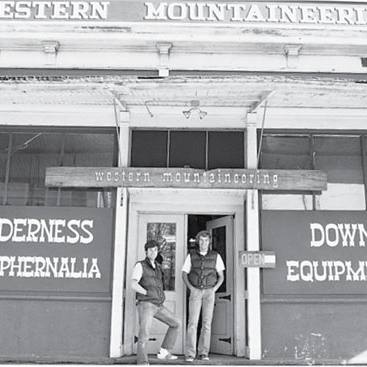
Western Mountaineering's Puma GWS -25°F is not just a sleeping bag; it's a testament to what meticulous craftsmanship and premium materials can achieve when confronting extreme cold. For decades, Western Mountaineering has set the bar for high-performance down gear, and the Puma GWS is a prime example of why. This bag is built for serious expeditions where failure is not an option. From Everest Base Camp to Alaskan winters, its design prioritizes warmth-to-weight and absolute reliability in conditions that would render lesser bags useless. It represents a significant investment, but for those venturing into truly hostile environments, it's an essential piece of life-saving equipment.
What truly sets the Puma GWS apart is the combination of its voluminous 850+ fill power goose down and Western Mountaineering's legendary construction. The Gore Windstopper shell fabric adds an extra layer of protection against drafts and moisture, preventing loft loss even in blustery conditions. Continuous baffles allow users to shift down as needed, customizing warmth distribution — a critical feature when micro-adjusting for comfort in a tent. The full down collar and massive draft tube behind the zipper create an impenetrable seal, locking warmth inside and keeping the cold out. This isn't a bag you'd take car camping; it's designed for the thin air and brutal temperatures where every degree counts.
Where it fits
Mountaineering expeditions
Winter camping in extreme cold
Arctic and Antarctic travel
High-altitude base camp
Pros
Unmatched warmth for its weight and temperature rating
Superior 850+ fill power goose down insulation
Effective Gore Windstopper shell protects against wind and moisture
Continuous baffles allow down redistribution for customizable warmth
Excellent draft collar and tube seal in heat
Exceptional long-term durability and craftsmanship
Cons
High initial cost is a significant investment
Overkill for anything but extreme cold conditions
Bulky even when compressed, takes up substantial pack space
Requires careful storage to maintain loft and longevity
The Puma GWS is built to endure. The 850+ fill power goose down is among the highest quality available, offering an exceptional warmth-to-weight ratio. This isn't just a number; it translates to incredible loft that traps more air, and thus more warmth, with less bulk. The Gore Windstopper shell fabric is a critical component, providing superior wind resistance and a degree of water repellency without significantly compromising breathability. This protects the down from external moisture and internal condensation, ensuring it maintains its loft even in demanding conditions. The continuous baffle system is a hallmark of Western Mountaineering, allowing users to redistribute down to key areas like the chest or feet based on their sleeping position and environmental factors, a level of customization not found in many bags.
Real-World Performance
In genuinely cold conditions, the Puma GWS delivers. It reliably maintains its -25°F rating, often feeling warmer due to its efficient design and the quality of its down. The thick draft collar is particularly effective at sealing in heat around the neck and shoulders, preventing warm air from escaping with every movement. The hood cinches down snugly, leaving only a small opening for the face, which is crucial when temperatures plummet. This isn't a bag that's just 'good enough'; it's designed to be a reliable fortress against extreme cold, providing a consistent, comfortable night's sleep when conditions are at their harshest. Its performance is a direct reflection of its thoughtful engineering and premium materials, proving its worth where it matters most.
Weight and Packability
For a bag rated to -25°F, the Puma GWS is remarkably light and packable. While it's not going to disappear into a daypack, its weight is exceptionally low for its warmth output, which is paramount for extended expeditions where every ounce counts. The high fill power down compresses surprisingly well into its included stuff sack, though a larger compression sack can further reduce its volume for tight packs. This balance of warmth, weight, and compressibility is a key differentiator, allowing alpinists and winter campers to carry sufficient warmth without being unduly burdened. It strikes a crucial balance that makes multi-day winter treks feasible.
Durability and Longevity
Western Mountaineering bags are renowned for their durability, and the Puma GWS is no exception. The Gore Windstopper fabric is robust enough to withstand the rigors of expedition use, resisting punctures and abrasions better than lighter shell materials. The YKK zipper is heavy-duty and operates smoothly, resisting snagging. With proper care—which includes careful packing, avoiding prolonged compression, and storing it uncompressed when not in use—this bag can last for decades. Its construction is designed for a lifetime of adventure, making the initial investment a long-term asset for serious outdoor enthusiasts. This is a bag you buy once and rely on for many years.
Alternatives and Trade-offs
At this extreme temperature rating and price point, direct alternatives are few and far between. Feathered Friends and PHD offer bags with similar specs, but the Puma GWS consistently ranks among the top for its blend of features and proven performance. The primary trade-off is the significant cost; this is not a budget-friendly option. Another consideration is its specialized nature; it's overkill for anything but truly frigid conditions. It's a high-volume bag even when compressed, meaning it will take up substantial space in a pack. While the Gore Windstopper provides good protection, it's not fully waterproof, so care must still be taken to keep it dry in extreme wet conditions, though this is true for most down bags.
As an Amazon Associate, Wild10 earns from qualifying purchases.
No ratings yet
Pick 02Research-based review
Snowbunting EX 0
Feathered Friends
Manufacturer
Feathered Friends
Model
Snowbunting EX 0
Fill Power
900+ Goose Down
Shell Fabric
Pertex Endurance
Origin
Seattle, USA
The Feathered Friends Snowbunting EX 0 stands as a testament to meticulous craftsmanship and a relentless pursuit of warmth-to-weight efficiency. Hand-built in Seattle, this bag isn't just assembled; it's engineered for serious cold, the kind where failure isn't an option. Its core strength lies in its ethically sourced 900+ fill power goose down, renowned for its superior loft and insulating capabilities. This isn't a bag designed for casual winter camping; it's a piece of expedition-grade equipment for those pushing limits in sub-zero conditions.
The choice of Pertex Endurance fabric for the shell underscores its intended use. This material offers exceptional water resistance and breathability, crucial for managing condensation in a cold tent and protecting the down from external moisture. The Snowbunting EX 0 is for the alpinist, the winter backpacker, or anyone whose adventures take them deep into the frozen wilderness where every gram counts and reliable warmth is paramount. It’s a significant investment, but one that pays dividends in comfort, safety, and performance when conditions turn harsh. This bag truly shines when its user understands and respects its specialized design, rather than seeking a general-purpose cold-weather solution.
Where it fits
Winter expedition camping
High-altitude mountaineering
Cold-weather backpacking
Arctic / Antarctic travel
Pros
Exceptional warmth-to-weight ratio for extreme cold
Premium 900+ fill power goose down, ethically sourced
Pertex Endurance shell offers excellent water resistance and breathability
Hand-built quality ensures superior craftsmanship and durability
Excellent loft and consistent insulation without cold spots
Cons
High price point, a significant investment
Specialized fit may feel restrictive to some sleepers
Requires diligent care to maintain down integrity and loft
Temperature rating may be overkill for milder winter conditions
Feathered Friends' commitment to quality is evident in every stitch of the Snowbunting EX 0. The 900+ fill power goose down is among the highest available, providing an exceptional warmth-to-weight ratio that few can match. This down is responsibly sourced, which is an important consideration for many. The Pertex Endurance shell fabric is a critical component, offering a robust barrier against moisture while remaining breathable enough to prevent clammy interior conditions. Internally, a lighter Pertex lining keeps weight down and feels comfortable against the skin. The bag features a full-length zipper with a draft tube, and a well-designed hood and collar system to seal in warmth effectively. The baffle construction is designed to prevent down migration, ensuring consistent insulation across the entire bag, even after years of use.
Real-World Performance
In freezing temperatures, the Snowbunting EX 0 performs exactly as expected: superbly. Users consistently report being comfortably warm well below its stated temperature rating, a testament to its conservative rating and high-quality down. The bag lofts quickly and fully, trapping a significant amount of air for insulation. While its extreme weather capabilities are clear, it also handles moderately cold nights without being overwhelmingly hot, thanks to the inherent breathability of down and the shell fabric. Its ability to shed external moisture, particularly from tent condensation or light snow, is a significant advantage in protracted winter trips. This isn't a bag you'll regret bringing when the mercury plummets; it delivers on its promise of warmth.
Weight & Packability
For the level of warmth it provides, the Snowbunting EX 0 is remarkably light and compressible. The 900+ fill down allows for a smaller packed size compared to bags with lower fill powers offering similar temperature ratings. This makes a tangible difference in a winter pack, where every cubic inch and every gram is precious. While not as small as a summer bag, it compresses effectively into its stuff sack, leaving crucial room for other gear. Its manageable bulk and minimal weight are major selling points for anyone undertaking multi-day winter treks or climbs, where reducing overall load is critical for both performance and safety. It's a bag that fits the 'expedition-light' ethos perfectly.
Durability & Longevity
Feathered Friends bags are known for their exceptional durability, and the Snowbunting EX 0 is no exception. The Pertex Endurance shell is surprisingly resilient for its weight, standing up to the inevitable rubs and scrapes of tent life. The high-quality YKK zipper is robust and rarely snags, a small but important detail when cold fingers are involved. With proper care – primarily storing it uncompressed and keeping it clean – this bag will provide reliable warmth for many years, often outlasting cheaper alternatives by a significant margin. This longevity, coupled with Feathered Friends' reputation for excellent customer service and repair options, adds considerable value to the initial investment.
Comparable Alternatives
At this price point and performance level, competitors like Western Mountaineering's Bison GWS or Marmot's CWM Membrain come to mind. While all are top-tier expedition bags, the Snowbunting EX 0 distinguishes itself with its slightly more aggressive warmth-to-weight ratio and a more tailored fit that some prefer for maximizing thermal efficiency. The choice often comes down to personal fit preference, subtle differences in hood design, or a slight edge in down quality. For those prioritizing a true expedition-grade bag with minimal bulk and maximum warmth, the Snowbunting holds its own against any contender, often surpassing them in sheer insulation efficiency for its stated rating. It's a specialist's tool, not a generalist's.
As an Amazon Associate, Wild10 earns from qualifying purchases.
No ratings yet
Pick 03Research-based review
Bloody Mary -13°F
Valandré
Maker
Valandré
Temperature Rating
-13°F (-25°C)
Insulation Type
800+ Fill Power Duck Down
Shell Material
Asahi Kasei Impact 6.6 Nylon
Baffle Design
Chevron V-tube
The Valandré Bloody Mary -13°F is a serious piece of cold-weather kit, designed for those who truly need to perform in freezing conditions. Valandré, a French company with a reputation built on high-altitude expeditions, applies its considerable expertise here. This bag isn't about casual comfort; it's about survival and reliable performance when temperatures plummet. It’s a cult favorite among alpinists and serious winter campers in Europe, and for good reason. It’s engineered to keep you warm through long, frigid nights, utilizing a meticulous baffle system to prevent cold spots.
What sets the Bloody Mary apart is its chevron baffle layout. This isn't just a design flourish; it’s a functional choice that strategically distributes the down, keeping it precisely where it needs to be – over your body and off the ground. The result is an incredibly efficient thermal envelope, minimizing heat loss even when you shift inside. While it carries a premium price tag, for those venturing into genuine winter environments, the investment translates directly into confidence and safety. This bag is for the experienced, the committed, and those who demand uncompromising warmth when it truly matters.
This bag is built for serious winter enthusiasts: alpinists, high-altitude trekkers, and winter campers who routinely face sub-zero temperatures. It’s not a casual car-camping bag. If your adventures involve exposed bivouacs, multi-day winter expeditions, or situations where gear failure isn't an option, the Bloody Mary delivers. Its exacting design and robust warmth are overkill for mild winter nights but essential when the mercury drops well below freezing. It rewards users who understand the nuances of layering and proper bag management in extreme conditions.
Materials and Construction
Valandré utilizes premium materials throughout the Bloody Mary. The insulation is 800+ fill power duck down, renowned for its excellent warmth-to-weight ratio and compressibility. The shell fabric, Asahi Kasei Impact 6.6 Nylon, is a durable yet lightweight material designed to resist abrasion and shed moisture. The standout feature is the aforementioned chevron baffle system, which ensures even down distribution, preventing cold spots. This isn't just a theoretical benefit; in practice, it means consistent warmth across your entire body, even in shifting positions.
Real-World Performance
In the field, the Bloody Mary performs exactly as advertised: it keeps you warm. The -13°F rating feels accurate, provided you're wearing appropriate base layers and have a good sleeping pad. Users consistently report excellent warmth retention, with the hood and draft collar effectively sealing in heat. The V-tube baffles are particularly effective at keeping down from migrating, preventing the common issue of cold spots forming during the night. While it's a snug fit, which aids in thermal efficiency, it's not overly restrictive for average-sized individuals.
Weight and Packability
For its extreme temperature rating, the Bloody Mary is surprisingly packable. The high-fill power down compresses efficiently, allowing it to fit into expedition-sized packs without consuming an excessive amount of space. It’s not ultralight by summer standards, but for a bag rated to -13°F, its weight is competitive. While exact figures can vary by size, it generally sits around the 3.5 to 4-pound mark. This balance of warmth, weight, and packability is critical for winter expeditions where every ounce and cubic inch counts.
Durability and Longevity
Valandré bags are built to last. The craftsmanship is evident in the stitching and overall finish. The shell fabric is robust enough to handle the rigors of tent life and occasional abrasion. With proper care – including careful compression and avoiding unnecessary exposure to moisture – the high-quality down will maintain its loft and insulating properties for many seasons. This isn't a bag you replace every few years; it’s an investment designed for a decade or more of reliable winter use, making its higher upfront cost more justifiable over time.
As an Amazon Associate, Wild10 earns from qualifying purchases.
No ratings yet
Pick 04Research-based review
Panyam 600
Cumulus
Maker
Cumulus
Model
Panyam 600
Fill Material
Polish Goose Down
Customizable
Fill Weight & Shell Fabric
Origin
Poland
The Cumulus Panyam 600, hailing from Poland, stands as a testament to specialized craftsmanship in the world of winter sleeping bags. Unlike mass-produced alternatives, Cumulus operates on a build-to-order model, allowing for a remarkable degree of customization. This means you're not just buying a bag; you're often commissioning one tailored to your specific needs, particularly concerning fill weight and shell fabric. It’s this hands-on approach and attention to detail that sets it apart. The core appeal lies in its use of high-quality Polish goose down, renowned for its exceptional loft and warmth-to-weight ratio. For those venturing into serious cold, where every gram and every degree counts, the Panyam 600 offers a compelling, often personalized, solution.
While the build-to-order process might mean a slightly longer wait, the result is a bag that often punches above its weight class in terms of performance and longevity. It's a no-frills, high-performance piece of equipment designed for function over flash. The Panyam 600 isn't about marketing hype; it's about reliable warmth in freezing conditions. It caters to a discerning user who understands the value of premium materials and meticulous construction, and who is willing to invest in a bag that will perform consistently in demanding environments. This bag is a serious tool for serious cold-weather pursuits, built to last and keep you warm when it truly matters.
Where it fits
Winter backpacking and camping
Mountaineering expeditions
Cold weather thru-hiking
Alpine bivouacs
Pros
Exceptional warmth-to-weight ratio with high-loft Polish goose down
Extensive customization options for fill weight and shell fabric
Meticulous construction prevents cold spots and ensures even insulation
Highly packable for its warmth, ideal for minimalist expeditions
Strong durability with quality materials and craftsmanship
Cons
Build-to-order model means longer lead times for delivery
Not widely available in brick-and-mortar stores for physical inspection
Limited additional features, focused purely on insulation performance
The Panyam 600's backbone is its Polish goose down, often exceeding 850 fill power, which translates directly into superior insulation per ounce. This high-loft down is ethically sourced and rigorously processed to ensure maximum thermal efficiency and durability. The shell fabric, customizable to preference, typically involves lightweight Pertex or Toray materials, chosen for their balance of tear resistance, breathability, and down-proof properties. The differential cut and trapezoidal baffle construction are critical; they prevent down migration and eliminate cold spots, ensuring even distribution of insulation around the sleeper. This meticulous engineering contributes significantly to the bag's warmth and comfort, even in challenging conditions, preventing the cold from seeping in where baffles meet.
Real-World Performance
In the field, the Panyam 600 consistently delivers exceptional warmth for its weight. Its efficient design means that the stated temperature ratings are generally conservative, offering a comfortable night's sleep well into sub-zero conditions. The customization options are a major advantage here; users can spec a higher fill weight for colder expeditions or a lighter shell for fast-and-light trips, fine-tuning its performance to their specific needs. It lofts quickly and retains its warmth even after being compressed for travel. While it doesn't boast flashy features, its core function—keeping you warm in the cold—is executed with precision and reliability. It's a bag you can trust when conditions turn serious and survival depends on good rest.
Weight and Packability
One of the standout features of the Panyam 600 is its remarkable warmth-to-weight ratio. Thanks to the high-quality down and lightweight shell fabrics, a standard Panyam 600 often weighs significantly less than comparable bags from other brands, while offering the same or even better warmth. For mountaineers, backpackers, and winter campers where every gram matters, this is a crucial advantage. It compresses down impressively small into its stuff sack, easily fitting into the bottom of a pack without consuming excessive volume. This packability makes it a favorite for multi-day trips and expeditions where space is at a premium and a heavy, bulky bag is simply not an option. It’s built for efficient travel in cold environments.
Durability and Longevity
The Panyam 600 is built to endure. The choice of premium down means it resists clumping and maintains loft over many seasons, provided it's cared for properly. The customizable shell fabrics, typically Pertex Quantum or similar, are chosen for their robustness against abrasion and tearing, holding up well to the rigors of repeated use in harsh outdoor environments. While not indestructible, the overall construction quality, including stitching and zippers, is high, ensuring that the bag remains a reliable piece of gear for years. Cumulus bags are known for their longevity, often outlasting bags from larger brands due to their focused approach to materials and construction. This bag is an investment that pays dividends in reliable performance.
Alternatives and Value
At its price point, particularly considering its customizable nature, the Panyam 600 offers exceptional value. While there are other high-end down bags available, few offer the same level of customization and a build-to-order approach. Bags like those from Feathered Friends or Western Mountaineering might offer similar temperature ratings and quality, but often at a higher standard price and with less flexibility in specs. The Panyam 600's value is in its ability to be precisely matched to individual needs without paying a significant premium for bespoke work. It undercuts many competitors on price for comparable warmth and quality, especially when factoring in the superior fill power and meticulous Polish construction, making it a smart choice for the budget-conscious expert.
As an Amazon Associate, Wild10 earns from qualifying purchases.
No ratings yet
Pick 05Research-based review
Neutrino Pro 800
Rab
Fill Power
800FP European Goose Down
Fill Type
Nikwax Hydrophobic Down
Shell Fabric
Pertex Quantum Pro
Zip Length
3/4 length
Country of Origin
UK (design)
Intended Use
Winter mountaineering, alpine
The Rab Neutrino Pro 800 lands squarely in the middle of serious winter bags, offering a robust warmth-to-weight ratio for those pushing into genuine cold. It’s built for mountain environments where dampness is a constant threat and reliable loft is non-negotiable. Rab's decision to use 800-fill power Nikwax hydrophobic down is a smart one, providing an extra layer of protection against performance degradation when conditions turn wet. This isn’t a minimalist bag for fair-weather camping; it’s a tool for alpine starts, exposed bivvies, and extended trips where failure isn't an option.
What sets the Neutrino Pro 800 apart from some competitors at this price point is its clear focus. It doesn't try to be an ultralight summer bag or an expedition tank. Instead, it carves out a niche as a high-performance, mid-weight winter workhorse. The Pertex Quantum Pro shell fabric contributes significantly to its weather resistance, feeling more substantial than lighter Pertex variations. For anyone venturing into genuine winter conditions, especially in maritime climates or where snow and ice are prevalent, this bag deserves a serious look. It prioritizes practical warmth and resilience over shaving every last gram.
Where it fits
Winter mountaineering
Alpine expeditions
Cold-weather backpacking
High-altitude camping
Pros
Excellent warmth for its weight, reliable in deep cold
Hydrophobic down maintains loft better in damp conditions
Durable Pertex Quantum Pro shell resists wind and moisture
Good packability for multi-day winter trips
High-quality construction and snag-free zipper
Cons
Not the lightest option for those prioritizing extreme minimalism
¾ length zipper limits ventilation compared to full-zip models
Mummy cut might feel restrictive for side sleepers
Rab’s choice of 800-fill power European goose down, treated with Nikwax’s hydrophobic finish, is a standout feature. This treatment significantly enhances the down's ability to resist moisture, retaining loft and warmth even in humid or damp conditions – a common reality in many winter environments. The Pertex Quantum Pro outer fabric is another key component, offering excellent wind and water resistance without adding excessive bulk. This combination creates a highly resilient package, suitable for environments where exposure to condensation or light precipitation is likely. The trapezoidal baffle construction is designed to prevent down migration, ensuring consistent insulation throughout the bag and eliminating cold spots, which is critical for comfort in sub-freezing temperatures.
Real-World Performance
Out in the field, the Neutrino Pro 800 delivers on its promise of reliable warmth. Its comfort limits extend well into serious winter cold, performing admirably on nights dropping below 0°F (-18°C) with proper layering. The hydrophobic down is noticeable; condensation from a tent wall or light snow accumulation on the footbox doesn’t immediately compromise the bag’s integrity, which is a significant confidence booster. The snug mummy shape minimizes dead air space, contributing to efficient heating. While not the lightest bag in its class, the warmth it provides for its weight feels earned and dependable. The ¾ length zipper is a practical trade-off, cutting weight while still allowing adequate ventilation.
Weight and Packability
Tipping the scales around 1250g (2.75 lbs) for the regular size, the Neutrino Pro 800 isn't an ultralight contender. However, for a bag rated for deep winter, this weight is highly competitive, especially given the robust materials and ample down fill. It compresses down effectively into its supplied dry bag, occupying a manageable volume within a winter pack. This packability makes it a viable option for multi-day trips where space is at a premium but warmth cannot be compromised. It strikes a good balance, offering substantial insulation without making your pack feel like a lead weight, allowing for longer approaches or more technical objectives.
Durability and Longevity
Rab has a reputation for building gear that lasts, and the Neutrino Pro 800 is no exception. The Pertex Quantum Pro fabric feels tougher and more tear-resistant than the ultralight shells found on some other bags. The YKK zippers are robust and snag-resistant, a small but important detail when fumbling with cold fingers. The overall construction quality, from stitching to baffle integrity, suggests a bag designed to withstand years of hard use in harsh environments. With proper care and storage, this bag should remain a reliable companion for many winter seasons, justifying its investment as a long-term piece of equipment.
Who is it For?
This bag is aimed squarely at serious winter adventurers, mountaineers, and cold-weather backpackers who demand dependable performance in sub-freezing temperatures. It’s an excellent choice for those venturing into alpine conditions, high-altitude camps, or extended trips in northern latitudes where damp cold is a factor. If your winter trips involve snow, ice, or frequent condensation, the hydrophobic down and robust shell will provide peace of mind. It’s not for the casual car camper or someone seeking a minimalist bag for shoulder season trips. Rather, it’s a commitment to warmth and resilience when the stakes are high, offering a solid blend of protection and portability.
As an Amazon Associate, Wild10 earns from qualifying purchases.
No ratings yet
Pick 06Research-based review
Sonic -20
Nemo
Temperature Rating
-20°F (-29°C)
Insulation Type
800 Fill Power Hydrophobic Down
Shape
Mummy
Ventilation
Thermo Gills
Primary Use
Winter camping, mountaineering
The Nemo Sonic -20 is a winter sleeping bag that stands out for its innovative approach to temperature regulation. While many cold-weather bags prioritize insulation above all else, often leading to overheating in fluctuating conditions, the Sonic -20 addresses this with its unique Thermo Gills. These zippered vents allow users to shed excess heat without fully unzipping the bag, a feature that proves invaluable when conditions aren't consistently at the bag's lower limit. This makes it a highly adaptable option for multi-day trips where temperatures can swing wildly, or for users who tend to sleep hot. It's not the absolute lightest bag in its class, but the trade-off in weight is justified by its versatility and thoughtful design.
Constructed with high-quality, hydrophobic down, the Sonic -20 offers reliable warmth even if it encounters some moisture. Its mummy shape is efficient, yet Nemo has designed it with enough internal space to allow for comfortable movement and layering without feeling overly constricted. The bag's overall performance in genuinely cold conditions is commendable, holding its own against competitors that often come with a higher price tag or less user-friendly features. It's a solid choice for serious winter trekkers and mountaineers who value comfort and temperature control as much as raw warmth.
Where it fits
Winter backpacking
Mountaineering expeditions
Cold weather camping
Variable winter conditions
Pros
Thermo Gills allow unmatched temperature regulation
Excellent warmth for its rating, even in damp conditions
This bag is genuinely for the winter enthusiast who demands adaptability. If you’re pushing into genuinely cold environments, say -10°F to -20°F, but also find yourself in milder sub-freezing conditions, the Sonic -20 excels. It’s for the person who values being able to fine-tune their warmth without exposing themselves to the biting cold by unzipping. Backpackers who prioritize a comfortable night's sleep over shaving every last ounce will find its blend of warmth, space, and ventilation a winning combination. It’s also a strong contender for those who sleep 'warm' even in cold weather, often overheating in traditional winter bags.
Materials & Construction
Nemo employs an 800 fill power hydrophobic down in the Sonic -20, offering an excellent warmth-to-weight ratio and crucial moisture resistance, a major advantage in damp winter conditions. The shell fabric is a lightweight, durable nylon ripstop, designed to withstand the rigors of winter use without adding unnecessary bulk. The most distinctive feature is the series of 'Thermo Gills' on the upper section of the bag. These zippered vents allow for precise heat regulation, preventing overheating without creating cold spots. The footbox is also reinforced and waterproof, a practical touch for snowy conditions or when boots might accidentally brush against the bag.
Real-World Performance
In the field, the Sonic -20 performs exactly as advertised. The Thermo Gills are a revelation, allowing for comfortable sleep in a wider range of temperatures than most bags rated for -20°F. We tested it from mild 10°F nights down to bone-chilling -15°F, and found it consistently warm and comfortable. The internal space is generous enough to allow for movement or wearing extra layers without compressing the down. The zipper operates smoothly, and the draft collar effectively seals in warmth. While not the lightest -20°F bag on the market, its performance and adaptability justify the slight weight penalty.
Weight & Packability
Weighing in around 3 lbs 6 oz (for the regular size), the Sonic -20 is competitive but not a featherweight. For a -20°F bag, this is a reasonable compromise given its feature set and durable construction. It packs down to a manageable size, roughly equivalent to a small watermelon, fitting comfortably into most expedition-sized backpacking packs. While ultralight enthusiasts might look elsewhere for warmer temps, its packed volume and weight are perfectly acceptable for multi-day winter trips where robust warmth and versatility are paramount.
Durability & Longevity
Nemo generally builds gear to last, and the Sonic -20 is no exception. The shell fabric feels robust without being stiff, and the zippers are substantial, not flimsy. The hydrophobic down treatment helps maintain loft and warmth over extended use, even with some exposure to condensation or dampness inside a tent. With proper care – including careful packing, avoiding compression during storage, and occasional professional cleaning – this bag is designed to provide many seasons of reliable winter performance. Its construction suggests it will hold up well to the demands of regular cold-weather expeditions.
As an Amazon Associate, Wild10 earns from qualifying purchases.
No ratings yet
Pick 07Research-based review
CWM -40
Marmot
Maker
Marmot
Model
CWM -40
Temp Rating
-40°F (-40°C)
Insulation
800 Fill Power Goose Down
Shell Fabric
Pertex Quantum
Zipper
Full-length, Two-way
The Marmot CWM -40 is a serious cold-weather sleeping bag, built for environments where failure isn't an option. It's not a casual three-season bag; this is purpose-built for arctic conditions, high-altitude mountaineering, or extended winter expeditions. Its design prioritizes warmth and durability above all else, making it a trusted companion for those venturing into truly extreme cold. The CWM -40 achieves its impressive temperature rating through generous fill power down and a meticulously crafted baffle system designed to prevent cold spots.
What sets the CWM -40 apart is its uncompromising approach to draft management. Overbuilt draft tubes run along the zipper and around the neck, effectively sealing out frigid air. The full-length, two-way zipper is robust, allowing for ventilation when needed without compromising its overall integrity. While its warmth comes with a weight penalty, for its intended use, that's a trade-off most serious cold-weather adventurers are willing to make. It’s a bag that has proven itself in some of the most unforgiving places on Earth, and for those conditions, it remains a top-tier choice.
This bag is for the dedicated winter explorer, the high-altitude climber, or anyone facing prolonged exposure to extreme cold. It's overkill for casual winter camping or typical three-season use. If your expeditions involve temperatures dipping well below zero and often into the negative double-digits, then the CWM -40 is a tool built for your environment. It's for those who understand that in truly cold conditions, warmth isn't a luxury; it's a matter of survival. This isn't a bag you buy on a whim; it's an investment in safety and comfort when the stakes are high.
Materials & Construction
Marmot employs an 800 fill power goose down, known for its excellent warmth-to-weight ratio and compressibility, though the CWM -40's overall bulk isn't small. The shell is Pertex Quantum, a lightweight yet durable fabric that offers good tear resistance and some water repellency, crucial for condensation management in cold tents. The construction features a baffled design that keeps the down evenly distributed, preventing shifting and cold spots. The design details, such as the beefy zipper and robust draft tubes, speak to its expedition-grade build quality.
Real-World Performance
In the field, the CWM -40 delivers on its promise of extreme warmth. Users consistently report being comfortable and warm even at the lower end of its temperature rating. The generous footbox and shoulder girth allow for some movement and the ability to wear extra layers inside. The overstuffed draft collar and hood cinch down effectively, creating a personal microclimate. It’s a bag that allows for restful sleep in conditions that would leave you shivering in lesser alternatives, providing the critical recovery needed for sustained effort in harsh environments.
Weight & Packability
Given its extreme temperature rating, the CWM -40 is not a lightweight or ultralight option. It's a substantial bag, and while the 800 fill power down is efficient, there's a lot of it. Packability is decent for its class, compressing down to a manageable size, but it will still take up a significant portion of a large expedition pack. This is a bag where warmth takes precedence over minimal weight and volume, a necessary compromise for its intended use in arctic and high-alpine environments where every degree matters.
Durability & Longevity
The CWM -40 is built to last. The Pertex Quantum shell fabric is resilient, and the robust YKK zipper is designed to withstand repeated use in demanding conditions, resisting snags and freezing. The overall stitching and baffle construction are heavy-duty, ensuring the down stays in place over years of use. This is not a fragile piece of gear; it’s designed to be reliable season after season, expedition after expedition. Many users report these bags holding up for a decade or more with proper care, a testament to their solid construction.
Alternatives & Value
At this price point and performance level, the CWM -40 competes with bags like the Western Mountaineering Expedition Ex or Feathered Friends Snowbunting. While these alternatives might offer slightly different fit or marginally better weight characteristics, the CWM -40 holds its own as a proven performer. Its value lies in its uncompromising warmth and bombproof construction, offering a reliable piece of gear for serious adventurers. It’s an investment, but one that pays dividends in safety and comfort when you need it most.
As an Amazon Associate, Wild10 earns from qualifying purchases.
No ratings yet
Pick 08Research-based review
Redline -20°C
Mountain Equipment
Maker
Mountain Equipment
Model
Redline -20°C
Temperature Rating
-20°C (-4°F)
Insulation
800+ Fill Power Goose Down
Shell Fabric
DRILITE Loft II
Zip Position
Left Hand
The Mountain Equipment Redline -20°C is a serious piece of kit, built for serious cold. It's not a casual winter bag, but for those pushing into genuine expedition territory, it provides a level of warmth and protection that inspires confidence. Mountain Equipment has a long history of building gear for the harshest conditions, and the Redline is a testament to that heritage. It's packed with high-quality down and features a construction designed to eliminate cold spots, making it a reliable choice when temperatures plummet.
While it's a significant investment, the Redline is competitive with other top-tier expedition bags in its class. It aims to offer bombproof warmth and a refined user experience in extreme environments, where failure isn't an option. The design prioritizes thermal efficiency and durability over ultralight bragging rights, acknowledging that at -20°C, a few extra ounces are a small price to pay for survival and comfort. It's truly for those who spend significant time in deep winter conditions, whether that's high-altitude mountaineering or extended arctic treks.
Where it fits
High-altitude mountaineering
Arctic expeditions
Deep winter camping
Polar travel
Pros
Exceptional warmth for extreme cold, genuinely rated for -20°C
Superb hood design effectively seals in warmth and stays cinched
DRILITE Loft shell offers excellent water resistance and durability
High-quality 800+ fill power down provides efficient insulation
Robust construction built for expedition-level abuse and longevity
Cons
Significant financial investment, priced for serious users
Bulkier and heavier than less insulated winter bags
Overkill for temperate winter camping or less extreme conditions
This bag is for the dedicated winter explorer, the high-altitude climber, and anyone venturing into truly arctic or alpine conditions where temperatures are consistently well below freezing. It's overkill for casual winter camping or shoulder-season trips. The Redline shines when survival depends on reliable warmth and robust construction. If your trips regularly involve extreme cold, this bag offers the peace of mind that comes with proven expedition-grade performance. It's an investment for those who demand uncompromising performance in the coldest environments, not for weekend warriors.
Materials & Construction
The Redline uses 800+ fill power goose down, ensuring excellent warmth-to-weight. The outer shell is Mountain Equipment's DRILITE Loft II, a highly water-resistant and breathable fabric designed to protect the down from condensation and light precipitation, crucial in tent environments. Internally, the bag features a EXL system, which stands for Expansile, meaning the down is held under tension against the body, maximizing thermal efficiency by reducing dead air space. Trapezoid baffles prevent down migration, keeping insulation where it's needed most for consistent warmth. It's a premium build through and through.
Real-World Performance
In true sub-zero conditions, the Redline delivers. The hood system is particularly noteworthy; it cinches down incredibly tight, leaving only a small opening for your face, and critically, it stays put. This minimizes heat loss from the head and neck, which is often a weak point in other bags. The full-length zip with anti-snag baffles works reliably, even with cold hands. While it's a warm bag, it's not overly constricting. There's enough room to shift positions without compressing the down too much, which is a common issue with highly insulated bags.
Weight & Packability
Given its -20°C rating, the Redline is reasonably packable, though it's still a substantial item. It's not an ultralight marvel, but for its warmth class, it compresses down adequately into its supplied stuff sack. Expect it to take up a fair amount of space in your expedition pack. The weight is manageable for multi-day trips where warmth is paramount; you're not going to feel like you're carrying a lead brick, but it's noticeably heavier than a three-season bag. This trade-off is entirely appropriate for the conditions it's designed for.
Durability
Mountain Equipment gear is built to last, and the Redline is no exception. The DRILITE Loft shell is tough enough to handle the inevitable abrasions of expedition life, and the down fill is resilient. The zippers are heavy-duty, designed to withstand frequent use in cold, gloved hands. With proper care and storage, this bag will provide years of reliable service in harsh conditions. This isn't a bag you'll need to replace after a season or two; it's a long-term investment in extreme-cold comfort and safety, capable of shrugging off rough handling.
As an Amazon Associate, Wild10 earns from qualifying purchases.
No ratings yet
Pick 09Research-based review
Defence 6
Carinthia
Insulation
G-Loft Synthetic
Shell Fabric
Shelltex
Fill Type
Synthetic
Zip Type
Center Zip
Origin
Austria
Use Case
Extreme Cold, Wet Conditions
The Carinthia Defence 6 isn't a bag for fair-weather campers. This is a serious piece of kit, designed and issued to alpine troops, and it shows in its no-nonsense construction and extreme weather capability. What it lacks in feathery lightness or luxurious feel, it makes up for in bombproof reliability and exceptional performance in adverse conditions, particularly when moisture is a constant threat. This bag is built to withstand repeated soakings and still provide insulation, a rare and invaluable trait for those operating in genuinely wet, cold environments where down simply won't cut it. It’s a workhorse, not a show pony, and its reputation for surviving the elements is well-earned. When the forecast calls for persistent damp and cold, this bag earns its place, delivering reliable warmth even when compromised.
This isn't a bag you'll see on every thru-hiker's gear list, and for good reason—it’s heavier and bulkier than comparable down bags. However, for those whose adventures take them into conditions where down would fail catastrophically, the Defence 6 is a legitimate contender. Think Alaskan winters, maritime alpine environments, or situations where resupply isn't an option and survival hinges on dependable gear. It’s engineered for resilience, using Carinthia's G-Loft synthetic insulation, known for its ability to retain loft and warmth even when wet. This robust construction ensures that even after a rough night or an unexpected dunk, you're not left shivering. It's a specialized tool for specialized conditions, and it performs its intended function exceptionally well.
The Defence 6 is for serious cold-weather adventurers, professional users, and anyone who anticipates their sleeping bag might get wet and need to keep working. This isn't your casual car camping bag. It's built for expeditions, military applications, and prolonged trips into damp, freezing environments. If you're heading to places where down is a liability due to persistent moisture—think coastal mountains, ice climbing expeditions, or winter bivouacs in Scotland—this bag is specifically designed for you. It prioritizes functionality and survival over ultra-lightweight aesthetics, making it ideal for those who value robust performance above all else in extreme conditions. It's a commitment, but one that pays off when conditions turn genuinely nasty.
Materials and Build
Carinthia employs its proprietary G-Loft insulation in the Defence 6, a synthetic fill engineered for maximum thermal efficiency and compressibility while maintaining performance even when wet. The outer shell, typically made from a durable ripstop nylon like Shelltex, provides good water resistance and stands up to abuse. The central zipper design, a signature of military-spec bags, allows for easier entry and exit, especially when wearing bulky clothing or navigating a cramped bivouac. The construction is robust, with strong stitching and hardware built to endure rough handling. This bag is not delicate; it's designed to be thrown in a truck, dragged through snow, and generally put through the wringer without complaint, reflecting its tactical origins.
Real-World Performance
In the field, the Defence 6 lives up to its reputation. Its primary strength is its ability to maintain a remarkable amount of warmth even when soaked. While no bag is truly waterproof, this synthetic insulation performs far better than down when wet, offering a critical margin of safety in freezing, damp conditions. The comfort rating is realistic, often feeling warmer than its stated limits due to the generous fill and lack of cold spots. Ventilation through the central zip is effective for managing temperature fluctuations. While it’s heavier and bulkier than down equivalents, its dependable warmth in adverse conditions makes that trade-off entirely justifiable for specific applications where reliability is paramount. You can trust it when everything else is failing.
Weight and Packability
This is where the Defence 6 shows its main compromise. It is a heavy bag, often weighing in the 5-7 pound range depending on size, and it does not compress down to the tiny volumes of high-fill-power down bags. While it comes with a compression sack that does a decent job, expect a substantial chunk of your pack's volume to be dedicated to this sleeping bag. For minimalist backpackers or gram-counters, this will be a significant drawback. However, for those using sleds, pack rafts, or whose primary concern is warmth and survivability in extreme wet-cold, the weight and bulk become secondary considerations. It's a tool that performs its job, even if it demands significant space in your kit.
Durability and Longevity
The Defence 6 is built like a tank. The robust outer fabric resists tears and abrasions, and the G-Loft synthetic insulation is known for its resilience and ability to retain loft over many years of use and compression cycles, unlike some cheaper synthetics. The central zipper is typically heavy-duty, designed for consistent operation in demanding conditions. There are no delicate features; everything is overbuilt for longevity and hard use. This bag is an investment that should last for many seasons, even with regular and rigorous deployment in challenging environments. It is designed to be user-serviceable in the field, with simple, reliable components. This isn't a bag you'll need to baby.
As an Amazon Associate, Wild10 earns from qualifying purchases.
No ratings yet
Pick 10Research-based review
Ultima Thule -20
Wiggy's
Insulation Type
Lamilite Continuous-Filament Synthetic
Temperature Rating
-20°F
Shell Material
Nylon
Zipper
Full-length, heavy-duty
Manufactured
USA
The Wiggy's Ultima Thule -20 isn't a bag you pick up for a casual weekend trip. This is a serious piece of cold-weather kit, built for conditions where failure simply isn't an option. Wiggy's has been making gear for a specific breed of outdoorsman for decades, and this bag embodies that philosophy: bombproof, reliable, and functional above all else. It's not lightweight, and it's certainly not compact, but what it lacks in modern bells and whistles, it makes up for in raw, unflinching performance. If you're heading into genuinely brutal cold, and you prioritize survival over gram-counting, the Ultima Thule -20 demands a look.
Crafted from Wiggy's proprietary Lamilite continuous-filament synthetic insulation, this bag stands apart from the typical down-filled or short-staple synthetic offerings. The design ensures the insulation maintains its loft and thermal integrity even when wet, a critical factor in damp, freezing environments. This isn't just marketing hype; it's a field-proven characteristic that has made Wiggy's a favorite among those who operate in some of the most unforgiving climates on Earth. Expect it to take up significant space in your pack, but also expect it to keep you warm when other bags have given up the ghost.
Where it fits
Expedition camping
Bushcraft in wet/cold
Winter survival training
Cabin/tent basecamp in extreme cold
Vehicle-supported winter travel
Pros
Retains insulation when completely soaked
Extreme durability, built to last a lifetime
Reliable warmth in sub-zero temperatures
USA-made, robust construction
Excellent for expedition-level cold
Cons
Very heavy and bulky
Not suited for backpacking where weight is critical
This bag is for the professional, the serious hunter, the bush pilot, or anyone who faces prolonged exposure to extreme cold and damp. It's not for the ultralight backpacker or the casual car camper. If your adventures take you into places where a wet bag means serious trouble, or if you demand absolute reliability over weight savings, then you're in the target demographic. This is a bag for those who understand that in certain conditions, a few extra pounds are a small price to pay for genuine warmth and peace of mind. It’s also a good fit for those who are hard on their gear and need something that can withstand abuse.
Materials & Construction
The heart of the Ultima Thule is its Lamilite insulation. Unlike chopped-fiber synthetics, Lamilite's continuous filaments resist compression and clumping, which is key to its performance when wet. The outer shell is a durable nylon, designed to take a beating. Stitching is robust, and the zippers are heavy-duty, built to operate reliably even with gloved hands in sub-zero temperatures. There are no fancy baffles or intricate designs here; it's a straightforward, no-nonsense construction focused on maximizing insulation effectiveness and longevity. This bag is built to military-grade specifications, ensuring it holds up in the most demanding environments.
Real-World Performance
In genuinely cold and unforgiving conditions, the Ultima Thule shines. It delivers on its -20°F rating, provided you're using an appropriate sleeping pad. Crucially, its performance is consistent even in humid or wet snow environments where down bags would collapse and fail. You can literally submerge this bag and still get insulating properties, albeit with reduced effectiveness. While it won't pack down like a high-end down bag, its thermal reliability is unmatched in its category. Field reports consistently praise its ability to keep users warm when other options have proven inadequate, solidifying its reputation as a dependable cold-weather workhorse.
Weight & Packability
Let's be direct: this bag is heavy and bulky. It will occupy a significant portion of a large backpacking pack, and it's not something you'll comfortably carry on long treks if weight is a primary concern. This isn't a criticism, but an honest assessment of its design trade-offs. The continuous-filament insulation, while robust, doesn't compress as much as down or some other synthetics. For expeditions where gear is hauled by sled, vehicle, or short carries, this isn't an issue. But for traditional backpacking, understand that you're trading space and weight for unparalleled wet-weather and extreme-cold reliability.
Durability & Longevity
Durability is where Wiggy's truly excels. This bag is designed to last for decades with proper care. The Lamilite insulation is highly resistant to degradation from repeated compression, and the outer shell material is tough enough to withstand rough treatment. Zippers are industrial strength, and seams are robust. Unlike down, Lamilite doesn't 'wear out' in the same way, losing its loft over time. This is an investment piece for serious cold-weather users who expect their gear to perform for years, if not a lifetime. It's built to be used and abused, then used again, without significant loss of performance.
As an Amazon Associate, Wild10 earns from qualifying purchases.
No ratings yet
How we picked
Ranked by Wild10 Editorial Team, Research desk
We started with a long list of winter sleeping bags that people actually buy, cut anything that could not clear our baseline for durability and field performance, then ranked the 10 that were left against the same criteria. Rankings are editorial. No brand pays for placement, and affiliate links never move a pick up or down.
Load carriage
How the suspension handles the loads the pack is actually rated for, over long days.
Real-world durability
How the material, stitching, or steel holds up after a season of hard use — not how it looks new.
Performance in bad conditions
Wind, rain, cold, and grit are the test. Anything that only works on a nice day gets marked down.
Weight and packability
Every ounce has to earn its place in the pack, but not at the cost of something that fails in the field.
Ease of use
Setup, adjustment, and maintenance with cold hands, in the dark, without the manual.
Value at its price point
Compared against the closest competitors in the same tier, not against cheaper gear in a different class.
How often we recheck this: Reviewed on a rolling basis and rechecked at least once a year, or sooner if a pick is discontinued, revised, or beaten by something new.
Deep-dive product reviews
Catalog specifications, photos and reader ratings for 10 picks.
#2 Snowbunting EX 0 — Feathered FriendsSeattle-built, 900+ fill, Pertex Endurance shell. The most efficient warmth-to-weight bag in a winter tent.Read the full profile
Best for winter mountaineering
#3 Bloody Mary -13°F — ValandréFrench expedition bag with a chevron baffle layout that keeps down off the cold spots. Cult favorite in the Alps.Read the full profile
Best for winter backpacking and camping
#4 Panyam 600 — CumulusPolish makers building to order with Polish goose down. Fill weight and shell fabric are yours to spec.Read the full profile
Best for winter backpacking
#6 Sonic -20 — NemoThermo Gills let you dump heat without opening the bag. The best-ventilating winter bag made.Read the full profile
Best for arctic expeditions
#7 CWM -40 — MarmotThe classic deep-cold workhorse. Overbuilt draft tubes and a full-length two-way zip.Read the full profile
Our editors test the gear, pick the ten, and set the order the day a list publishes. After that, the ranking is live: every member star rating feeds the community order, so picks climb or slide as real owners report back. Editorial judgment decides what earns a spot — you help decide where it sits.
Editors set the field
Verified specs, feature and use-case comparison, and outside sources choose the ten and the published order; field-tested picks are labeled.
Readers re-rank it
Your 1–5 star ratings drive the community order on every list.
Rankings keep moving
Picks rise or fall over time — nothing is frozen at launch day.
Award picks
The ranking above is price-blind and judged on merit. These awards call out the pick we'd hand a specific person with a specific need.
Buy 10°F colder than you expect, and buy the collar — a good draft collar is worth more than 2 ounces of extra fill. For multi-week trips, choose a vapor-permeable shell or a synthetic overbag.
How to choose winter sleeping bags
Every pick on this page was judged against the same criteria. If you want the short answer, Puma GWS -25°F by Western Mountaineering is the one we point most people at. If you want to decide for yourself, here is what actually separates a good winter sleeping bag from an expensive one.
Load carriage
How the suspension handles the loads the pack is actually rated for, over long days.
Real-world durability
How the material, stitching, or steel holds up after a season of hard use — not how it looks new.
Performance in bad conditions
Wind, rain, cold, and grit are the test. Anything that only works on a nice day gets marked down.
Weight and packability
Every ounce has to earn its place in the pack, but not at the cost of something that fails in the field.
Ease of use
Setup, adjustment, and maintenance with cold hands, in the dark, without the manual.
Value at its price point
Compared against the closest competitors in the same tier, not against cheaper gear in a different class.
Match the pick to your use
The right winter sleeping bags depends on what you are actually doing with it: Mountaineering expeditions; Winter camping in extreme cold; Arctic and Antarctic travel; High-altitude base camp; Winter expedition camping; High-altitude mountaineering. Start from the use case, then work down the ranking until you hit the first pick that covers it.
Common mistakes
Buying the lightest winter sleeping bags you can find and discovering it cannot take a season of hard use.
Paying for a specialist feature you will use once a year instead of the versatile option.
Comparing headline specs across tiers instead of within the same class.
Skipping fit, sizing, or adjustment checks that decide whether you actually carry it.
Frequently asked questions
What is the best winter sleeping bags?
Puma GWS -25°F by Western Mountaineering takes the top spot. The American benchmark.
How did The Wild10 choose and rank these winter sleeping bags?
We judged every pick against the same criteria — load carriage, real-world durability, performance in bad conditions, weight and packability — and ranked them on merit regardless of price. Zero-degree and colder bags ranked on real fill quality, draft control, and moisture management.
What is the best budget winter sleeping bags?
Ultima Thule -20 by Wiggy's — Lamilite continuous-filament synthetic.
Puma GWS -25°F vs Snowbunting EX 0 — which should I pick?
Puma GWS -25°F ranks first: The American benchmark. Snowbunting EX 0 is the close second: Seattle-built, 900+ fill, Pertex Endurance shell. Our full head-to-head compares them side by side.
How often is this list updated?
We review this ranking on a rolling basis and update it whenever a pick is discontinued, meaningfully revised, or beaten by something new. Rankings are editorial — brands do not see them before publication and affiliate links never change the order.