



Reader rating
Rate it and you move it. Community ratings re-rank this product inside its Top 10 list.
Expert-picked, reader-ranked. Our editors choose the products and the launch order; member star ratings move picks up or down over time.
The Skagit River in northwest Washington is one of the state's largest and most iconic rivers, flowing from the North Cascades to Puget Sound. Historically, it was a world-class wild steelhead river, and while runs have faced challenges, it remains a significant destination, particularly for winter steelhead. The sheer size and power of the Skagit make it a formidable river to fish, often requiring boat access, though some excellent wade-fishing opportunities exist around Rockport and Marblemount. The prime winter steelhead season is from December through March. The river offers a mix of classic swing water, deep pools, and riffles. Expect variable water conditions, from clear flows to glacial turbidity after heavy rains or warm spells. Access is generally good along Highway 20, but the size of the river means finding fish can be like finding a needle in a haystack without local knowledge. This river is best suited for experienced anglers comfortable with powerful currents and large water, though guides can help navigate its complexities. A Washington State fishing license with a steelhead endorsement is required. While not as prolific as in its past, the Skagit still offers the chance to intercept a genuine chrome bright wild winter steelhead in a truly grand Pacific Northwest setting, a testament to its enduring potential. **Highlights** * Iconic large river system with impressive scenery. * Strong wild winter steelhead genetics. * Good boat and some wade access. * Opportunities for big, powerful fish. * Diverse holding water types. **Watch-outs** * Challenging large river environment; powerful currents. * Wild steelhead runs have faced significant declines, making fishing tougher. * Can experience high turbidity after heavy rains. * Requires significant effort and often a boat for best access. * Subject to frequent regulations changes and closures.
Pros
- Opportunity for large, powerful wild winter steelhead
- Iconic Pacific Northwest scenery and wilderness experience
- Diverse water types for various fishing methods
- Good boat access, some productive wade opportunities
- Significant historical importance and enduring potential
Cons
- Wild steelhead runs have faced significant declines, fishing can be tough
- Large, powerful river; challenging for inexperienced anglers
- Variable water conditions, prone to high turbidity after heavy rains
- Can be crowded in popular access areas
- Regulations change frequently, requiring constant vigilance
Best uses
- Winter steelhead trips
- Boat-based angling
- Experienced angler challenge
- PNW wilderness immersion
Specifications
- Location
- Northwest Washington, USA
- Primary Target
- Wild Winter Steelhead
- Peak Season
- December - March
- Typical Access
- Boat, some wade
- Terrain
- North Cascades foothills to lowland estuary
- Notable Towns
- Rockport, Marblemount
Best for
Winter steelhead trips, Boat-based angling, Experienced angler challenge, PNW wilderness immersion
The Skagit River, originating in the North Cascades and emptying into Puget Sound, stands as one of Washington's most iconic and substantial waterways. It's a river defined by its scale and the wild, untamed nature of its winter steelhead fishery. While the runs of these prized anadromous fish have undeniably faced significant challenges over the decades, the Skagit continues to draw dedicated anglers seeking the elusive chrome-bright winter run. Its sheer size means it demands respect and often necessitates boat access for effective fishing, though certain stretches around Rockport and Marblemount provide classic wade-fishing opportunities. The prime window for winter steelhead here stretches from December into March, offering a stark, beautiful Pacific Northwest experience. Fishing the Skagit involves navigating a complex environment. You'll encounter a mix of prime swing water, deep holding pools, and turbulent riffles. Water conditions are highly variable, ranging from crystal clear to glacially turbid, especially after heavy precipitation or during warm spells that melt the mountain snowpack. Access is generally available along Highway 20, but the vastness of the river means finding fish without local knowledge can be a genuine test of persistence. This destination is best suited for experienced anglers who are comfortable with powerful currents and large river systems. A Washington State fishing license with the appropriate endorsement is mandatory. Despite the challenges and historical declines, the Skagit still offers a legitimate chance to connect with a powerful, wild steelhead in a truly grand wilderness setting.
Geography and Terrain
The Skagit River begins high in the North Cascades, traversing a landscape of rugged mountains, dense coniferous forests, and eventually emptying into the lowlands near Puget Sound. Its upper reaches are characterized by steep gradients and fast currents, while downstream sections broaden, featuring braided channels, gravel bars, and deep pools. The surrounding environment is classic Pacific Northwest wilderness, providing a stunning backdrop of old-growth timber and snow-capped peaks, particularly during the winter months. This varied terrain contributes to the river's diverse holding water, from swift runs to slow, deep troughs, all shaped by significant water volumes and glacial melt.
Best Season & Weather
The definitive season for steelhead on the Skagit is winter, specifically from December through March. During this period, fresh, chrome-bright wild steelhead enter the system. While fishing can be productive throughout this window, success is often dictated by weather and water conditions. Mild, overcast days without heavy rain typically offer the best fishing, as prolonged downpours can cause the river to blow out with high, turbid flows. Anglers should be prepared for cold temperatures, rain, and potential snow, requiring appropriate layering and waterproof gear. Monitoring river gauges and local reports is crucial for timing a visit, as conditions can change rapidly.
Wildlife & Scenery
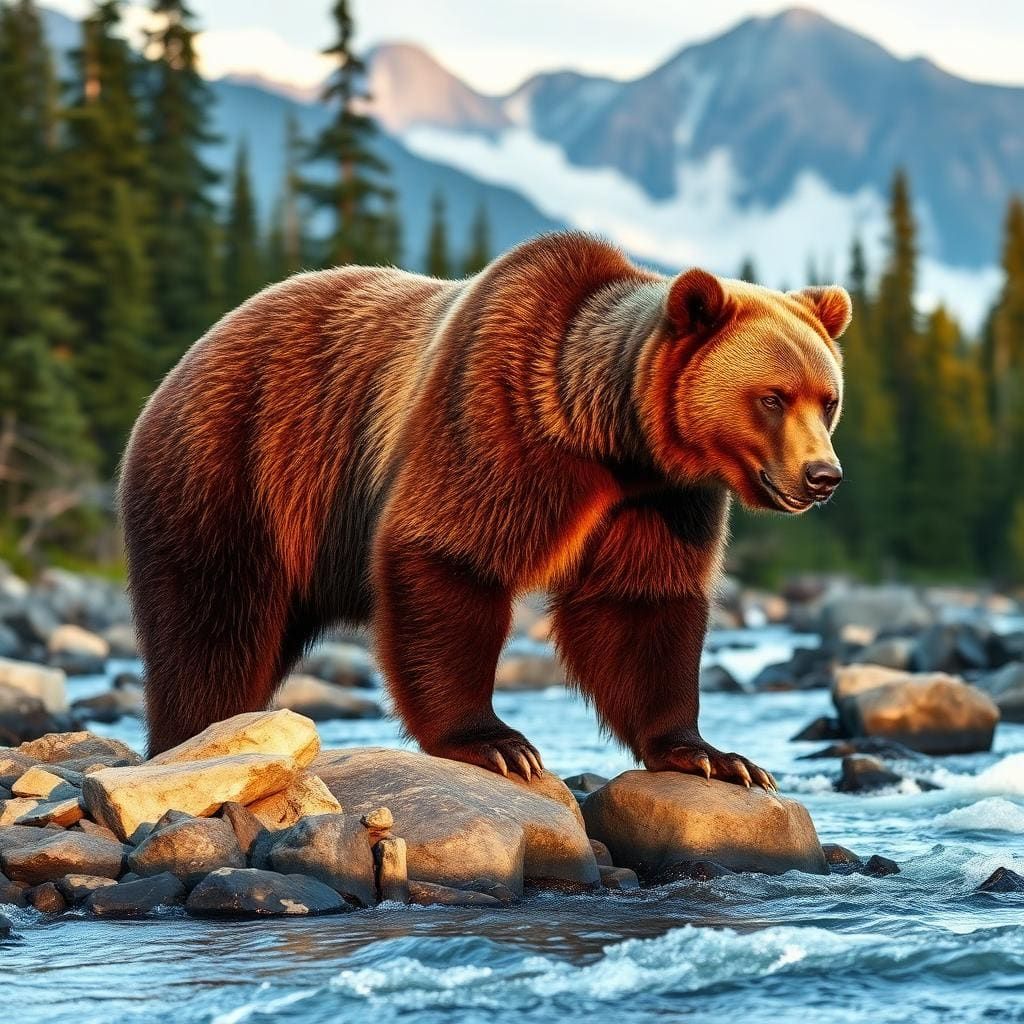
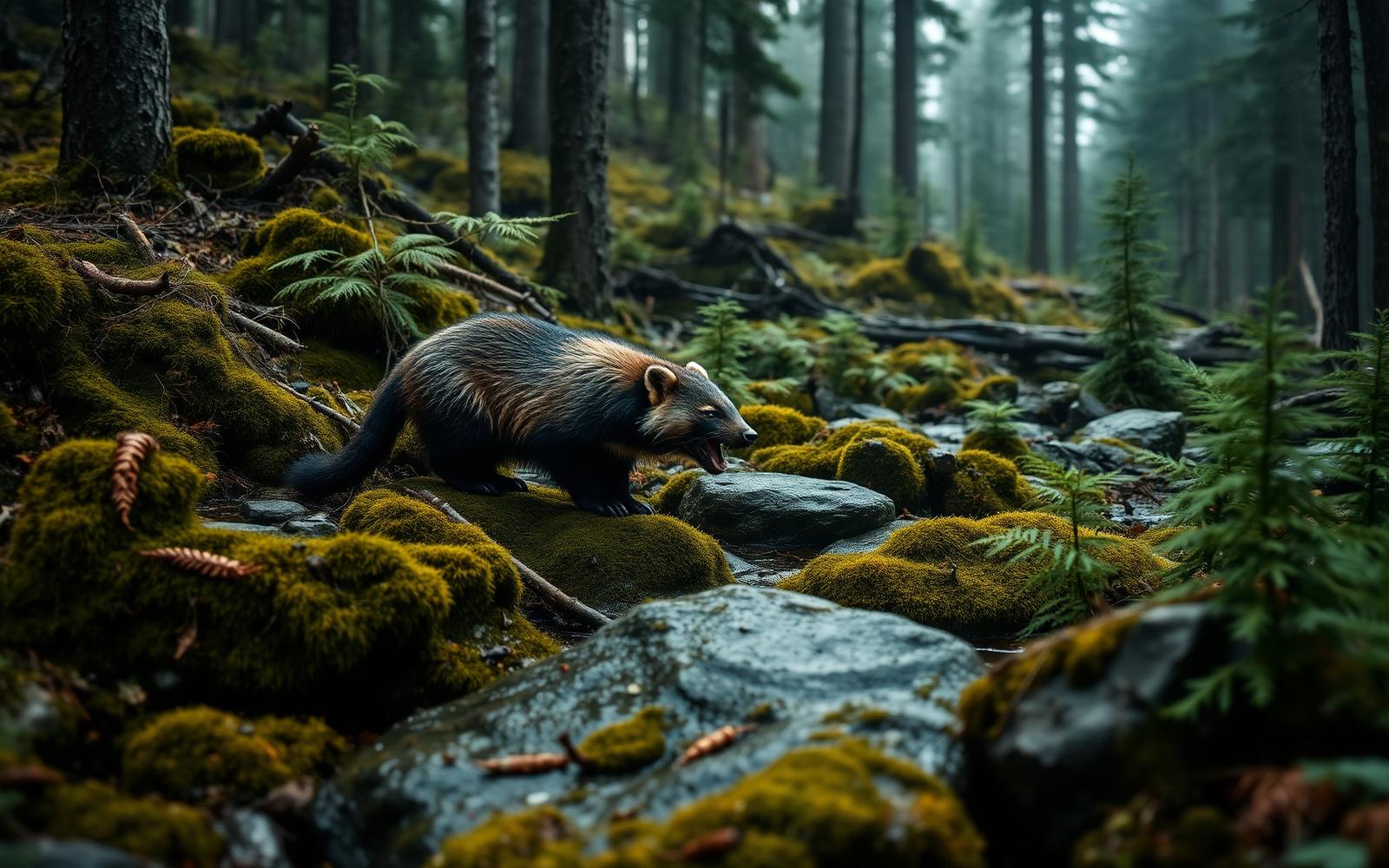
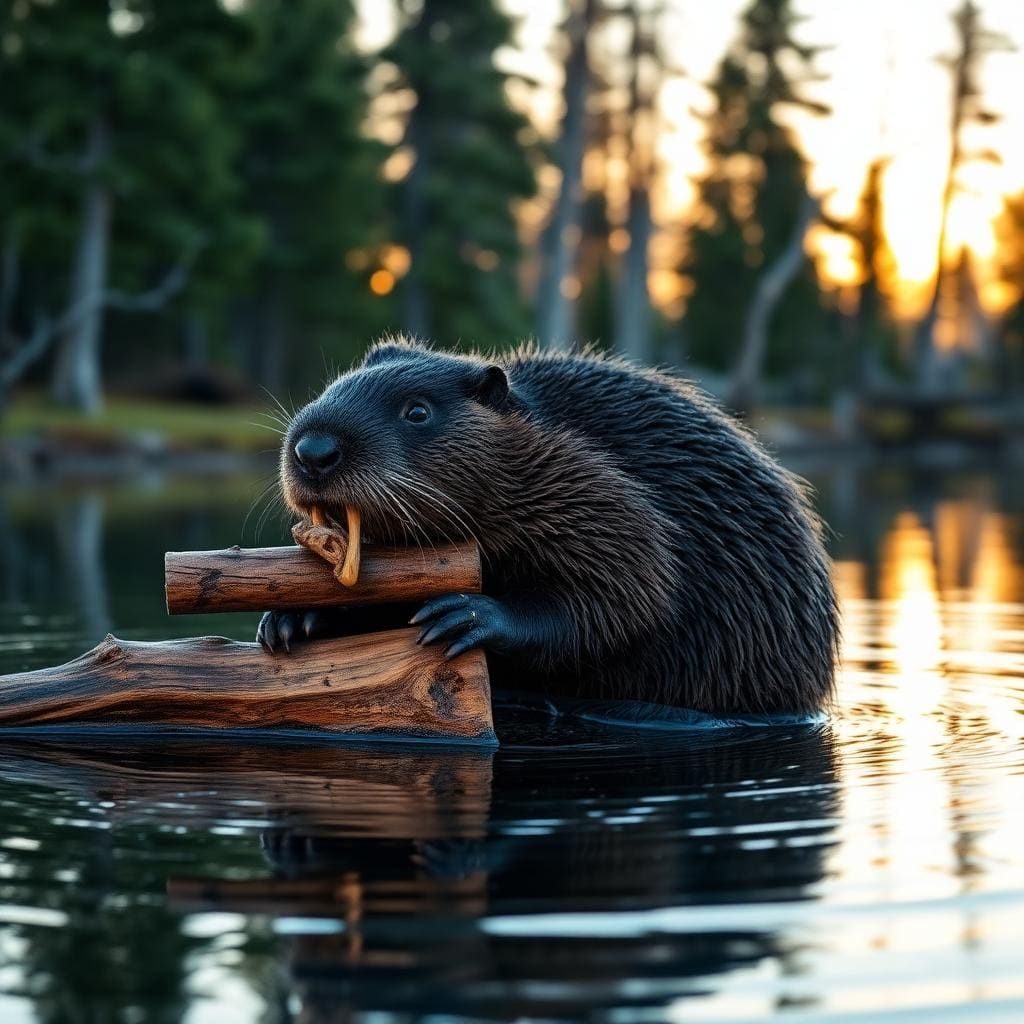
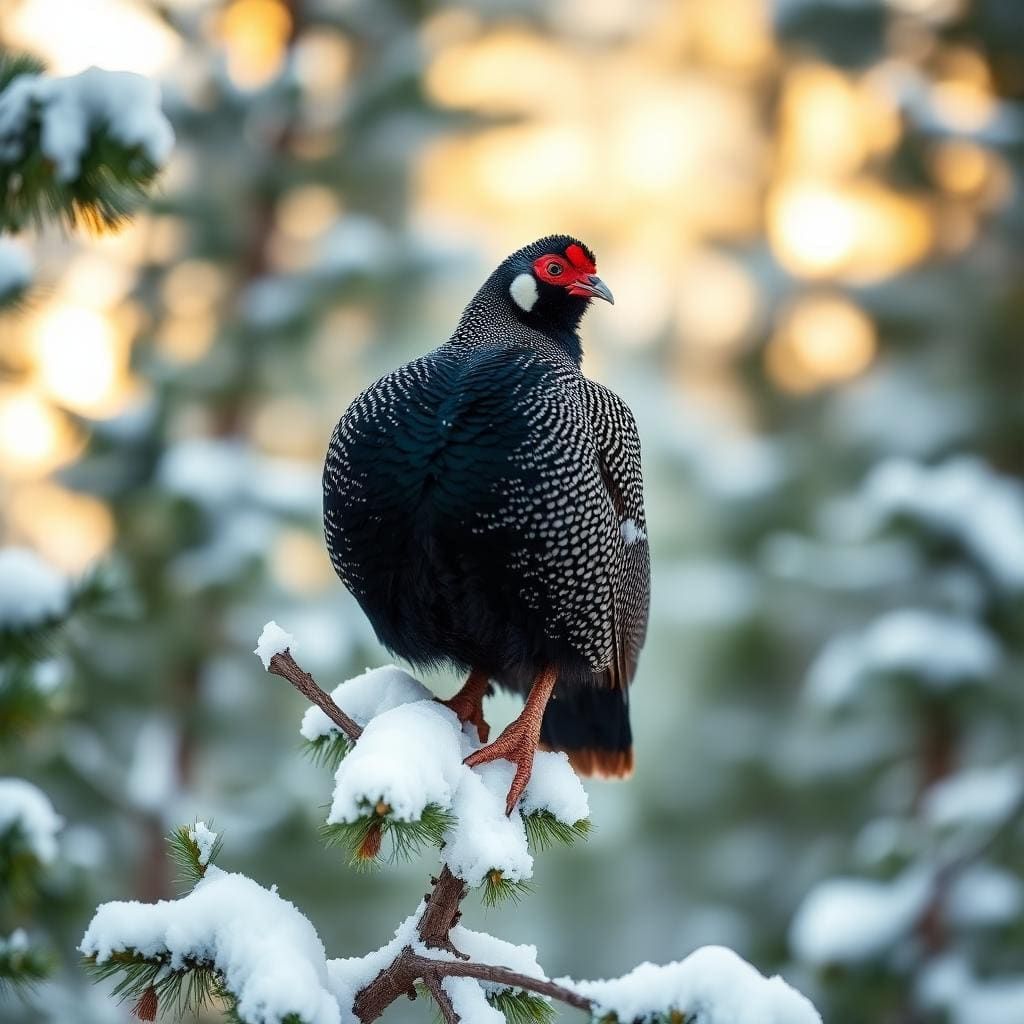
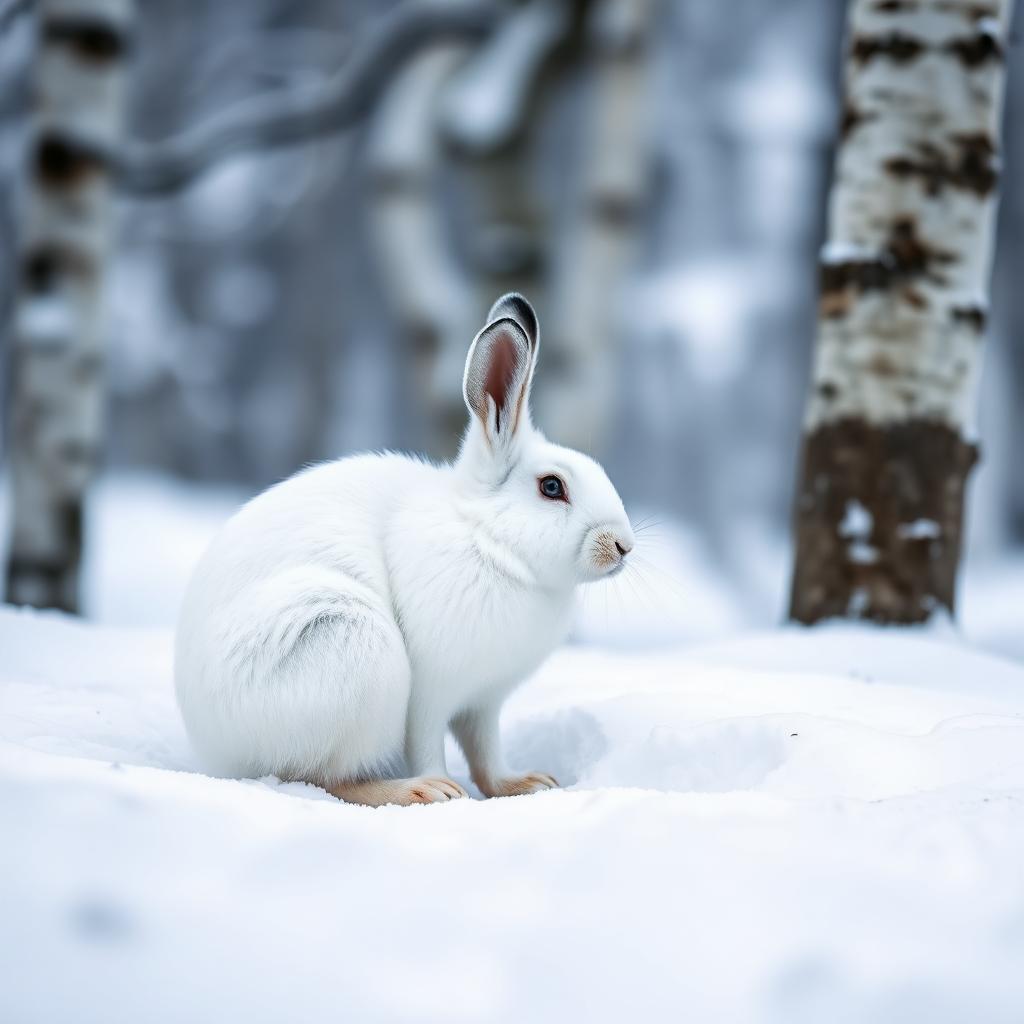
Beyond the target fish, the Skagit ecosystem is rich with wildlife. Bald eagles are a common sight, particularly during the winter salmon runs, often seen perched in towering trees or soaring overhead. Other avian species include various ducks, mergansers, and kingfishers. While less frequently observed, black bears, deer, and cougars inhabit the surrounding forests. The river's path through the North Cascades provides consistently dramatic scenery, with views of ancient forests and imposing peaks. It's an immersive experience that blends serious angling with profound natural beauty, offering more than just the pursuit of fish.
Key Routes & Access
Access to the Skagit is primarily found along Highway 20, which parallels a significant portion of the river. Numerous boat launches facilitate drift boat and powerboat access, which is often essential given the river's size and powerful currents. For wade anglers, notable spots can be found around the towns of Rockport and Marblemount, offering classic runs and pockets. Identifying specific productive spots often requires local knowledge or the assistance of a guide, as the vastness of the river means fish can be widely dispersed. Public access points are generally well-marked, but navigation can be challenging without prior scouting or guidance.
Permits & Regulations
Fishing on the Skagit River requires a valid Washington State fishing license, along with a steelhead endorsement. Regulations are subject to frequent changes, often driven by run size forecasts and conservation efforts, particularly concerning wild steelhead. It is imperative that anglers consult the most current Washington Department of Fish and Wildlife (WDFW) regulations pamphlet or website before fishing. Catch-and-release is common, and specific gear restrictions, such as single-point barbless hooks, are often in effect. Adherence to these rules is not only legally required but also vital for the long-term health of the fishery.
How we picked
We built this ranking from trip reports, agency data, permit records, and our editors' own time on the ground. 10 places made the final cut out of a much longer working list, and each one had to clear the same set of criteria before it earned a spot.
- Quality of the terrain
- Landscape, route variety, and whether the place rewards multiple days rather than one overlook.
- Season and weather windows
- How long the reliable window is, and how badly the shoulder seasons punish a bad forecast.
- Access and permits
- Trailhead logistics, permit odds, quotas, and how much lead time a trip realistically takes.
- Solitude vs. crowding
- How far you have to walk before the place feels like wilderness instead of a queue.
- Wildlife and ecology
- What you can reasonably expect to see, and what you have to plan around.
- Risk and skill required
- Navigation, water crossings, exposure, and rescue distance — stated plainly.
Skagit River — frequently asked questions
- Is Skagit River worth the trip?
- We rank it #8 in PNW Steelhead Rivers. The Skagit River in northwest Washington is one of the state's largest and most iconic rivers, flowing from the North Cascades to Puget Sound. Historically, it was a world-class wild steelhead river, and while runs have faced challenges, it remains a significant destination, particularly for winter steelhead.
- Who is Skagit River best for?
- Best for winter steelhead trips, boat-based angling, experienced angler challenge and pnw wilderness immersion. Standouts: opportunity for large, powerful wild winter steelhead and iconic pacific northwest scenery and wilderness experience.
- What are the drawbacks of Skagit River?
- Wild steelhead runs have faced significant declines, fishing can be tough, Large, powerful river; challenging for inexperienced anglers and Variable water conditions, prone to high turbidity after heavy rains.
- What are the key details for Skagit River?
- Location: Northwest Washington, USA · Primary Target: Wild Winter Steelhead · Peak Season: December - March · Typical Access: Boat, some wade · Terrain: North Cascades foothills to lowland estuary
- Geography and Terrain — what should I know about the Skagit River?
- The Skagit River begins high in the North Cascades, traversing a landscape of rugged mountains, dense coniferous forests, and eventually emptying into the lowlands near Puget Sound. Its upper reaches are characterized by steep gradients and fast currents, while downstream sections broaden, featuring braided channels,…
- Best Season & Weather — what should I know about the Skagit River?
- The definitive season for steelhead on the Skagit is winter, specifically from December through March. During this period, fresh, chrome-bright wild steelhead enter the system.
Where on earth
Satellite imagery flying in from a world view to Skagit River, Washington, United States. Use the + / − buttons, or click the map to zoom with your scroll wheel; drag to pan and pinch to zoom on touch.
Skagit River, Washington · 48.450, -121.600
Wildlife found around Skagit River



Compare side by side
Put the Skagit River against any other pick on this list — specs, price, pros, cons and reader ratings.