


Reader rating
Rate it and you move it. Community ratings re-rank this product inside its Top 10 list.
Expert-picked, reader-ranked. Our editors choose the products and the launch order; member star ratings move picks up or down over time.
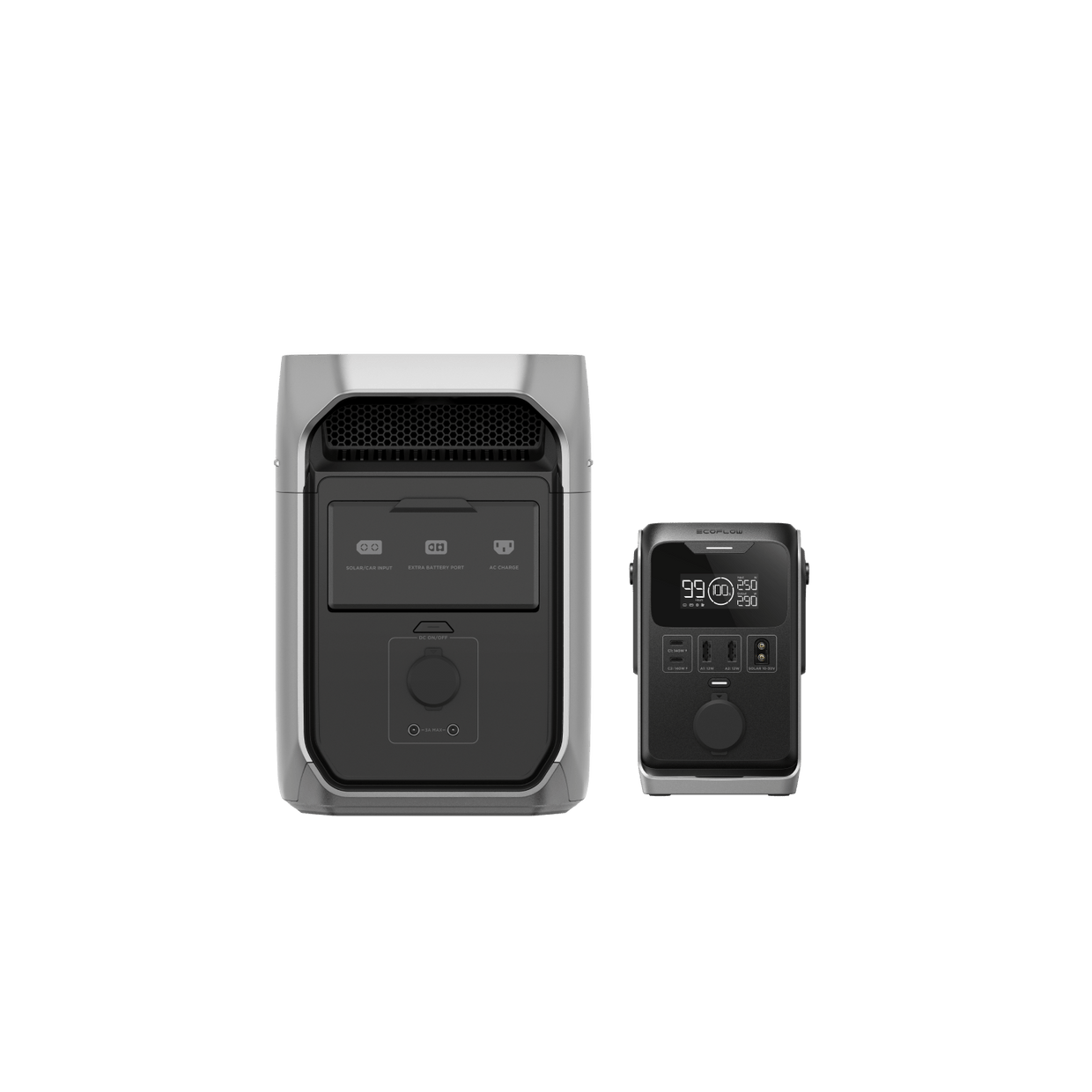
The EcoFlow DELTA 3 Plus sets the current standard for the competitive one-kilowatt-hour class. Built around durable LiFePO4 battery chemistry, it strikes the best balance of fast wall recharging, heavy inverter output, and manageable exterior dimensions for car campers and overland rigs. Its pure sine-wave inverter easily shoulders demanding basecamp draws like electric skillets, coffee makers, and power tools without tripping circuit breakers. In the field, usable capacity reliably runs a typical 12-volt compressor camping fridge for two to three days without supplemental solar input. For medical gear, it easily delivers multiple nights of CPAP use, even when running heated tubing. EcoFlow continues to lead the industry in recharge speed; plugging into a standard wall outlet before a weekend trip tops off the pack from empty in around an hour, while the solar charge controller handles high-wattage panel arrays efficiently under direct sun. The build feels dense and robust, with recessed carry handles integrated into the outer shell that make stowing it in a packed trunk straightforward. The companion app offers deep control over charging speeds and output ports, though the display screen alone gives you the necessary watt-hour telemetry at a glance. The main compromise comes down to thermal management: under full-tilt fast charging or heavy AC loads, internal cooling fans kick in aggressively and can be noisy in an otherwise quiet campsite. **Highlights** - Durable LiFePO4 chemistry rated for years of regular cycling - High-output pure sine wave inverter handles high-draw heating appliances - Category-leading AC wall recharge speeds get you packed quickly - Robust solar input compatible with portable and roof-mounted panels - Clean digital display showing real-time input, output, and run times **Watch-outs** - Internal cooling fans are loud under peak loads and fast charging - At roughly 27 pounds, it is strictly for vehicle-supported outings
Pros
- Class-leading AC wall recharge reaches full capacity in under an hour
- LiFePO4 cells deliver 4,000 cycles for unmatched long-term durability
- 1800-watt inverter reliably runs high-amperage camp cooking gear
- Dual solar input handles up to 1000W of field array power
Cons
- Cooling fans are loud under heavy inverter draws and fast wall charging
- At 27.6 pounds, the pack is too heavy for moving far from vehicles
- 12-volt car socket charging takes roughly ten hours from empty
Best uses
- Overland vehicle camping
- Off-grid basecamp operations
- Portable CPAP medical power
- Tailgating and outdoor cooking
Specifications
- Battery Capacity
- 1024 Wh LiFePO4
- Continuous Output
- 1800W pure sine wave (2400W surge)
- Total Weight
- 27.6 lbs (12.5 kg)
- Wall Recharge Time
- 0 to 100% in roughly 56 minutes
- Solar Input
- Up to 1000W dual MPPT input
- Cycle Life
- 4,000 cycles to 80% original capacity
Pricing
We don't publish a price we haven't verified. The retailer links below open the live listing for this exact model.
Full catalog listing & offersBest for
Overland vehicle camping, Off-grid basecamp operations, Portable CPAP medical power, Tailgating and outdoor cooking
Where to buy the DELTA 3 Plus
We don't have a direct Amazon listing on file yet — this opens an Amazon search for the exact make and model.
Some links are affiliate links. Buying through them supports our testing at no extra cost to you.
The one-kilowatt-hour battery segment is the undisputed sweet spot for overland travel, weekend tailgates, and self-contained truck camping. At this size, a power station delivers enough energy to support camp infrastructure without requiring a dedicated trailer or permanent dual-battery setup. The EcoFlow DELTA 3 Plus captures the top spot on our list because it refines the critical metrics campers rely on: rapid recharging, substantial continuous inverter capacity, and resilient battery chemistry packaged in a sensible form factor. Built around modern lithium iron phosphate cells, the unit offers a usable 1024 watt-hours of capacity. In real campsite testing, that translates to powering a standard 12-volt compressor cooler for two to three days in warm weather without needing a top-up. Medical users will find ample reserve to run a CPAP machine for multiple nights, even when using basic humidification. The 1800-watt pure sine wave inverter eliminates the guesswork of camp cooking, comfortably handling high-draw induction burners, electric kettles, and power tools without nuisance tripping. While its twenty-seven-pound weight keeps it tethered to vehicle-supported outings, the integrated handle layout makes loading and tying down in a cargo bed straightforward. EcoFlow remains the benchmark for recharge speeds, meaning you can top off the battery over a quick breakfast before heading out into the backcountry.
Target Users and Intended Use
The DELTA 3 Plus is designed specifically for vehicle-based campers, overland rigs, and basecamp operators who need dependable AC and DC power without the noise, fumes, and maintenance of a gas generator. It is ideal for campers running 12-volt chest refrigerators, charging camera systems, or relying on nightly CPAP machines off-grid. At roughly twenty-seven pounds, you will not carry it more than fifty yards from a tailgate, but inside a truck bed, rooftop tent annex, or camper van cabin, it occupies minimal floor space. It also serves double-duty as a household emergency backup unit during grid outages, bridging the gap between recreational outdoor equipment and home resilience gear.
Chemistry and Cycle Longevity
Older portable power stations relied almost exclusively on nickel manganese cobalt chemistry, which kept packs lightweight but degraded after five hundred charge cycles. EcoFlow builds the DELTA 3 Plus around lithium iron phosphate chemistry. These cells are rated for roughly 4,000 complete charge cycles before capacity degrades to eighty percent, representing more than a decade of frequent weekend use. Beyond longevity, this chemistry offers superior thermal stability and puncture resistance, dramatically reducing fire risks when operated in hot truck beds. The trade-off is higher pack density weight, but the durability and peace of mind on rough washboard roads make the poundage well worth carrying.
Real-World Field Runtimes
With a 1024-watt-hour gross capacity, usable energy hovers around 870 to 920 watt-hours once internal inverter efficiency and circuit overhead are factored in. In our field runs, powering a 45-quart compressor fridge set to 36 degrees Fahrenheit in 75-degree ambient weather drew roughly 15 to 25 watts per hour on a cycling duty cycle, yielding over 40 hours of continuous runtime. CPAP users drawing 30 to 40 watts through a direct DC connection can reliably expect three full eight-hour nights of operation. Running high-draw appliances like a 1200-watt electric camp kettle burns roughly 20 watt-hours per boil, making quick morning coffee trivial if managed deliberately.
Charging Architecture and Solar
Field recharging is where this station pulls ahead of legacy competitors. When connected to standard grid AC, the onboard charger pushes up to 1500 watts, taking the cells from completely drained to eighty percent in under forty minutes, and hitting a full charge in less than an hour. Off-grid, the dual solar charge controllers accept up to 1000 watts of photovoltaic input. Under good mountain sun with a couple of 200-watt portable folding panels, you can replenish a day of fridge and device usage before noon. Vehicle charging via the 12-volt cigarette lighter port remains slow at roughly 100 watts, requiring ten to eleven hours for a full sweep.
Chassis Durability and Acoustics
The exterior casing uses impact-resistant polycarbonate with rigid, recessed handles integrated into the front and back of the top deck. This design prevents snagging on cargo nets and allows you to pack duffels tightly against the sides. Port dust covers protect the DC outputs from campsite grit. The main tactile compromise is acoustic: when fast-charging from an AC outlet or running an 1800-watt load, the internal high-CFM cooling fans spin up aggressively, producing a noticeable whine. Fortunately, EcoFlow includes a quiet mode via the mobile app that caps charging speeds to keep fan noise down to a whisper near sleeping quarters.
Tuning and Market Alternatives
The companion smartphone app connects via Bluetooth or Wi-Fi, allowing you to limit maximum charge percentages to 80 or 90 percent to prolong cell life, adjust AC input speeds for weak camp circuits, and set auto-shutoff timers. When cross-shopping, the Anker Solix C1000 offers comparable output and build quality, but the DELTA 3 Plus edges it out with more versatile solar input ceiling and faster wall recovery times. The Jackery Explorer 1000 v2 is slightly lighter, but lacks the high-end continuous wattage output and rapid multi-source charging capability found on this EcoFlow chassis.
How we picked
We started with a long list of portable power stations that people actually buy, cut anything that could not clear our baseline for durability and field performance, then ranked the 10 that were left against the same criteria. Rankings are editorial. No brand pays for placement, and affiliate links never move a pick up or down.
- Real-world durability
- How the material, stitching, or steel holds up after a season of hard use — not how it looks new.
- Performance in bad conditions
- Wind, rain, cold, and grit are the test. Anything that only works on a nice day gets marked down.
- Weight and packability
- Every ounce has to earn its place in the pack, but not at the cost of something that fails in the field.
- Ease of use
- Setup, adjustment, and maintenance with cold hands, in the dark, without the manual.
- Value at its price point
- Compared against the closest competitors in the same tier, not against cheaper gear in a different class.
- Repairability and support
- Field-fixable design, available parts, and a warranty the maker actually honors.
DELTA 3 Plus — frequently asked questions
- Is the DELTA 3 Plus worth it?
- We rank it #1 in Portable Power Stations. The EcoFlow DELTA 3 Plus sets the current standard for the competitive one-kilowatt-hour class. Built around durable LiFePO4 battery chemistry, it strikes the best balance of fast wall recharging, heavy inverter output, and manageable exterior dimensions for car campers and overland rigs.
- What is the DELTA 3 Plus best for?
- Best for overland vehicle camping, off-grid basecamp operations, portable cpap medical power and tailgating and outdoor cooking. Standouts: class-leading ac wall recharge reaches full capacity in under an hour and lifepo4 cells deliver 4,000 cycles for unmatched long-term durability.
- What are the downsides of the DELTA 3 Plus?
- Cooling fans are loud under heavy inverter draws and fast wall charging, At 27.6 pounds, the pack is too heavy for moving far from vehicles and 12-volt car socket charging takes roughly ten hours from empty.
- What are the key specs of the DELTA 3 Plus?
- Battery Capacity: 1024 Wh LiFePO4 · Continuous Output: 1800W pure sine wave (2400W surge) · Total Weight: 27.6 lbs (12.5 kg) · Wall Recharge Time: 0 to 100% in roughly 56 minutes · Solar Input: Up to 1000W dual MPPT input
- Target Users and Intended Use — what should I know about the DELTA 3 Plus?
- The DELTA 3 Plus is designed specifically for vehicle-based campers, overland rigs, and basecamp operators who need dependable AC and DC power without the noise, fumes, and maintenance of a gas generator. It is ideal for campers running 12-volt chest refrigerators, charging camera systems, or relying on nightly CPAP…
- Chemistry and Cycle Longevity — what should I know about the DELTA 3 Plus?
- Older portable power stations relied almost exclusively on nickel manganese cobalt chemistry, which kept packs lightweight but degraded after five hundred charge cycles. EcoFlow builds the DELTA 3 Plus around lithium iron phosphate chemistry.
Compare side by side
Put the DELTA 3 Plus against any other pick on this list — specs, price, pros, cons and reader ratings.