



Updated October 2026 · 10 picks re-checked for availability and current spec, reader ratings refreshed live.
The market for portable power stations has shifted decisively over the last two seasons. The older nickel-manganese-cobalt (NMC) chemistries that dominated car camping setups for years are giving way to lithium iron phosphate (LiFePO4, or LFP). While LFP cells carry a modest weight penalty, they deliver thousands of charge cycles instead of hundreds, handle thermal stress better, and sit safely in a hot vehicle without degrading prematurely. If you camp frequently or rely on a battery for seasonal emergencies, LFP is the standard to buy. Matching a station to your camp comes down to balancing usable watt-hours against weight and inverter draw. A compact 250-to-300Wh unit is fine for recharging cameras, headlamps, and phones, or running a 12V CPAP machine for a single night without humidification. Stepping up to the 1,000Wh class unlocks real overland utility: multiple days powering a 12-volt compressor fridge, a weekend of heated CPAP use, or enough AC inverter output to boil water with an electric kettle. At the extreme end, multi-kilowatt-hour units anchor extended basecamps and off-grid trailers, though hauling them demands genuine muscle. To build this ranking, we weighed usable capacity, pure sine-wave inverter headroom, wall and solar input speeds, port layout, and thermal fan noise. A battery that charges in an hour at home is great, but how it accepts variable solar wattage or a 12V car socket on remote forest roads matters far more once you leave pavement.
The short answer

The EcoFlow DELTA 3 Plus sets the current standard for the competitive one-kilowatt-hour class.
Why it wins
The redesigned Goal Zero Yeti 500 brings the brand's rugged basecamp aesthetic into the modern era with upgraded LiFePO4 battery chemistry and…
Why it wins
The Bluetti AC180 is built for campers who prioritize heavy inverter output and durable construction over minimal weight.
Why it winsDeep-dive product reviews
We've published full field-test reports and technical deep-dives for 10 of the picks in this list.
Compare all 10 picks at a glance
Editorial ranking, what each pick is best at, and how we assessed it. Tap a name to jump to the full write-up.
| # | Pick | Best for | Key spec | Evidence |
|---|---|---|---|---|
| 1 | DELTA 3 Plus EcoFlow | Overland vehicle camping | Battery Capacity: 1024 Wh LiFePO4 | Research only |
| 2 | Explorer 1000 v2 Jackery | Weekend Car Camping Trips | Battery Capacity: 1,070Wh LiFePO4 | Research only |
| 3 | AC180 Bluetti | Overland vehicle basecamps | Battery Capacity: 1,152Wh (LiFePO4) | Research only |
| 4 | Yeti 1500X Goal Zero | Overland truck camp builds | Battery Capacity: 1,516Wh (NMC Lithium) | Research only |
| 5 | RIVER 3 Plus EcoFlow | Weekend tent camping | Battery Chemistry: LiFePO4 (3,000+ cycles to 80% capacity) | Research only |
| 6 | Explorer 300 Plus Jackery | Weekend Tent Camping | Battery Type: LiFePO4 (3,000 cycles to 80% capacity) | Research only |
| 7 | SOLIX C1000 Anker | Overland vehicle camping | Battery Capacity: 1,056Wh (expandable to 2,112Wh) | Research only |
| 8 | DELTA Pro 3 EcoFlow | Remote wall tent basecamps | Battery Chemistry: LiFePO4 (4,000+ cycles to 80% capacity) | Research only |
| 9 | Yeti 500 Goal Zero | Overland Vehicle Fridge Support | Battery Capacity: 499Wh LiFePO4 | Research only |
| 10 | Explorer 240 v2 Jackery | Weekend Tent Camping | Battery Chemistry: LiFePO4 (3,000+ cycles to 80% capacity) | Research only |
How we picked
Ranked by Wes Donnelly, Camp Kitchen & Power Editor
We started with a long list of portable power stations that people actually buy, cut anything that could not clear our baseline for durability and field performance, then ranked the 10 that were left against the same criteria. Rankings are editorial. No brand pays for placement, and affiliate links never move a pick up or down.
- Real-world durability
- How the material, stitching, or steel holds up after a season of hard use — not how it looks new.
- Performance in bad conditions
- Wind, rain, cold, and grit are the test. Anything that only works on a nice day gets marked down.
- Weight and packability
- Every ounce has to earn its place in the pack, but not at the cost of something that fails in the field.
- Ease of use
- Setup, adjustment, and maintenance with cold hands, in the dark, without the manual.
- Value at its price point
- Compared against the closest competitors in the same tier, not against cheaper gear in a different class.
- Repairability and support
- Field-fixable design, available parts, and a warranty the maker actually honors.
How often we recheck this: Reviewed on a rolling basis and rechecked at least once a year, or sooner if a pick is discontinued, revised, or beaten by something new.
Best of the Best · Head to Head
DELTA 3 Plus vs Explorer 1000 v2
#1 vs #2 — side-by-side specs, pros & cons, and the final verdict.
Compare any two picks
Build your own side-by-side
Choose any two of these 10 picks and compare specs, price, pros, cons and reader ratings.
Topic summary
Battery power stations for car camping, basecamp, van trips, CPAP use, and power outages, from compact packs to big solar-ready units.
Key takeaways
- #1 DELTA 3 Plus — EcoFlow
- #2 Explorer 1000 v2 — Jackery
- #3 AC180 — Bluetti
- #4 Yeti 1500X — Goal Zero
- #5 RIVER 3 Plus — EcoFlow
- #6 Explorer 300 Plus — Jackery
Intended uses
Gear
Verification notes
Editorial ranked list, 10 entries. Evidence mix — 10 research only. Buy links open the maker or a retailer search. Last reviewed October 2026.
Best portable power stations for a specific job
Skip the ranking — jump to the pick that matches how you actually use it.
- Best for overland vehicle camping
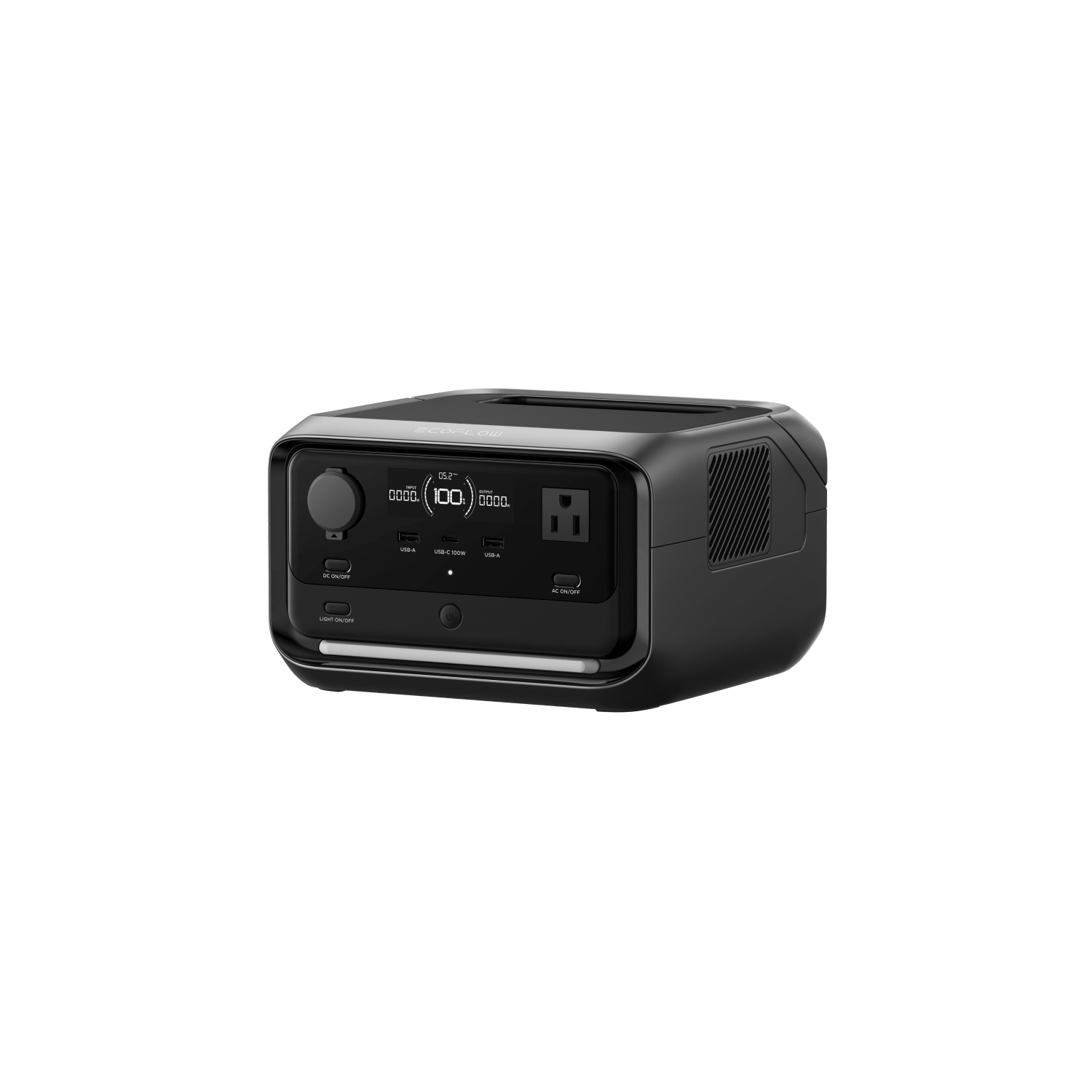
- #1 DELTA 3 Plus — EcoFlowThe EcoFlow DELTA 3 Plus sets the current standard for the competitive one-kilowatt-hour class. Built around durable LiFePO4 battery chemistry, it strikes the best balance of fast wall recharging, heavy inverter output, and manageable exterior dimensions for car campers and overland rigs. Its pure sine-wave inverter easily shoulders demanding basecamp draws like electric skillets, coffee makers, and power tools without tripping circuit breakers. In the field, usable capacity reliably runs a typical 12-volt compressor camping fridge for two to three days without supplemental solar input. For medical gear, it easily delivers multiple nights of CPAP use, even when running heated tubing. EcoFlow continues to lead the industry in recharge speed; plugging into a standard wall outlet before a weekend trip tops off the pack from empty in around an hour, while the solar charge controller handles high-wattage panel arrays efficiently under direct sun. The build feels dense and robust, with recessed carry handles integrated into the outer shell that make stowing it in a packed trunk straightforward. The companion app offers deep control over charging speeds and output ports, though the display screen alone gives you the necessary watt-hour telemetry at a glance. The main compromise comes down to thermal management: under full-tilt fast charging or heavy AC loads, internal cooling fans kick in aggressively and can be noisy in an otherwise quiet campsite. **Highlights** - Durable LiFePO4 chemistry rated for years of regular cycling - High-output pure sine wave inverter handles high-draw heating appliances - Category-leading AC wall recharge speeds get you packed quickly - Robust solar input compatible with portable and roof-mounted panels - Clean digital display showing real-time input, output, and run times **Watch-outs** - Internal cooling fans are loud under peak loads and fast charging - At roughly 27 pounds, it is strictly for vehicle-supported outingsRead the full profile
- Best for weekend car camping trips
- #2 Explorer 1000 v2 — JackeryJackery modernized its workhorse camp station by upgrading the Explorer 1000 v2 to long-life LiFePO4 cells, addressing the lifespan shortcomings of the original version. The redesign retains Jackery's trademark approachable ergonomics, featuring a folding carry handle that collapses completely flat for easier stacking in the back of an SUV. It is aimed squarely at traditional car campers who want dependable plug-and-play power without a steep technical learning curve. With just over 1,000 watt-hours on tap, this unit is an exceptional partner for a camp kitchen. It will easily run a 45-liter 12V fridge for a long weekend while keeping phones, lanterns, and GPS units topped off via front-facing USB-C ports. For CPAP users, running off the regulated 12-volt DC port avoids inverter conversion losses and delivers three to four full nights of humidification-free sleep. Jackery has also improved internal inverter capacity, allowing it to drive medium-draw camp appliances like immersion heaters and blenders. Recharge speeds from a home outlet are drastically faster than the original generation, turning this into a battery you can charge up on Friday afternoon while loading gear. Solar input is competent, though it utilizes proprietary DC connectors that often require adapters if you are not using Jackery's own SolarSaga panels. Fan noise is better controlled than on previous iterations, making it one of the quieter mid-sized stations to keep inside an enclosed camper or vehicle. **Highlights** - Upgraded LiFePO4 battery pack built for thousands of charge cycles - Folding handle design stows flat beneath other camp gear - Straightforward, high-contrast display with physical port toggles - High-wattage USB-C ports eliminate the need for wall bricks - Noticeably quieter cooling fan profile during moderate discharge **Watch-outs** - Solar input uses proprietary DC inputs requiring brand-specific adapters - Car 12V charging is slow, taking a full day of driving to replenish from flatRead the full profile
- Best for overland vehicle basecamps
- #3 AC180 — BluettiThe Bluetti AC180 is built for campers who prioritize heavy inverter output and durable construction over minimal weight. Bluetti fitted this unit with an expansive 1,152Wh LiFePO4 pack and an inverter capable of sustained 1,800-watt output, with a power-lifting mode to handle resistive heating elements up to 2,700 watts. If your camp kitchen relies on induction burners, air fryers, or high-draw electric kettles, the AC180 provides the muscle to run them without flinching. Field performance is solid across the board. The 12V DC car port is fully regulated, meaning a compressor fridge receives steady voltage down to the final percentage of battery life without throwing low-voltage error codes. When powered over DC, a CPAP machine runs effortlessly for multiple nights. Bluetti’s AC fast-charging mode can bring the battery back to 80 percent in roughly 45 minutes, though the silent-charging mode is what you will use in camp to keep the fans whisper-quiet overnight. The chassis is tough, blocky, and clearly engineered for life on tailgates and dirt roads. Rigid molded handles extend from the sides, making two-handed lifts easy, though the wide footprint takes up substantial trunk space. Solar input performance is excellent, accepting wide open-circuit voltage ranges that allow pairing with third-party rigid or folding panels without expensive accessories. **Highlights** - Generous 1,800W continuous AC inverter runs demanding kitchen gear - Long-life LiFePO4 cells handle daily cycling with minimal degradation - Excellent solar input range compatible with generic MC4 panels - Silent charging mode reduces fan noise down to background levels - Stable 12V regulated DC output ideal for overland fridges **Watch-outs** - Heavy chassis weighs over 35 pounds and occupies significant cargo volume - Side-mounted handles prevent the unit from slipping into tight vehicle gapsRead the full profile
- Best for overland truck camp builds
- #4 Yeti 1500X — Goal ZeroGoal Zero built the Yeti 1500X for long-term basecamp duty, off-grid outposts, and hunting cabins where maximum stored energy takes priority over frequent movement. Unlike the newer crop of LFP units, the Yeti 1500X relies on a high-density NMC lithium battery. This choice keeps the overall physical volume smaller for its generous 1,516Wh capacity, but it caps cycle life to roughly 500 complete charges before noticeable degradation sets in. In field use, the Yeti 1500X is an immovable rock. It powers heavy-draw appliances with its 2,000-watt AC inverter, handling table saws at a cabin build or running a full-size camp fridge alongside multiple heated CPAP machines for four or five days. Its 12-volt High Power Port (Anderson Powerpole) provides direct, high-amperage DC power for specialized overland wiring and vehicle setups, an area where standard cigarette-lighter sockets fall short. The trade-offs center around weight, bulk, and recharge times. Weighing around 45 pounds, hoisting it in and out of a truck bed requires real effort. The aluminum roll-cage frame is undeniably durable, but the standard wall charger takes several hours to replenish the pack; getting fast charging requires buying an upgraded external power brick. For fixed basecamps with dedicated solar arrays, however, the Yeti 1500X remains a rugged, field-tested staple. **Highlights** - Massive 1,516Wh capacity for multi-day vehicle camping or cabin use - 2,000W AC pure sine wave inverter powers demanding tools and gear - High-amperage Anderson Powerpole 12V port for professional DC rigs - Bombproof anodized aluminum chassis built for harsh conditions - High energy density keeps the footprint manageable for its capacity **Watch-outs** - Older NMC chemistry provides fewer total charge cycles than LiFePO4 - Heavy 45-pound chassis makes regular relocation difficult - Fast AC wall charging requires an expensive optional power supplyRead the full profile
- Best for weekend tent camping
- #5 RIVER 3 Plus — EcoFlowThe EcoFlow RIVER 3 Plus targets campers who want modern LiFePO4 battery security without lugging a crate-sized box into the woods. Packed into a chassis roughly the size of a lunchbox, this unit offers around 286Wh of capacity—just right for weekend tent trips where your primary needs are keeping headlamps, smartphones, cameras, and drone batteries alive. It brings fast-charging technology down to a format that solo adventurers and weekend couples can easily manage. Despite its compact footprint, the RIVER 3 Plus includes an AC inverter capable of powering standard small electronics, small fans, or low-draw laptop chargers. It can run a basic 12-volt CPAP machine without supplemental heat for a full night, serving as a dependable travel backup for light medical needs. When paired with a portable folding solar panel, it tops off in a few hours of midday sun, making it viable for sustained, minimalist off-grid camping. EcoFlow's signature fast AC charging remains its standout feature: you can take it from empty to full in less than an hour from a wall outlet before heading out the door. The housing is clean and portable, featuring a built-in top handle and a crisp display showing battery percentage and load draw. Naturally, it will not power electric cooktops, space heaters, or full-sized coolers for extended periods, but for low-draw device maintenance, it cuts out dead weight. **Highlights** - Highly packable sub-10-pound chassis perfect for tent camping - Modern LiFePO4 battery architecture ensures long-term cell life - Blazing AC recharge speeds top off the unit in under 60 minutes - High-output USB-C ports charge modern laptops directly without bricks - Simple integrated handle makes carrying and loading effortless **Watch-outs** - Low watt-hour capacity will not sustain a camp fridge beyond a few hours - Limited AC inverter output trips instantly on high-draw heat appliancesRead the full profile
- Best for remote wall tent basecamps
- #8 DELTA Pro 3 — EcoFlowThe EcoFlow DELTA Pro 3 is not an everyday tent-camping battery; it is an industrial-grade basecamp powerhouse built for wall tents, overland rigs, off-grid cabins, and mobile expedition trailers. Packing a massive 4,096Wh LiFePO4 battery and a 4,000-watt AC inverter, it can run an entire multi-person camp simultaneously. It will power air conditioners, large RV refrigerators, induction cooktops, and high-draw shop tools without strain, operating more like a portable microgrid than a camp accessory. In field applications, runtime measurements shift from hours to days or weeks. A standard 12V overland compressor fridge can run for more than a week straight off this unit without any solar input. CPAP machines, even with full humidification and heated tubing turned to max, can run for over a week without needing a recharge. Charging capabilities are equally extreme: it accepts high-wattage solar arrays, plugs into standard RV hookup pedestals, and can even charge at Level 2 EV charging stations with an optional adapter. The obvious constraint is sheer physical mass. Weighing roughly 114 pounds, it is not a unit you hike away from your vehicle. EcoFlow integrated heavy-duty luggage-style rear wheels and a telescoping handle to help roll it across packed dirt, but lifting it into a lifted truck bed demands two capable adults. For users needing massive, quiet power without hauling a noisy gas generator, however, the Pro 3 is unmatched. **Highlights** - Massive 4,096Wh LiFePO4 capacity supports extended multi-day basecamps - Tremendous 4,000W AC output runs virtually any home or RV appliance - Integrated wheels and pull handle ease transport over level terrain - Supports multiple charging sources including solar, wall, and EV stations - Whisper-quiet operation relative to its enormous inverter capacity **Watch-outs** - Enormous 114-pound weight makes vehicle loading a strict two-person job - Physical dimensions consume substantial rear cargo and bed spaceRead the full profile
- Best for overland vehicle fridge support
- #9 Yeti 500 — Goal ZeroThe redesigned Goal Zero Yeti 500 brings the brand's rugged basecamp aesthetic into the modern era with upgraded LiFePO4 battery chemistry and weather-resistant construction. Positioned between minimalist power packs and bulky 1,000Wh units, the Yeti 500 provides 499Wh of capacity and a 500-watt pure sine wave inverter. It is designed for campers who want proven hardware that can survive dirt, dust, and unexpected precipitation at the campsite. Goal Zero constructed this unit to an IPX4 water-resistance rating, meaning rain splashes and morning dew won't short out its internals—a rare feature in a market full of open, vented electronics. In practical terms, the Yeti 500 delivers two solid days of runtime for a high-efficiency 12V camp fridge or roughly two to three nights of unheated CPAP therapy. Output ports are clean and clearly marked, including dual 100W USB-C PD ports that easily charge laptops and camera gear directly. Wall recharging is reasonably quick, and the integrated solar charge controller pairs seamlessly with Goal Zero's Nomad and Boulder solar panels, as well as third-party arrays using standard adapters. With a weight of roughly 15 pounds, it is easy to shift between your truck, tent, and camp table. The trade-off is inverter wattage: at 500 watts, it will trip on blenders, hair dryers, or kettles. It is built strictly for personal electronics and low-draw refrigeration. **Highlights** - Durable LiFePO4 battery with an IPX4 water-resistance rating - Balanced 15-pound weight is easy to move around camp - Dual 100W USB-C ports eliminate bulky laptop power bricks - Regulated 12V port keeps compressor fridges running without dips - Tough anodized styling with protective rubber corner bumpers **Watch-outs** - 500W inverter cannot power any high-draw kitchen or heating gear - Slightly higher price point per watt-hour compared to direct competitorsRead the full profile
- Best for off-grid basecamp operations
- #1 DELTA 3 Plus — EcoFlowThe EcoFlow DELTA 3 Plus sets the current standard for the competitive one-kilowatt-hour class. Built around durable LiFePO4 battery chemistry, it strikes the best balance of fast wall recharging, heavy inverter output, and manageable exterior dimensions for car campers and overland rigs. Its pure sine-wave inverter easily shoulders demanding basecamp draws like electric skillets, coffee makers, and power tools without tripping circuit breakers. In the field, usable capacity reliably runs a typical 12-volt compressor camping fridge for two to three days without supplemental solar input. For medical gear, it easily delivers multiple nights of CPAP use, even when running heated tubing. EcoFlow continues to lead the industry in recharge speed; plugging into a standard wall outlet before a weekend trip tops off the pack from empty in around an hour, while the solar charge controller handles high-wattage panel arrays efficiently under direct sun. The build feels dense and robust, with recessed carry handles integrated into the outer shell that make stowing it in a packed trunk straightforward. The companion app offers deep control over charging speeds and output ports, though the display screen alone gives you the necessary watt-hour telemetry at a glance. The main compromise comes down to thermal management: under full-tilt fast charging or heavy AC loads, internal cooling fans kick in aggressively and can be noisy in an otherwise quiet campsite. **Highlights** - Durable LiFePO4 chemistry rated for years of regular cycling - High-output pure sine wave inverter handles high-draw heating appliances - Category-leading AC wall recharge speeds get you packed quickly - Robust solar input compatible with portable and roof-mounted panels - Clean digital display showing real-time input, output, and run times **Watch-outs** - Internal cooling fans are loud under peak loads and fast charging - At roughly 27 pounds, it is strictly for vehicle-supported outingsRead the full profile
Our editors test the gear, pick the ten, and set the order the day a list publishes. After that, the ranking is live: every member star rating feeds the community order, so picks climb or slide as real owners report back. Editorial judgment decides what earns a spot — you help decide where it sits.
- Editors set the field
Hands-on testing and spec research choose the ten and the published order.
- Readers re-rank it
Your 1–5 star ratings drive the community order on every list.
- Rankings keep moving
Picks rise or fall over time — nothing is frozen at launch day.
Rank this list
Loading community ratings… Ratings re-order the picks — they never change which products make the list.
Sign in to add your own ratings — it's free.
- Pros
- Class-leading AC wall recharge reaches full capacity in under an hour
- LiFePO4 cells deliver 4,000 cycles for unmatched long-term durability
- 1800-watt inverter reliably runs high-amperage camp cooking gear
- Dual solar input handles up to 1000W of field array power
Cons- Cooling fans are loud under heavy inverter draws and fast wall charging
- At 27.6 pounds, the pack is too heavy for moving far from vehicles
- 12-volt car socket charging takes roughly ten hours from empty
Key features- Total Weight
- 27.6 lbs (12.5 kg)
- Battery Capacity
- 1024 Wh LiFePO4
- Continuous Output
- 1800W pure sine wave (2400W surge)
- Wall Recharge Time
- 0 to 100% in roughly 56 minutes
- Solar Input
- Up to 1000W dual MPPT input
- Cycle Life
- 4,000 cycles to 80% original capacity
Best forOverland vehicle camping, Off-grid basecamp operations, Portable CPAP medical power, Tailgating and outdoor cooking
Pros- Class-leading AC wall recharge reaches full capacity in under an hour
- LiFePO4 cells deliver 4,000 cycles for unmatched long-term durability
- 1800-watt inverter reliably runs high-amperage camp cooking gear
- Dual solar input handles up to 1000W of field array power
Cons- Cooling fans are loud under heavy inverter draws and fast wall charging
- At 27.6 pounds, the pack is too heavy for moving far from vehicles
- 12-volt car socket charging takes roughly ten hours from empty
Assessed by Wes Donnelly against our ranking criteria.No ratings yet - Pros
- Durable LiFePO4 chemistry rated for 4,000 cycles to 70 percent capacity
- Fold-down handle creates a flat, stackable surface in packed vehicle trunks
- AC wall charging recharges the pack from empty in about an hour
- Very quiet fan profile during low-draw DC CPAP and 12V fridge operation
Cons- Proprietary DC solar inputs demand specific adapters for third-party panels
- Car 12-volt charging is slow, needing nearly half a day of driving to fill
- Lacks an official IP weather-resistance rating for wet outdoor use
Key features- Unit Weight
- 23.8 lbs (10.8 kg)
- Battery Capacity
- 1,070Wh LiFePO4
- AC Inverter Output
- 1,500W continuous (3,000W surge)
- Wall Recharge Time
- Approximately 1 hour on fast charge
- Solar Input
- 400W max via DC8020 port
- Cycle Life
- 4,000 cycles to 70% capacity
Best forWeekend Car Camping Trips, Off-Grid 12V Fridge Power, Multi-Night CPAP Medical Support, Home Emergency Outage Backup
Pros- Durable LiFePO4 chemistry rated for 4,000 cycles to 70 percent capacity
- Fold-down handle creates a flat, stackable surface in packed vehicle trunks
- AC wall charging recharges the pack from empty in about an hour
- Very quiet fan profile during low-draw DC CPAP and 12V fridge operation
Cons- Proprietary DC solar inputs demand specific adapters for third-party panels
- Car 12-volt charging is slow, needing nearly half a day of driving to fill
- Lacks an official IP weather-resistance rating for wet outdoor use
Assessed by Wes Donnelly against our ranking criteria.No ratings yet - Pros
- Formidable 1,800W inverter runs high-draw inductive kitchen gear without failure.
- Rugged LiFePO4 cells yield over 3,500 charge cycles to 80% original capacity.
- Fast AC replenishment pulls 80% charge in roughly 45 minutes.
- Fully regulated 12V DC output prevents low-voltage fridge compressor errors.
Cons- Hefty 35-pound weight and wide fixed handles make packing in tight vehicles tough.
- Solar input is limited to 10 amps, restricting low-voltage panel arrangements.
- Cooling fans produce noticeable high-frequency noise during max turbo charging.
Key features- Total Weight
- 35.3 lbs (16.0 kg)
- Battery Capacity
- 1,152Wh (LiFePO4)
- Inverter Output
- 1,800W continuous (2,700W power lifting)
- Cycle Durability
- 3,500+ cycles to 80% capacity
- AC Fast Charge
- 0-80% in 45 minutes (1,440W max)
- Solar Input
- 500W max (12-60V DC, 10A)
Best forOverland vehicle basecamps, All-electric camp kitchens, Multi-night off-grid CPAP run, Extended truck camping
Pros- Formidable 1,800W inverter runs high-draw inductive kitchen gear without failure.
- Rugged LiFePO4 cells yield over 3,500 charge cycles to 80% original capacity.
- Fast AC replenishment pulls 80% charge in roughly 45 minutes.
- Fully regulated 12V DC output prevents low-voltage fridge compressor errors.
Cons- Hefty 35-pound weight and wide fixed handles make packing in tight vehicles tough.
- Solar input is limited to 10 amps, restricting low-voltage panel arrangements.
- Cooling fans produce noticeable high-frequency noise during max turbo charging.
Assessed by Wes Donnelly against our ranking criteria.No ratings yet - Pros
- Rugged anodized aluminum roll cage and recessed grab handles
- High-amperage 12V 30A Anderson Powerpole port for overland builds
- 2,000W pure sine inverter easily handles tools and appliances
- Compact physical footprint relative to its 1,516Wh capacity
Cons- 500-cycle NMC chemistry lags behind modern LiFePO4 longevity
- Included 120W wall charger requires roughly 14 hours for a full charge
- Heavy 45.6-pound weight makes solo hand-carrying strenuous
Key features- Total Weight
- 45.6 lbs (20.7 kg)
- Battery Capacity
- 1,516Wh (NMC Lithium)
- AC Inverter
- 2,000W continuous, 3,500W surge (Pure Sine)
- Cycle Life
- 500 cycles to 80% capacity
- Max Solar Input
- 600W (via integrated MPPT controller)
- Stock Wall Charge
- Approx. 14 hours (with included 120W brick)
Best forOverland truck camp builds, Off-grid hunting cabins, Multi-day CPAP basecamping, Mobile field job sites
Pros- Rugged anodized aluminum roll cage and recessed grab handles
- High-amperage 12V 30A Anderson Powerpole port for overland builds
- 2,000W pure sine inverter easily handles tools and appliances
- Compact physical footprint relative to its 1,516Wh capacity
Cons- 500-cycle NMC chemistry lags behind modern LiFePO4 longevity
- Included 120W wall charger requires roughly 14 hours for a full charge
- Heavy 45.6-pound weight makes solo hand-carrying strenuous
Assessed by Wes Donnelly against our ranking criteria.No ratings yet - Pros
- Full AC wall recharge takes roughly 60 minutes for rapid camp departures
- LiFePO4 chemistry delivers 3,000+ cycles for exceptional long-term lifespan
- Compact 10.4-pound footprint packs easily into tight vehicle trunks
- Clean 600W pure sine wave inverter powers demanding small electronics safely
Cons- 286Wh capacity cannot sustain a 12V fridge beyond a single day without solar
- Solar charging input is capped at 110W, limiting speed in partial cloud cover
- Internal cooling fan is distinctly audible under heavy charging and high draw
Key features- Weight
- 10.4 lbs (4.7 kg)
- Storage Capacity
- 286Wh
- Battery Chemistry
- LiFePO4 (3,000+ cycles to 80% capacity)
- Continuous AC Output
- 600W (1200W surge)
- Wall Recharge Time
- 0 to 100% in approximately 60 minutes
- Solar Input Limit
- 110W Max (11-30V, 8A)
Best forWeekend tent camping, Single-night DC CPAP backup, Outdoor photography and drone ops, Mobile vehicle device charging
Pros- Full AC wall recharge takes roughly 60 minutes for rapid camp departures
- LiFePO4 chemistry delivers 3,000+ cycles for exceptional long-term lifespan
- Compact 10.4-pound footprint packs easily into tight vehicle trunks
- Clean 600W pure sine wave inverter powers demanding small electronics safely
Cons- 286Wh capacity cannot sustain a 12V fridge beyond a single day without solar
- Solar charging input is capped at 110W, limiting speed in partial cloud cover
- Internal cooling fan is distinctly audible under heavy charging and high draw
Assessed by Wes Donnelly against our ranking criteria.No ratings yet - Pros
- LiFePO4 battery delivers over 3,000 cycles to 80 percent original capacity
- Flat-folding handle creates an easily stackable profile in packed vehicles
- Bi-directional 100W USB-C port charges laptops without bulky AC adapters
- Exceptionally quiet internal fan operation during sustained charging and discharge
Cons- 300W continuous inverter ceiling prevents the use of any camp cooking gear
- Single AC wall outlet limits simultaneous standard plug-in accessories
- 288Wh capacity is insufficient for multi-day overland refrigeration
Key features- Total Weight
- 8.2 lbs (3.72 kg)
- Usable Capacity
- 288 Watt-hours (Wh)
- Battery Type
- LiFePO4 (3,000 cycles to 80% capacity)
- AC Output
- 300W continuous, 600W peak surge
- AC Wall Charge
- Approximately 2 hours to 100%
- Solar Input
- 100W maximum (12V-27V)
Best forWeekend Tent Camping, Unheated CPAP Field Power, Remote Photography Workflows, Road Trip Electronics Charging
Pros- LiFePO4 battery delivers over 3,000 cycles to 80 percent original capacity
- Flat-folding handle creates an easily stackable profile in packed vehicles
- Bi-directional 100W USB-C port charges laptops without bulky AC adapters
- Exceptionally quiet internal fan operation during sustained charging and discharge
Cons- 300W continuous inverter ceiling prevents the use of any camp cooking gear
- Single AC wall outlet limits simultaneous standard plug-in accessories
- 288Wh capacity is insufficient for multi-day overland refrigeration
Assessed by Wes Donnelly against our ranking criteria.No ratings yet - Pros
- Sub-one-hour AC wall recharge provides rapid turnaround between camping trips.
- LFP battery chemistry delivers more than 3,000 cycles to 80% original capacity.
- Flat-top chassis design easily nests beneath cargo bins in crowded vehicles.
- Inverter sustains 1,800 watts continuously with a 2,400-watt resistive surge mode.
Cons- Cooling fans produce an audible high-pitched hum during high-wattage charging.
- At 28.4 pounds, the dense unit is unwieldy for long single-handed hauls.
- 12V car socket rubber weather flap can be difficult to seat firmly.
Key features- Unit Weight
- 28.4 lbs (12.9 kg)
- Battery Capacity
- 1,056Wh (expandable to 2,112Wh)
- Battery Chemistry
- LiFePO4 (3,000+ cycles to 80% capacity)
- Continuous Output
- 1,800W continuous pure sine (2,400W SurgePad)
- Wall Recharge Time
- 58 minutes (HyperFlash AC input)
- Max Solar Input
- 600W (XT60 connector, 11-60V)
Best forOverland vehicle camping, Off-grid CPAP power, Tailgate basecamp appliances, Home emergency storm backup
Pros- Sub-one-hour AC wall recharge provides rapid turnaround between camping trips.
- LFP battery chemistry delivers more than 3,000 cycles to 80% original capacity.
- Flat-top chassis design easily nests beneath cargo bins in crowded vehicles.
- Inverter sustains 1,800 watts continuously with a 2,400-watt resistive surge mode.
Cons- Cooling fans produce an audible high-pitched hum during high-wattage charging.
- At 28.4 pounds, the dense unit is unwieldy for long single-handed hauls.
- 12V car socket rubber weather flap can be difficult to seat firmly.
Assessed by Wes Donnelly against our ranking criteria.No ratings yet - Pros
- Massive 4,096Wh capacity sustains heavy multi-day basecamp power demands
- 4,000W continuous output effortlessly runs induction stoves and RV AC units
- Dual solar ports accept up to 2,600W for remarkably fast off-grid charging
- LiFePO4 battery chemistry offers over 4,000 cycles to 80% health
Cons- Weighs nearly 114 pounds, demanding two people for vehicle loading
- Substantial external dimensions take up major cargo space in truck beds
- Higher idle inverter draw requires mindful power management when dormant
Key features- Total Weight
- 113.5 lbs (51.5 kg)
- Total Capacity
- 4,096 Wh
- Battery Chemistry
- LiFePO4 (4,000+ cycles to 80% capacity)
- Continuous Output
- 4,000W (Surge 8,000W, 120V/240V split-phase)
- Max Solar Input
- 2,600W (Dual ports: 1,600W high-PV + 1,000W low-PV)
- AC Recharge Time
- Roughly 1.5 to 2 hours from wall outlet
Best forRemote wall tent basecamps, Off-grid expedition trailers, Camper van electrical setups, Emergency home backup power
Pros- Massive 4,096Wh capacity sustains heavy multi-day basecamp power demands
- 4,000W continuous output effortlessly runs induction stoves and RV AC units
- Dual solar ports accept up to 2,600W for remarkably fast off-grid charging
- LiFePO4 battery chemistry offers over 4,000 cycles to 80% health
Cons- Weighs nearly 114 pounds, demanding two people for vehicle loading
- Substantial external dimensions take up major cargo space in truck beds
- Higher idle inverter draw requires mindful power management when dormant
Assessed by Wes Donnelly against our ranking criteria.No ratings yet - Pros
- IPX4 weather-resistant chassis shrugs off rain, morning dew, and dust
- Modern LiFePO4 battery delivers over 4,000 cycles to 80% original capacity
- Dual integrated 100W USB-C PD ports eliminate laptop power bricks
- Regulated 12V DC output reliably powers camp fridges without low-voltage cutoffs
Cons- 500W inverter limit prevents use of coffee makers, skillets, or heaters
- Higher cost per watt-hour than budget-tier portable competitors
- Proprietary 8mm solar input requires adapters for common MC4 panels
Key features- Total Weight
- 15.2 lbs (6.9 kg)
- Battery Capacity
- 499Wh LiFePO4
- Weather Rating
- IPX4 splash and dust resistant
- AC Inverter
- 500W pure sine wave (1,000W surge)
- USB-C Output
- Dual 100W Power Delivery ports
- Cycle Life
- 4,000+ cycles to 80% capacity
Best forOverland Vehicle Fridge Support, Off-Grid CPAP Therapy, Remote Photography Field Stations, All-Weather Tent Camping
Pros- IPX4 weather-resistant chassis shrugs off rain, morning dew, and dust
- Modern LiFePO4 battery delivers over 4,000 cycles to 80% original capacity
- Dual integrated 100W USB-C PD ports eliminate laptop power bricks
- Regulated 12V DC output reliably powers camp fridges without low-voltage cutoffs
Cons- 500W inverter limit prevents use of coffee makers, skillets, or heaters
- Higher cost per watt-hour than budget-tier portable competitors
- Proprietary 8mm solar input requires adapters for common MC4 panels
Assessed by Wes Donnelly against our ranking criteria.No ratings yet - Pros
- Long-life LiFePO4 chemistry provides over 3,000 cycles to 80% capacity.
- Lightweight 7.9-pound build is easy to carry and store in tight trunks.
- Fast 100W USB-C port charges modern laptops without bulky AC adapters.
- Wall recharge from flat to full takes under two hours with no heavy power brick.
Cons- 256Wh capacity cannot run 12V camp fridges for more than a few hours.
- Fixed top handle prevents stacking other gear bins on top of the unit.
- 300W continuous inverter ceiling cannot power electric cooking appliances.
Key features- Unit Weight
- 7.9 lbs (3.6 kg)
- Battery Capacity
- 256Wh
- Battery Chemistry
- LiFePO4 (3,000+ cycles to 80% capacity)
- Continuous Output
- 300W (600W peak surge)
- AC Recharge Time
- 1.7 to 2 hours via standard wall outlet
- Solar Input
- 100W maximum (MPPT controller, 12-27V)
Best forWeekend Tent Camping, Single-Night 12V CPAP Backup, Mobile Field Work, Emergency Storm Kits
Pros- Long-life LiFePO4 chemistry provides over 3,000 cycles to 80% capacity.
- Lightweight 7.9-pound build is easy to carry and store in tight trunks.
- Fast 100W USB-C port charges modern laptops without bulky AC adapters.
- Wall recharge from flat to full takes under two hours with no heavy power brick.
Cons- 256Wh capacity cannot run 12V camp fridges for more than a few hours.
- Fixed top handle prevents stacking other gear bins on top of the unit.
- 300W continuous inverter ceiling cannot power electric cooking appliances.
Assessed by Wes Donnelly against our ranking criteria.No ratings yet




Award picks
The ranking above is price-blind and judged on merit. These awards call out the pick we'd hand a specific person with a specific need.
Best Overall: DELTA 3 Plus — EcoFlow
The EcoFlow DELTA 3 Plus sets the current standard for the competitive one-kilowatt-hour class.
Ranked #1Runner-Up: Explorer 1000 v2 — Jackery
Jackery modernized its workhorse camp station by upgrading the Explorer 1000 v2 to long-life LiFePO4 cells, addressing the lifespan shortcomings of the original version.
Ranked #2Best Value: Yeti 500 — Goal Zero
The redesigned Goal Zero Yeti 500 brings the brand's rugged basecamp aesthetic into the modern era with upgraded LiFePO4 battery chemistry and weather-resistant construction.
Ranked #9Best Ultralight Pick: RIVER 3 Plus — EcoFlow
The EcoFlow RIVER 3 Plus targets campers who want modern LiFePO4 battery security without lugging a crate-sized box into the woods.
Ranked #5Best for Rough Use: AC180 — Bluetti
The Bluetti AC180 is built for campers who prioritize heavy inverter output and durable construction over minimal weight.
Ranked #3Best for Beginners: Explorer 300 Plus — Jackery
Jackery’s Explorer 300 Plus is a purpose-built weekend battery designed for car campers, van lifers, and tailgaters who want simple, reliable low-draw power.
Ranked #6For the majority of car campers, mid-capacity LiFePO4 power stations like the EcoFlow DELTA 3 Plus and Jackery Explorer 1000 v2 hit the sweet spot of capacity, recharge speed, and transportable weight. Solo weekenders should look down to compact options like the EcoFlow RIVER 3 Plus or Jackery 300 Plus, while long-stay overland camps and mobile trades are best served by heavy-duty powerhouses like the Bluetti AC180 or the massive EcoFlow DELTA Pro 3.
How to choose portable power stations
Every pick on this page was judged against the same criteria. If you want the short answer, DELTA 3 Plus by EcoFlow is the one we point most people at. If you want to decide for yourself, here is what actually separates a good portable power station from an expensive one.
Real-world durability
How the material, stitching, or steel holds up after a season of hard use — not how it looks new.
Performance in bad conditions
Wind, rain, cold, and grit are the test. Anything that only works on a nice day gets marked down.
Weight and packability
Every ounce has to earn its place in the pack, but not at the cost of something that fails in the field.
Ease of use
Setup, adjustment, and maintenance with cold hands, in the dark, without the manual.
Value at its price point
Compared against the closest competitors in the same tier, not against cheaper gear in a different class.
Repairability and support
Field-fixable design, available parts, and a warranty the maker actually honors.
Match the pick to your use
The right portable power stations depends on what you are actually doing with it: Overland vehicle camping; Off-grid basecamp operations; Portable CPAP medical power; Tailgating and outdoor cooking; Weekend Car Camping Trips; Off-Grid 12V Fridge Power. Start from the use case, then work down the ranking until you hit the first pick that covers it.
Common mistakes
- Buying the lightest portable power stations you can find and discovering it cannot take a season of hard use.
- Paying for a specialist feature you will use once a year instead of the versatile option.
- Comparing headline specs across tiers instead of within the same class.
- Skipping fit, sizing, or adjustment checks that decide whether you actually carry it.
Frequently asked questions
- What is the best portable power stations in 2026?
- DELTA 3 Plus by EcoFlow takes the top spot. The EcoFlow DELTA 3 Plus sets the current standard for the competitive one-kilowatt-hour class.
- How did The Wild10 choose and rank these portable power stations?
- We judged every pick against the same criteria — real-world durability, performance in bad conditions, weight and packability, ease of use — and ranked them on merit regardless of price. Battery power stations for car camping, basecamp, van trips, CPAP use, and power outages, from compact packs to big solar-ready units.
- What is the best budget portable power stations?
- Yeti 500 by Goal Zero — The redesigned Goal Zero Yeti 500 brings the brand's rugged basecamp aesthetic into the modern era with upgraded LiFePO4 battery chemistry and weather-resistant construction.
- DELTA 3 Plus vs Explorer 1000 v2 — which should I pick?
- DELTA 3 Plus ranks first: The EcoFlow DELTA 3 Plus sets the current standard for the competitive one-kilowatt-hour class. Explorer 1000 v2 is the close second: Jackery modernized its workhorse camp station by upgrading the Explorer 1000 v2 to long-life LiFePO4 cells, addressing the lifespan shortcomings of the… Our full head-to-head compares them side by side.
- How often is this list updated?
- We review this ranking on a rolling basis and update it whenever a pick is discontinued, meaningfully revised, or beaten by something new. Rankings are editorial — brands do not see them before publication and affiliate links never change the order.
Get The Field List
One short, honest email a week: gear we actually trust, planning guides, and survival-TV coverage. Free, unsubscribe anytime.