



Reader rating
Rate it and you move it. Community ratings re-rank this product inside its Top 10 list.
Expert-picked, reader-ranked. Our editors choose the products and the launch order; member star ratings move picks up or down over time.
Dry season comfort: birds, alligators, and glassy water.
Pros
- Drastic drop in mosquitoes and humidity compared to the brutal summer months
- High wildlife density as drying sloughs concentrate alligators and wading birds
- Paddling routes featuring unique open-water chickee platform camping
- Milder winter temperatures ideal for multi-day human-powered expeditions
Cons
- Wilderness chickee permits book out almost immediately upon release
- Persistent no-see-ums and midges along wind-sheltered mangrove shorelines
- Zero freshwater sources in the coastal backcountry require carrying all supplies
Best uses
- Multi-day sea kayak expeditions
- Winter wildlife photography
- Canoe chickee camping
- Day-hiking elevated marsh boardwalks
Specifications
- Location
- Southern Florida
- Total Area
- 1,508,976 acres
- Park Entrances
- Homestead, Shark Valley, Everglades City
- Best Window
- December through March
- Backcountry Shelters
- Elevated wooden chickees, beach sites, ground sites
- Backcountry Permits
- Recreation.gov rolling reservation system
Best for
Multi-day sea kayak expeditions, Winter wildlife photography, Canoe chickee camping, Day-hiking elevated marsh boardwalks
December marks the annual turning point for the Everglades, transforming a swamp that spends half the year as an impenetrable, bug-choked sauna into one of the country's finest winter wilderness destinations. As subtropical rains subside, water levels drop across the wider sawgrass prairie. This drawdown forces fish, amphibians, and reptiles into permanent deep-water sloughs, effectively setting an expansive buffet for resident and migratory wading birds, alligators, and coastal raptors. The park's massive 1.5-million-acre footprint spans distinct ecosystems, ranging from freshwater marl prairies and cypress domes down to tangled red mangrove estuaries and the shallow marine flats of Florida Bay. Exploring it requires shifting between three main access points: Shark Valley off the Tamiami Trail, the Gulf Coast gateway in Everglades City, and the main park road running from Homestead south to Flamingo at the tip of the peninsula. Water defines every trip here. Whether you are running long paddle sections of the 99-mile Wilderness Waterway or scanning marsh edges from elevated boardwalks, conditions in December feature crisp mornings, moderate afternoon temperatures, and glassy waters. The catch is that you will not be alone. Human visitors arrive in force alongside the winter bird flocks, meaning prime frontcountry parking fills by mid-morning and wilderness chickee campsites must be locked down well in advance.
Terrain and Waterways
The Everglades is not a stagnant swamp; it is an exceedingly slow, fifty-mile-wide river sliding over limestone bedrock toward the Gulf of Mexico. Travel across the interior follows narrow channels cut through abrasive sawgrass, broken only by slightly elevated hardwood hammocks and teardrop-shaped tree islands. Toward the coast, freshwater gives way to dense mangrove forests where root systems form natural seawalls. Navigating these brackish transition zones means contending with tide shifts, narrow tidal creeks, and oyster bars that can chew up boat hulls and paddle blades. On Florida Bay, shallow flats dominate, requiring paddlers and shallow-draft skiffs to read the water carefully to avoid grounding on soft carbonate mud banks during low tides.
The December Weather Window
Winter brings the official dry season, bringing daily highs in the mid-seventies and overnight lows that frequently dip into the fifties. High humidity breaks, and the relentless afternoon thunderstorms that define the Florida summer cease almost completely. Most critically for human comfort, the falling water and cooler nights drastically suppress the notorious mosquito populations that render the backcountry uninhabitable from May through October. Occasional northern cold fronts sweep through the peninsula in December, dropping air temperatures into the forties and generating choppy winds across open water, but these fronts typically pass within forty-eight hours, leaving behind clear skies, calm surfaces, and exceptional visibility.
Wildlife Concentrations
Wildlife viewing reaches its annual peak as surface water shrinks across the sawgrass river. At sites like the Anhinga Trail and the Shark Valley borrow ditch, American alligators congregate by the dozen along canal edges, soaking up morning sun just feet from the asphalt. December also brings hundreds of thousands of migratory waterfowl to mix with year-round populations of roseate spoonbills, wood storks, tricolored herons, and white ibis. In the brackish waterways around Flamingo and Whitewater Bay, the Everglades serves as the only place on Earth where alligators and American crocodiles coexist in the same water. West Indian manatees also frequent the marina basins and protected coastal bays to escape cooler offshore currents.
Paddling and Backcountry Chickees
Multi-day water touring is the premier way to experience the park interior. The Wilderness Waterway stretches 99 miles through mangrove wilderness from Everglades City to Flamingo, demanding strong navigation skills and stamina against coastal tides. Camping options along this route include shell beaches, low-lying ground sites, and chickees—elevated wooden platforms built on pilings directly over open water with attached self-contained toilets. Sleeping on a chickee suspended above a black mangrove creek is a bucket-list wilderness experience, but it requires freestanding tents, extra cam straps to secure your shelter against squalls, and total self-sufficiency, as there is zero freshwater or cell service along the route.
Permits and Frontcountry Realities
Wilderness permits are mandatory for all backcountry overnight stays and must be reserved through Recreation.gov on a rolling window. Prime chickee platforms along popular routes book out within seconds of release for December dates, requiring flexibility in your trip itinerary. If you are staying in the frontcountry, developed campgrounds at Long Pine Key and Flamingo accommodate tents and RVs, but reservations are similarly competitive. Frontcountry boardwalk trails, especially near Royal Palm and Shark Valley, see heavy foot traffic from tour buses and winter travelers, meaning you will need early starts at dawn to experience these areas without crowds.
Field Hazards and Practical Trade-offs
While December subdues the worst of the mosquitoes, coastal no-see-ums and biting midges remain aggressive, especially around mangrove shorelines at dawn and dusk. Standard bug spray does little against them; fine-mesh head nets and windbreakers are mandatory field gear. Water depth is another constant hazard for backcountry travelers. Shallow mudflats can strand watercraft for hours waiting on incoming tides, and getting out of a canoe to push through thigh-deep marl mud is exhausting and risky. Fresh water must be completely carried in; you cannot filter the brackish, tannin-soaked water of the coastal backcountry, meaning your craft must accommodate a gallon of drinking water per person per day.
How we picked
We built this ranking from trip reports, agency data, permit records, and our editors' own time on the ground. 10 places made the final cut out of a much longer working list, and each one had to clear the same set of criteria before it earned a spot.
- Quality of the terrain
- Landscape, route variety, and whether the place rewards multiple days rather than one overlook.
- Season and weather windows
- How long the reliable window is, and how badly the shoulder seasons punish a bad forecast.
- Access and permits
- Trailhead logistics, permit odds, quotas, and how much lead time a trip realistically takes.
- Solitude vs. crowding
- How far you have to walk before the place feels like wilderness instead of a queue.
- Wildlife and ecology
- What you can reasonably expect to see, and what you have to plan around.
- Risk and skill required
- Navigation, water crossings, exposure, and rescue distance — stated plainly.
Everglades National Park — frequently asked questions
- Is Everglades National Park worth the trip?
- We rank it #2 in US Destinations in December. Dry season comfort: birds, alligators, and glassy water.
- Who is Everglades National Park best for?
- Best for multi-day sea kayak expeditions, winter wildlife photography, canoe chickee camping and day-hiking elevated marsh boardwalks. Standouts: drastic drop in mosquitoes and humidity compared to the brutal summer months and high wildlife density as drying sloughs concentrate alligators and wading birds.
- What are the drawbacks of Everglades National Park?
- Wilderness chickee permits book out almost immediately upon release, Persistent no-see-ums and midges along wind-sheltered mangrove shorelines and Zero freshwater sources in the coastal backcountry require carrying all supplies.
- What are the key details for Everglades National Park?
- Location: Southern Florida · Total Area: 1,508,976 acres · Park Entrances: Homestead, Shark Valley, Everglades City · Best Window: December through March · Backcountry Shelters: Elevated wooden chickees, beach sites, ground sites
- Terrain and Waterways — what should I know about the Everglades National Park?
- The Everglades is not a stagnant swamp; it is an exceedingly slow, fifty-mile-wide river sliding over limestone bedrock toward the Gulf of Mexico. Travel across the interior follows narrow channels cut through abrasive sawgrass, broken only by slightly elevated hardwood hammocks and teardrop-shaped tree islands.
- The December Weather Window — what should I know about the Everglades National Park?
- Winter brings the official dry season, bringing daily highs in the mid-seventies and overnight lows that frequently dip into the fifties. High humidity breaks, and the relentless afternoon thunderstorms that define the Florida summer cease almost completely.
Where on earth
Satellite imagery flying in from a world view to Everglades National Park, Florida, United States. Use the + / − buttons, or click the map to zoom with your scroll wheel; drag to pan and pinch to zoom on touch.
Everglades National Park, Florida, USA · 25.287, -80.899
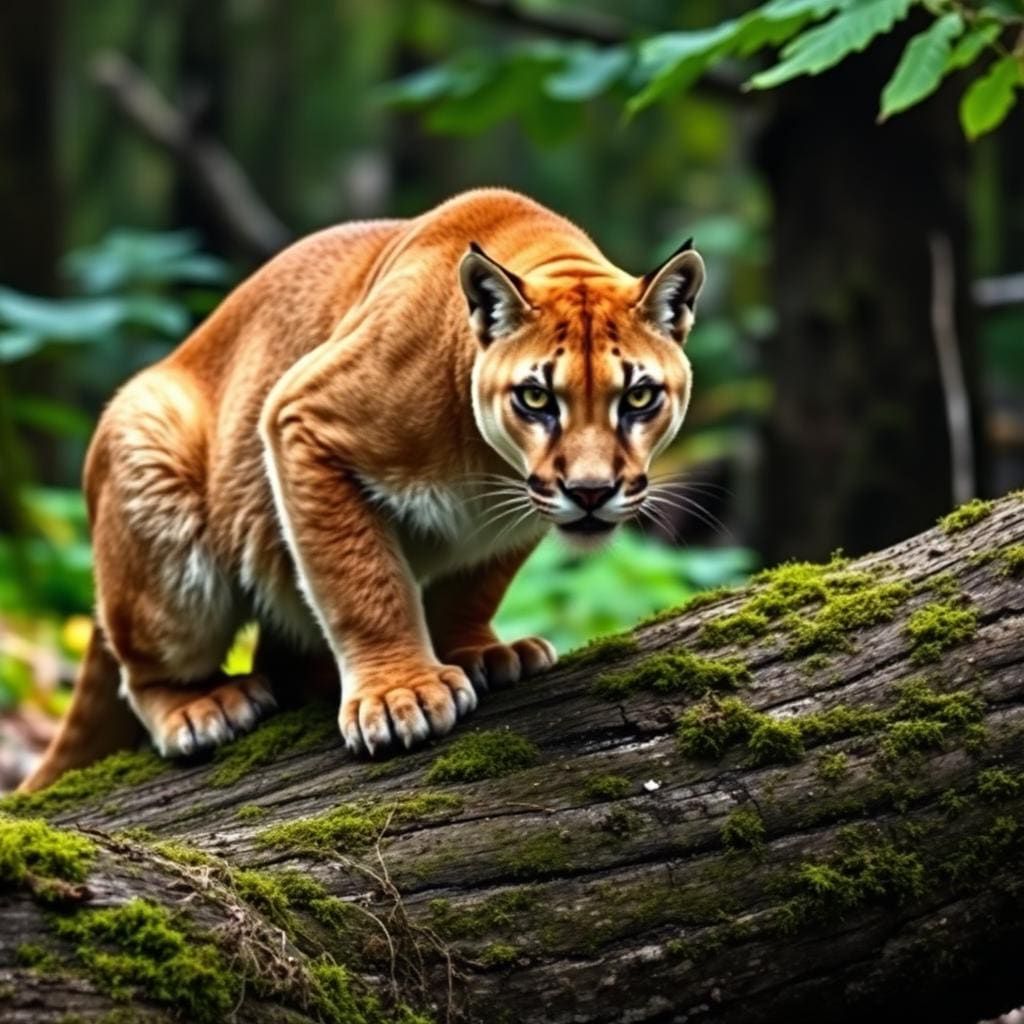
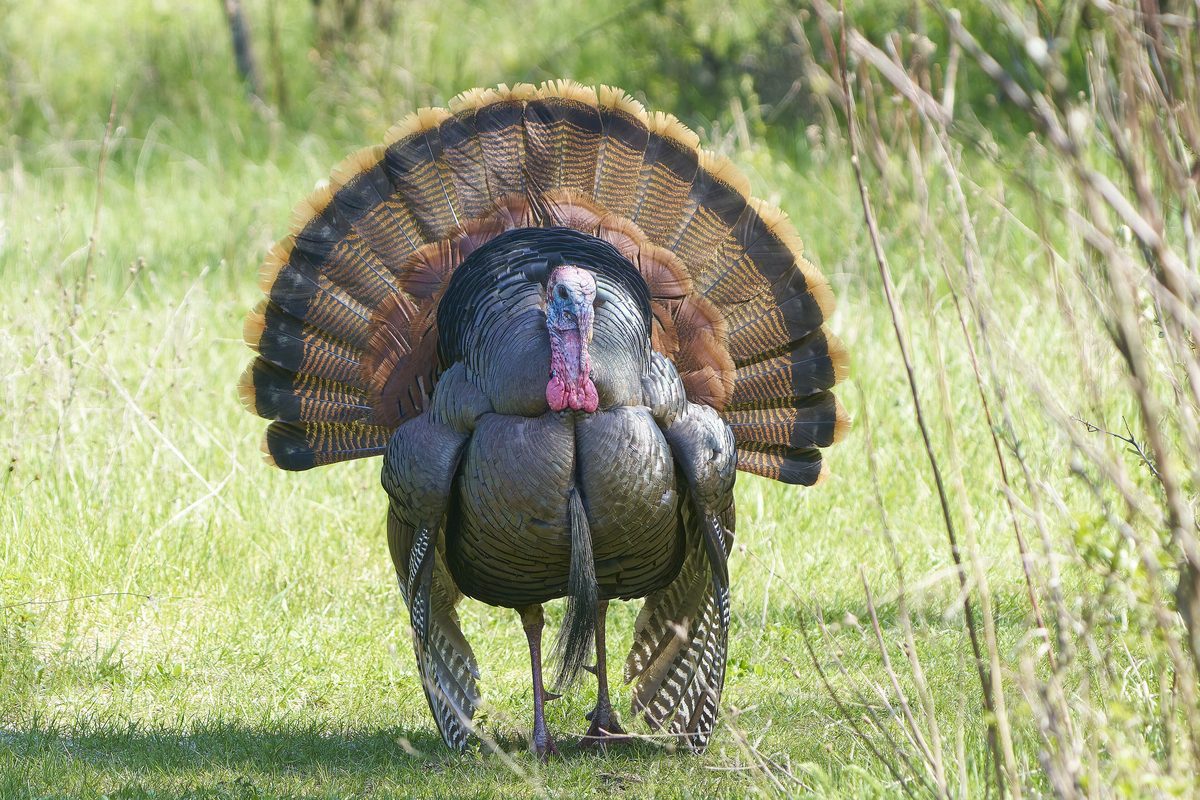
Wildlife found around Everglades National Park

Compare side by side
Put the Everglades National Park against any other pick on this list — specs, price, pros, cons and reader ratings.