



Reader rating
Rate it and you move it. Community ratings re-rank this product inside its Top 10 list.
Expert-picked, reader-ranked. Our editors choose the products and the launch order; member star ratings move picks up or down over time.
Mild days for the Chisos and canyons; cold, starry nights.
Pros
- Mild daytime temperatures ideal for rigorous low-elevation desert trekking
- Gold-tier dark sky status delivers exceptional winter stargazing
- Diverse geography spanning river canyons to isolated mountain summits
- Drastic reduction in venomous snake activity compared to summer months
Cons
- Peak holiday crowds strain parking at high-demand trailheads
- Severe day-to-night temperature drops catch unprepared campers off guard
- Extensive driving distances between major sectors burn significant travel time
Best uses
- Winter desert backpacking
- High-altitude ridge trekking
- Night sky astrophotography
- Rugged backcountry overland touring
Specifications
- Terrain
- Chihuahuan Desert, river canyons, alpine peaks
- December Highs
- 60°F to 70°F at low elevations; cooler in high basin
- December Lows
- 32°F to 42°F; mountain freezes common
- Access Gateways
- Alpine, Marathon, or Study Butte, Texas
- Sky Quality
- International Dark Sky Park (Gold Tier)
- Total Area
- Over 800,000 protected acres
Best for
Winter desert backpacking, High-altitude ridge trekking, Night sky astrophotography, Rugged backcountry overland touring
Tucked deep into the bend of West Texas where the Rio Grande carves a massive border arc, this remote expanse marries scorched Chihuahuan scrub with the steep, sky-island ramparts of the Chisos Mountains. By December, the oppressive summer furnace has long broken. What takes its place is high desert clarity: brilliant sunshine, thin mountain air, and some of the quietest wilderness remaining in the lower forty-eight. Winter conditions transform routes that are life-threatening in June into prime trekking territory. Daytime temperatures along the desert floor and river corridors routinely settle into the crisp sixties, perfect for chewing up long miles without carrying gallons of survival water. When darkness drops, however, the dry atmosphere sheds heat immediately. Nighttime numbers regularly touch freezing, requiring cold-weather backcountry systems even while cacti line the trail.
Topography and Elevation Shifts
The landscape breaks into three distinct zones that dictate gear selection and route pacing. Along the southern boundary, the Rio Grande slices through sheer limestone walls at Santa Elena, Mariscal, and Boquillas canyons, creating shaded river corridors framed by towering vertical rock. Moving inland, the vast desert flats roll across creosote, lechuguilla, and ocotillo plains broken by dry arroyos and volcanic dykes. Rising abruptly from this gravelly basin floor are the Chisos Mountains, a rugged volcanic cluster topping out above 7,800 feet at Emory Peak. This massive vertical relief means hikers can stand in alpine oak and piñon pine forests, look down at sprawling desert washes thousands of feet below, and transition across multiple biological zones in a single four-hour push.
December Weather Windows
Winter brings the most stable hiking conditions of the year, but wide diurnal swings demand versatile clothing layers. Midday canyon walks feel warm and comfortable under relentless sun, yet radiant heat bleeds into the vacuum of space immediately after twilight. Nightly drops of thirty to forty degrees are routine, sending mountain basins below freezing while river bars stay slightly milder. Passing cold fronts can deliver biting northern winds, sudden chill factors, and the occasional dusting of rime ice or snow across the higher peaks. Precipitation remains scarce throughout the month, minimizing flash flood hazards in the washes, though strong winds on exposed ridgelines will test lightweight shelter stakes in rocky desert soil.
Essential Winter Trailheads
December opens up the rugged South Rim Trail, an iconic twelve-mile mountain circuit delivering panoramic views across the desert floor toward the Mexican cordillera. In the lower river zone, Santa Elena Canyon provides an indispensable morning trek into a towering limestone rift where shaded limestone walls trap the winter chill. The Lost Mine Trail offers a shorter, punchy climb into high pinnacles without requiring a full day's commitment, making it an excellent late-afternoon objective. For drivers with high-clearance four-wheel drive, the primitive River Road and Old Ore Road unlock isolated desert trailheads, historic mining ruins, and backcountry vehicle camps far removed from developed pavement.
Desert and Montane Fauna
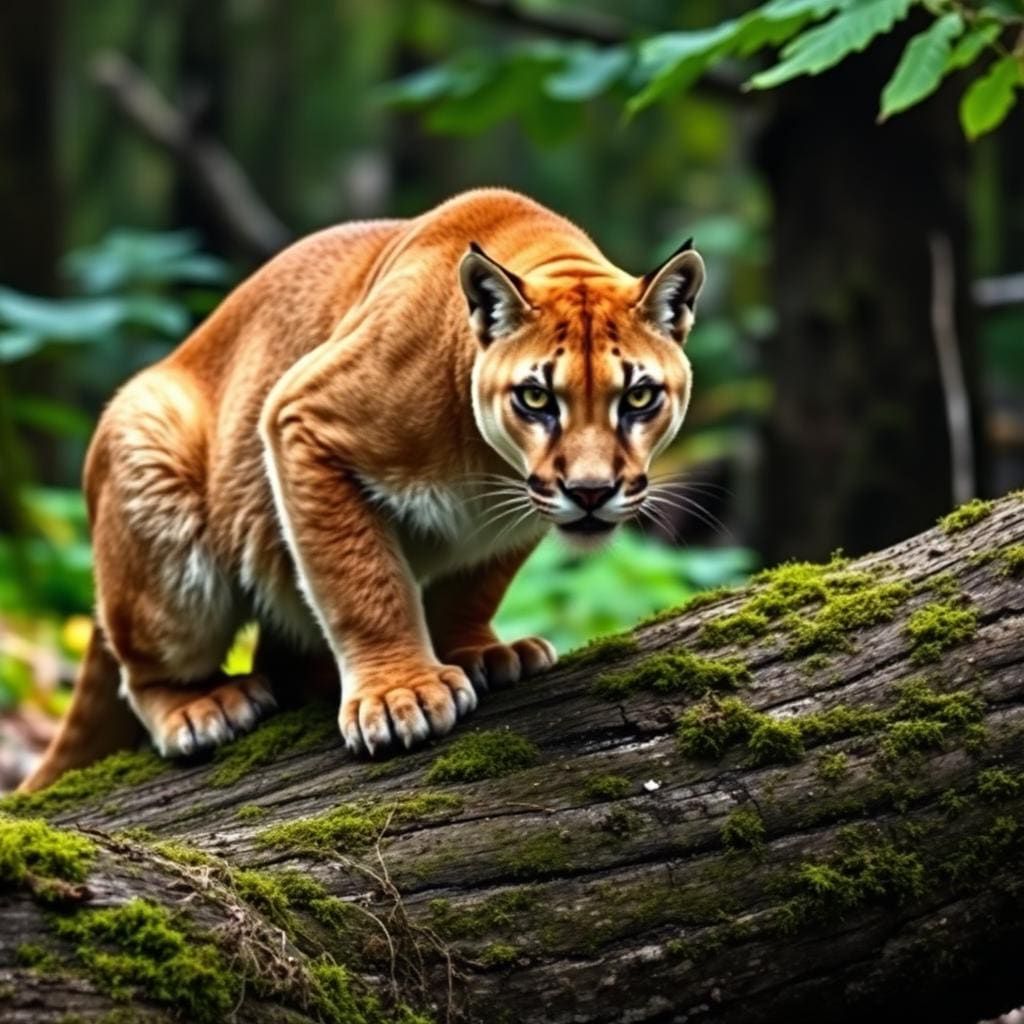
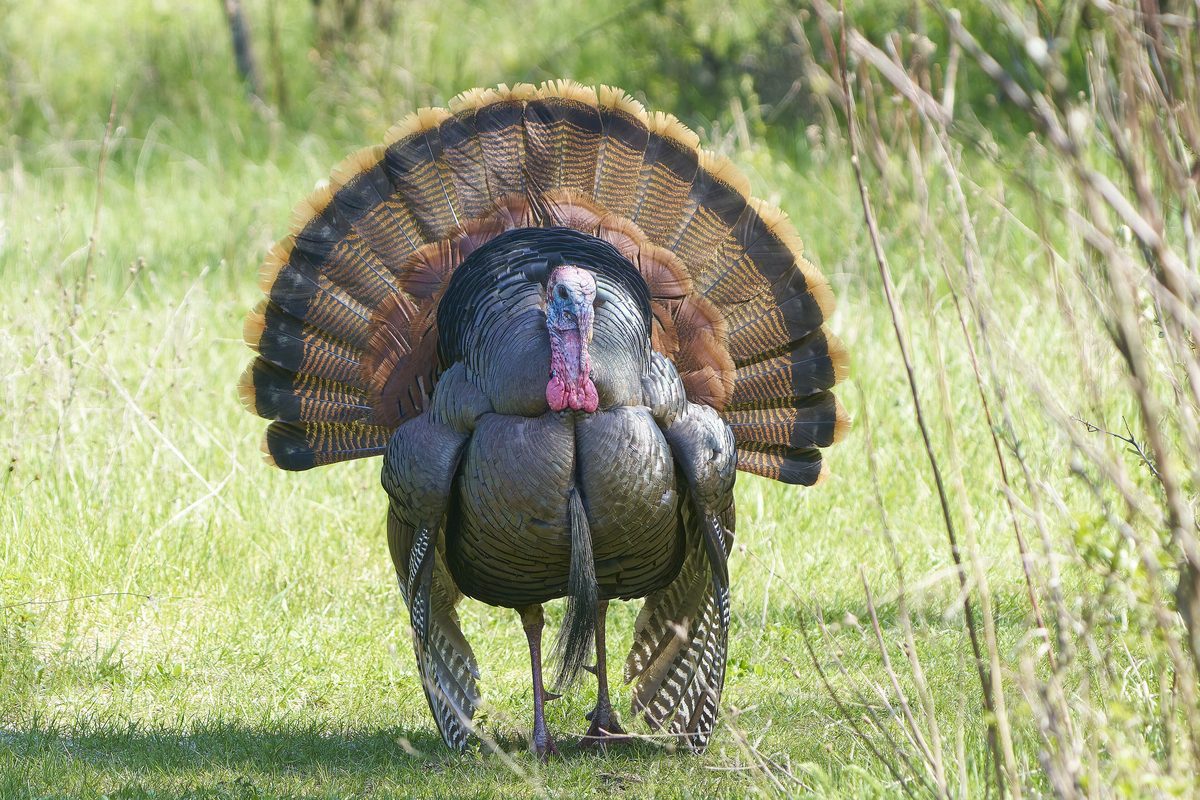
Cold weather slows cold-blooded desert species, significantly reducing encounters with western diamondback rattlesnakes along lowland paths. In contrast, mammal activity increases during daylight hours. Collared peccaries, locally known as javelinas, root through desert washes in noisy groups, while roadrunners hunt sun-warmed road edges. Black bears inhabit the oak woodlands of the Chisos Basin, requiring rigorous use of bear-proof storage boxes at high-elevation campsites even as winter sets in. Carmen Mountain white-tailed deer forage through the high passes, and lucky ridge spotters occasionally pick out elusive desert bighorn sheep or mountain lions traversing the sheer cliff bands above the Chihuahuan scrub.
Logistics and Backcountry Rules
Solitude requires deliberate forethought because basic services sit hours away. Fuel stations inside the boundaries are limited, cell coverage drops completely outside developed hubs, and the closest regional hospitals sit in Alpine or Fort Stockton. Developed campgrounds in the Chisos Basin, Castolon, and Rio Grande Village book out months in advance through federal reservation systems. Backcountry permits are mandatory for both designated primitive roadside camps and zone backpacking in the high Chisos or desert wilderness. Winter backpackers must carry all water in the desert or rely on verified tinajas, as natural natural springs are rare, fragile, and often unsuitable for heavy human use.
Hazards and Realistic Trade-Offs
The primary drawback of December centers on holiday congestion. From Christmas through New Year's Day, visitation spikes dramatically, creating severe parking shortages at popular trailheads like the Chisos Basin and Santa Elena. Underestimating the cold is another recurring hazard; travelers expecting warm Texas weather frequently arrive with light three-season bags and inadequate insulation, suffering through miserable sub-freezing nights. Furthermore, primitive backcountry tracks eat tires and suspensions, requiring genuine all-terrain tires, full-size spares, and self-recovery gear rather than highway-tread crossovers. Long highway transit times between park sectors mean a single day's plan can easily involve three hours of windshield time.
How we picked
We built this ranking from trip reports, agency data, permit records, and our editors' own time on the ground. 10 places made the final cut out of a much longer working list, and each one had to clear the same set of criteria before it earned a spot.
- Quality of the terrain
- Landscape, route variety, and whether the place rewards multiple days rather than one overlook.
- Season and weather windows
- How long the reliable window is, and how badly the shoulder seasons punish a bad forecast.
- Access and permits
- Trailhead logistics, permit odds, quotas, and how much lead time a trip realistically takes.
- Solitude vs. crowding
- How far you have to walk before the place feels like wilderness instead of a queue.
- Wildlife and ecology
- What you can reasonably expect to see, and what you have to plan around.
- Risk and skill required
- Navigation, water crossings, exposure, and rescue distance — stated plainly.
Big Bend National Park — frequently asked questions
- Is Big Bend National Park worth the trip?
- We rank it #3 in US Destinations in December. Mild days for the Chisos and canyons; cold, starry nights.
- Who is Big Bend National Park best for?
- Best for winter desert backpacking, high-altitude ridge trekking, night sky astrophotography and rugged backcountry overland touring. Standouts: mild daytime temperatures ideal for rigorous low-elevation desert trekking and gold-tier dark sky status delivers exceptional winter stargazing.
- What are the drawbacks of Big Bend National Park?
- Peak holiday crowds strain parking at high-demand trailheads, Severe day-to-night temperature drops catch unprepared campers off guard and Extensive driving distances between major sectors burn significant travel time.
- What are the key details for Big Bend National Park?
- Terrain: Chihuahuan Desert, river canyons, alpine peaks · December Highs: 60°F to 70°F at low elevations; cooler in high basin · December Lows: 32°F to 42°F; mountain freezes common · Access Gateways: Alpine, Marathon, or Study Butte, Texas · Sky Quality: International Dark Sky Park (Gold Tier)
- Topography and Elevation Shifts — what should I know about the Big Bend National Park?
- The landscape breaks into three distinct zones that dictate gear selection and route pacing. Along the southern boundary, the Rio Grande slices through sheer limestone walls at Santa Elena, Mariscal, and Boquillas canyons, creating shaded river corridors framed by towering vertical rock.
- December Weather Windows — what should I know about the Big Bend National Park?
- Winter brings the most stable hiking conditions of the year, but wide diurnal swings demand versatile clothing layers. Midday canyon walks feel warm and comfortable under relentless sun, yet radiant heat bleeds into the vacuum of space immediately after twilight.
Where on earth
Satellite imagery flying in from a world view to Big Bend National Park, Texas, United States. Use the + / − buttons, or click the map to zoom with your scroll wheel; drag to pan and pinch to zoom on touch.
Big Bend National Park, TX 79834, USA · 29.250, -103.250
Wildlife found around Big Bend National Park

Compare side by side
Put the Big Bend National Park against any other pick on this list — specs, price, pros, cons and reader ratings.