



Reader rating
Rate it and you move it. Community ratings re-rank this product inside its Top 10 list.
Expert-picked, reader-ranked. Our editors choose the products and the launch order; member star ratings move picks up or down over time.
Deep winter quiet; snowshoeing from Bear Lake.
Pros
- No timed-entry reservation permits required in December
- Plowed vehicle access directly to premier subalpine trailheads
- Pristine frozen alpine lake views without summer crowds
- Reliable elk viewing throughout lower-elevation meadows
Cons
- Severe alpine winds and dangerous wind chill levels
- Trail Ridge Road closure eliminates cross-park scenic driving
- Avalanche risks limit access beyond subalpine lake basins
Best uses
- Subalpine lake snowshoeing
- Winter wildlife viewing
- Cold-weather gear testing
- Front Range landscape photography
Specifications
- Elevation Range
- 7,860 to 14,259 feet
- December Highs
- Mid-20s to low-30s °F in eastern valleys
- Primary Winter Access
- Beaver Meadows Entrance via Estes Park
- Winter Road Closures
- Trail Ridge Road closed at Many Parks Curve
- Timed Entry System
- Not required during winter months
- Primary Winter Hub
- Bear Lake Trailhead
Best for
Subalpine lake snowshoeing, Winter wildlife viewing, Cold-weather gear testing, Front Range landscape photography
December strips away the gridlock that defines Rocky Mountain National Park during the summer months. Trail Ridge Road closes over the Continental Divide, leaving the eastern valleys and subalpine basins wrapped in deep snow and scouring wind. It is an uncompromising season where high-elevation granite peaks take the full brunt of arctic jet streams, but lower-elevation trailheads offer pristine access to frozen alpine tarns and silent forests. Bear Lake Road remains plowed throughout the winter, funneling cold-weather hikers toward classic routes like Dream Lake, Emerald Lake, and Mills Lake. Here, packed snow turns technical scrambles into straightforward snowshoeing or microspike outings. Wildlife shifts into survival mode; massive elk herds congregate in the lower meadows of Moraine Park, while snowshoe hares and white-tailed ptarmigans blend seamlessly into wind-drifted terrain. The trade-off is severe mountain weather. Sub-zero temperatures, spindrift, and sustained gusts exceeding fifty miles per hour are regular occurrences once you break tree line. It is not a casual destination; winter visits require disciplined moisture management, avalanche awareness, and strict turn-around times. For those equipped for the cold, December delivers an empty, austere majesty that warm-weather travelers never see.
Continental Divide Geography
Rocky Mountain National Park straddles the Continental Divide, creating two distinct winter environments. In December, the western Grand Lake entrance receives steady, dense snowfall, while the eastern slopes outside Estes Park experience scouring Chinook winds and sharper temperature fluctuations. Most December travel centers on the east side, where glacial valleys feed high-walled cirques beneath peaks like Hallett, Longs, and Flattop Mountain. Waterways freeze solid by early December, transforming alpine tarns into flat sheets of white ice. The terrain transitions rapidly from montane ponderosa pine forests up through dense lodgepole and subalpine fir, terminating at windswept alpine tundra. Route finding is generally straightforward on packed lower trails, but any push toward the Divide requires navigation through windblown drifts that erase footsteps within minutes.
Winter Weather Realities
Front Range winter weather does not compromise. December temperatures at trailhead elevations often hover in the twenties during daylight hours and plummet below zero once the sun dips behind the divide. The defining feature of park weather is wind. Jet stream gusts regularly crest alpine ridges at hurricane force, driving spindrift across open ground and lowering effective wind chills to dangerous territory. Bluebird mornings can rapidly deteriorate into blinding squalls without radar warning. Proper layered systems—merino wool base layers, breathable midlayers, and windproof hardshells—are non-negotiable. Keeping water from freezing inside packs requires insulated sleeves or wide-mouth bottles stashed against body heat. Daylight is short, leaving barely nine hours of usable sun to execute a backcountry route.
Key Snowshoe Routes
The Bear Lake corridor serves as the winter engine of the park. The route to Nymph, Dream, and Emerald Lakes is the benchmark December snowshoe trek, offering dramatic views of the sheer east face of Hallett Peak across ice-bound water. Packed by heavy foot traffic near the trailhead, this path typically allows microspikes for the first mile before unconsolidated snow necessitates snowshoes. For longer outings with lower foot traffic, the trek to Mills Lake and the Loch via Glacier Gorge presents classic subalpine scenery framed by the Cathedral Spires. Venturing beyond these lakes onto higher shelves like Black Lake demands heightened avalanche assessment, as snow loading on leeward slopes increases terrain trap risks along steep gullies and couloirs.
Winter Wildlife Movements
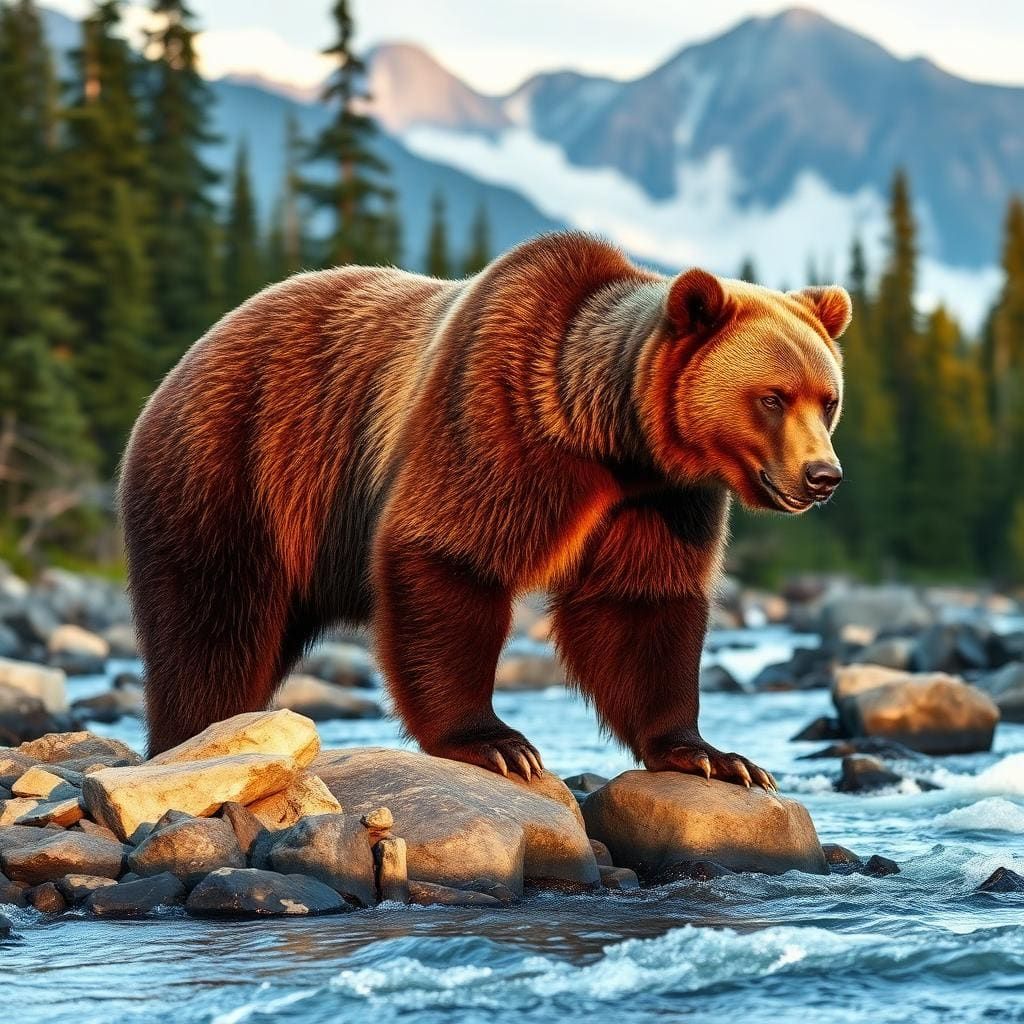
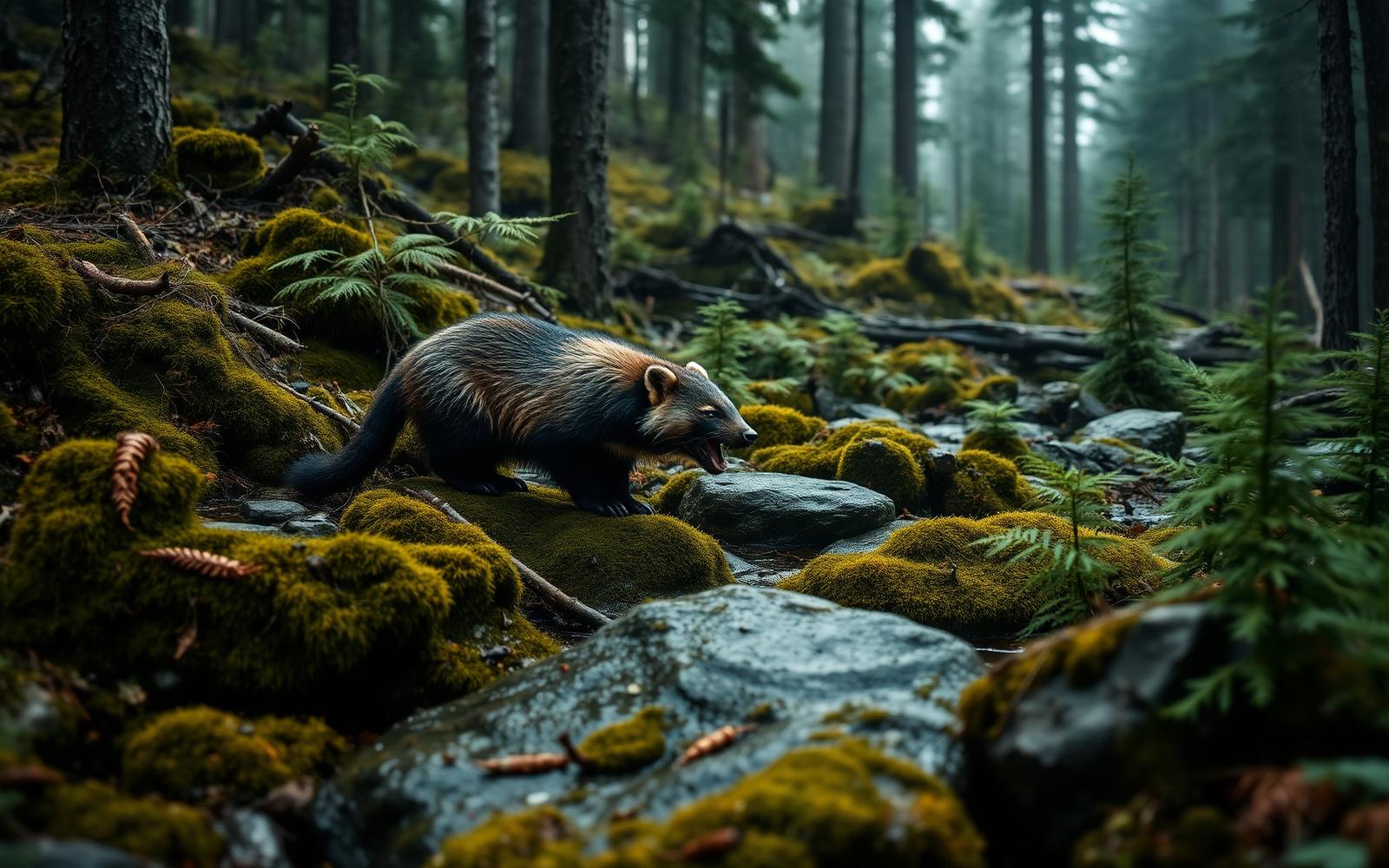
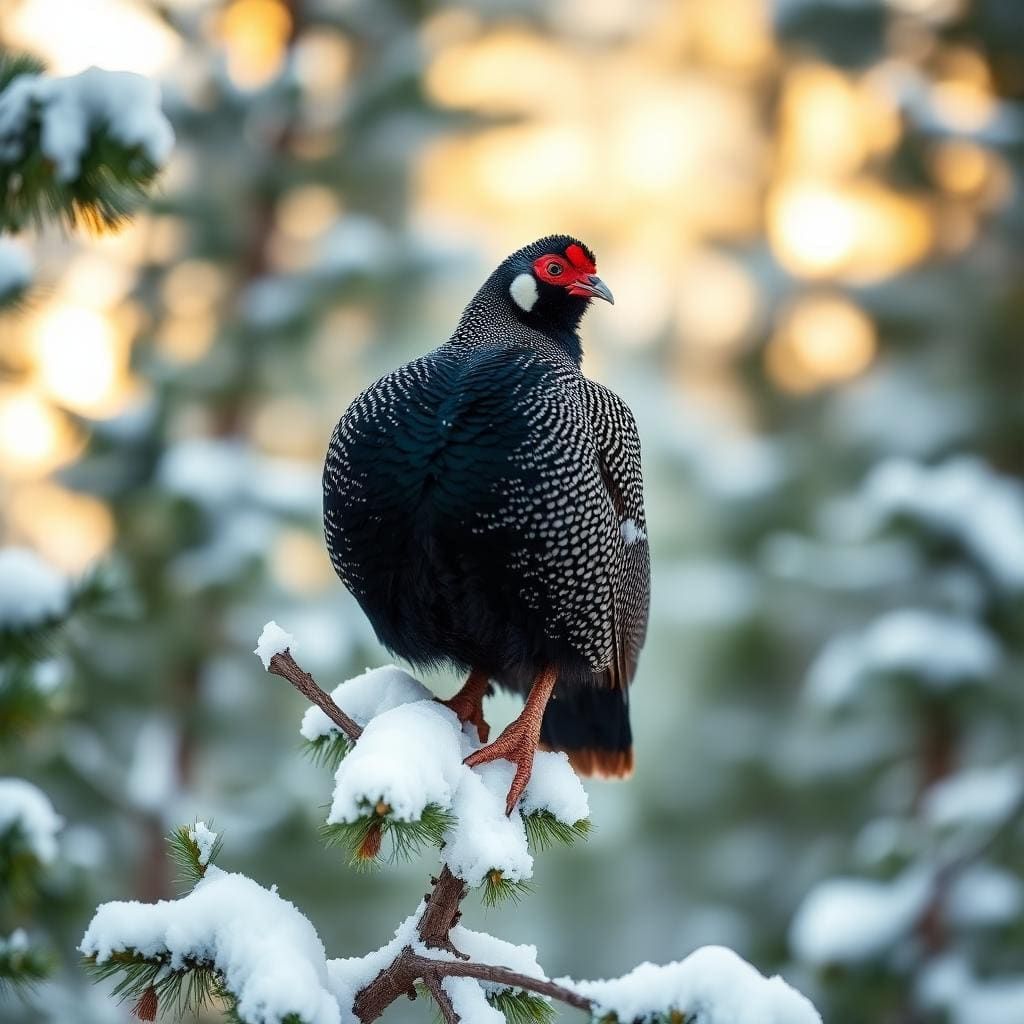
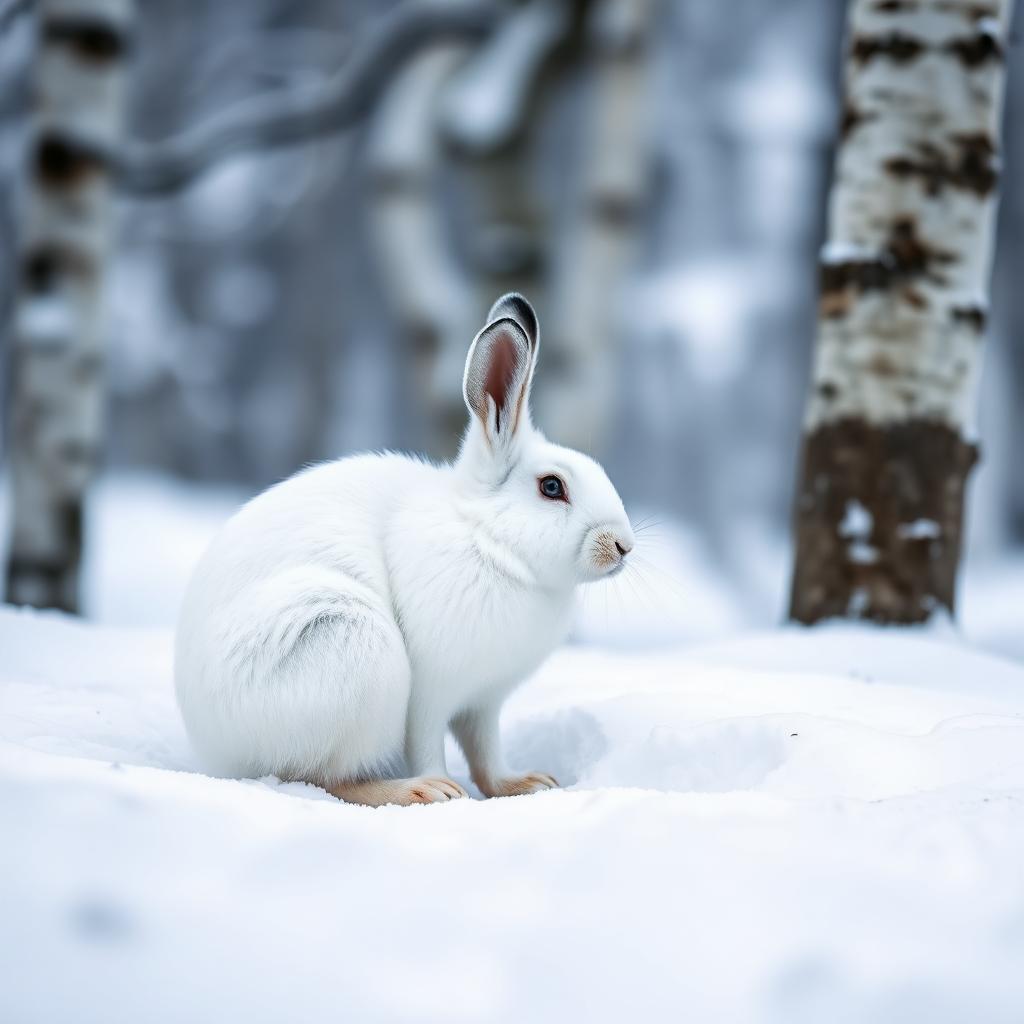
December pushes wildlife down into protected montane valleys where forage remains accessible under thin snowpack. Massive herds of Rocky Mountain elk gather across Moraine Park and Horseshoe Park, their dark coats contrasting sharply with snow-draped willow flats. Mule deer browse along the south-facing hillsides where sunlight melts out bitterbrush and grasses. Higher up the drainages, snowshoe hares and pine martens leave intricate tracks through spruce-fir stands, while white-tailed ptarmigans rely on pure white winter plumage to vanish against alpine snowfields. Encounters require greater distance and discipline in winter; calorie deficits mean that spooking an elk or moose into deep snow can exhaust vital energy reserves needed to survive prolonged cold snaps.
Access and Logistics
Visiting in December bypasses the summer reservation gridlock. The seasonal Timed Entry Permit System ends in late autumn, allowing visitors to enter at will with a standard park pass. The Beaver Meadows and Fall River entrances remain open, but road access is strictly limited. Trail Ridge Road closes annually above Many Parks Curve, severing cross-park vehicle travel to Grand Lake. The road to Bear Lake is aggressively plowed and treated, yet winter tires or all-wheel drive with adequate tread are essential after fresh squalls. Backcountry camping requires a winter permit picked up through the wilderness office; while quotas are rarely an issue in December, designated winter campsites have strict snow-depth requirements to prevent vegetation damage under tents.
Hazards and Mountain Safety
Cold and snow conditions introduce real hazards that don't exist during the hiking season. Avalanche terrain begins surprisingly close to popular summer trails; runout zones from steep cirque walls can reach frozen lake surfaces during heavy loading events. Anyone pushing beyond basic lake circuits should carry a beacon, probe, and shovel, backed by formal avalanche training. Thin ice is another concern early in the month, particularly where inlets and outlets maintain moving water under surface crusts. Hypothermia poses a constant threat if perspiration saturates clothing during steep climbs and freezes during breaks. Cell phone service is largely nonexistent within the glacial valleys, making a satellite messenger and headlamp essential survival gear for every pack.
How we picked
We built this ranking from trip reports, agency data, permit records, and our editors' own time on the ground. 10 places made the final cut out of a much longer working list, and each one had to clear the same set of criteria before it earned a spot.
- Quality of the terrain
- Landscape, route variety, and whether the place rewards multiple days rather than one overlook.
- Season and weather windows
- How long the reliable window is, and how badly the shoulder seasons punish a bad forecast.
- Access and permits
- Trailhead logistics, permit odds, quotas, and how much lead time a trip realistically takes.
- Solitude vs. crowding
- How far you have to walk before the place feels like wilderness instead of a queue.
- Wildlife and ecology
- What you can reasonably expect to see, and what you have to plan around.
- Risk and skill required
- Navigation, water crossings, exposure, and rescue distance — stated plainly.
Rocky Mountain National Park — frequently asked questions
- Is Rocky Mountain National Park worth the trip?
- We rank it #10 in US Destinations in December. Deep winter quiet; snowshoeing from Bear Lake.
- Who is Rocky Mountain National Park best for?
- Best for subalpine lake snowshoeing, winter wildlife viewing, cold-weather gear testing and front range landscape photography. Standouts: no timed-entry reservation permits required in december and plowed vehicle access directly to premier subalpine trailheads.
- What are the drawbacks of Rocky Mountain National Park?
- Severe alpine winds and dangerous wind chill levels, Trail Ridge Road closure eliminates cross-park scenic driving and Avalanche risks limit access beyond subalpine lake basins.
- What are the key details for Rocky Mountain National Park?
- Elevation Range: 7,860 to 14,259 feet · December Highs: Mid-20s to low-30s °F in eastern valleys · Primary Winter Access: Beaver Meadows Entrance via Estes Park · Winter Road Closures: Trail Ridge Road closed at Many Parks Curve · Timed Entry System: Not required during winter months
- Continental Divide Geography — what should I know about the Rocky Mountain National Park?
- Rocky Mountain National Park straddles the Continental Divide, creating two distinct winter environments. In December, the western Grand Lake entrance receives steady, dense snowfall, while the eastern slopes outside Estes Park experience scouring Chinook winds and sharper temperature fluctuations.
- Winter Weather Realities — what should I know about the Rocky Mountain National Park?
- Front Range winter weather does not compromise. December temperatures at trailhead elevations often hover in the twenties during daylight hours and plummet below zero once the sun dips behind the divide.
Where on earth
Satellite imagery flying in from a world view to Rocky Mountain National Park, Colorado, United States. Use the + / − buttons, or click the map to zoom with your scroll wheel; drag to pan and pinch to zoom on touch.
Rocky Mountain National Park, Colorado, USA · 40.343, -105.684
Wildlife found around Rocky Mountain National Park



Compare side by side
Put the Rocky Mountain National Park against any other pick on this list — specs, price, pros, cons and reader ratings.