



Reader rating
Rate it and you move it. Community ratings re-rank this product inside its Top 10 list.
Expert-picked, reader-ranked. Our editors choose the products and the launch order; member star ratings move picks up or down over time.
Prime rock-climbing and hiking season in the high desert.
Pros
- World-class friction for traditional climbing and bouldering
- Daytime temperatures ideal for high-exertion trail miles
- Exceptional dark-sky stargazing during long winter nights
- Zero nuisance insects and dormant venomous reptiles
Cons
- Sub-freezing overnight temperatures catch unprepared campers off guard
- Complete lack of natural backcountry drinking water sources
- Heavy vehicle traffic and crowded campgrounds on winter weekends
Best uses
- Cold-weather trad climbing
- Winter desert backpacking
- Night-sky astrophotography
- Technical boulder problem sessions
Specifications
- Total Acreage
- 792,623 acres
- Elevation Range
- 536 feet to 5,814 feet (Quail Mountain)
- January Highs
- Upper 50s to low 60s Fahrenheit
- January Lows
- Mid 30s to below freezing
- Entrance Fee
- $30 per private vehicle (valid 7 days)
- Night Sky Status
- International Dark Sky Park
Best for
Cold-weather trad climbing, Winter desert backpacking, Night-sky astrophotography, Technical boulder problem sessions
Spanning the transition zone where the high Mojave Desert collides with the lower Colorado Desert, this nearly 800,000-acre park offers some of the finest cold-weather public lands in the American Southwest. January strips away the lethal triple-digit heat that blankets the area for half the year, leaving behind crisp days, brilliant light, and near-perfect friction on the world-class monzogranite boulder piles. It is the premier window for climbers and long-distance desert trampers looking to log hard miles without cooking their bodies. Yet the winter desert demands serious respect. Daytime highs often float in the low 60s under cobalt skies, but the moment the sun dips below the Little San Bernardino Mountains, temperatures plummet into freezing territory. Wind can whip across the exposed flats with zero warning, and water sources are virtually nonexistent away from designated entry points. Navigating this landscape requires careful layering, dedicated dry camping setups, and a willingness to pack in every drop of fluid you plan to consume. While the northern corridors can feel congested near road-side climbing crags like Hidden Valley, the southern expanse towards Cottonwood Spring offers true solitude. January brings long nights and jaw-dropping astrophotography, making it one of the most rewarding times to pitch a tent in the high desert if you come prepared for genuine freeze-thaw cycles.
Two Distinct Desert Ecosystems
The park is split down the middle by an ecological boundary line defined by elevation. Above 3,000 feet lies the Mojave Desert, where cooler temperatures foster the twisted, bristling Joshua trees and massive heaps of quartz monzonite boulders that define the northern skyline. Drop below 3,000 feet into the eastern and southern zones and you enter the hotter, drier Colorado Desert, characterized by natural stands of cholla cactus, creosote bush scrub, and dry wash systems. In January, traveling between these zones highlights marked microclimate shifts, where a biting wind on the exposed northern plains gives way to sheltered, mild basin walking in the lower canyon drainages.
Premier Winter Friction Climbing
Winter is peak climbing season across the park's roughly 8,000 established routes and boulder problems. The coarse, quartz-heavy rock provides legendary grip, but that same friction becomes unusable during hot weather when rubber softens and skin tears. In January, crisp rock surfaces keep shoe rubber firm, allowing for precise edging on technical slab faces and sustained jamming in desert splitters. Classic zones such as Hidden Valley, Real Hidden Valley, and the Wonderland of Rocks draw trad climbers and boulderers from around the globe. Competition for marquee anchors is intense near the pavement, requiring early starts or long approaches to secure quiet pitches.
Backcountry Hiking and Water Cache
Foot travel off the main paved spine shifts from casual walking to rigorous wilderness navigation in short order. Key routes like the Boy Scout Trail or traverses through the Wonderland of Rocks feature minimal trail markers, demanding compass competence and GPS backups amid labyrinthine boulder mazes. Wilderness backpacking permits are required and managed through the recreation system, with designated backcountry boards for entry. Crucially, there are no potable surface waters in the interior backcountry. Backpackers must haul a gallon per person per day or establish approved roadside caches along trail crossing points prior to departing into the deep sand.
Wildlife and Winter Movement
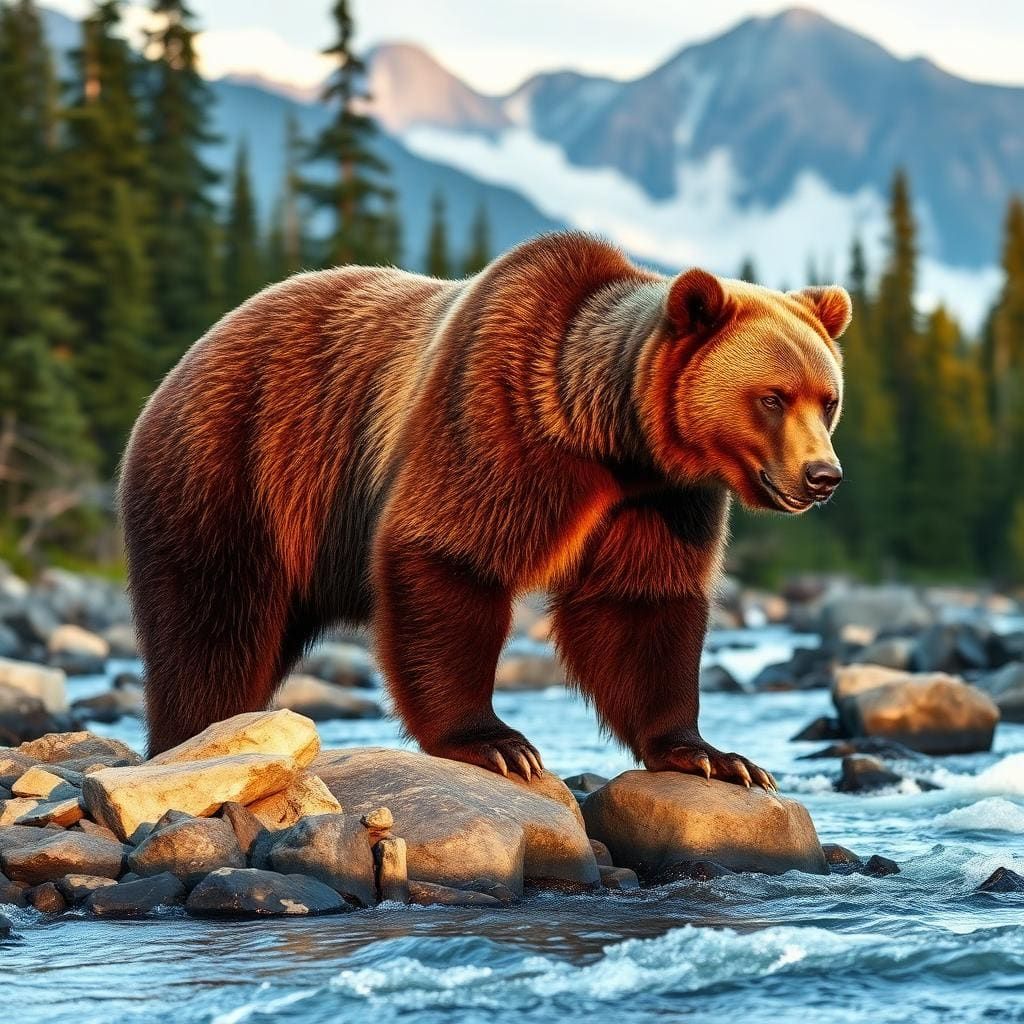
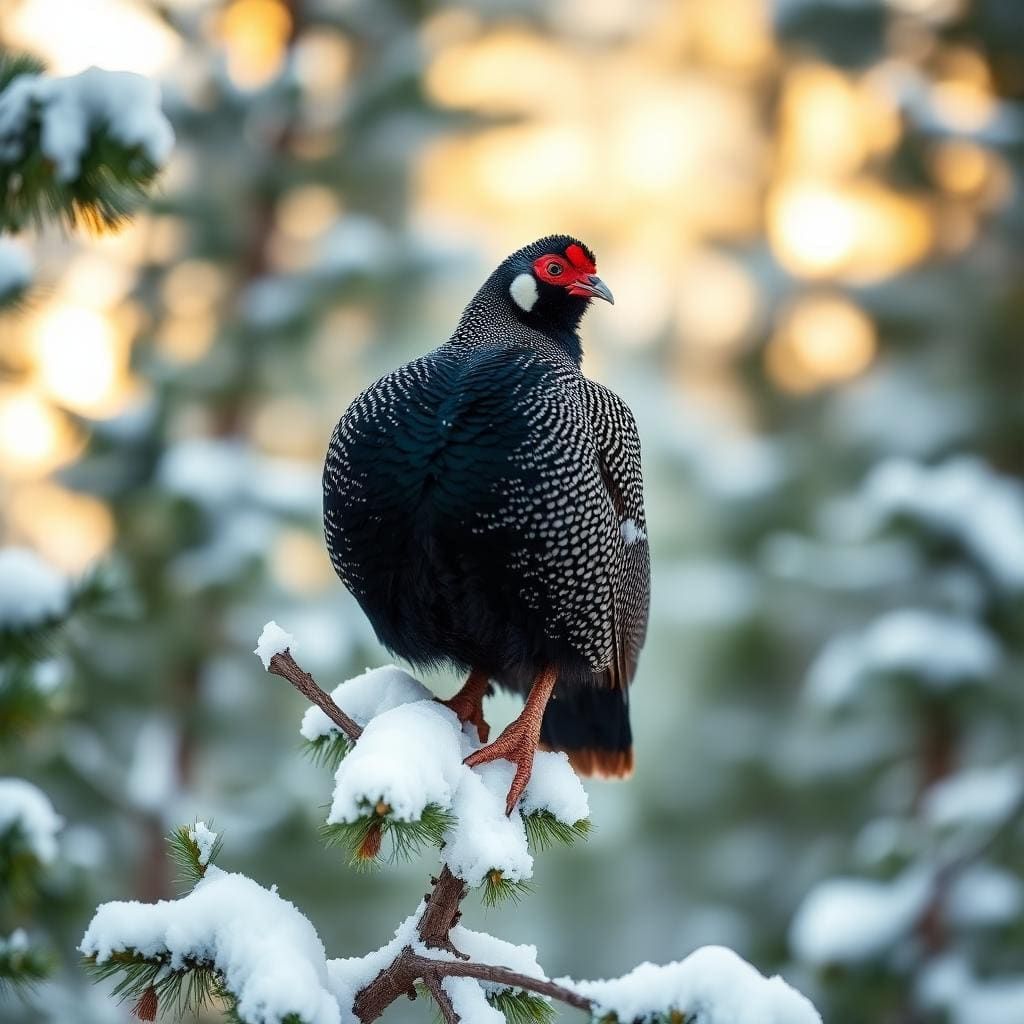
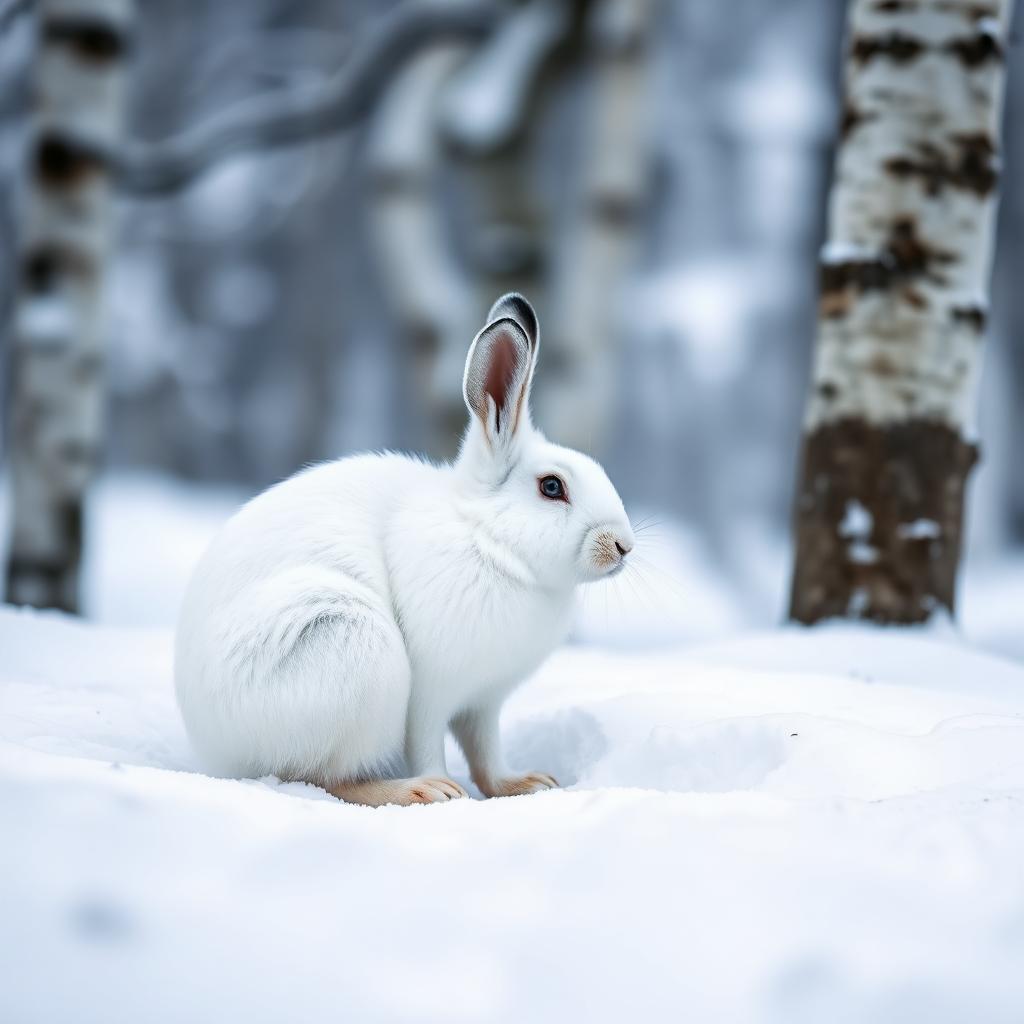
Wildlife patterns shift considerably during the cold months. Desert bighorn sheep frequently descend from rocky crags toward lower wash floors to forage on winter grasses, occasionally spotted near Barker Dam or along the southern ridges. Coyotes patrol campground perimeters at dusk with sharp vocalizations, opportunistic about untended food stores. Black-tailed jackrabbits and roadrunners remain active during sunny mid-afternoon hours, while rattlesnakes and desert tortoises remain safely dormant underground in winter brumation. Birders should scan pinyon-juniper thickets at higher elevations for wintering populations of pinyon jays, mountain bluebirds, and ladder-backed woodpeckers.
Crowds, Cold, and Camp Logistics
The biggest friction point in January is lodging. Developed campgrounds like Ryan, Jumbo Rocks, and Hidden Valley fill months in advance through the reservation portal, and first-come sites vanish before mid-morning on weekends. The park entrance stations near Joshua Tree village and Twentynine Palms see significant vehicle back-ups from late morning onward. Overnight campers also routinely underestimate the cold, arriving with three-season bags only to find water bottles frozen solid inside their tents by dawn. A four-season sleeping pad with high insulation value and heavy-duty stakes for securing shelters in soft desert sand are mandatory equipment choices.
How we picked
We built this ranking from trip reports, agency data, permit records, and our editors' own time on the ground. 10 places made the final cut out of a much longer working list, and each one had to clear the same set of criteria before it earned a spot.
- Quality of the terrain
- Landscape, route variety, and whether the place rewards multiple days rather than one overlook.
- Season and weather windows
- How long the reliable window is, and how badly the shoulder seasons punish a bad forecast.
- Access and permits
- Trailhead logistics, permit odds, quotas, and how much lead time a trip realistically takes.
- Solitude vs. crowding
- How far you have to walk before the place feels like wilderness instead of a queue.
- Wildlife and ecology
- What you can reasonably expect to see, and what you have to plan around.
- Risk and skill required
- Navigation, water crossings, exposure, and rescue distance — stated plainly.
Joshua Tree National Park — frequently asked questions
- Is Joshua Tree National Park worth the trip?
- We rank it #4 in US Destinations in January. Prime rock-climbing and hiking season in the high desert.
- Who is Joshua Tree National Park best for?
- Best for cold-weather trad climbing, winter desert backpacking, night-sky astrophotography and technical boulder problem sessions. Standouts: world-class friction for traditional climbing and bouldering and daytime temperatures ideal for high-exertion trail miles.
- What are the drawbacks of Joshua Tree National Park?
- Sub-freezing overnight temperatures catch unprepared campers off guard, Complete lack of natural backcountry drinking water sources and Heavy vehicle traffic and crowded campgrounds on winter weekends.
- What are the key details for Joshua Tree National Park?
- Total Acreage: 792,623 acres · Elevation Range: 536 feet to 5,814 feet (Quail Mountain) · January Highs: Upper 50s to low 60s Fahrenheit · January Lows: Mid 30s to below freezing · Entrance Fee: $30 per private vehicle (valid 7 days)
- Two Distinct Desert Ecosystems — what should I know about the Joshua Tree National Park?
- The park is split down the middle by an ecological boundary line defined by elevation. Above 3,000 feet lies the Mojave Desert, where cooler temperatures foster the twisted, bristling Joshua trees and massive heaps of quartz monzonite boulders that define the northern skyline.
- Premier Winter Friction Climbing — what should I know about the Joshua Tree National Park?
- Winter is peak climbing season across the park's roughly 8,000 established routes and boulder problems. The coarse, quartz-heavy rock provides legendary grip, but that same friction becomes unusable during hot weather when rubber softens and skin tears.
Where on earth
Satellite imagery flying in from a world view to Joshua Tree National Park, California, United States. Use the + / − buttons, or click the map to zoom with your scroll wheel; drag to pan and pinch to zoom on touch.
Joshua Tree National Park, California, USA · 33.873, -115.901
Wildlife found around Joshua Tree National Park





Compare side by side
Put the Joshua Tree National Park against any other pick on this list — specs, price, pros, cons and reader ratings.