



Reader rating
Rate it and you move it. Community ratings re-rank this product inside its Top 10 list.
Expert-picked, reader-ranked. Our editors choose the products and the launch order; member star ratings move picks up or down over time.
Hurricane Ridge snow sports and storm-watching on the coast.
Pros
- Minimal crowds along famous coastal beaches and rainforest trails
- Spectacular high-surf storm watching along rugged Pacific bluffs
- Accessible alpine snowshoeing and backcountry touring via Hurricane Ridge
- Majestic Roosevelt elk herds gather in easily accessible lowland valleys
Cons
- Hurricane Ridge Road access is limited to weekends and strictly weather-dependent
- Persistent heavy rain and coastal wind test water-resistant outerwear severely
- Lethal coastal hazards include rolling drift logs and unpredictable sneaker waves
Best uses
- Pacific winter storm watching
- Low-crowd rainforest hiking
- Weekend alpine backcountry touring
- Moody coastal photography
Specifications
- Location
- Clallam and Jefferson counties, Washington
- January Temperatures
- 30°F to 45°F on coast; 20°F to 35°F alpine
- Primary Gateways
- Port Angeles and Forks, Washington
- Tire Chain Rule
- Mandatory to carry inside vehicles on Ridge Road
- Park Acreage
- 922,650 acres
- Primary Winter Draw
- Coastal storm watching and alpine snow sports
Best for
Pacific winter storm watching, Low-crowd rainforest hiking, Weekend alpine backcountry touring, Moody coastal photography
January strips the Pacific Northwest down to its rawest elements, and nowhere feels that shift more dramatically than the Olympic Peninsula. The park operates on two completely different winter axes. At sea level, violent North Pacific storm cycles batter the western beaches, tossing driftwood logs like toothpicks and flooding river valleys under sheets of temperate rainforest rain. Ascend four thousand feet into the interior, however, and that saturated ocean moisture slams into the Olympic Range, transforming into dense maritime snowpacks that bury alpine ridgelines. Visiting midwinter demands flexibility and respect for severe weather. Hurricane Ridge offers one of the few lift-served alpine winter playgrounds within a national park, catering to backcountry touring, snowshoeing, and modest downhill skiing. Meanwhile, the outer coast near Rialto and Ruby Beach delivers moody, dramatic solitude that summer crowds will never experience. It is wet, cold, and unpredictable, but for travelers geared up to handle persistent moisture, January offers a masterclass in wilderness contrast.
Coastal and Alpine Terrain
The park encompasses three distinctly separated ecosystems: rugged Pacific coastline, glacier-carved alpine highlands, and temperate rainforest river corridors. In January, the transition between these zones is stark. Coastal strips feature rugged sea stacks, rocky headlands, and gravel beaches strewn with massive western red cedar drift logs. As you head inland, elevation climbs sharply to nearly eight thousand feet at Mount Olympus. The maritime climate means low elevations hover just above freezing with torrential rains that fill the Hoh, Quinault, and Queets rivers, while the high country receives some of the heaviest snowfall in the contiguous United States. Navigation requires shifting mindsets instantly, transitioning from navigating storm tides and slippery coastal rock shelves to assessing maritime snowpack stability and whiteout conditions along exposed alpine ridgelines.
Winter Weather Realities
January weather on the Olympic Peninsula is dictated entirely by incoming North Pacific low-pressure systems. Rain is not an occasional inconvenience here; it is the governing condition, with the rainforest valleys receiving up to twenty inches during winter months. Higher up at Hurricane Ridge, storms drop heavy, wet snow colloquially known as Cascade concrete. Coastal storm watching peaks when severe weather pushes towering swells against the rocks, best viewed safely from elevated bluffs like those at Kalaloch or Cape Flattery. Clear winter windows do happen between frontal systems, yielding crisp, razor-sharp views across the Strait of Juan de Fuca to Vancouver Island. When packing, synthetic insulation or treated down wrapped in bombproof waterproof shells is non-negotiable. If water can penetrate your gear, the combination of mid-thirties temperatures and driving precipitation will find the weak spot.
Key Winter Routes
Hurricane Ridge is the nerve center for high-elevation winter recreation. Accessed via the winding road from Port Angeles, the ridge provides access to marked snowshoe loops, cross-country ski trails, and a modest ski area with rope tows. Advanced backcountry travelers push beyond the ski boundary toward Hurricane Hill or Mount Angeles, though avalanche awareness is mandatory. Down on the coast, the hike from Rialto Beach to the Hole-in-the-Wall offers premier storm-sculpted scenery, provided you cross the headlands only at low tide. For rainforest walking, the Hall of Mosses in the Hoh Rainforest or the Maple Glade Trail in the Quinault Valley showcase dripping, moss-draped old-growth trees sheltered from the wind. These low-elevation trails remain mostly snow-free year-round, giving hikers a lush, quiet alternative when high-elevation roads close.
Winter Wildlife Movements
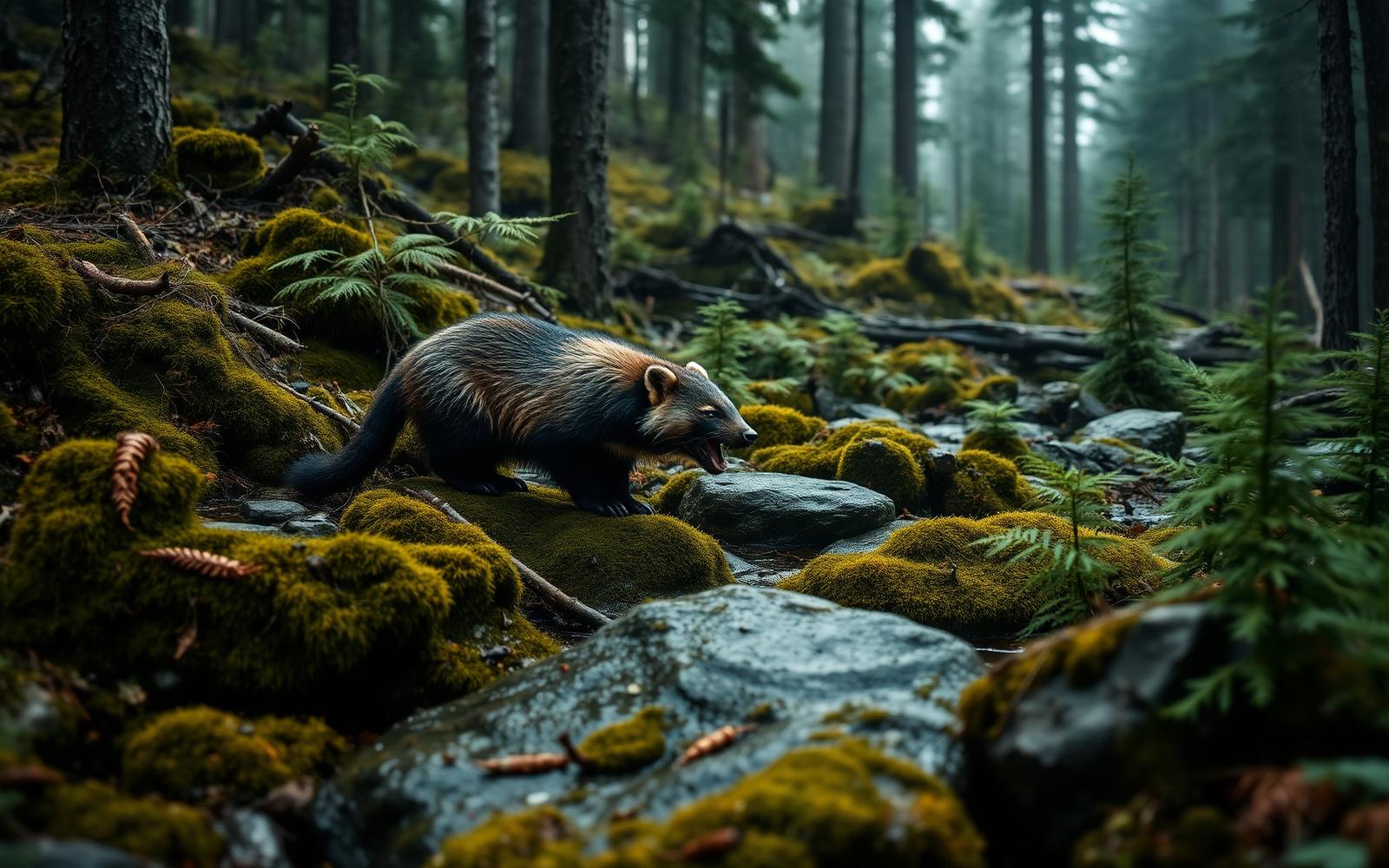
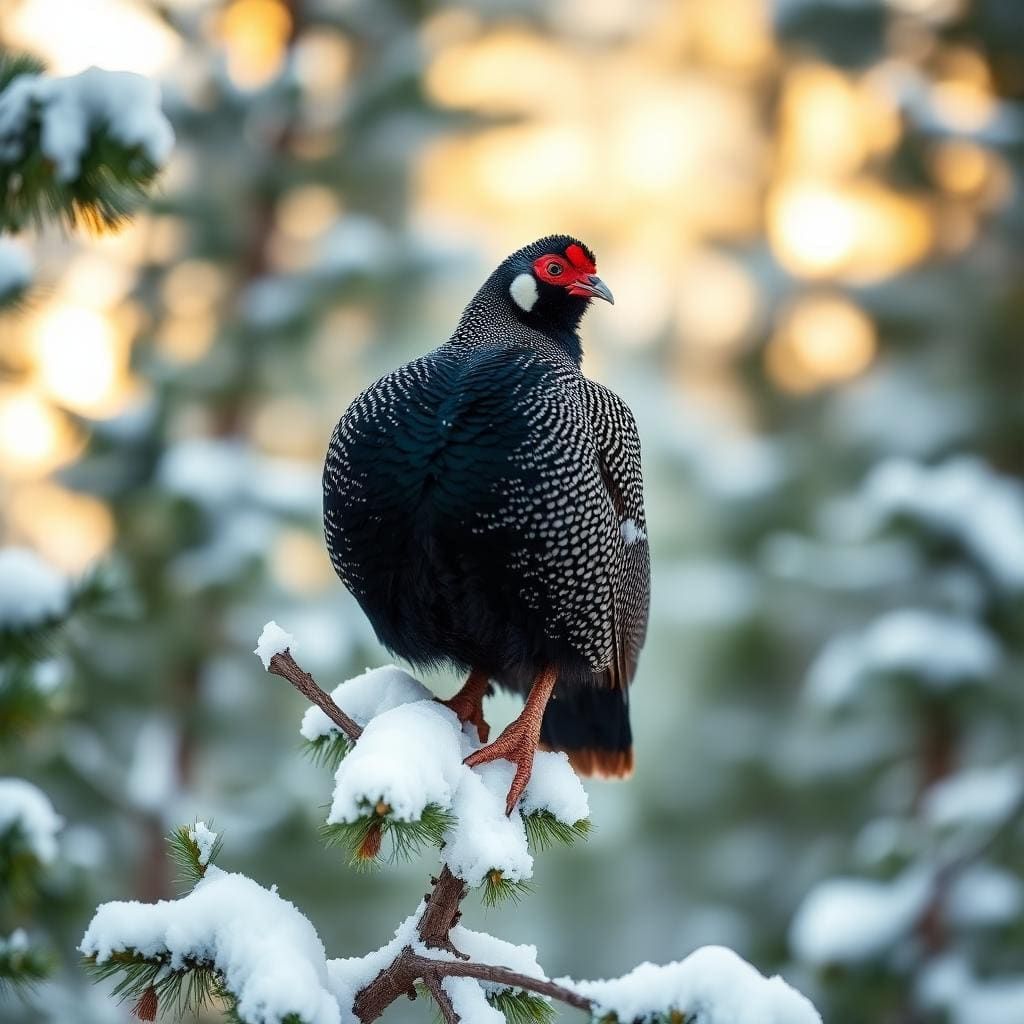
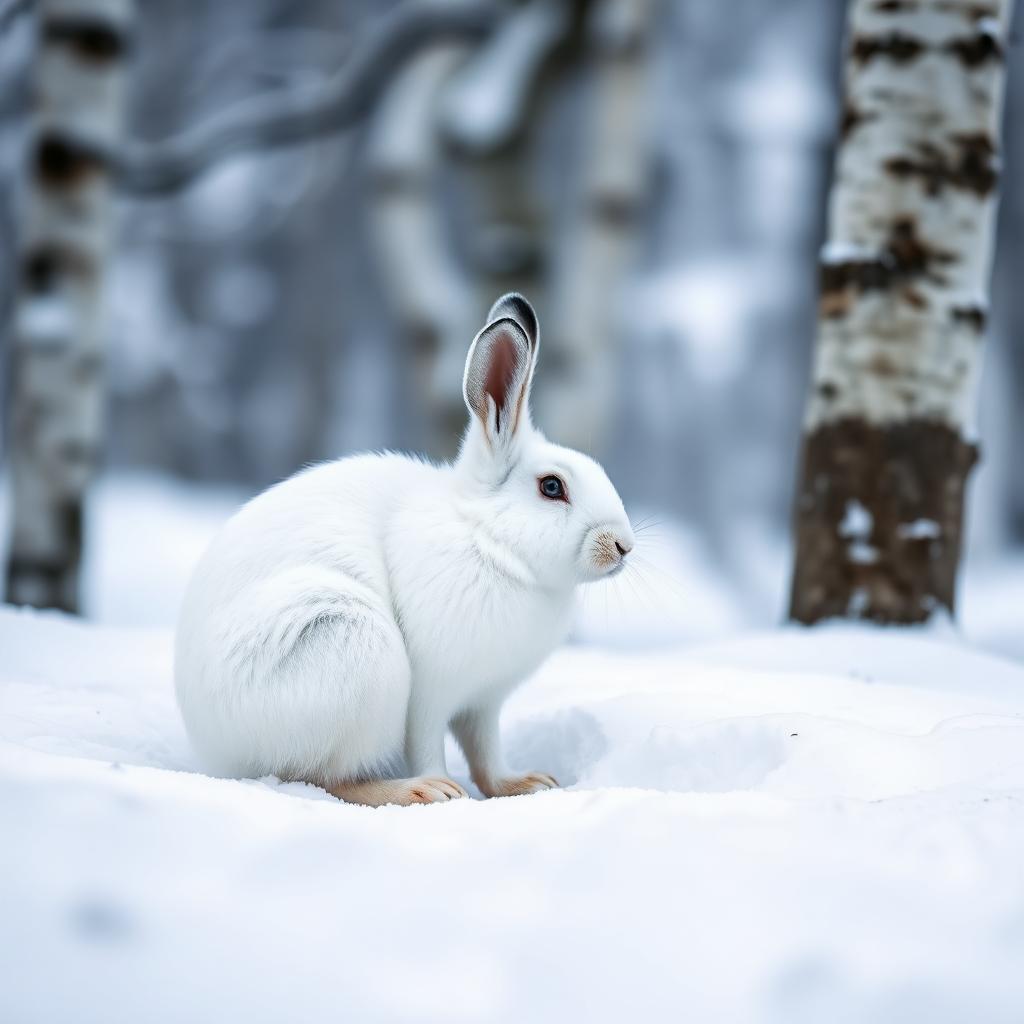
Winter brings distinct wildlife behaviors across the peninsula. Roosevelt elk, the largest unmanaged herd in the Pacific Northwest, congregate in the low river valleys like the Hoh and Bogachiel to graze on ferns and shrubs away from mountain snows. Spotting a herd emerging through rainforest mist is a quintessential January encounter. Along the coast, harbor seals and sea otters navigate the churning surf, while bald eagles gather in huge numbers in tree canopies along coastal rivers to feast on post-spawn salmon carcasses. In the high alpine, winter turns quiet; black bears and marmots hibernate deep beneath the snowdrifts, leaving tracks mostly from snowshoe hares, coyotes, and hearty winter-adapted birds like gray jays and common ravens who patrol the winter recreation areas near the ridge.
Access Logistics and Permits
Winter access requires diligent planning and checking daily park operational updates. Hurricane Ridge Road is typically open only Friday through Sunday, weather permitting, and requires all vehicles to carry tire chains regardless of drive type or tire rating. The road gate at Heart O' the Hills opens late morning and closes before dusk to clear hazards. A standard National Park pass covers entry. Coastal areas along Highway 101 and the Hoh Rainforest are generally accessible daily, though winter washouts and downed trees can temporarily shut down spur roads. Wilderness camping permits are required year-round for overnight stays and must be reserved via Recreation.gov. If heading into the backcountry, winter permit quotas are rarely met, but registering ensures rangers know your travel plans in case an emergency unfolds.
Hazards and Operational Trade-Offs
The central trade-off of a January trip to the Olympics is managing extreme weather friction. Coastal storm-watching requires vigilance; massive sneaker waves and rolling drift logs can crush or sweep an unaware hiker out to sea within seconds. Always carry a tide chart and know the coastal headland pinch points before venturing out. At high elevations, the loss of the historic Hurricane Ridge visitor center to a fire means visitor services are limited to temporary warming trailers and portable toilets. Furthermore, road crews can and will close Hurricane Ridge Road for days on end due to active blizzards, high winds, or avalanche mitigation. If your heart is set on alpine skiing, you must have a backup coastal plan ready when the mountain shuts down.
How we picked
We built this ranking from trip reports, agency data, permit records, and our editors' own time on the ground. 10 places made the final cut out of a much longer working list, and each one had to clear the same set of criteria before it earned a spot.
- Quality of the terrain
- Landscape, route variety, and whether the place rewards multiple days rather than one overlook.
- Season and weather windows
- How long the reliable window is, and how badly the shoulder seasons punish a bad forecast.
- Access and permits
- Trailhead logistics, permit odds, quotas, and how much lead time a trip realistically takes.
- Solitude vs. crowding
- How far you have to walk before the place feels like wilderness instead of a queue.
- Wildlife and ecology
- What you can reasonably expect to see, and what you have to plan around.
- Risk and skill required
- Navigation, water crossings, exposure, and rescue distance — stated plainly.
Olympic National Park — frequently asked questions
- Is Olympic National Park worth the trip?
- We rank it #10 in US Destinations in January. Hurricane Ridge snow sports and storm-watching on the coast.
- Who is Olympic National Park best for?
- Best for pacific winter storm watching, low-crowd rainforest hiking, weekend alpine backcountry touring and moody coastal photography. Standouts: minimal crowds along famous coastal beaches and rainforest trails and spectacular high-surf storm watching along rugged pacific bluffs.
- What are the drawbacks of Olympic National Park?
- Hurricane Ridge Road access is limited to weekends and strictly weather-dependent, Persistent heavy rain and coastal wind test water-resistant outerwear severely and Lethal coastal hazards include rolling drift logs and unpredictable sneaker waves.
- What are the key details for Olympic National Park?
- Location: Clallam and Jefferson counties, Washington · January Temperatures: 30°F to 45°F on coast; 20°F to 35°F alpine · Primary Gateways: Port Angeles and Forks, Washington · Tire Chain Rule: Mandatory to carry inside vehicles on Ridge Road · Park Acreage: 922,650 acres
- Coastal and Alpine Terrain — what should I know about the Olympic National Park?
- The park encompasses three distinctly separated ecosystems: rugged Pacific coastline, glacier-carved alpine highlands, and temperate rainforest river corridors. In January, the transition between these zones is stark.
- Winter Weather Realities — what should I know about the Olympic National Park?
- January weather on the Olympic Peninsula is dictated entirely by incoming North Pacific low-pressure systems. Rain is not an occasional inconvenience here; it is the governing condition, with the rainforest valleys receiving up to twenty inches during winter months.
Where on earth
Satellite imagery flying in from a world view to Olympic National Park, Washington, United States. Use the + / − buttons, or click the map to zoom with your scroll wheel; drag to pan and pinch to zoom on touch.
Olympic National Park, 3002 Mt Angeles Rd, Port Angeles, WA 98362, USA · 47.802, -123.604
Wildlife found around Olympic National Park





Compare side by side
Put the Olympic National Park against any other pick on this list — specs, price, pros, cons and reader ratings.