



Reader rating
Rate it and you move it. Community ratings re-rank this product inside its Top 10 list.
Expert-picked, reader-ranked. Our editors choose the products and the launch order; member star ratings move picks up or down over time.
Full access: Going-to-the-Sun, Many Glacier, and high passes open.
Pros
- Peak trail access as high-elevation passes and roads melt out fully
- Spectacular subalpine wildflower blooms along the Continental Divide
- Exceptional big mammal viewing including grizzlies and mountain goats
- Reliable dry weather compared to shoulder-season downpours and blizzards
Cons
- Severe parking shortages at major trailheads like Logan Pass by 7:00 AM
- Stringent vehicle reservation rules and high competition for permits
- Wildfire smoke risk begins rising during dry, late-July stretches
Best uses
- Highline alpine day hiking
- Multi-day backcountry traversing
- Wildlife and landscape photography
- Scenic alpine road cycling
Specifications
- Location
- Northwestern Montana
- Total Area
- 1,012,837 acres
- Highest Peak
- Mount Cleveland (10,466 ft)
- Pass Elevation
- Logan Pass (6,646 ft)
- Peak Season
- July through August
- Bear Habitat
- High-density grizzly and black bear
Best for
Highline alpine day hiking, Multi-day backcountry traversing, Wildlife and landscape photography, Scenic alpine road cycling
July is the singular month when Glacier sheds its winter armor and unlocks completely. For much of the year, heavy northern snowpacks shutter the high-elevation corridors, but midsummer delivers the long-awaited clearing: Going-to-the-Sun Road opens across Logan Pass, the remote Many Glacier valley shakes off the mud, and alpine traverses become passable for hikers without specialized mountaineering hardware. Spanning over one million acres along northwestern Montana's Continental Divide, the landscape is defined by sheer sedimentary headwalls, turquoise tarns fed by active ice sheets, and expansive glacial valleys. It offers a level of sheer vertical relief and pristine northern-rockies wilderness that few places in North America can rival. Bighorn sheep traverse scree slopes above trailheads while grizzly bears forage in subalpine meadows. Yet that brief summer window brings considerable friction. Millions of visitors funnel into a handful of paved corridors during this four-week stretch, requiring strict vehicle reservation systems, brutal competition for backcountry itineraries, and dawn-patrol parking scrambles. Visiting in July is unmatched for alpine access, but it demands airtight logistical discipline and constant situational awareness in remote grizzly habitat.
Alpine Terrain and Geology
The park occupies a uniquely carved section of the Lewis Range where ancient sedimentary rocks were shoved eastward over younger Cretaceous formations. Massive Pleistocene glaciers carved dramatic U-shaped troughs, razor-thin arêtes, and sheer cirques that frame hundreds of glacially fed tarns. In July, the transition from temperate cedar-hemlock forests around Lake McDonald to subalpine fir and open tundra at the Continental Divide happens within a matter of miles. Trail surfaces range from well-packed mineral dirt in lower drainages to loose shale scree and exposed bedrock ledges above the treeline. Snow bridges frequently linger across steep ravines through mid-July, necessitating sturdy, stiff-soled boots and trekking poles even on maintained corridors like the Highline Trail.
Navigating July Weather Windows
July delivers the warmest, driest weather of the year, but alpine conditions in northern Montana remain volatile. Valley temperatures can climb into the upper eighties, yet high passes routinely plunge near freezing during overnight bivouacs or unexpected fronts. Fast-moving afternoon thunderstorms regularly roll over the divide, bringing abrupt temperature drops, lightning, and hail to exposed ridges. July is also the start of regional wildfire season; while early July is generally clear, late-month visitors must prepare for shifting air quality and hazy vistas caused by smoke from the Pacific Northwest or Canadian fires. Packing should center on active sun protection for exposed scree fields paired with packable wind and rain shells.
Wildlife and Bear Protocols
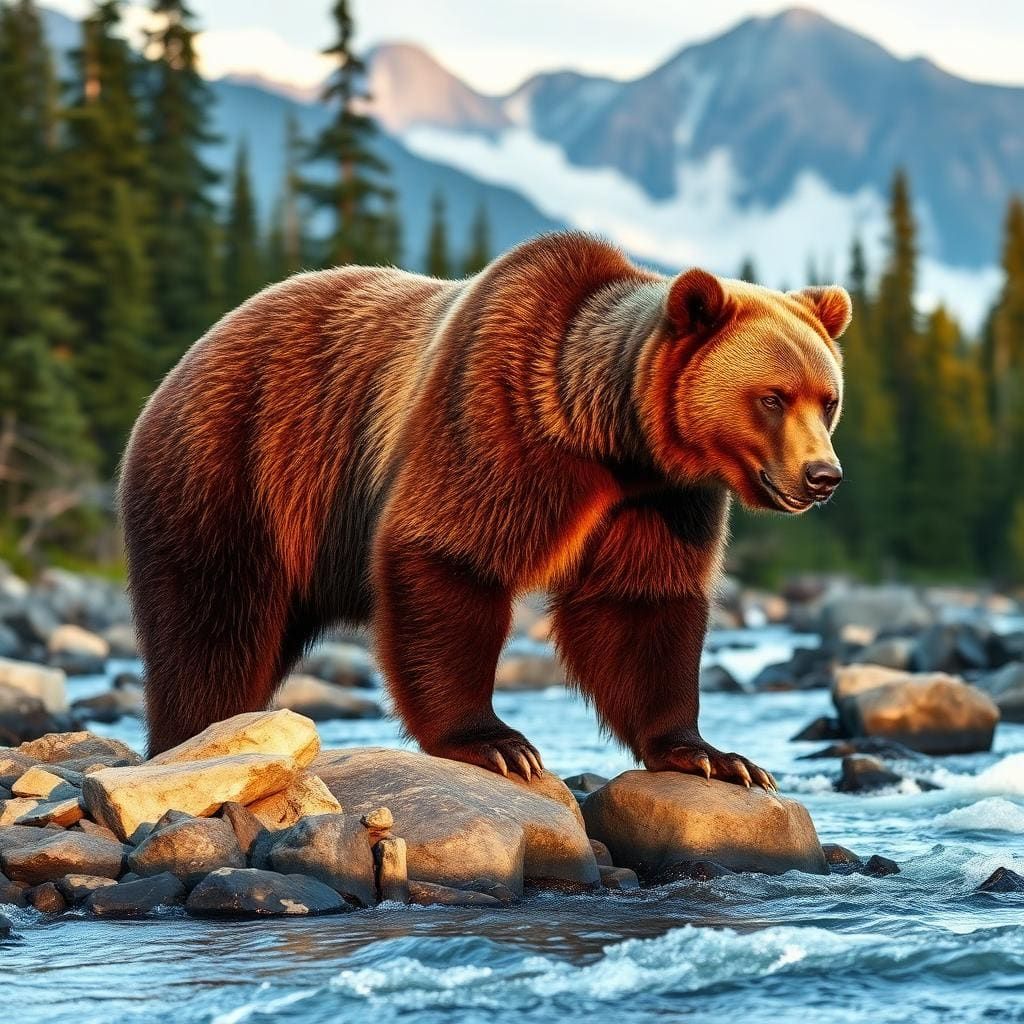
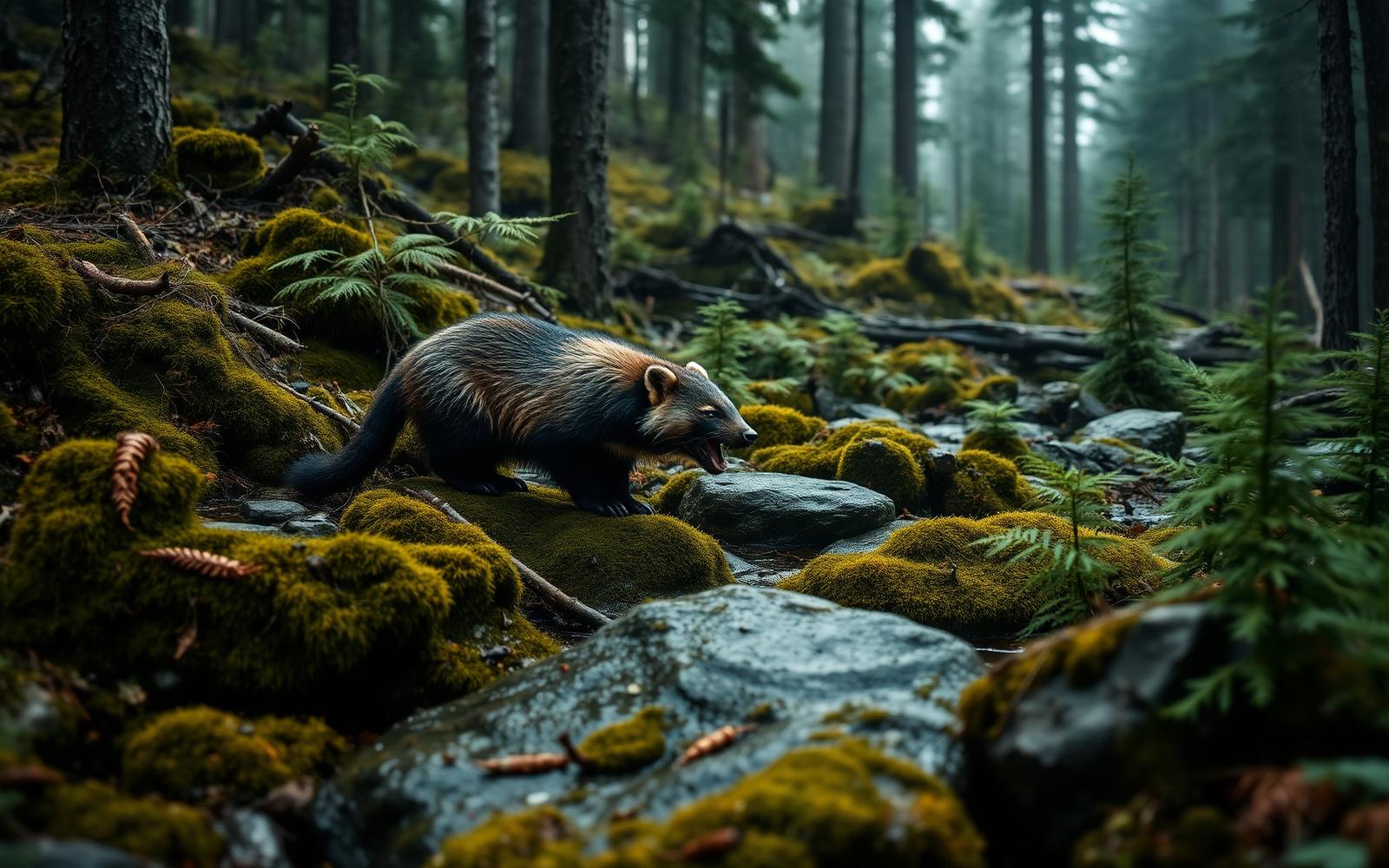
Glacier harbors the largest intact population of grizzly bears in the lower 48 states, alongside robust populations of black bears, mountain goats, bighorn sheep, and gray wolves. July is prime hyperphagia territory as bears move into alpine avalanche chutes and subalpine meadows to feed on fresh grasses, glacier lilies, and cow parsnip. Carrying bear spray in an immediately accessible holster is mandatory on every mile of trail, and hiking in groups while calling out around blind corners is standard operating procedure. Backcountry campsites feature dedicated food-hanging cables or bear-proof metal lockers, and food storage regulations are strictly enforced in frontcountry campgrounds to protect both visitors and the native wildlife.
The Core Trail Networks
The park's crown jewel routes rely entirely on July snowmelt. The Highline Trail, clinging to the Garden Wall from Logan Pass to Granite Park Chalet, gives hikers continuous panoramic views into the Livingston Range without massive elevation swings. Further east, Many Glacier acts as the staging ground for routes to Grinnell Glacier, Iceberg Lake, and the Ptarmigan Tunnel, where trail crews blast through solid rock to connect remote valleys. For backpackers, the multi-day crossing from Kintla Lake to Bowman Lake over Boulder Pass in the North Fork district opens late in the month, offering a rugged, technical wilderness experience far removed from the paved tourist arteries.
Vehicle Reservations and Logistics
Managing logistics in July requires planning months in advance. The National Park Service implements timed-entry vehicle reservation systems for Going-to-the-Sun Road and Many Glacier during peak daytime hours to mitigate gridlock. Backcountry permits must be secured through Recreation.gov early in the spring, with a small allocation reserved for walk-ups that draw predawn queues outside ranger stations. Logan Pass parking fills completely well before 7:00 AM every single morning in July, forcing unreserved travelers to rely on the park's free shuttle fleet, which comes with its own peak-hour wait times. Entering before the reservation window opens remains the standard work-around for early-bird alpine starts.
Crowd Mitigation Strategies
Experiencing solitude in Glacier during peak summer is entirely about timing and route selection. The highest traffic concentrates along the fifty miles of Going-to-the-Sun Road, particularly between Avalanche Creek and St. Mary. Hikers willing to tackle routes exceeding ten miles or gaining more than two thousand vertical feet will shake off ninety percent of the day-use crowd within the first two miles. Exploring alternate park units like Two Medicine, Goat Haunt, or the gravel-road accessed North Fork offers a quieter, wilder perspective without sacrificing glacial scenery. Starting on the trail at sunrise guarantees solitary miles, cooler temperatures, better wildlife viewing, and reliable parking at trailhead turnouts.
How we picked
We built this ranking from trip reports, agency data, permit records, and our editors' own time on the ground. 10 places made the final cut out of a much longer working list, and each one had to clear the same set of criteria before it earned a spot.
- Quality of the terrain
- Landscape, route variety, and whether the place rewards multiple days rather than one overlook.
- Season and weather windows
- How long the reliable window is, and how badly the shoulder seasons punish a bad forecast.
- Access and permits
- Trailhead logistics, permit odds, quotas, and how much lead time a trip realistically takes.
- Solitude vs. crowding
- How far you have to walk before the place feels like wilderness instead of a queue.
- Wildlife and ecology
- What you can reasonably expect to see, and what you have to plan around.
- Risk and skill required
- Navigation, water crossings, exposure, and rescue distance — stated plainly.
Glacier National Park — frequently asked questions
- Is Glacier National Park worth the trip?
- We rank it #1 in US Destinations in July. Full access: Going-to-the-Sun, Many Glacier, and high passes open.
- Who is Glacier National Park best for?
- Best for highline alpine day hiking, multi-day backcountry traversing, wildlife and landscape photography and scenic alpine road cycling. Standouts: peak trail access as high-elevation passes and roads melt out fully and spectacular subalpine wildflower blooms along the continental divide.
- What are the drawbacks of Glacier National Park?
- Severe parking shortages at major trailheads like Logan Pass by 7:00 AM, Stringent vehicle reservation rules and high competition for permits and Wildfire smoke risk begins rising during dry, late-July stretches.
- What are the key details for Glacier National Park?
- Location: Northwestern Montana · Total Area: 1,012,837 acres · Highest Peak: Mount Cleveland (10,466 ft) · Pass Elevation: Logan Pass (6,646 ft) · Peak Season: July through August
- Alpine Terrain and Geology — what should I know about the Glacier National Park?
- The park occupies a uniquely carved section of the Lewis Range where ancient sedimentary rocks were shoved eastward over younger Cretaceous formations. Massive Pleistocene glaciers carved dramatic U-shaped troughs, razor-thin arêtes, and sheer cirques that frame hundreds of glacially fed tarns.
- Navigating July Weather Windows — what should I know about the Glacier National Park?
- July delivers the warmest, driest weather of the year, but alpine conditions in northern Montana remain volatile. Valley temperatures can climb into the upper eighties, yet high passes routinely plunge near freezing during overnight bivouacs or unexpected fronts.
Where on earth
Satellite imagery flying in from a world view to Glacier National Park, Montana, United States. Use the + / − buttons, or click the map to zoom with your scroll wheel; drag to pan and pinch to zoom on touch.
Glacier National Park, Montana, USA · 48.756, -113.780
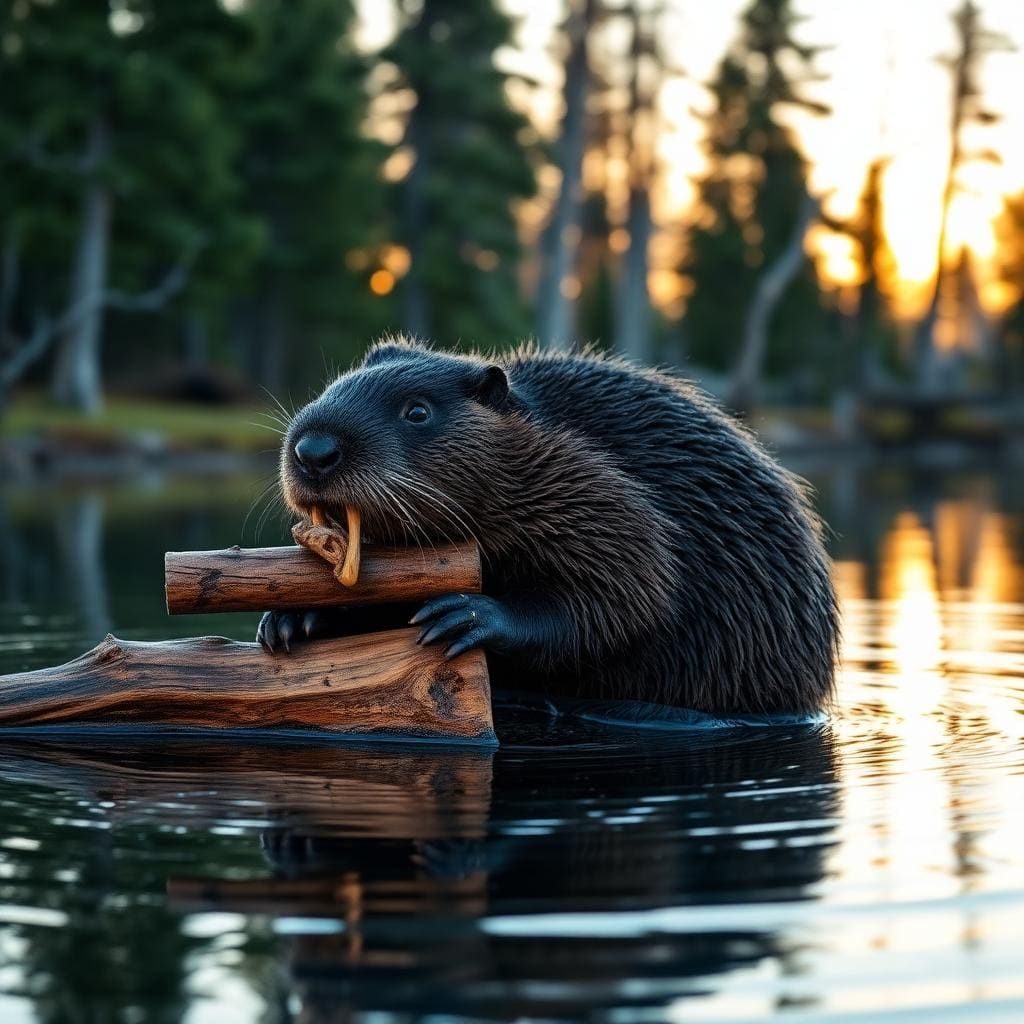
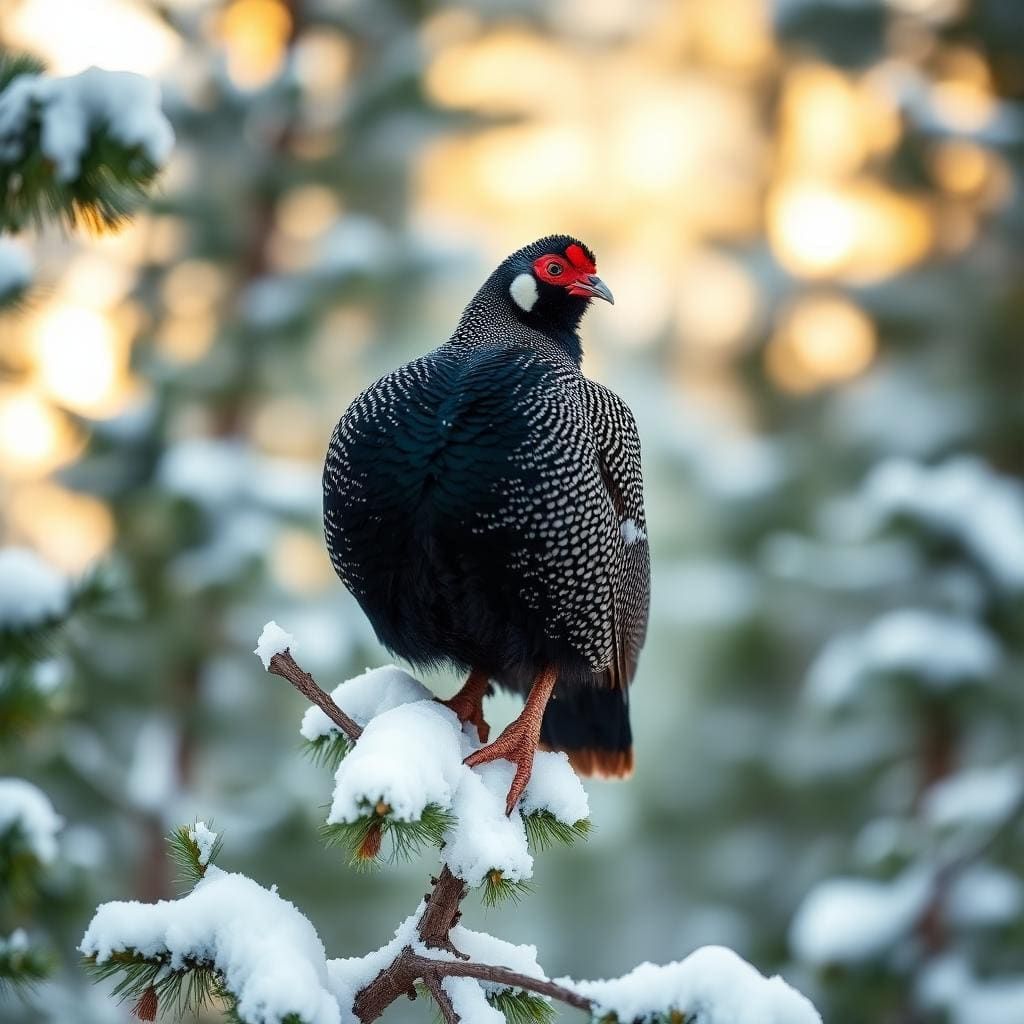
Wildlife found around Glacier National Park



Compare side by side
Put the Glacier National Park against any other pick on this list — specs, price, pros, cons and reader ratings.