



Reader rating
Rate it and you move it. Community ratings re-rank this product inside its Top 10 list.
Expert-picked, reader-ranked. Our editors choose the products and the launch order; member star ratings move picks up or down over time.
Waterfalls run with snowmelt; cottonwoods leaf out in the canyon.
Pros
- Mild daytime hiking weather without punishing summer heat
- Active waterfalls and surging canyon streams from seasonal snowmelt
- Fewer tourists early in the month before peak spring break travel
- Budding cottonwoods provide fresh color contrast against red canyon walls
Cons
- High river flow and frigid water frequently close The Narrows
- Lingering ice and snow on high-elevation rim trails require traction gear
- Mid-to-late March brings heavy spring break shuttle lines and parking congestion
Best uses
- Day hikes on lower trails
- Sandstone big-wall photography
- Early season desert escapes
- Cool-weather rim climbing
Specifications
- Location
- Southwestern Utah, USA
- March Temperatures
- Highs around 63°F, lows around 36°F
- Primary Geology
- Navajo Sandstone, 2,000-foot canyon walls
- Canyon Shuttle
- Mandatory service resumes early March
- Park Elevation
- 3,666 to 8,726 feet
- Standard Entry
- $35 per private vehicle (valid 7 days)
Best for
Day hikes on lower trails, Sandstone big-wall photography, Early season desert escapes, Cool-weather rim climbing
Zion in March occupies a distinct seasonal seam. Deep Navajo sandstone canyons are shedding winter freeze, feeding runoff into ephemeral waterfalls that cascade down sheer vertical walls. In the canyon floor, cottonwoods begin showing lime-green buds while snow still crusts the higher rim trails. The trade-offs are real and require planning. The Virgin River typically runs cold, high, and fast from snowmelt, which frequently shuts down The Narrows to wading. High-elevation paths like the West Rim can harbor treacherous black ice. Yet the oppressive, triple-digit heat of midsummer is months away, daytime temperatures hover in the low 60s, and the main canyon shuttle resumes service to keep vehicle gridlock in check. This is shoulder season done right for hikers who value cool air, dynamic light, and raw hydrology over postcard-perfect swim holes. You get the scale of big-wall desert topography with running water in places that are bone-dry by May.
Terrain and Hydrology
The park is defined by the 2,000-foot Navajo sandstone walls carved by the North Fork of the Virgin River. In March, hydrology rules the landscape. Snowpack melting across the Markagunt Plateau drains southward, turning normally dormant alcoves into temporary torrents and driving up river volume. Weeping Rock drips heavily, while seasonal falls like those below the Court of the Patriarchs roar against red rock. At canyon floor level, around 4,000 feet, gravel terraces and riparian corridors provide flat walking, but moving upward means tackling steep switchbacks chiseled directly into slickrock joints. Shaded side canyons stay damp and chilly, holding pockets of winter cold that keep trail surfaces slick long after sunrise.
Weather and Layering
March brings high variability to southwestern Utah. Afternoon highs in the main canyon regularly reach comfortable hiking temperatures in the low 60s, but overnight lows sink near freezing. A sunny morning can give way to a brisk Pacific frontal system dropping sleet or rain within an hour. Dressing for Zion this time of year demands a versatile shell and midlayers you can shed on steep climbs like Scout Lookout. Morning frost often glazes shaded trail sections, particularly on the paved riverside walks and the canyon rim approaches. Wind funnels forcefully through narrow canyon corridors, cutting through sweat-soaked base layers the moment you stop moving. Expect to cycle through gloves, windbreakers, and sun hats across a single outing.
Key Routes and Access
Angels Landing remains the marquee objective, reachable via the paved switchbacks of Walter's Wiggles and a chain-assisted spine of sandstone. In March, you must secure a seasonal lottery permit to climb past Scout Lookout. The Narrows, by contrast, is often off-limits; river discharge frequently exceeds the 150 cubic-feet-per-second safety cutoff due to spring runoff, and water temperatures hover near 40 degrees Fahrenheit. Reliable dry alternatives include the Canyon Overlook Trail on the east side, which delivers expansive views without shuttle waits, and the lower sections of the West Rim Trail. Watch the East Rim routes closely, as freeze-thaw cycles often trigger rockfalls that lead to temporary, unannounced trail closures.
Wildlife Encounters
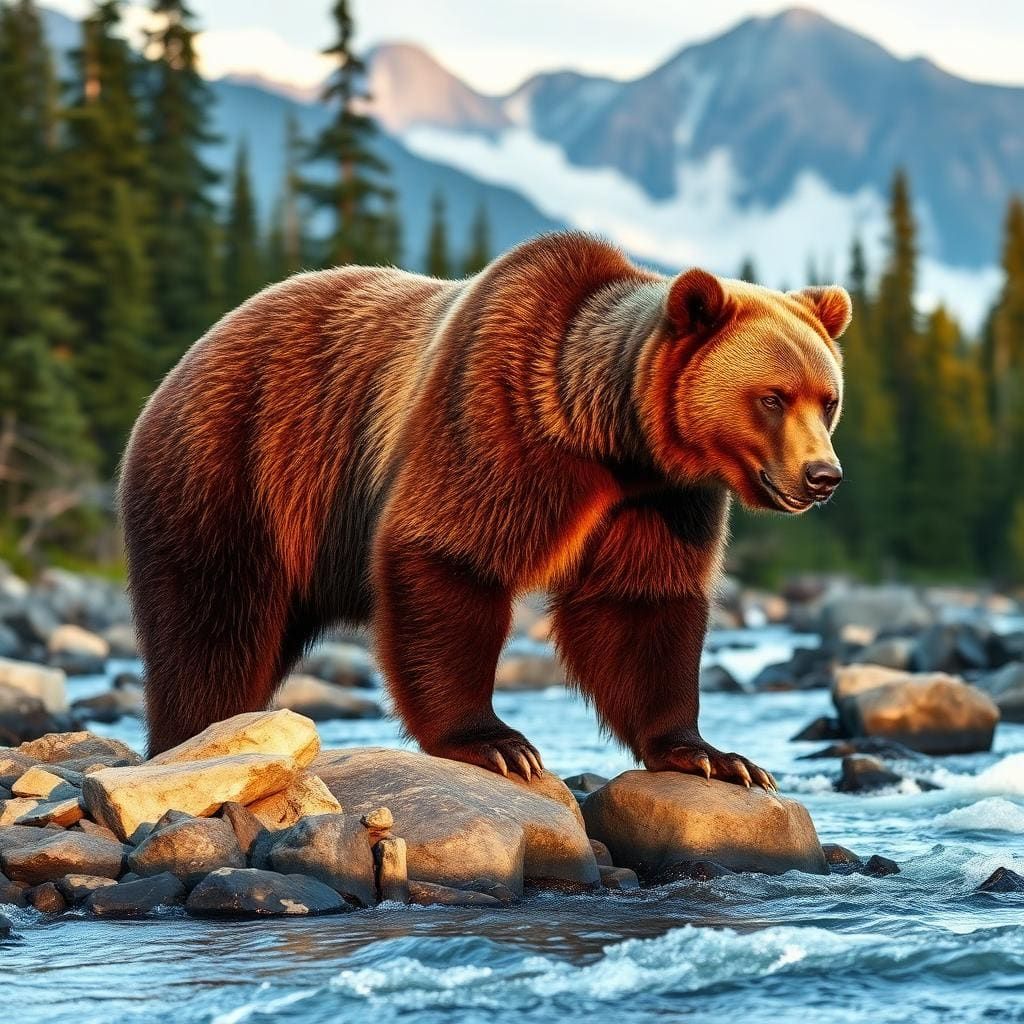
Wildlife activity ramps up as forage greens along the valley floor. Desert bighorn sheep are commonly spotted picking across the rugged slickrock along the Zion-Mount Carmel Highway east of the long tunnel. Scan high cliff bands for California condors, which roost on towering buttresses near Angels Landing and the Kolob Terrace; their ten-foot wingspans are unmistakable against sandstone faces. Mule deer browse heavily among the budding cottonwoods and box elders near the Zion Lodge lawn, largely unbothered by hikers. Ringtails and Mexican spotted owls remain elusive, sheltering in cool, remote slot canyons. Rattlesnakes generally remain dormant in March, though unseasonably warm afternoons can occasionally coax them onto sun-baked southern rock faces.
Permits and Logistics
Spring break crowds descend on Springdale starting mid-March, making pre-trip planning essential. The Zion Canyon Shuttle system operates continuously, meaning private vehicles cannot drive the main canyon scenic drive once shuttle service starts. Boarding queues at the visitor center swell by 8:00 AM, so catching the first morning buses is the best way to beat bottlenecks. Angels Landing requires a day-use permit won via seasonal or day-before lotteries on Recreation.gov. If you intend to backpack the higher wilderness plateaus, carry microspikes, as snow lingers on high-elevation segments well into April. In-town lodging in Springdale books months ahead; staying in Hurricane or Rockville offers dependable backup lodging within a short driving radius.
Spring Hazards and Realities
Spring hazards in Zion center on water and cold exposure. The Virgin River runs turbid and fast, and wading without a drysuit, neoprene booties, and stout wading poles invites hypothermia or injury. Even outside the main river, narrow side canyons carry flash-flood potential when warm rain melts high-country snowpack. Sandstone turns greasy when wet, and north-facing slickrock retains invisible sheets of black ice on trails like Hidden Canyon and the upper West Rim. Cell reception is virtually nonexistent once you step off the canyon floor, so self-reliance is mandatory. Always check morning flow rates at the visitor center before committing to any slot route or low-lying canyon approach.
How we picked
We built this ranking from trip reports, agency data, permit records, and our editors' own time on the ground. 10 places made the final cut out of a much longer working list, and each one had to clear the same set of criteria before it earned a spot.
- Quality of the terrain
- Landscape, route variety, and whether the place rewards multiple days rather than one overlook.
- Season and weather windows
- How long the reliable window is, and how badly the shoulder seasons punish a bad forecast.
- Access and permits
- Trailhead logistics, permit odds, quotas, and how much lead time a trip realistically takes.
- Solitude vs. crowding
- How far you have to walk before the place feels like wilderness instead of a queue.
- Wildlife and ecology
- What you can reasonably expect to see, and what you have to plan around.
- Risk and skill required
- Navigation, water crossings, exposure, and rescue distance — stated plainly.
Zion National Park — frequently asked questions
- Is Zion National Park worth the trip?
- We rank it #2 in US Destinations in March. Waterfalls run with snowmelt; cottonwoods leaf out in the canyon.
- Who is Zion National Park best for?
- Best for day hikes on lower trails, sandstone big-wall photography, early season desert escapes and cool-weather rim climbing. Standouts: mild daytime hiking weather without punishing summer heat and active waterfalls and surging canyon streams from seasonal snowmelt.
- What are the drawbacks of Zion National Park?
- High river flow and frigid water frequently close The Narrows, Lingering ice and snow on high-elevation rim trails require traction gear and Mid-to-late March brings heavy spring break shuttle lines and parking congestion.
- What are the key details for Zion National Park?
- Location: Southwestern Utah, USA · March Temperatures: Highs around 63°F, lows around 36°F · Primary Geology: Navajo Sandstone, 2,000-foot canyon walls · Canyon Shuttle: Mandatory service resumes early March · Park Elevation: 3,666 to 8,726 feet
- Terrain and Hydrology — what should I know about the Zion National Park?
- The park is defined by the 2,000-foot Navajo sandstone walls carved by the North Fork of the Virgin River. In March, hydrology rules the landscape.
- Weather and Layering — what should I know about the Zion National Park?
- March brings high variability to southwestern Utah. Afternoon highs in the main canyon regularly reach comfortable hiking temperatures in the low 60s, but overnight lows sink near freezing.
Where on earth
Satellite imagery flying in from a world view to Zion National Park, Utah, United States. Use the + / − buttons, or click the map to zoom with your scroll wheel; drag to pan and pinch to zoom on touch.
Zion National Park, Utah, USA · 37.298, -113.026
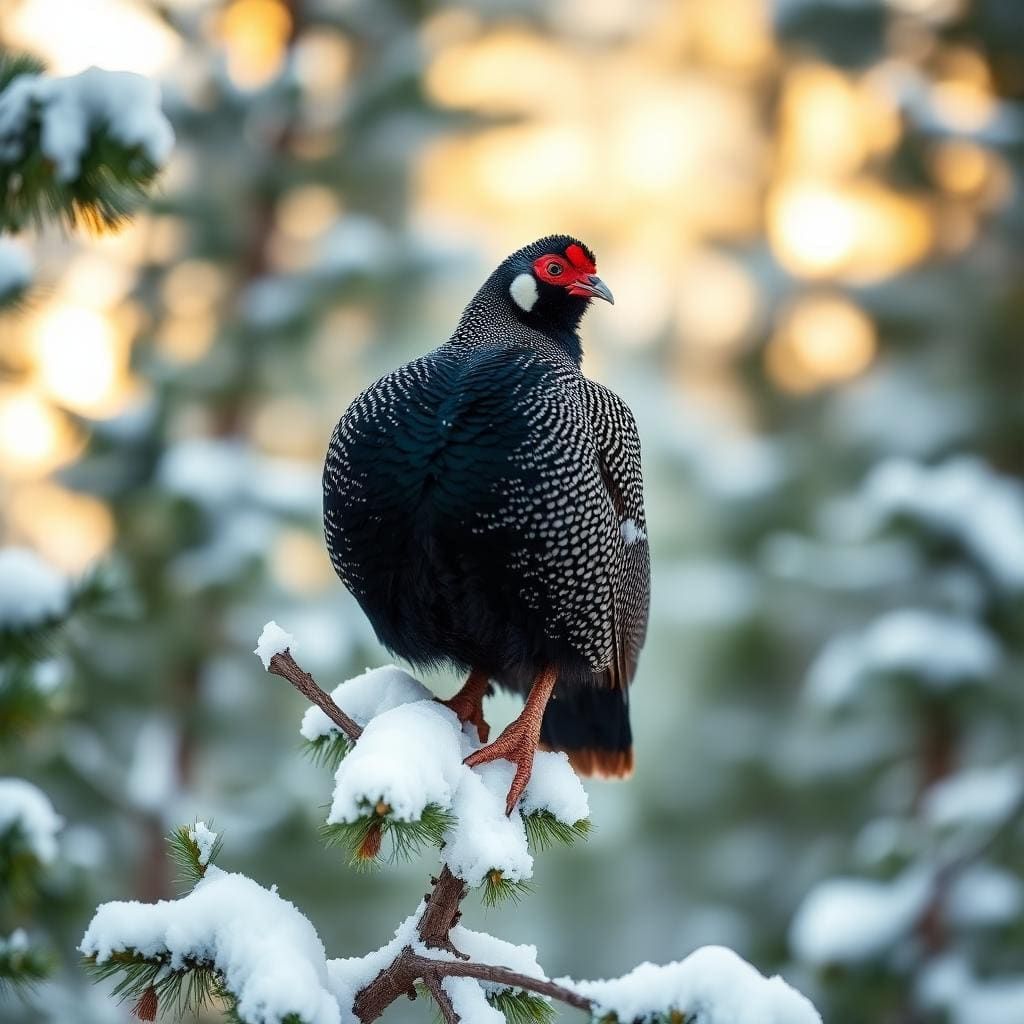
Wildlife found around Zion National Park






Compare side by side
Put the Zion National Park against any other pick on this list — specs, price, pros, cons and reader ratings.