



Reader rating
Rate it and you move it. Community ratings re-rank this product inside its Top 10 list.
Expert-picked, reader-ranked. Our editors choose the products and the launch order; member star ratings move picks up or down over time.
Lowland rainforest at its greenest; beaches clear of storms.
Pros
- Rainforests display peak lushness and vibrant moss growth
- Winter coastal storms subside into manageable weather windows
- Low-elevation river valleys offer 10-plus miles of snow-free trails
- Significantly lower permit competition and trail traffic than midsummer
Cons
- High alpine zones and mountain passes are deeply snowbound
- Persistent dampness and rain require uncompromising wet-weather systems
- Coastal headlands present severe entrapment hazards on incoming tides
Best uses
- Lowland river backpacking
- Wilderness coastal beach camping
- Old-growth forest photography
- Spring elk viewing
Specifications
- Location
- Olympic Peninsula, Washington
- Acreage
- 922,650 acres
- May Valley Highs
- 55°F to 62°F
- Snowline
- Roughly 3,500 to 4,000 feet
- Overnight Permits
- Required via Recreation.gov
- Primary Hazards
- Tidal traps, hypothermia, cold rivers
Best for
Lowland river backpacking, Wilderness coastal beach camping, Old-growth forest photography, Spring elk viewing
Olympic in May is a park split by elevation. High-country ridges and passes remain buried under consolidated winter snowpack, but the valley floors and coastal margins hit their seasonal prime. The temperate rainforests run loud with snowmelt, mosses swell under perpetual mist, and the massive Sitka spruce and western hemlock canopies shelter an understory bursting with early growth. Along the Pacific coastline, the destructive winter swells taper off, opening up long stretches of wilderness beach walking that are treacherous just two months earlier. Days lengthen noticeably, providing plenty of daylight to negotiate rocky headlands and boulder-strewn tidal flats without racing the sunset. You come here in May to hike the river corridors and camp beside pounding surf, not to tag glaciated summits. It demands reliable waterproof layers, careful attention to tide charts, and acceptance of damp mornings. In exchange, you get wild coastal solitude and vibrant green river bottoms before the crushing summer tourist traffic jams Highway 101.
Geography and Microclimates
The Olympic Peninsula contains three radically distinct ecosystems packed into a single geographic thumb: rugged glaciated mountains, dense temperate rainforests, and more than seventy miles of wilderness coastline. In May, these zones function under completely different rules. The central massif acts as a weather barrier, capturing incoming Pacific fronts and dropping immense moisture on the western river valleys while creating a pronounced rain shadow near Sequim to the northeast. Lowland valleys sit lush and green at near sea level, while elevations above 4,000 feet remain in deep freeze. Planning a trip requires deciding whether you want to camp under old-growth canopies, sleep on storm-scoured gravel beaches, or carry ice axes into technical spring snow. Most early-season visitors anchor their routes in the low-elevation western and southern corridors to maximize trail mileage.
May Weather Realities
Do not mistake spring on the peninsula for dry weather. While May sees less catastrophic storm activity than November or January, rain is a near certainty. Western valleys typically record between four and eight inches of rainfall during the month, arriving as persistent drizzle, sudden heavy squalls, or thick ocean fog that coats everything in moisture. Coastal temperatures hover in the low 50s during the day and drop into the low 40s at night, making damp chill a constant threat to backcountry travelers. Synthetic insulation, bombproof seam-sealed rain shells, and dry bags are mandatory gear rather than optional upgrades. The high country experiences freezing nights and wet snow transitions, meaning any venture toward alpine lakes requires winter navigation competence and avalanche awareness. Clear days happen, but smart backpackers pack as if wet weather will dominate.
Lowland River Corridors
The river valleys offer the finest May hiking on the peninsula. Routes like the Hoh River Trail and the East Fork Quinault provide dozens of miles of relatively flat, snow-free walking through cathedral groves of old-growth timber. The Hoh trail allows up to thirteen miles of travel before hitting significant snow near the Olympus Guard Station and the subsequent climb to Blue Glacier. Along the trail, massive bigleaf maples drip with club moss, nurse logs feed towering hemlock saplings, and the river runs high with glacial silt and spring runoff. The Bogachiel and Duckabush rivers offer similarly rugged options with fewer footprints. Footpaths in May are frequently muddy, with saturated sections and slick cedar bridges that demand aggressive boot lugs and trekking poles. River fords run cold, fast, and dangerous from meltwater, so stick to established bridge crossings whenever possible.
Coastal Wilderness Routes
The coastal strip from Rialto Beach north to Cape Alava offers true wilderness beach backpacking. May is ideal for this zone because winter gale warnings subside, yet summer fog banks are not yet permanent fixtures. Hiking here requires moving across loose gravel, scrambling over slick sea stacks, and navigating fields of massive driftwood washouts. The defining challenge is the tide. Multiple headlands along Rialto, Ozette, and Shi Shi beach become impassable at high water, trapping hikers against sheer clay cliffs. Carrying an accurate, localized NOAA tide chart and a working watch is non-negotiable. Campsites sit tucked just inside the coastal forest edge, offering minimal shelter from offshore winds. Campers must use approved hard-sided bear canisters, not just for bears, but to keep raccoons and mice from chewing through gear in search of salt and food scraps.
Spring Wildlife Movement
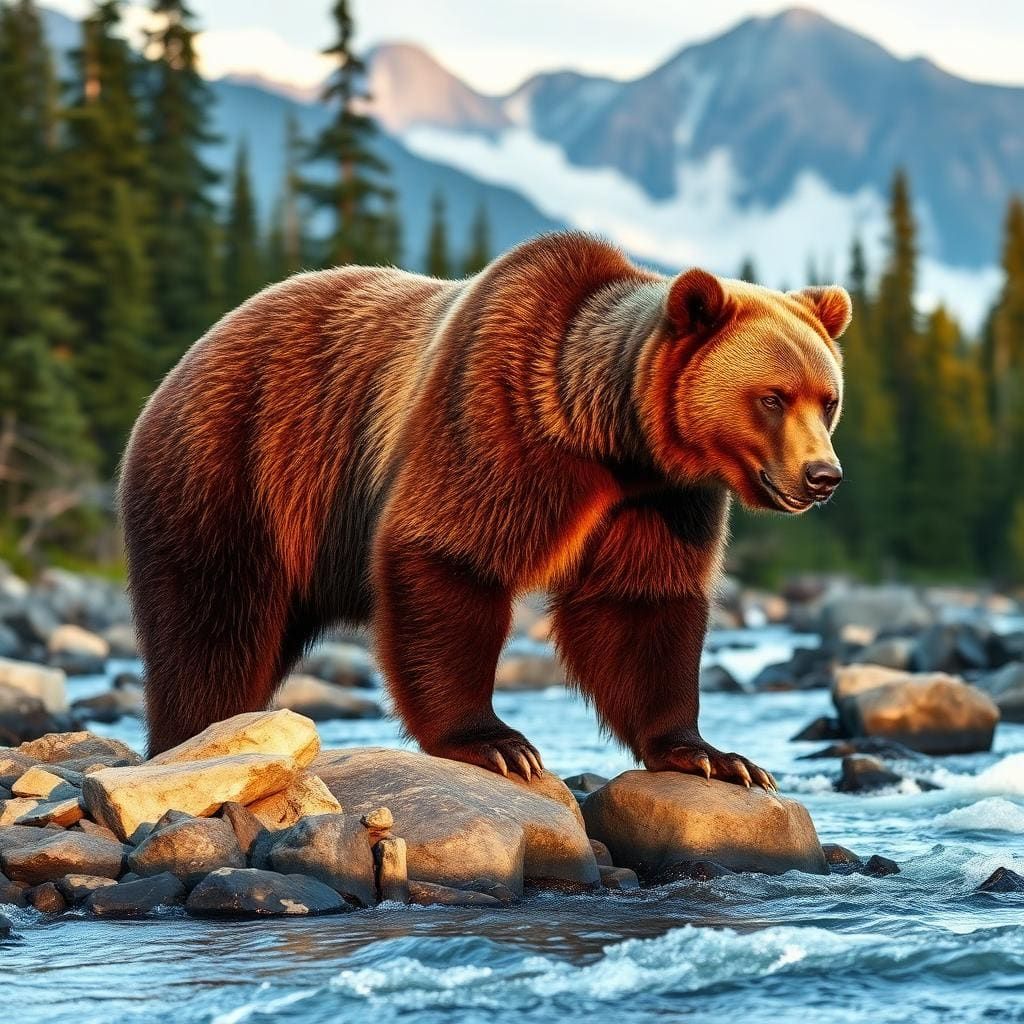
May initiates critical wildlife activity across the peninsula. Roosevelt elk, the largest remaining wild herd in North America, congregate in the river bottoms where fresh forage emerges first. Calving season begins in late May, meaning cows are fiercely protective and require generous space. Black bears emerge from winter dens and head directly to tidal flats and estuary margins, overturning beach stones for crustaceans or grazing on succulent beach grasses. In the marine zones, harbor seals haul out on exposed rocks, and bald eagles stage along river channels to hunt early-run sea trout. May also coincides with the tail end of the northbound gray whale migration, visible from high headlands like Cape Flattery or Rialto's Hole-in-the-Wall. Carry binoculars, keep camp kitchens spotless, and maintain wide berths around all large mammals.
Access and Permits
Overnight stays anywhere in the backcountry require an Olympic National Park Wilderness Permit, reserved in advance through Recreation.gov. Popular zones like the Hoh River, Enchanted Valley, and coastal campsites operate under quotas, though May dates are far easier to secure than peak July weekends. Bear canisters are legally mandated across the entire coastal strip and in designated subalpine zones. Road access is generally reliable for low-elevation trailheads along Highway 101, but seasonal access roads like the Hoh, Sol Duc, and Quinault can suffer brief washouts after heavy spring downpours. Following the 2023 day lodge fire, Hurricane Ridge operates under strict capacity controls and seasonal weather closures, with the road often restricted to weekends until late spring snow clearing concludes. Check park road condition reports before leaving cell service.
How we picked
We built this ranking from trip reports, agency data, permit records, and our editors' own time on the ground. 10 places made the final cut out of a much longer working list, and each one had to clear the same set of criteria before it earned a spot.
- Quality of the terrain
- Landscape, route variety, and whether the place rewards multiple days rather than one overlook.
- Season and weather windows
- How long the reliable window is, and how badly the shoulder seasons punish a bad forecast.
- Access and permits
- Trailhead logistics, permit odds, quotas, and how much lead time a trip realistically takes.
- Solitude vs. crowding
- How far you have to walk before the place feels like wilderness instead of a queue.
- Wildlife and ecology
- What you can reasonably expect to see, and what you have to plan around.
- Risk and skill required
- Navigation, water crossings, exposure, and rescue distance — stated plainly.
Olympic National Park — frequently asked questions
- Is Olympic National Park worth the trip?
- We rank it #7 in US Destinations in May. Lowland rainforest at its greenest; beaches clear of storms.
- Who is Olympic National Park best for?
- Best for lowland river backpacking, wilderness coastal beach camping, old-growth forest photography and spring elk viewing. Standouts: rainforests display peak lushness and vibrant moss growth and winter coastal storms subside into manageable weather windows.
- What are the drawbacks of Olympic National Park?
- High alpine zones and mountain passes are deeply snowbound, Persistent dampness and rain require uncompromising wet-weather systems and Coastal headlands present severe entrapment hazards on incoming tides.
- What are the key details for Olympic National Park?
- Location: Olympic Peninsula, Washington · Acreage: 922,650 acres · May Valley Highs: 55°F to 62°F · Snowline: Roughly 3,500 to 4,000 feet · Overnight Permits: Required via Recreation.gov
- Geography and Microclimates — what should I know about the Olympic National Park?
- The Olympic Peninsula contains three radically distinct ecosystems packed into a single geographic thumb: rugged glaciated mountains, dense temperate rainforests, and more than seventy miles of wilderness coastline. In May, these zones function under completely different rules.
- May Weather Realities — what should I know about the Olympic National Park?
- Do not mistake spring on the peninsula for dry weather. While May sees less catastrophic storm activity than November or January, rain is a near certainty.
Where on earth
Satellite imagery flying in from a world view to Olympic National Park, Washington, United States. Use the + / − buttons, or click the map to zoom with your scroll wheel; drag to pan and pinch to zoom on touch.
Olympic National Park, 3002 Mt Angeles Rd, Port Angeles, WA 98362, USA · 47.802, -123.604
Wildlife found around Olympic National Park





Compare side by side
Put the Olympic National Park against any other pick on this list — specs, price, pros, cons and reader ratings.