



Reader rating
Rate it and you move it. Community ratings re-rank this product inside its Top 10 list.
Expert-picked, reader-ranked. Our editors choose the products and the launch order; member star ratings move picks up or down over time.
Roads open, bears and bison calves are out, crowds haven't peaked.
Pros
- Prime season for seeing grizzly bears, wolves, and newborn bison calves
- Far fewer vehicles and tour buses compared to peak summer months
- High thermal feature steam contrast in crisp morning air
- Photogenic combination of spring green valleys and snowy peaks
Cons
- Sudden late-spring blizzards can temporarily close interior roads
- Most hiking trails are impassable due to snowpack or deep mud
- Limited operating campgrounds, lodges, and general park services
Best uses
- Dawn wildlife observation
- Shoulder-season landscape photography
- Self-contained road tripping
- Low-crowd geothermal touring
Specifications
- Location
- Northwest Wyoming, Montana, Idaho
- Acreage
- 2,219,789 acres
- Average May Temps
- High 51°F, Low 28°F
- Road Status
- Phased openings through mid-to-late May
- Primary Focus
- Grizzly emergence and bison calving
- Crowd Density
- Moderate to low compared to summer peak
Best for
Dawn wildlife observation, Shoulder-season landscape photography, Self-contained road tripping, Low-crowd geothermal touring
May marks an abrupt transitional period across the world's first national park. Deep winter snows yield to rapid meltwater, interior corridors finish unlocking after months of closure, and the northern valleys shake off sub-zero stasis. Low-elevation floors like the Lamar and Hayden valleys begin greening up, while high passes like Dunraven remain banked under stubborn drift. Wildlife provides the definitive reason to visit during this shoulder window. Grizzly and black bears actively patrol the lower sage flats and thermal edges for winter-kill carcasses and fresh shoots. Bison herds drop their orange-coated calves, known locally as red dogs, offering raw, unvarnished natural history observation before the suffocating tourist volume of mid-summer arrives. The trade-off is volatile weather and austere services. Warm morning sun frequently flips into a blinding late-spring squall by afternoon. Frontcountry campgrounds and park lodges operate at limited capacity until late in the month, demanding self-reliance from travelers willing to layer up and adapt on the fly.
Late-Spring Geography and Terrain
Yellowstone rests across a massive volcanic plateau averaging roughly 8,000 feet in elevation, a geographical reality that dictates early-season travel far more than the calendar does. Lower river bottoms like the Gardiner and northern range thaw out first, exposing sagebrush steppes and rocky terraces. Meanwhile, the central plateaus and remote high-country zones stay locked under wet, rotten snowpack that prevents standard foot travel. Thermal basins steam violently against the cold morning air, and boardwalks around the Upper and Lower Geyser basins are generally clear, though early morning frost demands traction. Runoff creeks and major rivers swell into roaring, murky torrents of glacial melt, eliminating backcountry river fords and rendering standard trout fly-fishing impossible until flows stabilize later in summer.
Shoulder Season Wildlife Dynamics
May delivers North America's premier ungulate and predator viewing window. Grizzly sows emerge from high-elevation dens with newborn cubs, frequently scouring roadside meadows and alluvial plains alongside foraging black bears. In Lamar Valley, bison nursery herds form dense clusters where newborn calves test their legs, naturally attracting wolf packs within range of valley spotting scopes. Elk begin their annual drop near Mammoth Hot Springs, where protective cows defend calves aggressively against naive tourists. Migratory waterfowl and raptors return along the Yellowstone River corridors, filling the wetlands with pelicans, osprey, and trumpeter swans. Animal jams still happen on the roads, but the lack of tour bus gridlock allows observers to study authentic, uninterrupted animal behavior across broad open landscapes.
Unpredictable Weather and Layering
Packing for a May trip requires preparing for all four seasons in a single twelve-hour span. Clear mornings can warm into the mid-50s under direct sun, yet dropping temperatures frequently pull the mercury down into the twenties overnight. Pacific storm systems routinely push over the Absaroka Range, dropping heavy, wet slush that closes newly opened mountain passes on short notice. Mud season dominates any ground off paved boardwalks; you will need rugged, waterproof footwear and windproof outer shells that cut through biting valley drafts. Cotton layers should stay at home in favor of wool and synthetic insulation. Vehicles should carry winter-rated tires, functional washer fluid, and cold-weather emergency kits in case an unexpected road closure traps you along an interior route.
Road Openings and Logistics
Your daily itinerary hinges on the National Park Service's phased spring road opening schedule. The northern corridor linking Gardiner, Montana, to Cooke City stays open year-round and serves as the primary artery for dawn wildlife expeditions. Southern, western, and eastern arterial entrances usually open to passenger vehicles during the first half of May, while Dunraven Pass often holds out until late in the month. Always check live road condition reports before departing your lodging, as sub-freezing night temperatures often lead to temporary morning gate holds for snow removal or black ice clearing. Fuel and services remain sparse throughout the park interior during May, meaning tanks should be topped off in gateway towns before committing to deep interior loops.
Camping and Backcountry Reality
Lodging and camping require deliberate planning because the park is operating well below full operational capacity. Most interior hotels, general stores, and commercial campgrounds remain shuttered until Memorial Day weekend, leaving only a handful of frontcountry sites open for self-contained campers. Backcountry hiking is strictly curtailed; higher elevation trails require skis or snowshoes, while lower tracks are sloppy quagmires of mud and saturated turf. Furthermore, hungry bears concentrate their movements along these exact low-elevation river flats and trail corridors. Carry bear spray mounted to your hip or chest harness rather than buried in a pack, maintain mandatory campsite clean-storage protocols, and limit wilderness travel to short, accessible day treks on established, thawed routes.
Crowd Patterns and Etiquette
May visitor volume is a fraction of the mid-summer rush, granting quiet mornings at otherwise chaotic landmarks like Old Faithful and the Grand Canyon of the Yellowstone. However, lighter traffic frequently leads visitors into dangerous complacency around wildlife. Park rangers strictly enforce separation minimums: stay at least 100 yards away from bears and wolves, and 25 yards from all other wildlife, including unpredictable bison bulls and defensive elk cows. When pulling over to view wildlife, ensure all four tires clear the white fog line to maintain two-way traffic for commercial supply trucks and emergency responders. Bring high-magnification optics or long camera glass; attempting to close the distance on foot is both illegal and physically dangerous.
How we picked
We built this ranking from trip reports, agency data, permit records, and our editors' own time on the ground. 10 places made the final cut out of a much longer working list, and each one had to clear the same set of criteria before it earned a spot.
- Quality of the terrain
- Landscape, route variety, and whether the place rewards multiple days rather than one overlook.
- Season and weather windows
- How long the reliable window is, and how badly the shoulder seasons punish a bad forecast.
- Access and permits
- Trailhead logistics, permit odds, quotas, and how much lead time a trip realistically takes.
- Solitude vs. crowding
- How far you have to walk before the place feels like wilderness instead of a queue.
- Wildlife and ecology
- What you can reasonably expect to see, and what you have to plan around.
- Risk and skill required
- Navigation, water crossings, exposure, and rescue distance — stated plainly.
Yellowstone National Park — frequently asked questions
- Is Yellowstone National Park worth the trip?
- We rank it #1 in US Destinations in May. Roads open, bears and bison calves are out, crowds haven't peaked.
- Who is Yellowstone National Park best for?
- Best for dawn wildlife observation, shoulder-season landscape photography, self-contained road tripping and low-crowd geothermal touring. Standouts: prime season for seeing grizzly bears, wolves, and newborn bison calves and far fewer vehicles and tour buses compared to peak summer months.
- What are the drawbacks of Yellowstone National Park?
- Sudden late-spring blizzards can temporarily close interior roads, Most hiking trails are impassable due to snowpack or deep mud and Limited operating campgrounds, lodges, and general park services.
- What are the key details for Yellowstone National Park?
- Location: Northwest Wyoming, Montana, Idaho · Acreage: 2,219,789 acres · Average May Temps: High 51°F, Low 28°F · Road Status: Phased openings through mid-to-late May · Primary Focus: Grizzly emergence and bison calving
- Late-Spring Geography and Terrain — what should I know about the Yellowstone National Park?
- Yellowstone rests across a massive volcanic plateau averaging roughly 8,000 feet in elevation, a geographical reality that dictates early-season travel far more than the calendar does. Lower river bottoms like the Gardiner and northern range thaw out first, exposing sagebrush steppes and rocky terraces.
- Shoulder Season Wildlife Dynamics — what should I know about the Yellowstone National Park?
- May delivers North America's premier ungulate and predator viewing window. Grizzly sows emerge from high-elevation dens with newborn cubs, frequently scouring roadside meadows and alluvial plains alongside foraging black bears.
Where on earth
Satellite imagery flying in from a world view to Yellowstone National Park, United States. Use the + / − buttons, or click the map to zoom with your scroll wheel; drag to pan and pinch to zoom on touch.
Yellowstone National Park, United States · 44.598, -110.561
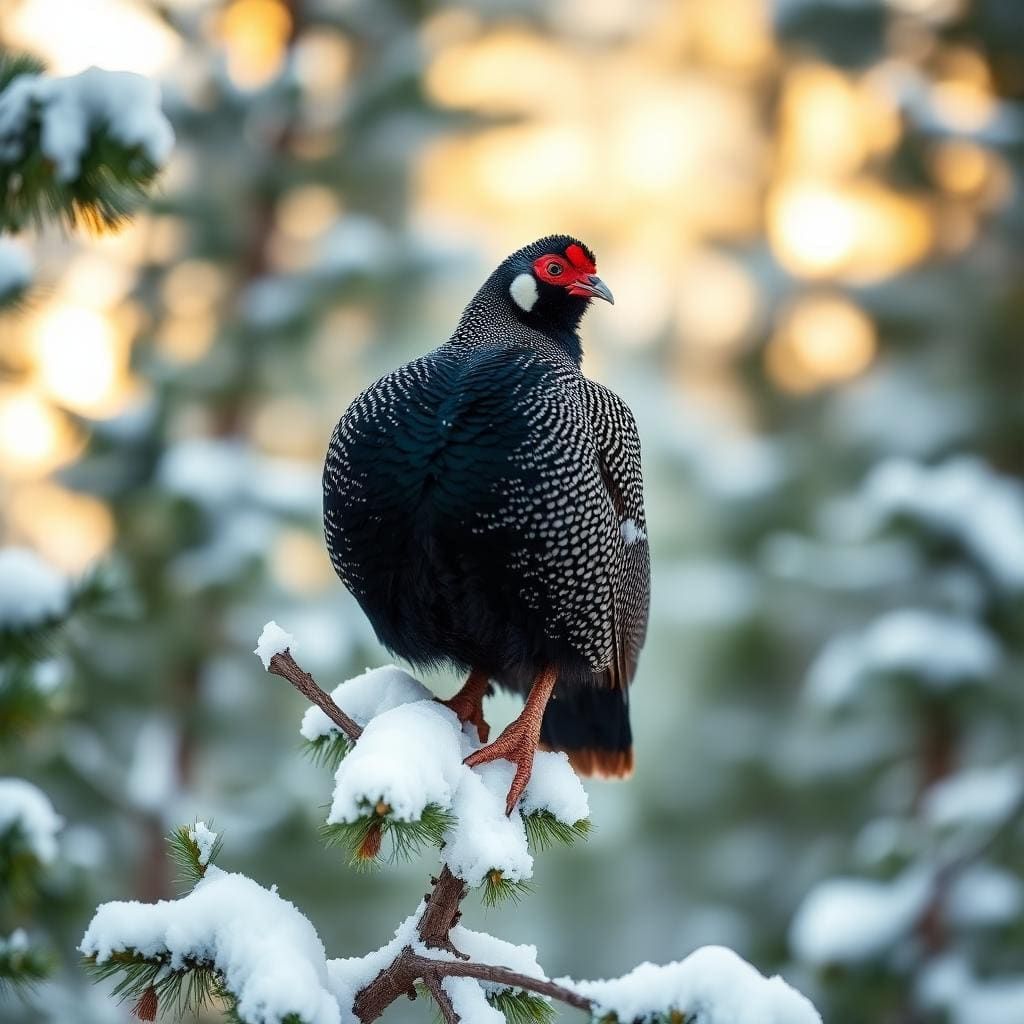
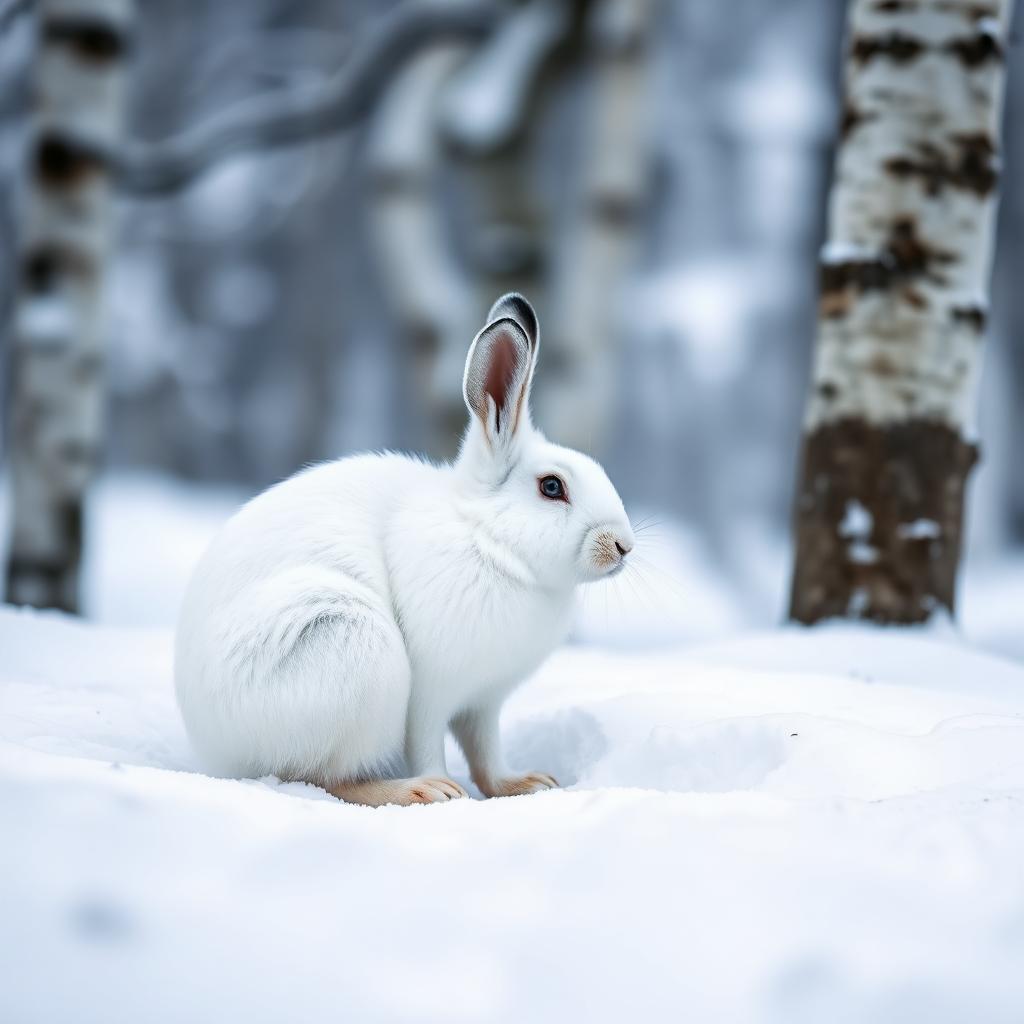
Wildlife found around Yellowstone National Park

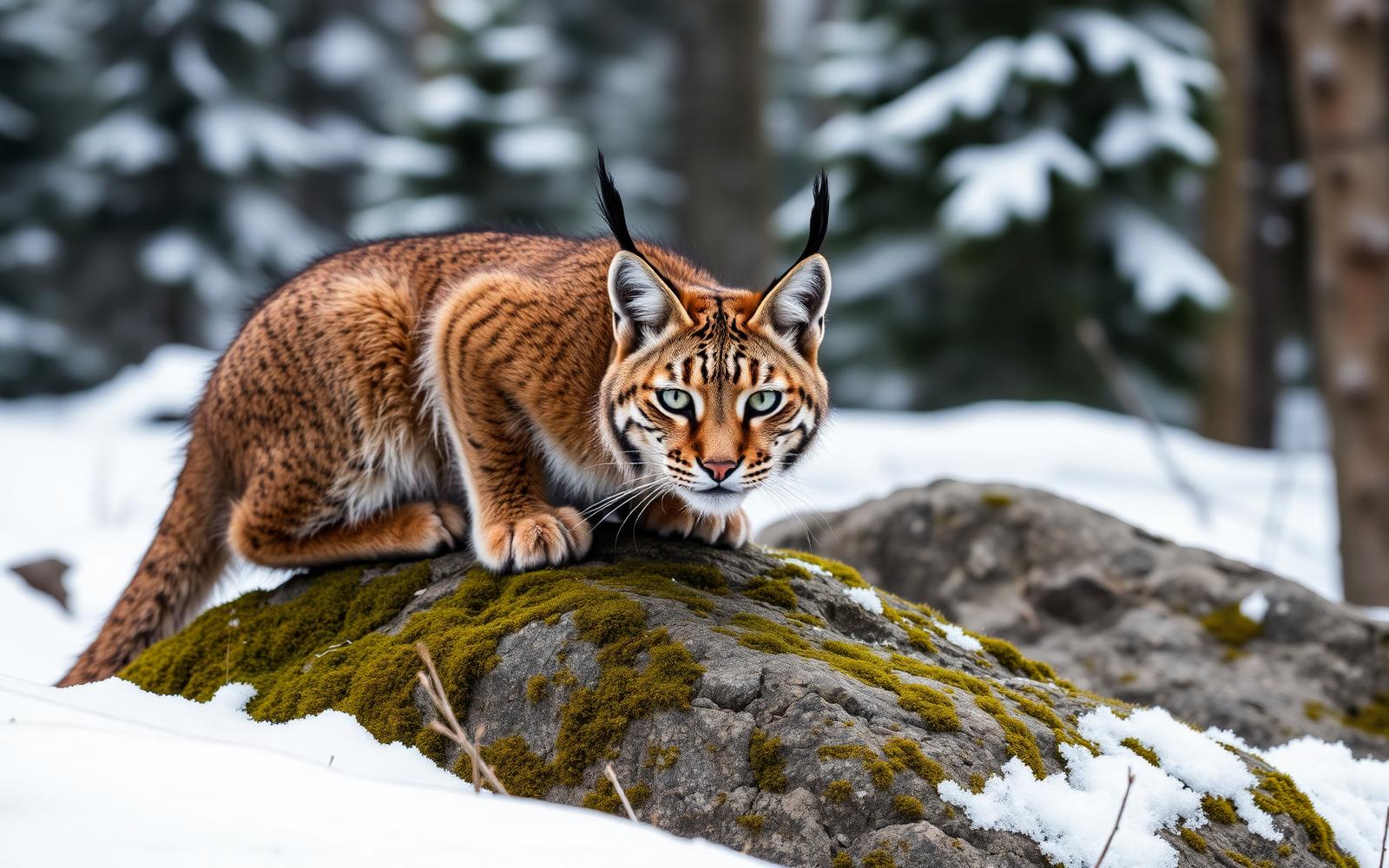

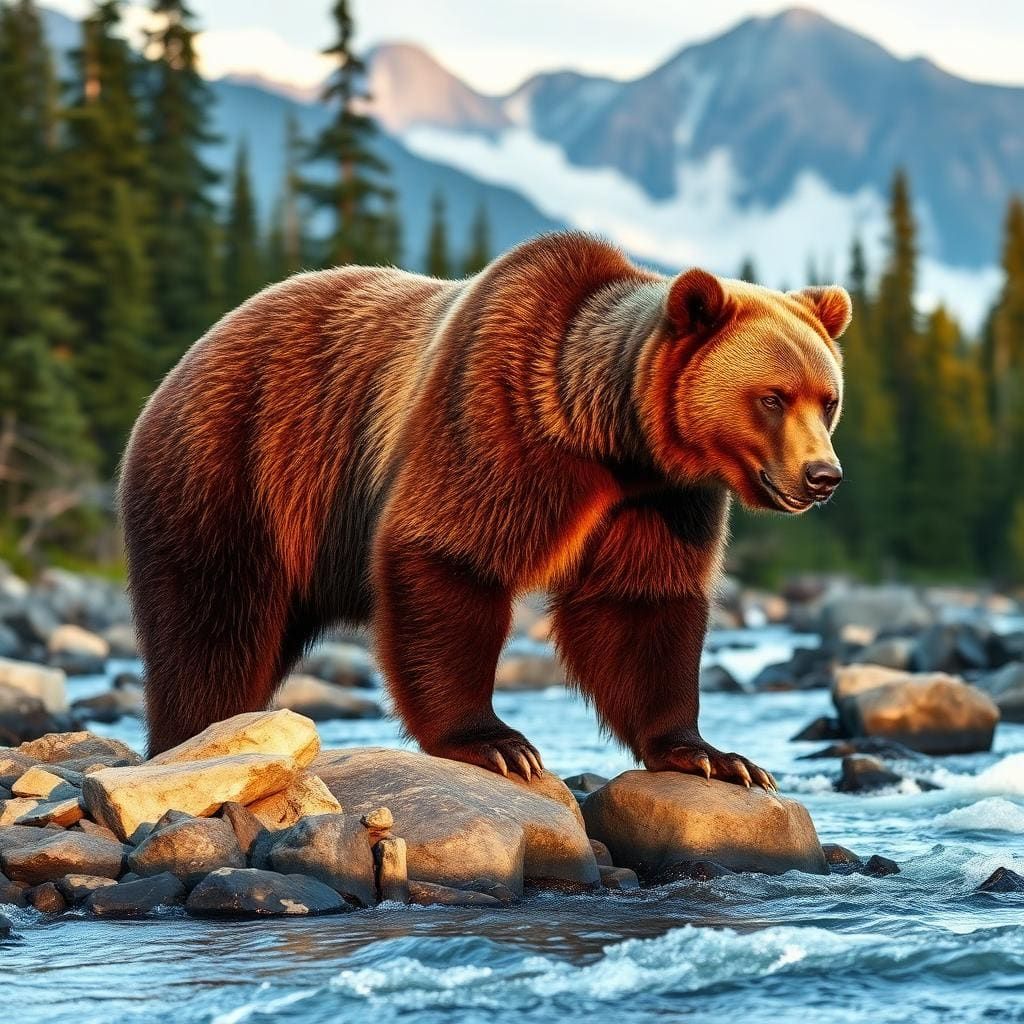
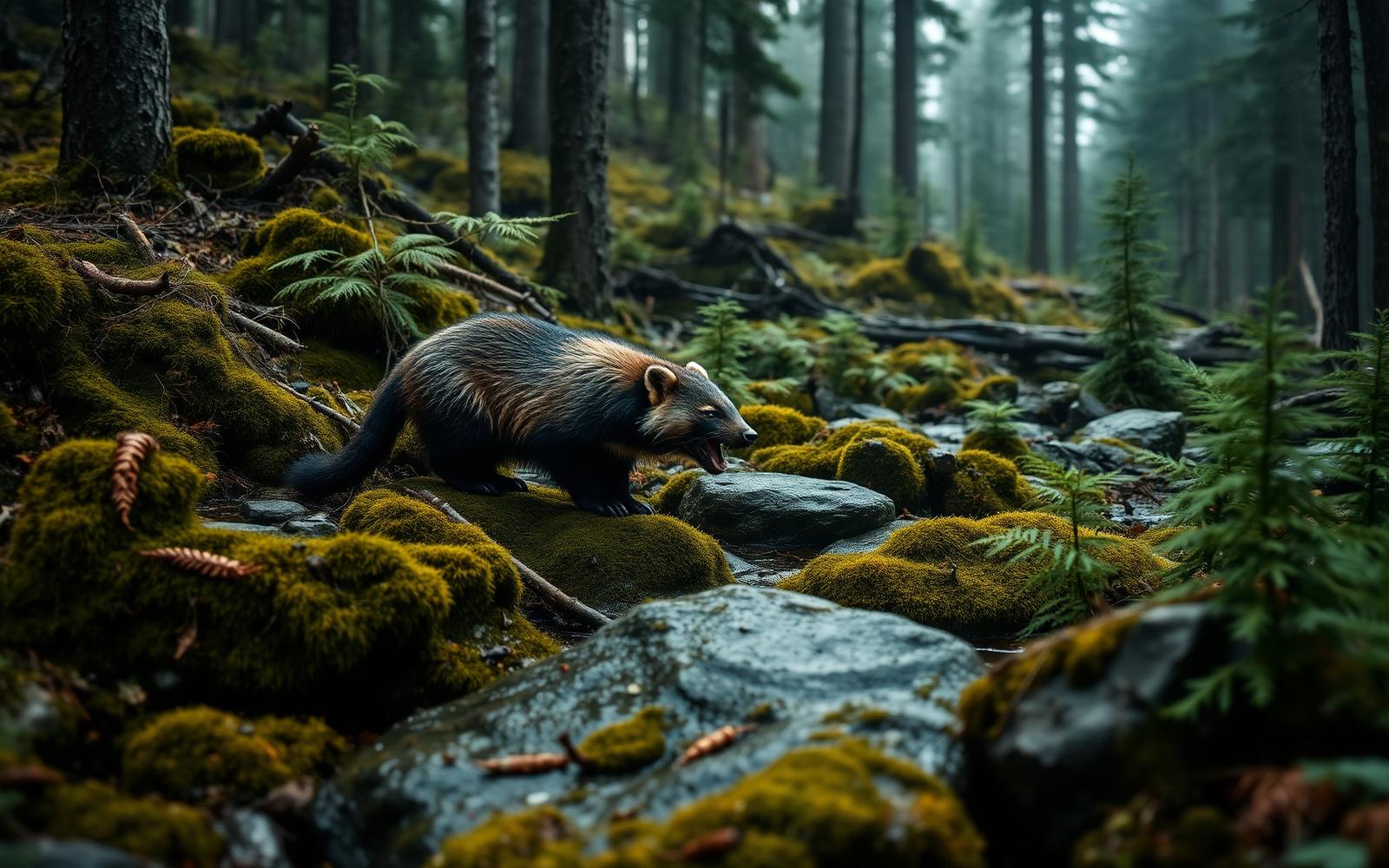
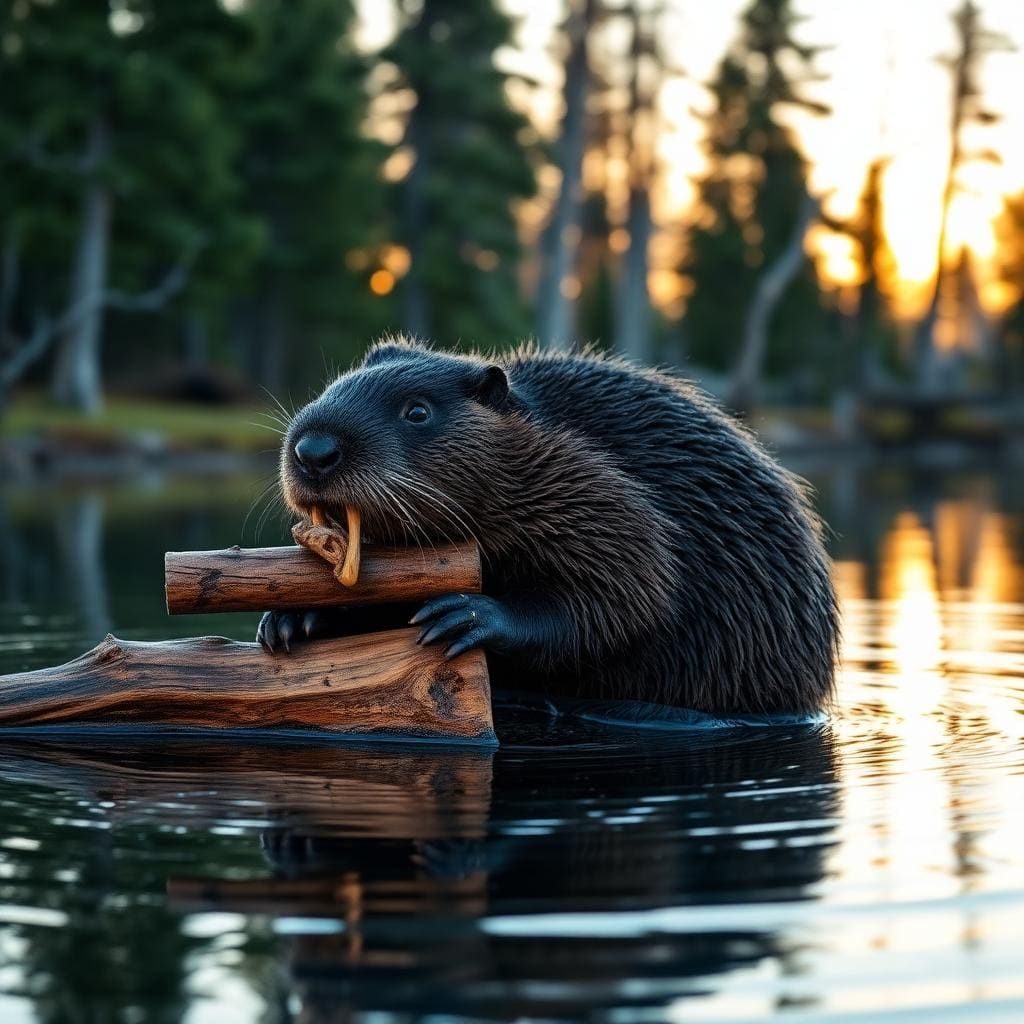
Compare side by side
Put the Yellowstone National Park against any other pick on this list — specs, price, pros, cons and reader ratings.