



Reader rating
Rate it and you move it. Community ratings re-rank this product inside its Top 10 list.
Expert-picked, reader-ranked. Our editors choose the products and the launch order; member star ratings move picks up or down over time.
Tundra turns red and gold; moose rut; first snow on the peaks.
Pros
- Complete absence of biting insects and summer mosquitoes
- Spectacular dwarf-birch and willow tundra fall foliage
- Prime viewing of aggressive bull moose during the autumn rut
- Substantially lower visitor density than peak summer months
Cons
- Rapid shutdown of park transit buses and key facilities
- Extreme weather volatility with real risk of early blizzards
- Demanding off-trail navigation through wet tussock terrain
Best uses
- Autonomous off-trail wilderness backpacking
- Early autumn wildlife photography
- Frontcountry moose rut observation
- Shoulder-season gravel road cycling
Specifications
- Location
- Interior Alaska
- Total Area
- 6,075,029 acres
- Optimal Window
- September 1 to September 20
- Access Route
- George Parks Highway (AK-3) to Denali Park Road
- Primary Hazard
- Freezing conditions and hypothermia
- Backcountry System
- Unit-based quota system (no formal trails)
Best for
Autonomous off-trail wilderness backpacking, Early autumn wildlife photography, Frontcountry moose rut observation, Shoulder-season gravel road cycling
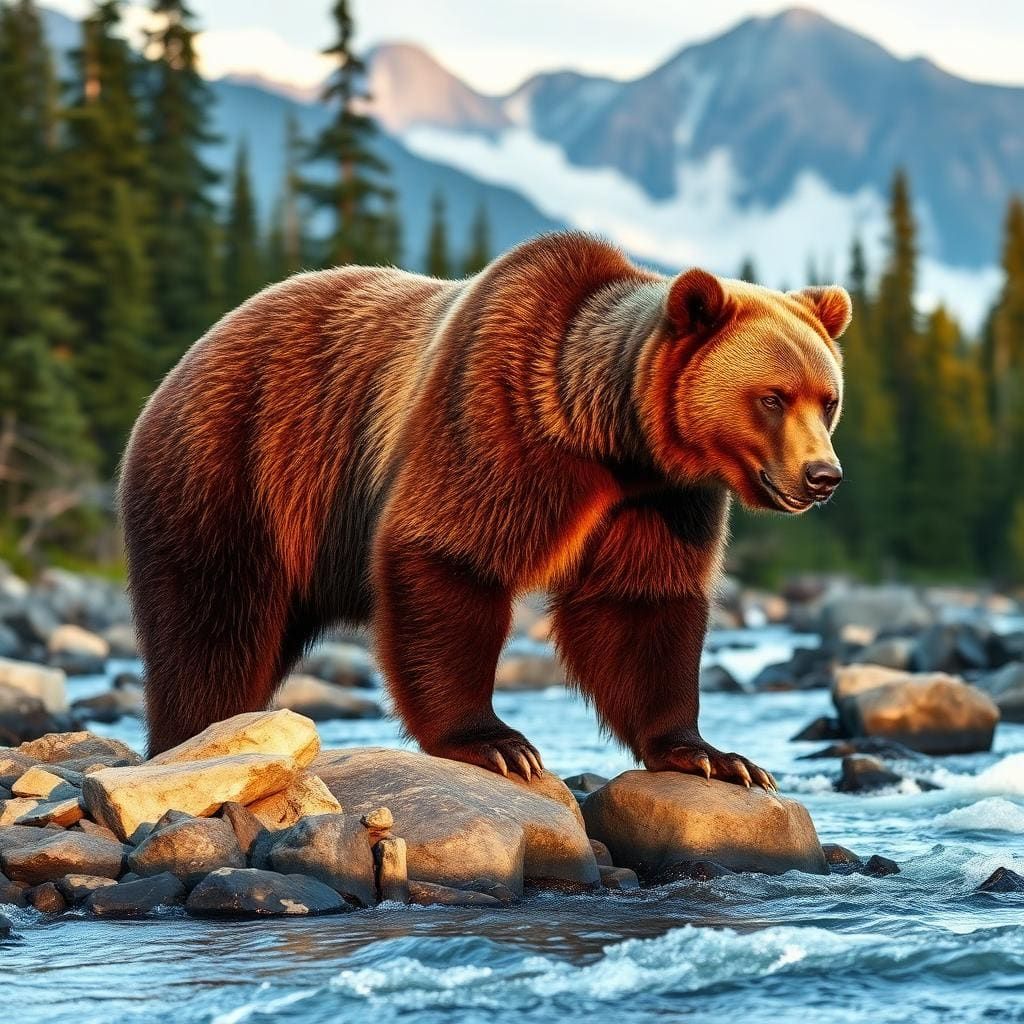
September strips Denali down to its essentials. The relentless summer tourist flow tapers to a quiet trickle, biting insects are wiped out by early hard frosts, and the subarctic tundra ignites in deep crimsons, burnt oranges, and electric yellows. Against this vibrant floor, termination dust creeps steadily down the jagged granite ramparts of the Alaska Range, signaling the imminent arrival of a brutal subarctic winter. This brief shoulder season offers arguably the finest wildlife viewing on the continent. Massive bull moose congregate in the lower taiga and open willow flats, clashing antlers in the peak of the autumn rut. Grizzlies work the gravel bars and berry patches with obsessive urgency, packing on vital caloric reserves before retreating into their dens. Overhead, the low-angled September sun bathes the vast interior landscape in a perpetual golden-hour glow, offering clean lines and startling atmospheric clarity. Yet Denali in September demands respect and absolute self-sufficiency. The operating season collapses rapidly as September progresses. Park concessionaire buses stop running by the middle of the month, visitor centers shut their doors, and a single Pacific low-pressure system can dump a foot of snow overnight, turning gravel corridors into icy traps. It is an extraordinary time to visit, but only for travelers prepared to manage freezing nights and unpredictable wilderness access.
Terrain and Spatial Reality
Denali is defined by scale and an almost total absence of maintained trail infrastructure outside the immediate park entrance area. The terrain transitions upward from damp spruce-and-aspen taiga forests into spongy alpine tundra carpeted with dwarf birch, willow, and blueberry shrubs. Above the brush line, the land rises into sheer scree fields, hanging glaciers, and towering granite massifs bisected by broad, braided outwash plains. Navigating off-trail requires constant vigilance. Crossing wide river corridors like the Savage, Sanctuary, and Teklanika demands an understanding of glacial hydrology, as silty currents hide irregular bed stones and sudden drop-offs. The tussock-strewn tundra offers little firm footing, requiring trekking poles and durable ankle support for even short explorations across the rolling ridgelines.
September Weather Dynamics
Weather in September is a moving target governed by colliding Arctic and maritime fronts. Daytime temperatures along the park road often hover comfortably between forty and fifty degrees Fahrenheit under blue skies, but temperatures plummet well below freezing immediately after twilight. Frost covers the tundra nightly, and early blizzards are routine rather than exceptional. The daylight window contracts aggressively, losing roughly five to seven minutes of usable daylight each day. Sleet, freezing rain, and sudden windstorms can drop wind chills into single digits without warning. Pack a modular layering system anchored by windproof outer shells, midweight fleece, and an oversized synthetic or treated-down parka. Waterproof footwear is mandatory, as thawing ground frost creates saturated, ankle-deep mud along natural drainage channels throughout the afternoon.
The Autumn Rut
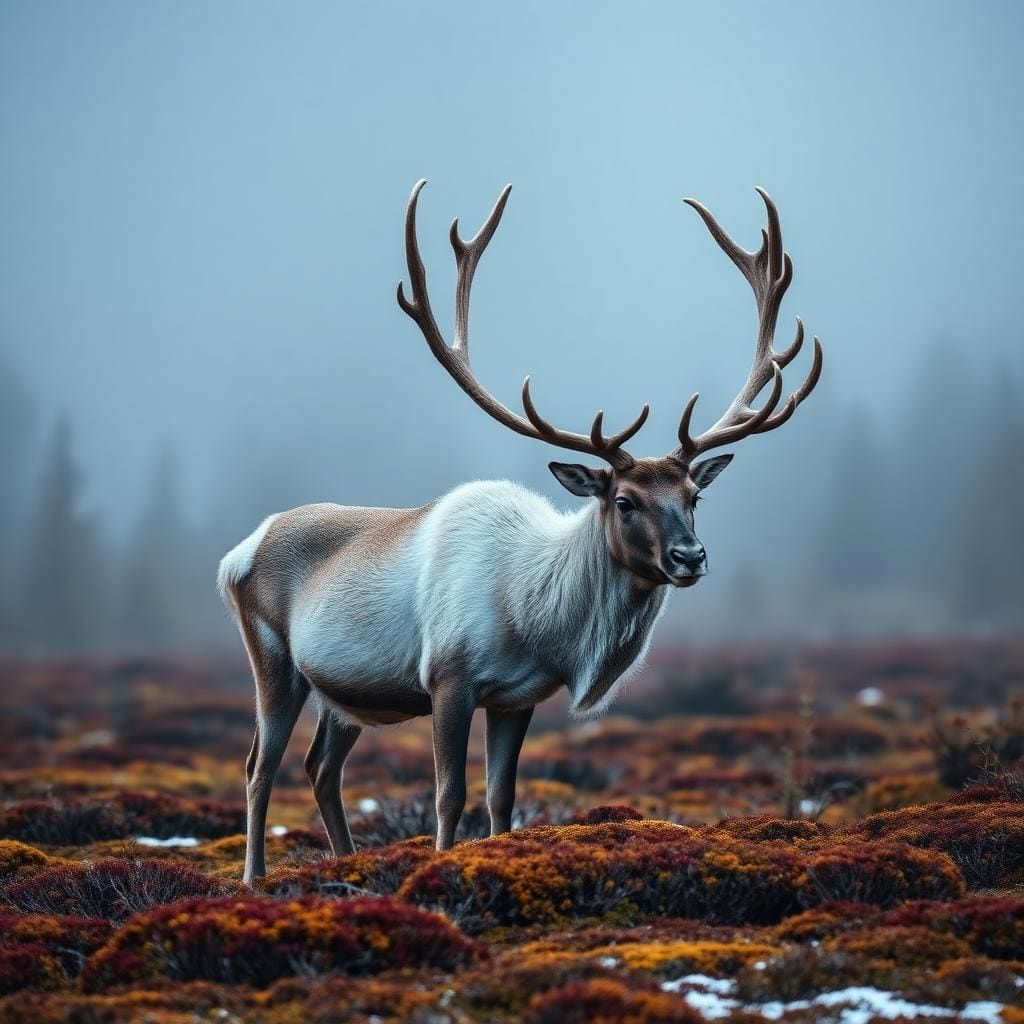
Wildlife behavior shifts dramatically during the first three weeks of September. The moose rut dominates the lower elevations, particularly between Mile 9 and Mile 15 of the park road. Bull moose sporting sixty-inch palmated racks abandon their summer solitude, actively sparring and herding harems through the stunted spruce bogs. These massive animals are unpredictable, territorial, and easily provoked; maintaining a generous buffer of at least twenty-five yards is critical. Meanwhile, interior grizzlies focus relentlessly on hyperphagia, striping alpine slopes of crowberries and digging out Arctic ground squirrels before the ground freezes solid. Caribou move along the gravel flats in small clusters, their coats thick and pale. The thinning foliage dramatically improves sightlines, making this window the most rewarding period for ethical, long-range observation.
Backcountry Navigation Realities
Venturing into Denali's backcountry requires discarding traditional trail-based thinking. The park operates on a quota-controlled unit system where permits are issued for designated zones rather than individual campsites. With no marked paths, hikers must read the landscape directly, using topographical ridgelines, gravel bars, and game runs to traverse the wilderness. In September, brushwhacking through low-lying dwarf birch is notably stiff and exhausting, yet alpine ridges often provide firmer, faster passage. Water sources present a distinct technical challenge: glacial silt clogs micro-filters within minutes, necessitating gravity settling systems, coagulants like alum, or boiling. Camp placement demands care, ensuring tents are pitched on durable surfaces well outside animal travel corridors and away from drying riverbeds prone to flash fluctuations.
Access and Infrastructure Shifts
Logistics tighten quickly as the month progresses. The public transit buses that carry backpackers and day hikers into the park interior typically cease operations immediately after the second weekend in September. Beyond that threshold, private vehicles are generally halted at the Savage River checkpoint (Mile 15), unless you hold a permit for the annual four-day Denali Road Lottery. Frontcountry facilities, including running water at Riley Creek Campground and the primary visitor center services, close systematically throughout the month. Food and fuel options outside the park gates along the Parks Highway shut down for winter, turning local service communities into ghost towns. Anyone visiting after the middle of the month must operate as a fully self-contained unit with sufficient dry goods, cold-weather camping kit, and vehicle recovery tools.
Hazards and Bear Safety
Cold injury and wildlife conflicts represent the two acute hazards of late-season travel. Because bears are actively consuming up to forty thousand calories daily, they are focused on food sources and frequently patrol the same gravel bars that hikers use for navigation. Park-approved Bear Resistant Food Canisters (BRFCs) are strictly mandatory for all overnight stays, and camp cooking must occur at least one hundred yards downwind of sleeping shelters. Carrying accessible bear spray and knowing how to deploy it in sub-freezing winds is non-negotiable. Hypothermia is an insidious secondary risk, often triggered by sweat saturation during hard off-trail hiking followed by exposure to sharp Arctic winds. Constant thermal regulation, disciplined hydration, and strict camp management are paramount.
How we picked
We built this ranking from trip reports, agency data, permit records, and our editors' own time on the ground. 10 places made the final cut out of a much longer working list, and each one had to clear the same set of criteria before it earned a spot.
- Quality of the terrain
- Landscape, route variety, and whether the place rewards multiple days rather than one overlook.
- Season and weather windows
- How long the reliable window is, and how badly the shoulder seasons punish a bad forecast.
- Access and permits
- Trailhead logistics, permit odds, quotas, and how much lead time a trip realistically takes.
- Solitude vs. crowding
- How far you have to walk before the place feels like wilderness instead of a queue.
- Wildlife and ecology
- What you can reasonably expect to see, and what you have to plan around.
- Risk and skill required
- Navigation, water crossings, exposure, and rescue distance — stated plainly.
Denali National Park — frequently asked questions
- Is Denali National Park worth the trip?
- We rank it #10 in US Destinations in September. Tundra turns red and gold; moose rut; first snow on the peaks.
- Who is Denali National Park best for?
- Best for autonomous off-trail wilderness backpacking, early autumn wildlife photography, frontcountry moose rut observation and shoulder-season gravel road cycling. Standouts: complete absence of biting insects and summer mosquitoes and spectacular dwarf-birch and willow tundra fall foliage.
- What are the drawbacks of Denali National Park?
- Rapid shutdown of park transit buses and key facilities, Extreme weather volatility with real risk of early blizzards and Demanding off-trail navigation through wet tussock terrain.
- What are the key details for Denali National Park?
- Location: Interior Alaska · Total Area: 6,075,029 acres · Optimal Window: September 1 to September 20 · Access Route: George Parks Highway (AK-3) to Denali Park Road · Primary Hazard: Freezing conditions and hypothermia
- Terrain and Spatial Reality — what should I know about the Denali National Park?
- Denali is defined by scale and an almost total absence of maintained trail infrastructure outside the immediate park entrance area. The terrain transitions upward from damp spruce-and-aspen taiga forests into spongy alpine tundra carpeted with dwarf birch, willow, and blueberry shrubs.
- September Weather Dynamics — what should I know about the Denali National Park?
- Weather in September is a moving target governed by colliding Arctic and maritime fronts. Daytime temperatures along the park road often hover comfortably between forty and fifty degrees Fahrenheit under blue skies, but temperatures plummet well below freezing immediately after twilight.
Where on earth
Satellite imagery flying in from a world view to Denali National Park, Alaska, United States. Use the + / − buttons, or click the map to zoom with your scroll wheel; drag to pan and pinch to zoom on touch.
Denali National Park and Preserve, Alaska, USA · 63.283, -150.789
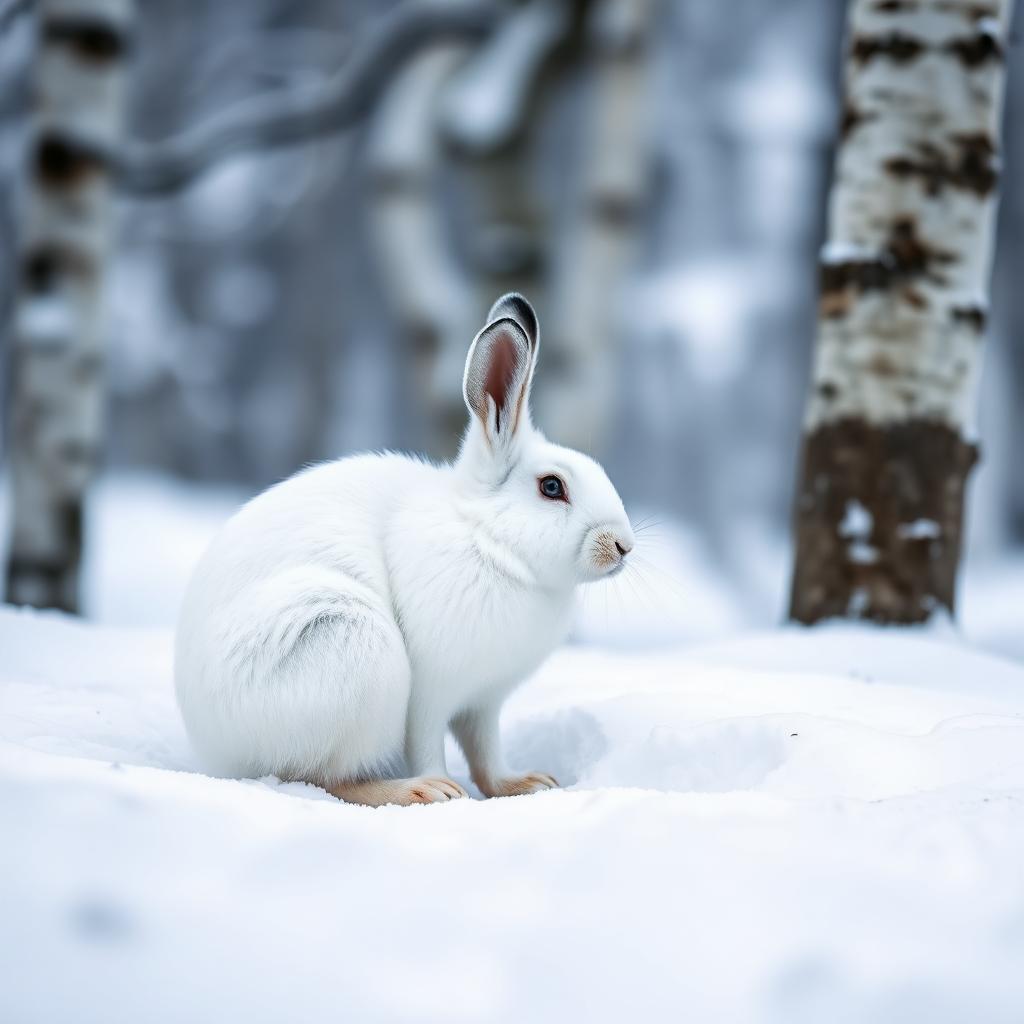
Wildlife found around Denali National Park



Compare side by side
Put the Denali National Park against any other pick on this list — specs, price, pros, cons and reader ratings.