



Top 10 · Gear
The 10 Best Winter Boots (2026)
Cold-weather boots ranked on rated temperature, liner quality, and traction on ice.
Updated September 2026 · 10 picks re-checked for availability and current spec, reader ratings refreshed live.
Winter boots are two products in one: a shell that keeps meltwater out and a liner that stores air. We ranked on removable liner quality (drying a liner overnight is the difference between a good trip and frostbite), sole compound flexibility below zero, and rated temperature verified against real use. Canadian, Swedish, and Italian makers lead.
The short answer


Compare all 10 picks at a glance
Editorial ranking, what each pick is best at, and how we assessed it. Tap a name to jump to the full write-up.
| # | Pick | Best for | Key spec | Evidence |
|---|---|---|---|---|
| 1 | Impact Baffin | Ice fishing | Maker: Baffin | Research only |
| 2 | Arctic Mukluk Steger Mukluks | Ice fishing | Maker: Steger Mukluks | Research only |
| 3 | Caribou Sorel | Shoveling snow | Weight (Pair): 4 lbs 6 oz (size 9) | Research only |
| 4 | Guide Expedition Lundhags | Winter expedition travel | Maker: Lundhags | Research only |
| 5 | Hunter II 400 Schnee's | Extreme Cold Hunting | Maker: Schnee's | Research only |
| 6 | Nation Plus Kamik | Everyday winter wear | Maker: Kamik | Research only |
| 7 | Aequilibrium Top GTX La Sportiva | Winter alpine climbing | Maker: La Sportiva | Research only |
| 8 | Navigator 5 Overshoe Neos | Winter commuting on foot | Maker: Neos | Research only |
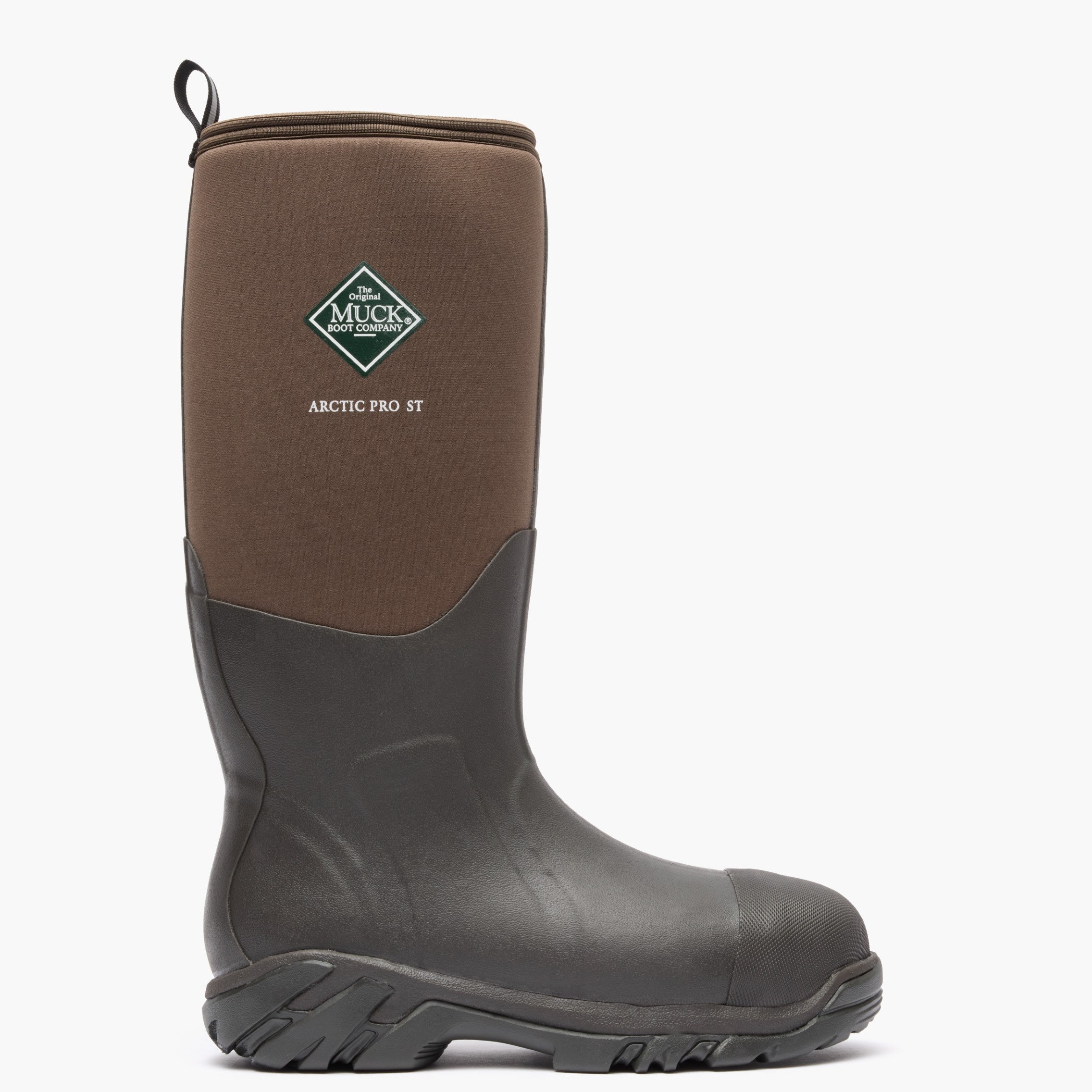
| 9 | Arctic Pro Muck Boot | Ice fishing | Insulation: 8mm Neoprene + Fleece | Research only |
| 10 | Guard Advance GTX Alfa | Multi-day winter expeditions with skis | Maker: Alfa | Research only |
How we chose
We started with a long list of best winter boots that people actually buy, cut anything that could not clear our baseline for durability and field performance, then ranked the 10 that were left against the same criteria. Rankings are editorial. No brand pays for placement, and affiliate links never move a pick up or down.
- Fabric behavior over time
- Breathability, DWR life, loft retention, and how the piece performs after repeated washing.
- Real-world durability
- How the material, stitching, or steel holds up after a season of hard use — not how it looks new.
- Performance in bad conditions
- Wind, rain, cold, and grit are the test. Anything that only works on a nice day gets marked down.
- Weight and packability
- Every ounce has to earn its place in the pack, but not at the cost of something that fails in the field.
- Ease of use
- Setup, adjustment, and maintenance with cold hands, in the dark, without the manual.
- Value at its price point
- Compared against the closest competitors in the same tier, not against cheaper gear in a different class.
Best of the Best · Head to Head
Impact vs Arctic Mukluk
#1 vs #2 — side-by-side specs, pros & cons, and the final verdict.
Compare any two picks
Build your own side-by-side
Choose any two of these 10 picks and compare specs, price, pros, cons and reader ratings.
Topic summary
Cold-weather boots ranked on rated temperature, liner quality, and traction on ice.
Key takeaways
- #1 Impact — Baffin
- #2 Arctic Mukluk — Steger Mukluks
- #3 Caribou — Sorel
- #4 Guide Expedition — Lundhags
- #5 Hunter II 400 — Schnee's
- #6 Nation Plus — Kamik
Intended uses
Gear
Verification notes
Editorial ranked list, 10 entries. Evidence mix — 10 research only. Buy links open the maker or a retailer search. Last reviewed September 2026.
Best winter boots for a specific job
Skip the ranking — jump to the pick that matches how you actually use it.
- Best for ice fishing
- #1 Impact — BaffinCanadian eight-layer liner rated to −148°F. Nothing warmer is sold to civilians.Read the full profile
- Best for shoveling snow
- #3 Caribou — SorelThe classic since 1972. Removable felt liner, waterproof rubber shell, and it still works.Read the full profile
- Best for winter expedition travel
- #4 Guide Expedition — LundhagsSwedish, resoleable, and built for pulk-hauling. Their sewn-in liner system is unique.Read the full profile
- Best for extreme cold hunting
- #5 Hunter II 400 — Schnee'sBozeman-made pac boot with a rebuildable leather upper and a genuinely grippy outsole.Read the full profile
- Best for everyday winter wear
- #6 Nation Plus — KamikCanadian-made, −40°C rated, and the best value in a real winter boot.Read the full profile
- Best for winter alpine climbing
- #7 Aequilibrium Top GTX — La SportivaItalian mountaineering boot with an integrated gaiter. The technical answer for winter alpine travel.Read the full profile
- Best for winter commuting on foot
- #8 Navigator 5 Overshoe — NeosPull-on overboots that turn any boot into a winter boot. The most versatile item here.Read the full profile
- Best for multi-day winter expeditions with skis
- #10 Guard Advance GTX — AlfaNorwegian-made, BC-binding compatible, and the best boot for ski-and-walk winter trips.Read the full profile
Size it yourself
Free Wild10 calculators for this kit — no signup, formulas published.
Our editors test the gear, pick the ten, and set the order the day a list publishes. After that, the ranking is live: every member star rating feeds the community order, so picks climb or slide as real owners report back. Editorial judgment decides what earns a spot — you help decide where it sits.
- Editors set the field
Hands-on testing and spec research choose the ten and the published order.
- Readers re-rank it
Your 1–5 star ratings drive the community order on every list.
- Rankings keep moving
Picks rise or fall over time — nothing is frozen at launch day.
Rank this list
Loading community ratings… Ratings re-order the picks — they never change which products make the list.
Sign in to add your own ratings — it's free.
- Pros
- Unparalleled warmth for extreme cold conditions
- Robust, durable construction for extended use
- Removable, multi-layer liner for easy drying and replacement
- Excellent traction on snow and ice
- Generous fit accommodates thick socks
Cons- Significantly heavy and bulky
- Limited suitability for agile activities or extensive hiking
- High price point for a specialized boot
- Aesthetic is purely functional, not stylish
Key features- Weight (pair)
- Approx. 6.5 lbs (size 9)
- Temperature Rating
- -148°F (-100°C)
- Maker
- Baffin
- Model
- Impact
- Best For
- Extreme Cold, Static Use
- Liner
- 8-layer removable system
Best forIce fishing, Snowmobiling, Winter camping (static), Arctic expeditions, Remote cold weather work
Pros- Unparalleled warmth for extreme cold conditions
- Robust, durable construction for extended use
- Removable, multi-layer liner for easy drying and replacement
- Excellent traction on snow and ice
- Generous fit accommodates thick socks
Cons- Significantly heavy and bulky
- Limited suitability for agile activities or extensive hiking
- High price point for a specialized boot
- Aesthetic is purely functional, not stylish
Assessed by Renata Cho against our ranking criteria.No ratings yet - Pros
- Exceptional warmth in extreme dry cold conditions
- Outstanding flexibility and comfort for long walks
- Lightweight compared to other heavy-duty winter boots
- Breathable design prevents clamminess
- Highly durable with good repairability options
Cons- Not waterproof; poor performance in wet, slushy conditions
- Requires specific care for moosehide material
- Unconventional aesthetic may not appeal to all users
Key features- Primary Material
- Moosehide & Wool
- Maker
- Steger Mukluks
- Model
- Arctic Mukluk
- Origin
- Ely, Minnesota, USA
- Climate Focus
- Extreme Cold, Dry
Best forIce fishing, Dog sledding, Winter hiking (dry snow), Snowshoeing, Static outdoor activity in extreme cold
Pros- Exceptional warmth in extreme dry cold conditions
- Outstanding flexibility and comfort for long walks
- Lightweight compared to other heavy-duty winter boots
- Breathable design prevents clamminess
- Highly durable with good repairability options
Cons- Not waterproof; poor performance in wet, slushy conditions
- Requires specific care for moosehide material
- Unconventional aesthetic may not appeal to all users
Assessed by Renata Cho against our ranking criteria.No ratings yet - Pros
- Unrivaled warmth in extreme cold
- Exceptional waterproof protection
- Incredibly durable construction
- Replaceable felt liners extend boot life
- Proven, reliable performance for decades
Cons- Very heavy and bulky
- Limited agility for active pursuits
- Stiff feel, especially initially
Key features- Weight (Pair)
- 4 lbs 6 oz (size 9)
- Upper Material
- Nubuck Leather
- Comfort Rating
- -40°F / -40°C
- Insulation
- 9mm Recycled Felt InnerBoot
- Waterproofing
- Seam-sealed, Vulcanized Rubber Shell
- Shaft Height
- 10 inches
Best forShoveling snow, Ice fishing, Cold weather chores, Winter commuting, Static outdoor activities
Pros- Unrivaled warmth in extreme cold
- Exceptional waterproof protection
- Incredibly durable construction
- Replaceable felt liners extend boot life
- Proven, reliable performance for decades
Cons- Very heavy and bulky
- Limited agility for active pursuits
- Stiff feel, especially initially
Assessed by Renata Cho against our ranking criteria.No ratings yet - Pros
- Exceptional durability and long-term lifespan through repairability
- Superior warmth and dry foot protection in deep snow and wet conditions
- Excellent ankle support and stability for heavy loads and challenging terrain
- Removable liner system allows for quick drying and customizable warmth
- Robust construction handles extreme cold and abrasion reliably
Cons- Heavy and bulky, not suitable for lightweight or agile pursuits
- Significant break-in period required for optimal comfort
- High upfront cost compared to many insulated winter boots
- Less breathable than some fully leather or textile options
Key features- Maker
- Lundhags
- Model
- Guide Expedition
- Construction
- Shell boot, rubber lower, leather upper
- Liner
- Removable felt
- Origin
- Sweden
- Key Feature
- Resoleable, repairable design
Best forWinter expedition travel, Pulk hauling, Extreme cold weather work, Long-duration winter camping, Ice fishing
Pros- Exceptional durability and long-term lifespan through repairability
- Superior warmth and dry foot protection in deep snow and wet conditions
- Excellent ankle support and stability for heavy loads and challenging terrain
- Removable liner system allows for quick drying and customizable warmth
- Robust construction handles extreme cold and abrasion reliably
Cons- Heavy and bulky, not suitable for lightweight or agile pursuits
- Significant break-in period required for optimal comfort
- High upfront cost compared to many insulated winter boots
- Less breathable than some fully leather or textile options
Assessed by Renata Cho against our ranking criteria.No ratings yet - Pros
- Exceptional warmth in extreme cold conditions
- Superior traction on snow and ice due_to aggressive outsole
- Highly durable, rebuildable leather and rubber construction
- Removable liner for easy drying and hygiene
- Comfortable, generous fit accommodates thick socks
Cons- Heavy and bulky, not ideal for long-distance hiking
- Higher initial cost compared to synthetic alternatives
- Can feel stiff during initial break-in period
- Less nimble for high-activity pursuits than lighter boots
Key features- Upper Material
- Oil-Tanned Leather
- Maker
- Schnee's
- Model
- Hunter II 400
- Type
- Pac Boot
- Insulation
- 400g Thinsulate + Wool Felt
- Outsole
- Schnee's "Advantage" Rubber
Best forExtreme Cold Hunting, Ice Fishing, Winter Ranch Work, Snowmobiling, Deep Snow Expeditions
Pros- Exceptional warmth in extreme cold conditions
- Superior traction on snow and ice due_to aggressive outsole
- Highly durable, rebuildable leather and rubber construction
- Removable liner for easy drying and hygiene
- Comfortable, generous fit accommodates thick socks
Cons- Heavy and bulky, not ideal for long-distance hiking
- Higher initial cost compared to synthetic alternatives
- Can feel stiff during initial break-in period
- Less nimble for high-activity pursuits than lighter boots
Assessed by Renata Cho against our ranking criteria.No ratings yet - Pros
- Excellent warmth for the price
- Durable construction handles tough conditions
- Effective waterproofing against snow and slush
- Removable liner for easy drying
- Reliable traction on varied winter surfaces
Cons- Heavier and bulkier than some alternatives
- Not ideal for highly active or strenuous pursuits
- Aesthetics are purely functional, not stylish
Key features- Upper Material
- Waterproof Leather & Nylon
- Temperature Rating
- -40°C
- Maker
- Kamik
- Model
- Nation Plus
- Origin
- Canada
- Insulation
- 8mm Zylex Liner
Best forEveryday winter wear, Shoveling snow, Cold weather commuting, Ice fishing, Light duty outdoor work
Pros- Excellent warmth for the price
- Durable construction handles tough conditions
- Effective waterproofing against snow and slush
- Removable liner for easy drying
- Reliable traction on varied winter surfaces
Cons- Heavier and bulkier than some alternatives
- Not ideal for highly active or strenuous pursuits
- Aesthetics are purely functional, not stylish
Assessed by Renata Cho against our ranking criteria.No ratings yet - Pros
- Excellent precision and climbing performance
- Integrated gaiter for superior weather protection
- Relatively lightweight for its capability
- Comfortable walking dynamics on approaches
- Automatic crampon compatible
Cons- High price point for specialized use
- Less warm than expedition-grade double boots
- Requires specific fit for optimal performance
Key features- Weight (per boot)
- Approx. 720g (size 42)
- Maker
- La Sportiva
- Model
- Aequilibrium Top GTX
- Category
- Mountaineering
- Waterproofing
- GORE-TEX
- Crampon Compatibility
- Automatic (step-in)
Best forWinter alpine climbing, Technical mountaineering, Glacier travel, Mixed ice and rock routes
Pros- Excellent precision and climbing performance
- Integrated gaiter for superior weather protection
- Relatively lightweight for its capability
- Comfortable walking dynamics on approaches
- Automatic crampon compatible
Cons- High price point for specialized use
- Less warm than expedition-grade double boots
- Requires specific fit for optimal performance
Assessed by Renata Cho against our ranking criteria.No ratings yet - Pros
- Transforms any shoe into winter-ready footwear, maximizing versatility
- Excellent traction on snow and ice from aggressive sole design
- Keeps feet dry in slush and wet conditions, protecting your primary shoes
- Lightweight and packable compared to traditional winter boots
- Durable 500-denier nylon construction holds up to rough use
- Cost-effective alternative to buying multiple specialized winter boots
Cons- Bulky fit over larger base boots can feel a bit clunky
- Aesthetics are purely functional, not designed for style
- Limited insulation on its own, relies on your base footwear for warmth
- Can be a slight chore to get on and off quickly over some shoe types
Key features- Maker
- Neos
- Model
- Navigator 5 Overshoe
- Type
- Winter Overshoe
- Construction
- Nylon upper, deep lug sole
- Closure
- Adjustable strap, buckle
Best forWinter commuting on foot, Light hiking on packed snow, Shoveling and yard work, Cold weather travel, Protecting expensive footwear
Pros- Transforms any shoe into winter-ready footwear, maximizing versatility
- Excellent traction on snow and ice from aggressive sole design
- Keeps feet dry in slush and wet conditions, protecting your primary shoes
- Lightweight and packable compared to traditional winter boots
- Durable 500-denier nylon construction holds up to rough use
- Cost-effective alternative to buying multiple specialized winter boots
Cons- Bulky fit over larger base boots can feel a bit clunky
- Aesthetics are purely functional, not designed for style
- Limited insulation on its own, relies on your base footwear for warmth
- Can be a slight chore to get on and off quickly over some shoe types
Assessed by Renata Cho against our ranking criteria.No ratings yet - Pros
- Exceptional warmth in sub-zero temperatures
- Completely waterproof, even when submerged
- Excellent traction in snow, mud, and slush
- Highly durable construction for tough use
- Comfortable for extended standing in cold conditions
Cons- Very heavy and bulky
- Limited breathability can lead to sweat build-up during active use
- Not ideal for long-distance hiking or agile movement
- Aesthetics are purely functional
Key features- Temperature Rating
- -60°F (-50°C)
- Insulation
- 8mm Neoprene + Fleece
- Waterproof
- Fully Submersible
- Shaft Height
- Mid-Calf
- Primary Use
- Extreme Cold, Wet Conditions
- Footbed
- EVA
Best forIce fishing, Winter chores & farm work, Hunting in deep snow/mud, Standing in slush, Extreme cold weather emergencies
Pros- Exceptional warmth in sub-zero temperatures
- Completely waterproof, even when submerged
- Excellent traction in snow, mud, and slush
- Highly durable construction for tough use
- Comfortable for extended standing in cold conditions
Cons- Very heavy and bulky
- Limited breathability can lead to sweat build-up during active use
- Not ideal for long-distance hiking or agile movement
- Aesthetics are purely functional
Assessed by Renata Cho against our ranking criteria.No ratings yet - Pros
- Seamlessly transitions between ski touring (BC bindings) and hiking
- Exceptional warmth and waterproofing for extreme winter conditions
- Robust construction ensures outstanding durability and longevity
- Excellent ankle support and protection for technical terrain
- Reliable traction on snow, ice, and mixed surfaces
Cons- Heavier and bulkier than dedicated hiking or ski boots
- Stiffer feel for walking compared to non-ski-compatible boots
- Specialized design means a higher initial cost
- Lacks the precise ski performance of dedicated alpine touring boots
Key features- Maker
- Alfa
- Model
- Guard Advance GTX
- Primary Use
- Winter Trekking, Backcountry Skiing (BC Bindings)
- Waterproofing
- GORE-TEX
- Origin
- Norway
- Binding Compatibility
- BC (Backcountry)
Best forMulti-day winter expeditions with skis, Backcountry ski touring with BC bindings, Winter trekking in deep snow and varied terrain, Expeditions requiring dual ski and walking capability
Pros- Seamlessly transitions between ski touring (BC bindings) and hiking
- Exceptional warmth and waterproofing for extreme winter conditions
- Robust construction ensures outstanding durability and longevity
- Excellent ankle support and protection for technical terrain
- Reliable traction on snow, ice, and mixed surfaces
Cons- Heavier and bulkier than dedicated hiking or ski boots
- Stiffer feel for walking compared to non-ski-compatible boots
- Specialized design means a higher initial cost
- Lacks the precise ski performance of dedicated alpine touring boots
Assessed by Renata Cho against our ranking criteria.No ratings yet



Award picks
The ranking above is price-blind and judged on merit. These awards call out the pick we'd hand a specific person with a specific need.
Canadian eight-layer liner rated to −148°F.
Ranked #1Ely, Minnesota-made moosehide and wool — the warmest dry-cold boot, and you can walk 20 miles in them.
Ranked #2Canadian-made, −40°C rated, and the best value in a real winter boot.
Ranked #6Pull-on overboots that turn any boot into a winter boot.
Ranked #8The classic since 1972.
Ranked #3Swedish, resoleable, and built for pulk-hauling.
Ranked #4Buy removable liners for multi-day cold. Size for a thick sock plus a millimeter of air — tight boots freeze feet faster than thin socks.
How to choose best winter boots
Every pick on this page was judged against the same criteria. If you want the short answer, Impact by Baffin is the one we point most people at. If you want to decide for yourself, here is what actually separates a good best winter boot from an expensive one.
Fabric behavior over time
Breathability, DWR life, loft retention, and how the piece performs after repeated washing.
Real-world durability
How the material, stitching, or steel holds up after a season of hard use — not how it looks new.
Performance in bad conditions
Wind, rain, cold, and grit are the test. Anything that only works on a nice day gets marked down.
Weight and packability
Every ounce has to earn its place in the pack, but not at the cost of something that fails in the field.
Ease of use
Setup, adjustment, and maintenance with cold hands, in the dark, without the manual.
Value at its price point
Compared against the closest competitors in the same tier, not against cheaper gear in a different class.
Match the pick to your use
The right best winter boots depends on what you are actually doing with it: Ice fishing; Snowmobiling; Winter camping (static); Arctic expeditions; Remote cold weather work; Dog sledding. Start from the use case, then work down the ranking until you hit the first pick that covers it.
Common mistakes
- Buying the lightest best winter boots you can find and discovering it cannot take a season of hard use.
- Paying for a specialist feature you will use once a year instead of the versatile option.
- Comparing headline specs across tiers instead of within the same class.
- Skipping fit, sizing, or adjustment checks that decide whether you actually carry it.
Frequently asked questions
- What is the best best winter boots in 2026?
- Impact by Baffin takes the top spot. Canadian eight-layer liner rated to −148°F.
- How did The Wild10 choose and rank these best winter boots?
- We judged every pick against the same criteria — fabric behavior over time, real-world durability, performance in bad conditions, weight and packability — and ranked them on merit regardless of price. Cold-weather boots ranked on rated temperature, liner quality, and traction on ice.
- What is the best budget best winter boots?
- Nation Plus by Kamik — Canadian-made, −40°C rated, and the best value in a real winter boot.
- Impact vs Arctic Mukluk — which should I pick?
- Impact ranks first: Canadian eight-layer liner rated to −148°F. Arctic Mukluk is the close second: Ely, Minnesota-made moosehide and wool — the warmest dry-cold boot, and you can walk 20 miles in them. Our full head-to-head compares them side by side.
- How often is this list updated?
- We review this ranking on a rolling basis and update it whenever a pick is discontinued, meaningfully revised, or beaten by something new. Rankings are editorial — brands do not see them before publication and affiliate links never change the order.
Get The Field List
One short, honest email a week: gear we actually trust, planning guides, and survival-TV coverage. Free, unsubscribe anytime.