


Top 10 · Compare
Compare Best Winter Boots head to head
Pick any two picks from this list and see specs, current price, pros, cons and reader ratings side by side.
Back to the full Top 10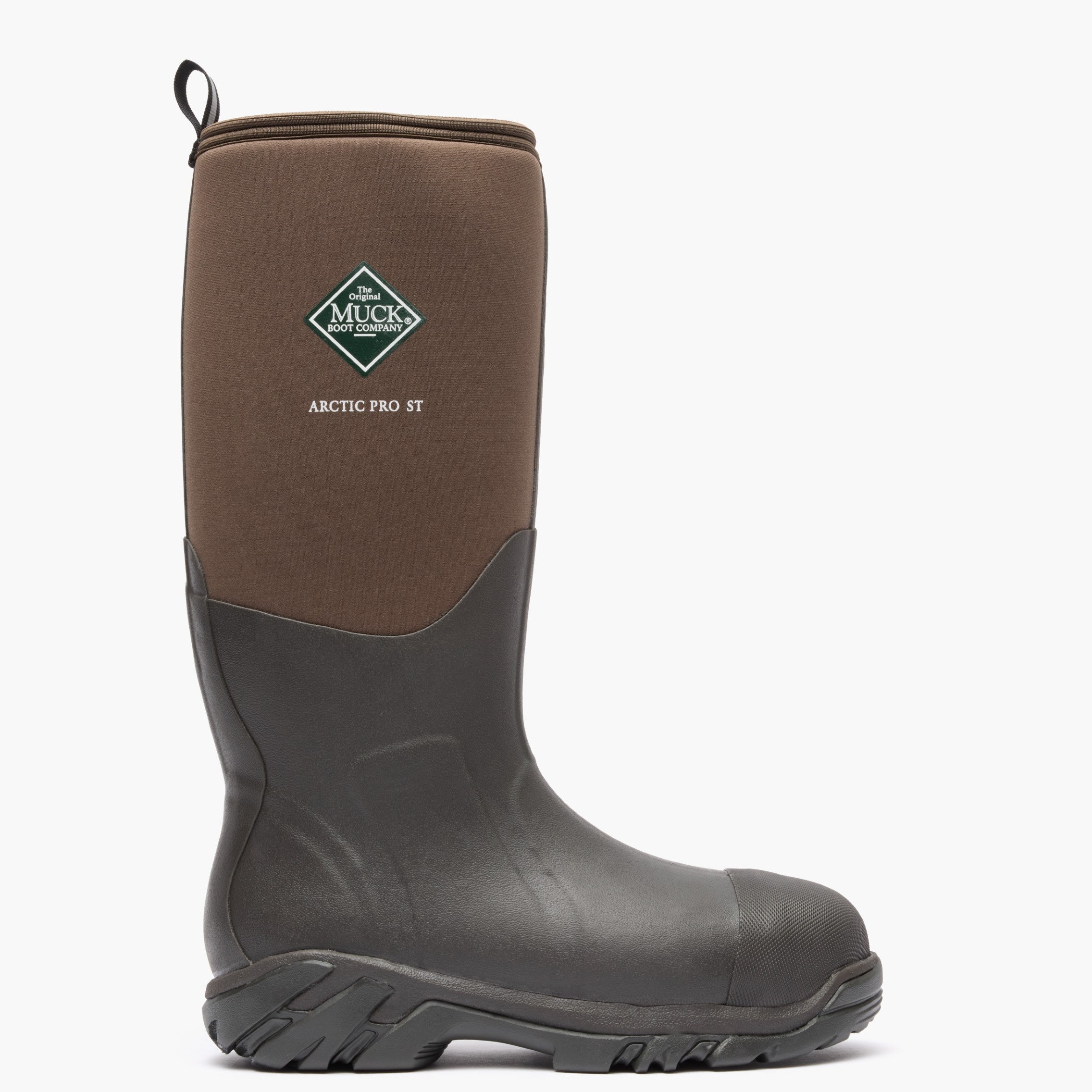

#9 on this list
Arctic Pro
Muck Boot
Eight millimeters of neoprene. The pick for wet cold, chores, and standing in slush.
- Price
- Check current price
- Reader rating
- No reader votes yet
- How we assessed it
- Specification researched

#10 on this list
Guard Advance GTX
Alfa
Norwegian-made, BC-binding compatible, and the best boot for ski-and-walk winter trips.
- Price
- Check current price
- Reader rating
- No reader votes yet
- How we assessed it
- Specification researched
Specs side by side
| Spec | Arctic Pro | Guard Advance GTX |
|---|---|---|
| Insulation | 8mm Neoprene + Fleece | — |
| Waterproof | Fully Submersible | — |
| Temperature Rating | -60°F (-50°C) | — |
| Shaft Height | Mid-Calf | — |
| Primary Use | Extreme Cold, Wet Conditions | Winter Trekking, Backcountry Skiing (BC Bindings) |
| Footbed | EVA | — |
| Maker | — | Alfa |
| Model | — | Guard Advance GTX |
| Waterproofing | — | GORE-TEX |
| Origin | — | Norway |
| Binding Compatibility | — | BC (Backcountry) |
What our reviewers liked and didn't
Arctic Pro
- Exceptional warmth in sub-zero temperatures
- Completely waterproof, even when submerged
- Excellent traction in snow, mud, and slush
- Highly durable construction for tough use
- Comfortable for extended standing in cold conditions
- Very heavy and bulky
- Limited breathability can lead to sweat build-up during active use
- Not ideal for long-distance hiking or agile movement
- Aesthetics are purely functional
Guard Advance GTX
- Seamlessly transitions between ski touring (BC bindings) and hiking
- Exceptional warmth and waterproofing for extreme winter conditions
- Robust construction ensures outstanding durability and longevity
- Excellent ankle support and protection for technical terrain
- Reliable traction on snow, ice, and mixed surfaces
- Heavier and bulkier than dedicated hiking or ski boots
- Stiffer feel for walking compared to non-ski-compatible boots
- Specialized design means a higher initial cost
- Lacks the precise ski performance of dedicated alpine touring boots
Prices change constantly — the figure shown is the last verified catalog price, and the buy buttons always go to the current listing.