



Reader rating
Rate it and you move it. Community ratings re-rank this product inside its Top 10 list.
Expert-picked, reader-ranked. Our editors choose the products and the launch order; member star ratings move picks up or down over time.
The Popo Agie Wilderness, part of the Wind River Range, is defined by its dramatic granite peaks, high-alpine lakes, and subalpine forests. This is a rugged, scenic wilderness that provides excellent habitat for mule deer willing to climb. The 'Popo Agie' is named after a Crow Indian phrase meaning 'start of the waters,' referencing the headwaters of the Popo Agie River. What makes it special is its remoteness from easy road access and the challenging terrain that keeps many hunters out. Access is primarily from trailheads west of Lander, with pack-ins of 5-15 miles needed to reach productive areas. The ideal season is late September through early October, before significant snows close off high passes. This hunt demands strong physical fitness, navigational expertise, and the ability to deal with high-altitude conditions. Standard Wyoming deer tags are required; wilderness permits are generally self-issued at trailheads. Trade-offs include the physical demands of high-altitude hunting, rapidly changing weather, and the presence of grizzly bears, though fewer than in the Absarokas or Thorofare. The sheer number of lakes can also make route-finding complicated. **Highlights** * Spectacular high-alpine scenery with numerous lakes and granite peaks * Excellent opportunities for spotting and stalking mule deer above timberline * Significant challenge for hunters seeking a true wilderness experience * Potential for combining a deer hunt with fishing in pristine alpine lakes * Fewer hunters willing to penetrate the deepest sections **Watch-outs** * Very high elevations, requiring acclimatization and good fitness * Abrupt and severe weather shifts, including early blizzards * Presence of grizzly bears in some areas, especially lower elevations * Route-finding can be complex due to varied terrain and numerous lakes * Long pack-in distances over difficult terrain
Pros
- Spectacular high-alpine scenery, true wilderness feel
- Excellent opportunities for spotting and stalking mule deer above timberline
- Fewer hunters willing to penetrate the deepest sections
- Potential for combining deer hunting with pristine alpine lake fishing
- Significant challenge for experienced backcountry hunters
Cons
- Very high elevations require acclimatization and top physical fitness
- Abrupt and severe weather shifts, including early blizzards
- Long pack-in distances over difficult, rugged terrain
- Presence of grizzly bears in some areas, especially lower elevations
- Route-finding can be complex due to varied terrain and numerous lakes
Best uses
- Multi-day backpack hunting
- High-altitude mule deer pursuit
- Solitary wilderness experience
- Physically demanding trips
Specifications
- Location
- Shoshone National Forest, Wyoming, USA
- Primary Access
- Trailheads west of Lander, WY
- Typical Pack-In
- 5-15 miles to productive areas
- Key Terrain
- Granite peaks, alpine lakes, subalpine forests
- Hunting Season
- Late September - Early October
- Permits
- Standard WY deer tag, self-issue wilderness permit
Best for
Multi-day backpack hunting, High-altitude mule deer pursuit, Solitary wilderness experience, Physically demanding trips
The Popo Agie Wilderness, encompassing portions of Wyoming's iconic Wind River Range, is a land of dramatic granite spires, ancient cirques, and a labyrinth of high-alpine lakes cradled by subalpine forests. Its name, derived from a Crow phrase meaning 'start of the waters,' aptly describes the countless headwater streams that carve through its rugged expanse. This is a true mountain wilderness, demanding respect and preparation from those who venture in. It offers a stark, beautiful landscape that keeps casual visitors at bay, particularly in its deeper reaches. What truly sets the Popo Agie apart for high-country mule deer hunting is its relative remoteness from easy road access and the sheer physical challenge it presents. Unlike some more accessible units, this area requires significant effort to penetrate, often necessitating multi-day pack-ins of 5 to 15 miles over demanding terrain to reach productive areas. This natural barrier effectively filters out many hunters, creating a more solitary and authentic wilderness experience for those willing and able to push deeper. Successful trips here depend heavily on physical conditioning, solid navigational skills, and a healthy respect for rapidly changing high-altitude weather. The reward for this effort is often a genuine opportunity to pursue mature mule deer in their prime high-alpine habitat, far from the pressure cooker of road-accessible country. It’s a place where the landscape itself is as much a part of the hunt as the quarry.
Geography & Terrain
The Popo Agie Wilderness is characterized by classic Wind River geology: towering granite peaks, often exceeding 13,000 feet, deeply scoured glacial valleys, and an abundance of clear, cold alpine lakes. Below timberline, the landscape transitions into dense subalpine forests of lodgepole pine, spruce, and fir, interspersed with open meadows and boulder fields. Above the treeline, vast expanses of tundra, scree, and talus define the open country, providing excellent glassing opportunities. Elevation is a constant factor here, with much of the prime hunting occurring at or above 10,000 feet. The ruggedness makes for slow travel, even on established trails.
Best Season & Weather
The optimal window for mule deer hunting in the Popo Agie is late September through early October. During this period, bucks are typically in their high-country haunts before significant snowfall pushes them to lower elevations. Weather can be highly unpredictable; bluebird days can quickly give way to violent thunderstorms, sleet, or even early blizzards, especially at higher altitudes. Hunters must be prepared for freezing temperatures overnight and during the day, even in late summer. Rapid changes in conditions are the norm, demanding adaptable gear and mental fortitude.
Wildlife & Hazards
Beyond its primary draw of mule deer, the wilderness supports populations of elk, bighorn sheep, and various smaller mammals. Anglers can find excellent fishing for trout in many of the alpine lakes. Grizzly bears are present, particularly in lower elevations and around major drainages, necessitating proper food storage and bear spray. Other hazards include extreme weather exposure, potential for acute mountain sickness, difficult stream crossings, and challenging navigation due to the vastness and repetitive nature of some terrain features, especially around the numerous lakes.
Key Routes & Access
Access points are primarily found west of Lander, Wyoming. Popular trailheads include Worthen Meadows, Bruce's Bridge, and Fiddlers Lake. From these points, hunters can expect to travel anywhere from 5 to 15 miles into the wilderness to reach areas with consistent deer activity. Interior travel often involves navigating poorly maintained trails, significant elevation gain, and off-trail scrambling over rocky terrain. Productive areas often lie well beyond the reach of day-trippers, emphasizing the backpacking nature of this hunt. Route-finding can be complex without a GPS and solid map skills.
Permits & Regulations
Hunting mule deer in the Popo Agie Wilderness requires a valid Wyoming deer license for the specific units (90/92). These are generally draw tags, so planning well in advance is essential. Beyond the hunting license, a wilderness permit is required, which is typically self-issued at trailheads. Regulations regarding camping, campfires, and group size adhere to standard wilderness area guidelines. Hunters should always check current Wyoming Game and Fish Department regulations and Shoshone National Forest rules before their trip, as conditions and restrictions can change.
How we picked
We built this ranking from trip reports, agency data, permit records, and our editors' own time on the ground. 10 places made the final cut out of a much longer working list, and each one had to clear the same set of criteria before it earned a spot.
- Quality of the terrain
- Landscape, route variety, and whether the place rewards multiple days rather than one overlook.
- Season and weather windows
- How long the reliable window is, and how badly the shoulder seasons punish a bad forecast.
- Access and permits
- Trailhead logistics, permit odds, quotas, and how much lead time a trip realistically takes.
- Solitude vs. crowding
- How far you have to walk before the place feels like wilderness instead of a queue.
- Wildlife and ecology
- What you can reasonably expect to see, and what you have to plan around.
- Risk and skill required
- Navigation, water crossings, exposure, and rescue distance — stated plainly.
Popo Agie Wilderness (Units 90/92) — frequently asked questions
- Is Popo Agie Wilderness (Units 90/92) worth the trip?
- We rank it #5 in WY Mule Deer Backpacking Units. The Popo Agie Wilderness, part of the Wind River Range, is defined by its dramatic granite peaks, high-alpine lakes, and subalpine forests. This is a rugged, scenic wilderness that provides excellent habitat for mule deer willing to climb.
- Who is Popo Agie Wilderness (Units 90/92) best for?
- Best for multi-day backpack hunting, high-altitude mule deer pursuit, solitary wilderness experience and physically demanding trips. Standouts: spectacular high-alpine scenery, true wilderness feel and excellent opportunities for spotting and stalking mule deer above timberline.
- What are the drawbacks of Popo Agie Wilderness (Units 90/92)?
- Very high elevations require acclimatization and top physical fitness, Abrupt and severe weather shifts, including early blizzards and Long pack-in distances over difficult, rugged terrain.
- What are the key details for Popo Agie Wilderness (Units 90/92)?
- Location: Shoshone National Forest, Wyoming, USA · Primary Access: Trailheads west of Lander, WY · Typical Pack-In: 5-15 miles to productive areas · Key Terrain: Granite peaks, alpine lakes, subalpine forests · Hunting Season: Late September - Early October
- Geography & Terrain — what should I know about the Popo Agie Wilderness (Units 90/92)?
- The Popo Agie Wilderness is characterized by classic Wind River geology: towering granite peaks, often exceeding 13,000 feet, deeply scoured glacial valleys, and an abundance of clear, cold alpine lakes. Below timberline, the landscape transitions into dense subalpine forests of lodgepole pine, spruce, and fir,…
- Best Season & Weather — what should I know about the Popo Agie Wilderness (Units 90/92)?
- The optimal window for mule deer hunting in the Popo Agie is late September through early October. During this period, bucks are typically in their high-country haunts before significant snowfall pushes them to lower elevations.
Where on earth
Satellite imagery flying in from a world view to Popo Agie Wilderness (Units 90/92), Wyoming, United States. Use the + / − buttons, or click the map to zoom with your scroll wheel; drag to pan and pinch to zoom on touch.
Popo Agie Wilderness, Lander, WY 82520, USA · 42.749, -109.093
Wildlife found around Popo Agie Wilderness (Units 90/92)



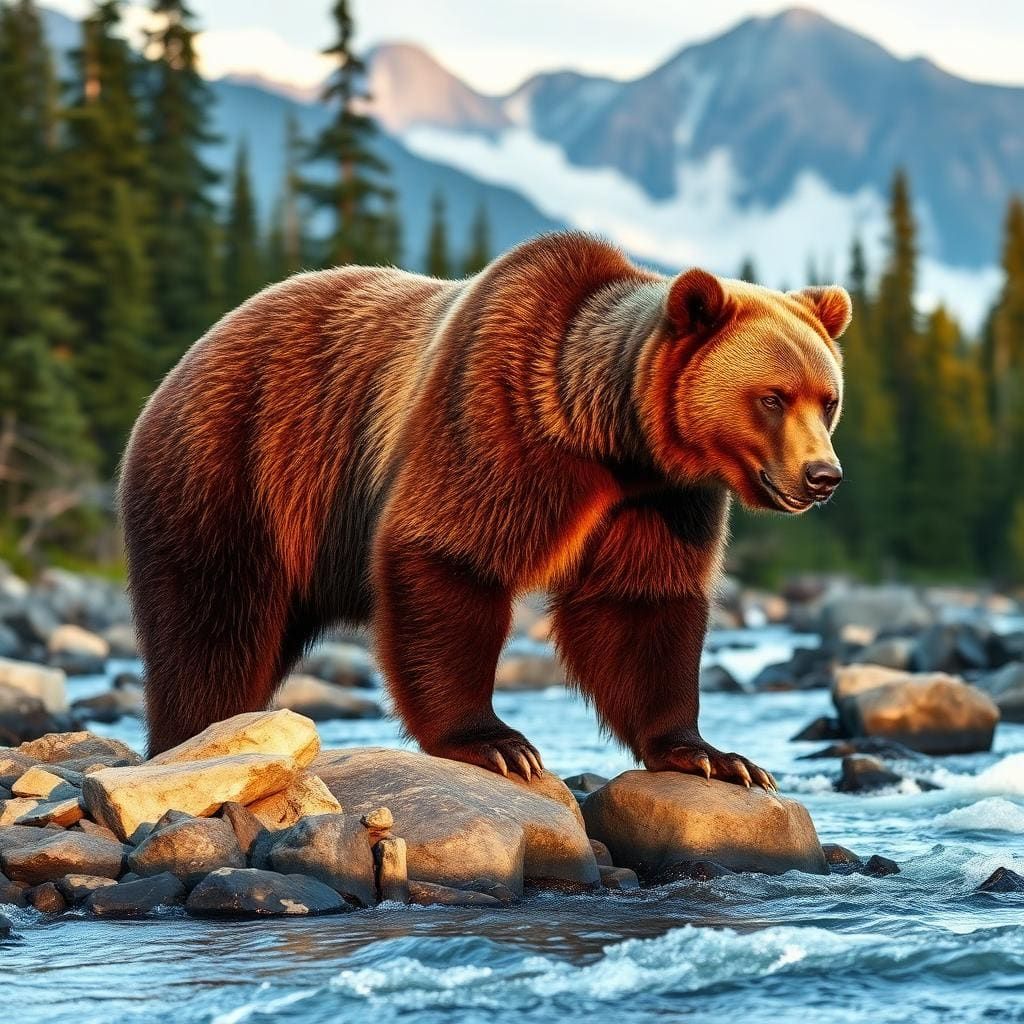


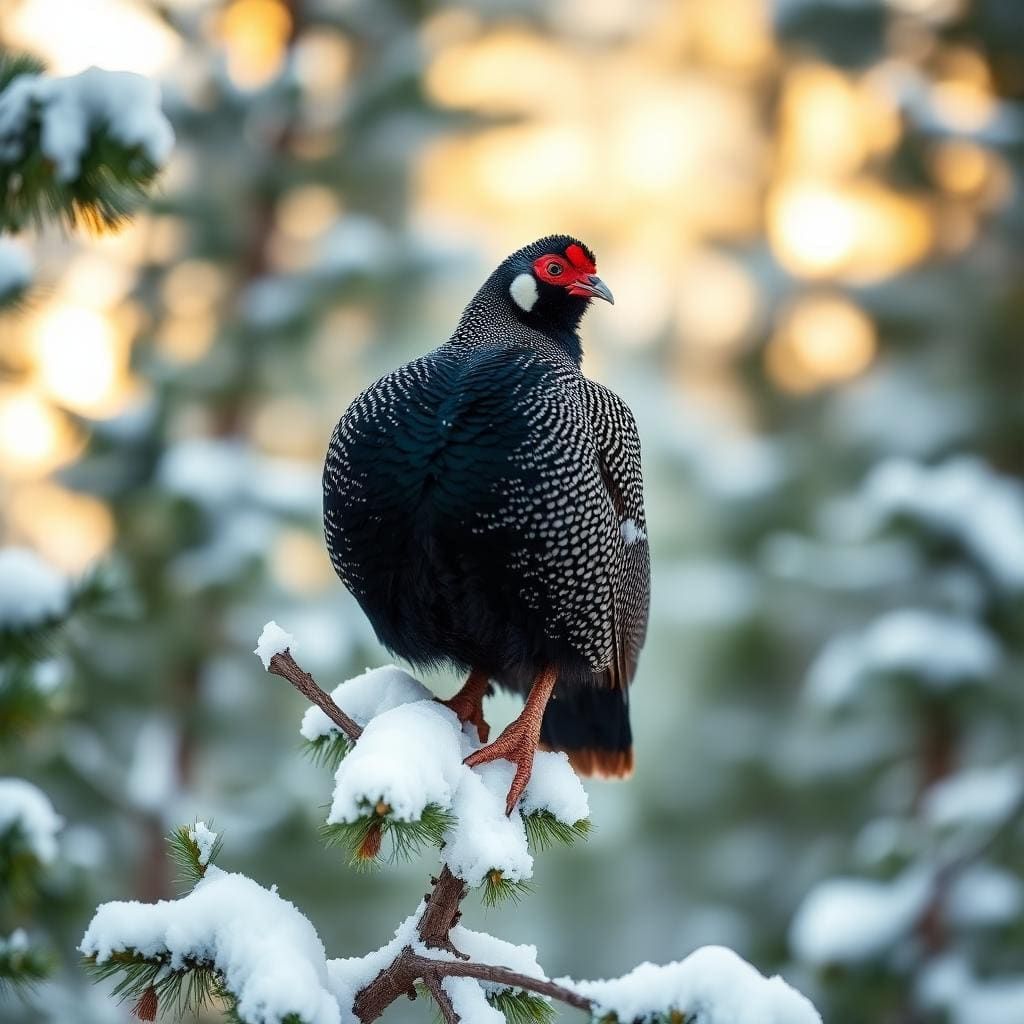
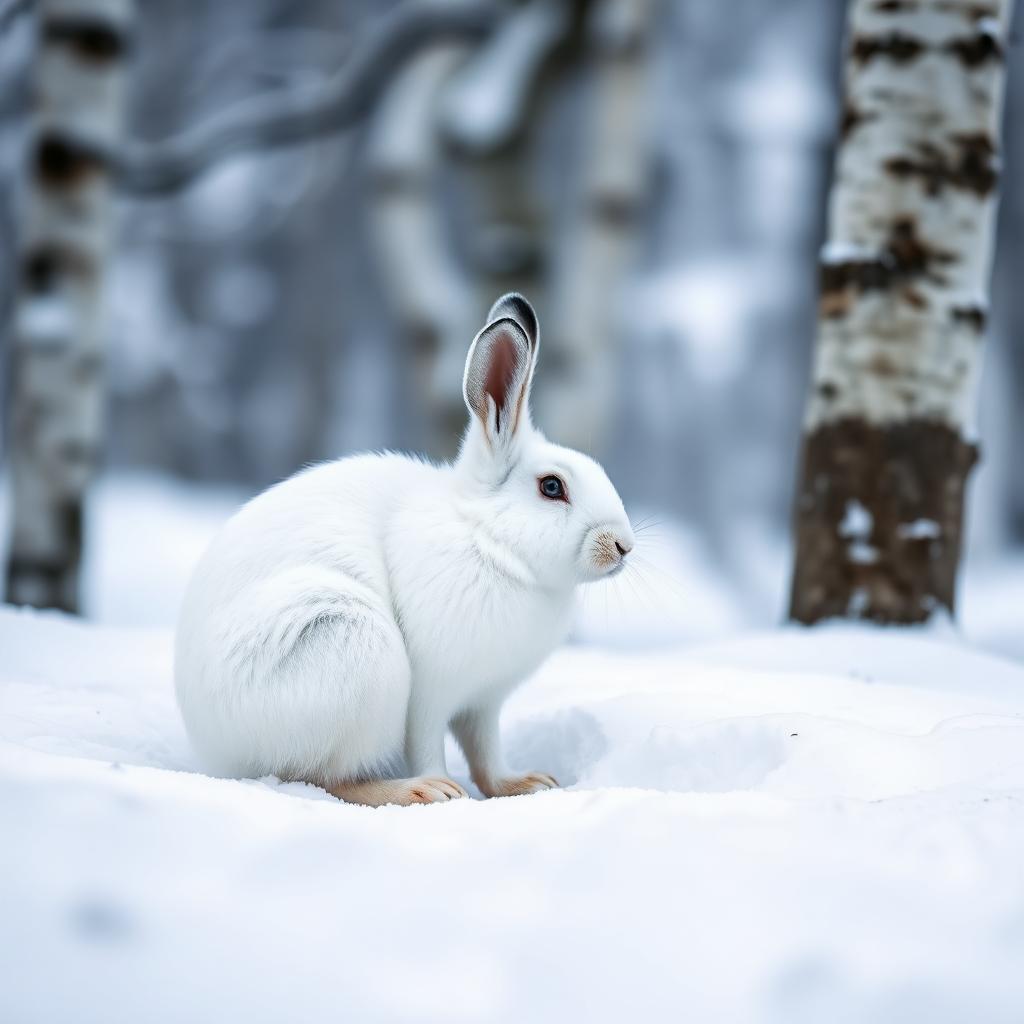
Compare side by side
Put the Popo Agie Wilderness (Units 90/92) against any other pick on this list — specs, price, pros, cons and reader ratings.