



Reader rating
Rate it and you move it. Community ratings re-rank this product inside its Top 10 list.
Expert-picked, reader-ranked. Our editors choose the products and the launch order; member star ratings move picks up or down over time.
The Teton Wilderness lies immediately south of Yellowstone National Park and east of Grand Teton National Park, a vast expanse of rolling timbered hills, high meadows, and broad river valleys. While not as dramatically alpine as some other wilderness areas, its sheer size and strategic location make it a prime mule deer haven, particularly for migratory bucks. Access is typically from trailheads originating near Turpin Meadow or from the Buffalo Fork drainage, requiring significant pack-in distances, often 8-15 miles, or longer for the interior. The ideal season is late archery or early rifle, usually late September into early October, when bucks are beginning to move or have settled into their fall ranges. This hunt is for physically fit individuals comfortable with navigating large, forested areas and dealing with significant grizzly bear activity. Standard Wyoming deer tags are required; wilderness permits are generally self-issued at trailheads. Trade-offs include the dense timber which can make glassing challenging, widespread grizzly presence, and the potential for heavy snows, particularly in October, which can make egress difficult. **Highlights** * Vast, relatively untrammeled wilderness, offering extensive habitat * Critical migratory corridor for mule deer and other ungulates * Good potential for finding older, more reclusive bucks * Excellent opportunities for multi-day, deep backcountry hunting * Less steep than other wilderness areas, allowing for more cover-based hunting **Watch-outs** * High density of grizzly bears; constant vigilance and bear spray essential * Dense timber can limit visibility and make travel challenging * Potential for deep snow in later seasons, impacting travel and deer location * Navigation in large, uniform timbered areas can be tricky * Long pack-in distances mean significant logistical planning
Pros
- Vast, unpressured wilderness environment
- Critical migratory corridor for mature mule deer
- Excellent potential for deep backcountry multi-day hunts
- Less steep terrain than some alpine units, allows diverse hunting methods
- Opportunity for a truly wild and challenging experience
Cons
- High density of grizzly bears requires constant vigilance
- Dense timber limits visibility and makes navigation tough
- Long pack-in distances demand significant physical fitness
- Potential for rapid, heavy snowfall in hunting season
- Navigation can be challenging in uniform forested areas
Best uses
- Backcountry mule deer hunting
- Extended wilderness expeditions
- Big game photography
- Solitude and challenge
Specifications
- Location
- SW Wyoming, Bridger-Teton NF
- Units
- 99 & 100
- Primary Game
- Mule Deer
- Best Season
- Late Sept - Early Oct
- Access
- Long pack-in from trailheads
- Hazards
- Grizzly bears, dense timber, snow
Best for
Backcountry mule deer hunting, Extended wilderness expeditions, Big game photography, Solitude and challenge
The Teton Wilderness, spanning Units 99 and 100 in Wyoming, is a sprawling expanse immediately south of Yellowstone and east of Grand Teton National Parks. It’s not defined by jagged peaks, but rather by rolling, timbered hills, broad river valleys, and high-elevation meadows, making it a critical, unfragmented ecosystem. Its immense size and strategic position within a major migratory corridor ensure its value as a haven for mule deer, particularly larger bucks moving between summer and winter ranges. This vastness demands commitment; access often requires significant pack-in distances, commonly 8 to 15 miles or more from trailheads near Turpin Meadow or the Buffalo Fork drainage, pushing hunters deep into its core. Optimal hunting aligns with late archery or early rifle seasons, typically late September into early October. This period coincides with bucks beginning their migration or settling into fall ranges, offering prime opportunities. Success here is contingent on physical fitness and comfort with navigating large, often featureless forested areas. It’s also crucial to acknowledge and prepare for the significant grizzly bear presence throughout the wilderness. This is a landscape that rewards patient, persistent, and well-prepared backpack hunters looking for a truly wild experience beyond the road system.
Terrain & Geography
Unlike its more famously rugged neighbors, the Teton Wilderness presents a landscape of rolling, heavily timbered hills, interspersed with expansive high meadows and broad, winding river valleys. Elevation varies, but much of the hunting occurs in dense conifer forests that can be challenging to navigate. The relative lack of extreme vertical relief compared to other high-country units allows for different hunting strategies, focusing more on tracking and still-hunting through cover rather than extensive glassing of open basins. The sheer scale of the area means countless drainages and timbered fingers provide abundant cover and security for mule deer, making it an ideal place for mature bucks to avoid pressure. It's truly a wilderness, with few distinguishing landmarks once you're deep inside.
Access & Permits
Access points are typically found near Turpin Meadow or along the Buffalo Fork drainage. Reaching productive hunting grounds almost always entails substantial pack-in distances, usually starting at 8 miles and often extending beyond 15 miles into the interior. This commitment filters out many hunters, preserving the remote feel of the area. Standard Wyoming deer tags are mandatory for hunting. Wilderness permits, where applicable, are generally self-issued at trailheads. Thorough trip planning, including detailed map and compass work, is essential given the extensive, uniform timber and potential for long distances from any established trail.
Wildlife & Seasons
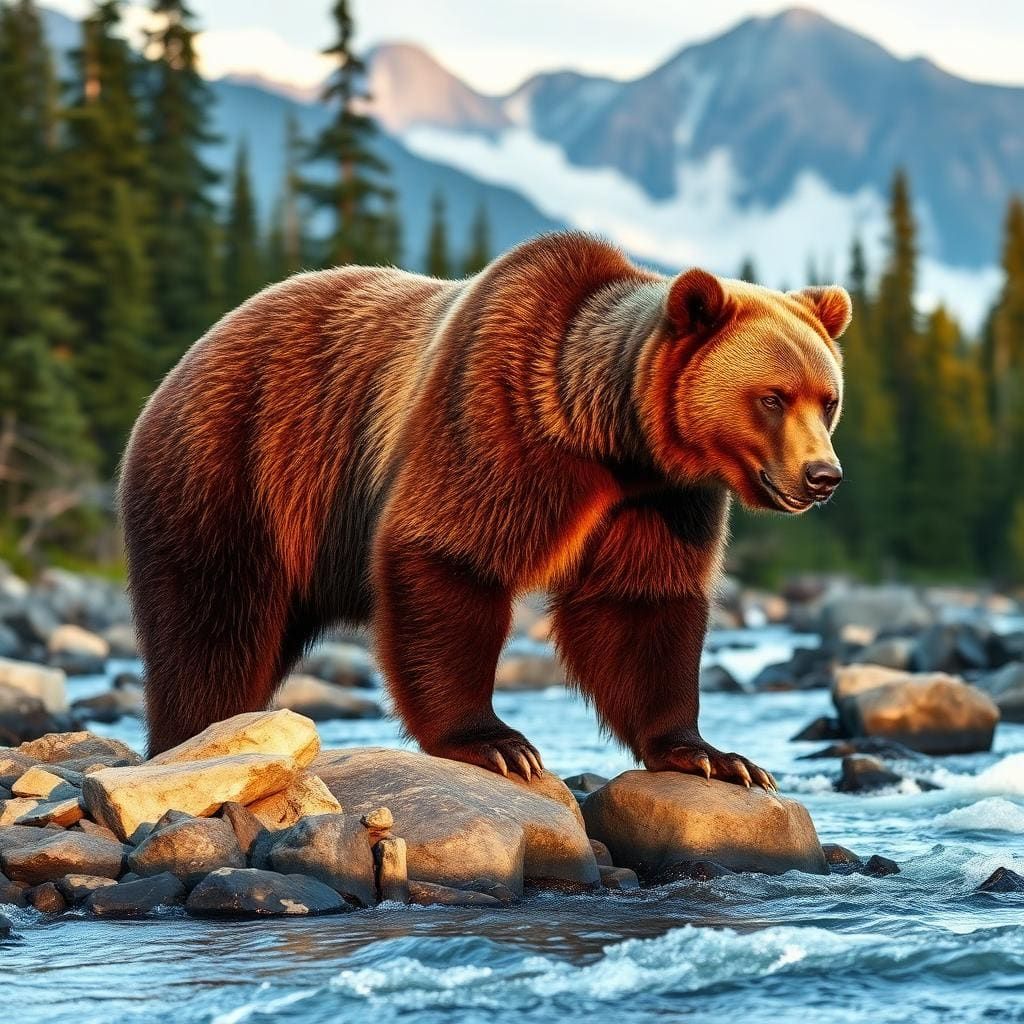
Beyond mule deer, the Teton Wilderness is home to a robust population of grizzly bears, elk, moose, and various smaller predators. Bear activity is significant and constant vigilance, along with carrying bear spray, is non-negotiable. The prime season for mule deer hunting is late archery through early rifle, typically from late September into early October. This timeframe aligns with the onset of the deer migration, when bucks begin moving from their high-country summer ranges. Weather can be highly unpredictable; while early season might offer mild days, October often brings rapid, significant snowfalls that can impact travel and deer distribution, necessitating readiness for winter conditions.
Key Routes & Areas
Due to the vast and uniform nature of the wilderness, there aren't 'key routes' in the traditional sense, but rather broad strategies. Hunters often focus on drainages and areas with a mix of timber and small meadow openings, particularly those serving as migratory corridors. Scouting before the season, if possible, is invaluable for identifying natural funnels and bedding areas. Interior basins and high benches offer good opportunities for mature bucks seeking security. Navigation skills are paramount as travel off-trail through dense timber is common. There are no developed attractions; the draw is the unadulterated wilderness experience itself, and the challenge of finding deer within its vastness.
Challenges & Hazards
The Teton Wilderness presents several distinct challenges. The omnipresent grizzly bear population requires consistent awareness and preparedness. Dense timber limits visibility, making glassing difficult and travel laborious, often obscuring navigation. Weather is a significant factor; late-season hunts can quickly turn into winter survival scenarios with deep snow, which can make egress dangerous and track deer movement unpredictably. Long pack-in distances necessitate excellent physical conditioning and meticulous gear planning. Lastly, the uniformity of the forested landscape can make navigation tricky, especially without clear terrain features, demanding proficiency with map, compass, and GPS.
How we picked
We built this ranking from trip reports, agency data, permit records, and our editors' own time on the ground. 10 places made the final cut out of a much longer working list, and each one had to clear the same set of criteria before it earned a spot.
- Quality of the terrain
- Landscape, route variety, and whether the place rewards multiple days rather than one overlook.
- Season and weather windows
- How long the reliable window is, and how badly the shoulder seasons punish a bad forecast.
- Access and permits
- Trailhead logistics, permit odds, quotas, and how much lead time a trip realistically takes.
- Solitude vs. crowding
- How far you have to walk before the place feels like wilderness instead of a queue.
- Wildlife and ecology
- What you can reasonably expect to see, and what you have to plan around.
- Risk and skill required
- Navigation, water crossings, exposure, and rescue distance — stated plainly.
Teton Wilderness (Units 99/100) — frequently asked questions
- Is Teton Wilderness (Units 99/100) worth the trip?
- We rank it #7 in WY Mule Deer Backpacking Units. The Teton Wilderness lies immediately south of Yellowstone National Park and east of Grand Teton National Park, a vast expanse of rolling timbered hills, high meadows, and broad river valleys. While not as dramatically alpine as some other wilderness areas, its sheer size and strategic location make it a prime mule…
- Who is Teton Wilderness (Units 99/100) best for?
- Best for backcountry mule deer hunting, extended wilderness expeditions, big game photography and solitude and challenge. Standouts: vast, unpressured wilderness environment and critical migratory corridor for mature mule deer.
- What are the drawbacks of Teton Wilderness (Units 99/100)?
- High density of grizzly bears requires constant vigilance, Dense timber limits visibility and makes navigation tough and Long pack-in distances demand significant physical fitness.
- What are the key details for Teton Wilderness (Units 99/100)?
- Location: SW Wyoming, Bridger-Teton NF · Units: 99 & 100 · Primary Game: Mule Deer · Best Season: Late Sept - Early Oct · Access: Long pack-in from trailheads
- Terrain & Geography — what should I know about the Teton Wilderness (Units 99/100)?
- Unlike its more famously rugged neighbors, the Teton Wilderness presents a landscape of rolling, heavily timbered hills, interspersed with expansive high meadows and broad, winding river valleys. Elevation varies, but much of the hunting occurs in dense conifer forests that can be challenging to navigate.
- Access & Permits — what should I know about the Teton Wilderness (Units 99/100)?
- Access points are typically found near Turpin Meadow or along the Buffalo Fork drainage. Reaching productive hunting grounds almost always entails substantial pack-in distances, usually starting at 8 miles and often extending beyond 15 miles into the interior.
Where on earth
Satellite imagery flying in from a world view to Teton Wilderness (Units 99/100), Wyoming, United States. Use the + / − buttons, or click the map to zoom with your scroll wheel; drag to pan and pinch to zoom on touch.
Teton County, WY, USA · 43.854, -110.631
Wildlife found around Teton Wilderness (Units 99/100)





Compare side by side
Put the Teton Wilderness (Units 99/100) against any other pick on this list — specs, price, pros, cons and reader ratings.