


Fly-Fishing Destinations · #3
Río Grande (Tierra del Fuego)
Argentina
Reader rating
Rate it and you move it. Community ratings re-rank this product inside its Top 10 list.
Expert-picked, reader-ranked. Our editors choose the products and the launch order; member star ratings move picks up or down over time.
Sea-run brown trout country. Big fish, big wind, big flies.
Pros
- World-class opportunity for trophy sea-run brown trout
- Immersive, remote wilderness experience
- Professional guiding and lodging often included in packages
- Challenging fishing that hones skills
- Potential for multiple double-digit fish in a trip
Cons
- High cost due to remote location and exclusive access
- Extreme winds and unpredictable weather can be demanding
- Limited public access; requires booking with private lodges
- Specialized heavy tackle and casting skills often necessary
Best uses
- Targeting trophy sea-run trout
- Challenging fly casting in wind
- Experiencing remote Patagonian wilderness
- Guided fishing expeditions
- Serious anglers seeking a bucket-list trip
Specifications
- Primary Species
- Sea-run Brown Trout
- Location
- Tierra del Fuego, Argentina
- Peak Season
- Dec - Apr
- Avg Fish Size
- 8-15 lbs
- Terrain
- Open Steppe, Braided River
Best for
Targeting trophy sea-run trout, Challenging fly casting in wind, Experiencing remote Patagonian wilderness, Guided fishing expeditions, Serious anglers seeking a bucket-list trip
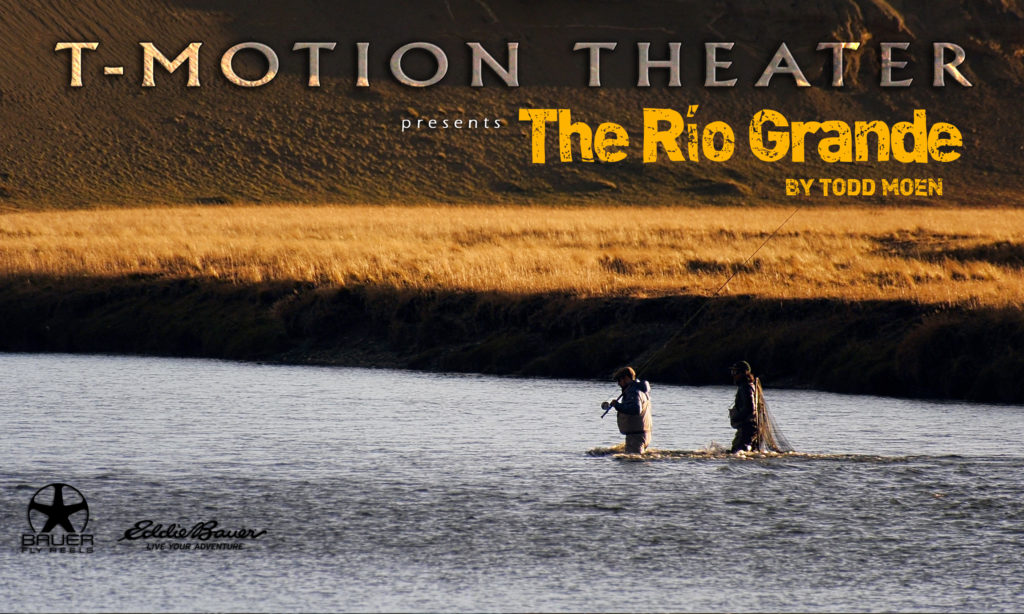
The Río Grande, flowing through the vast, windswept plains of Tierra del Fuego, Argentina, is arguably the world's premier destination for sea-run brown trout. This isn't a place for casual anglers; it demands dedication, skill, and an appreciation for raw, untamed wilderness. The river itself is wide and braided in many sections, characterized by a gravel bottom and often swift currents. Its allure lies in the sheer size of its anadromous browns, which routinely tip the scales into double digits, with fish over 20 pounds caught annually. The landscape is treeless, exposed, and humbling, a stark contrast to the verdant river valleys found elsewhere. Success here is measured not just in fish landed, but in the enduring memories of battling powerful fish against a backdrop of truly wild Patagonia. The fishing season is relatively short, primarily from December through April, aligning with the southern hemisphere's summer and fall. During this window, vast numbers of sea-run browns ascend from the Atlantic to spawn. Weather is a constant companion and often a formidable adversary; strong winds are the norm, sometimes reaching gale force, making casting a physical challenge. Temperatures can swing wildly, from warm, sunny days to cold, driving rain or even snow, all within a few hours. This is an environment that tests gear and resolve, but the rewards for those who embrace its challenges are unparalleled. Prepare for a genuine expedition where the elements are as much a part of the experience as the fishing itself.
Geography & Terrain
The Río Grande carves its path through the Patagonian steppe, a vast, flat, and treeless landscape in the northern part of Tierra del Fuego. The river itself is broad, averaging 50-100 yards wide, and often features multiple channels and gravel bars. Its bottom is predominantly gravel and cobble, providing ideal spawning habitat for the anadromous brown trout. The surrounding terrain is characterized by low-lying scrub brush and tussock grass, offering little shelter from the relentless Patagonian winds. While not mountainous, the sheer scale of the open land and the expansive sky contribute to a profound sense of isolation and wildness. The river's character changes subtly from its upper reaches near the Chilean border down to its estuary on the Atlantic, but the general impression is one of wide-open spaces.
Season & Weather
The prime fishing season runs from December through April, corresponding to the Southern Hemisphere's summer and early fall. December and January can offer longer daylight hours and slightly warmer temperatures, while March and April often see larger numbers of fish in the system as more mature spawners arrive. Weather, however, is the defining factor. Expect significant wind – often sustained at 20-40 mph, with gusts much higher – almost daily. Temperatures can range from mild 60s Fahrenheit down to freezing, and weather fronts can bring rain, sleet, or even snow, even in summer. Layered clothing and robust windproof, waterproof outer shells are essential. Adaptability to rapidly changing conditions is key for both comfort and fishing success.
Wildlife & Flora
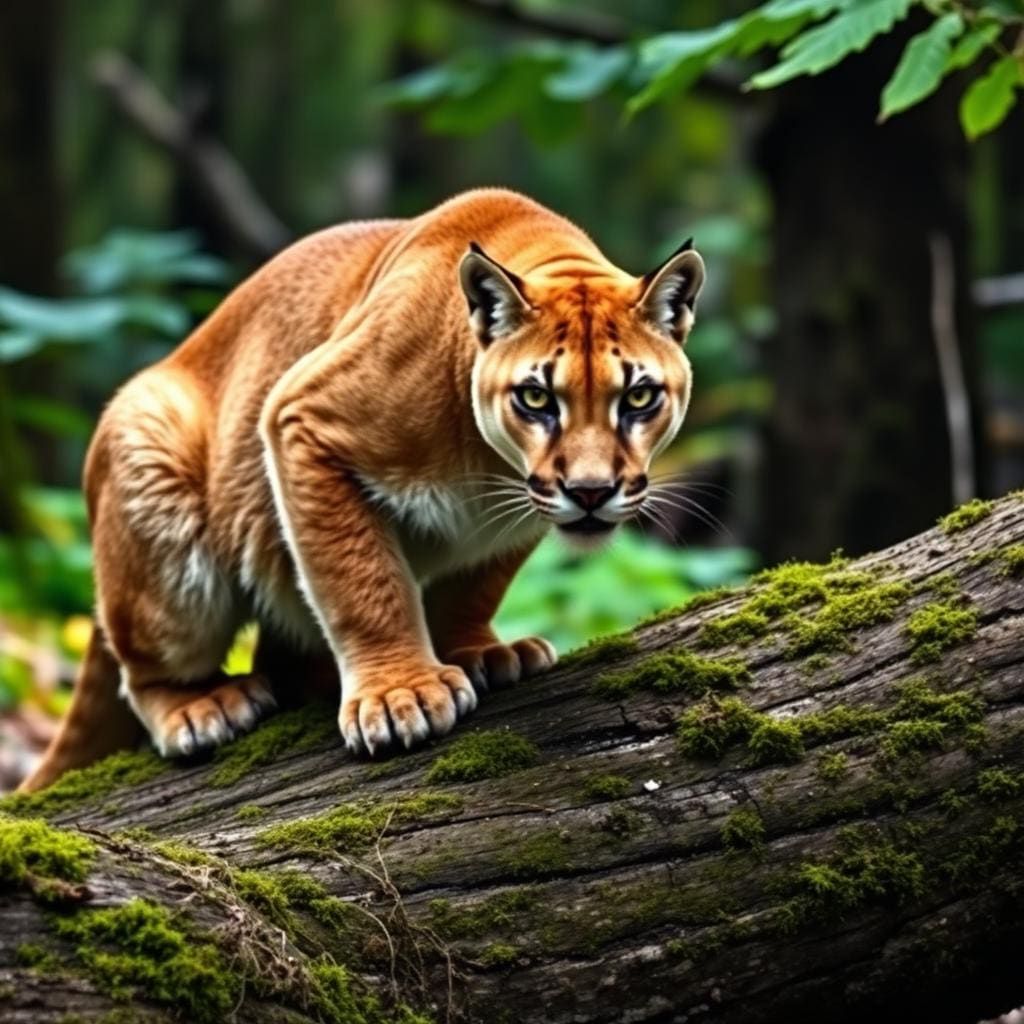
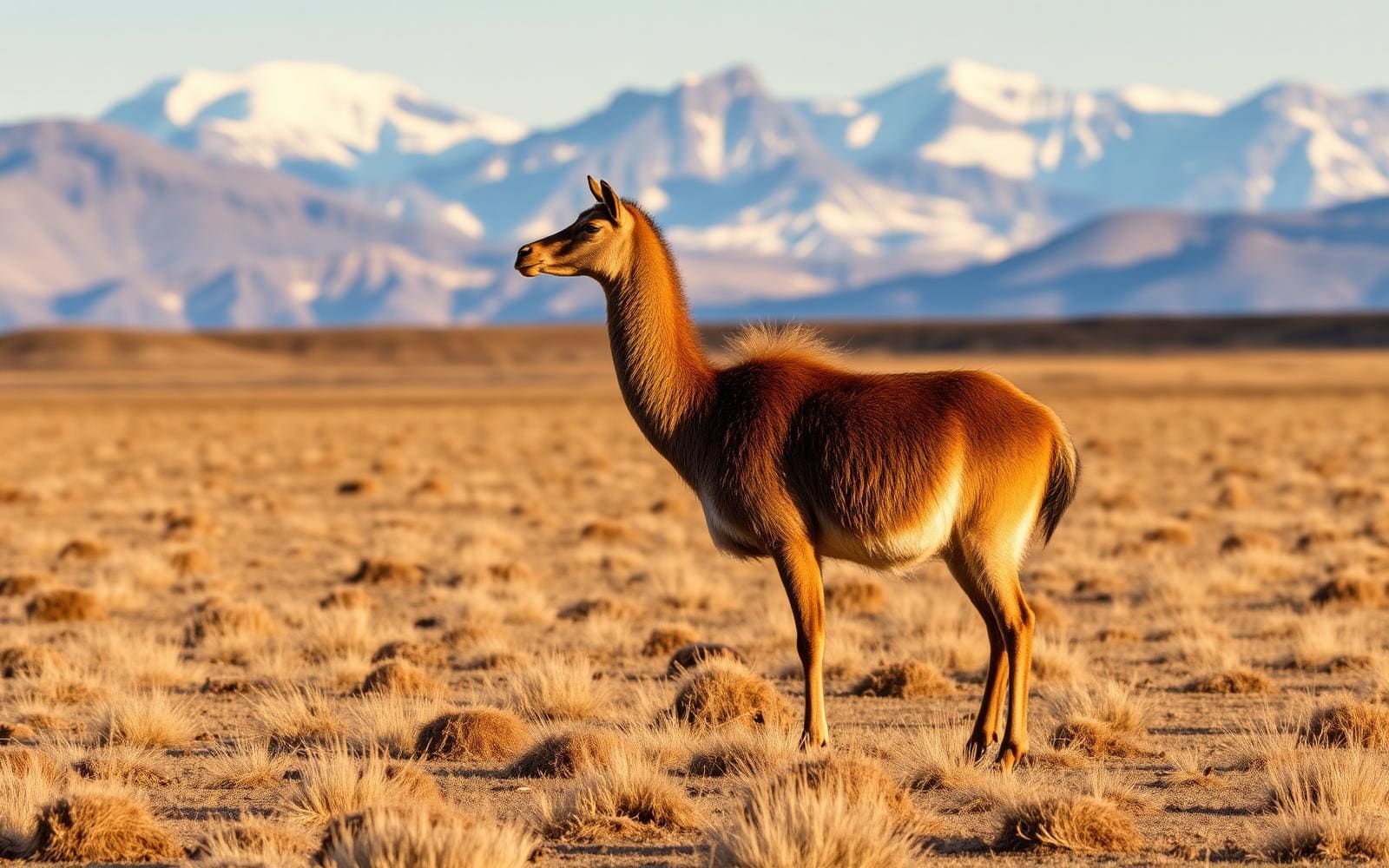
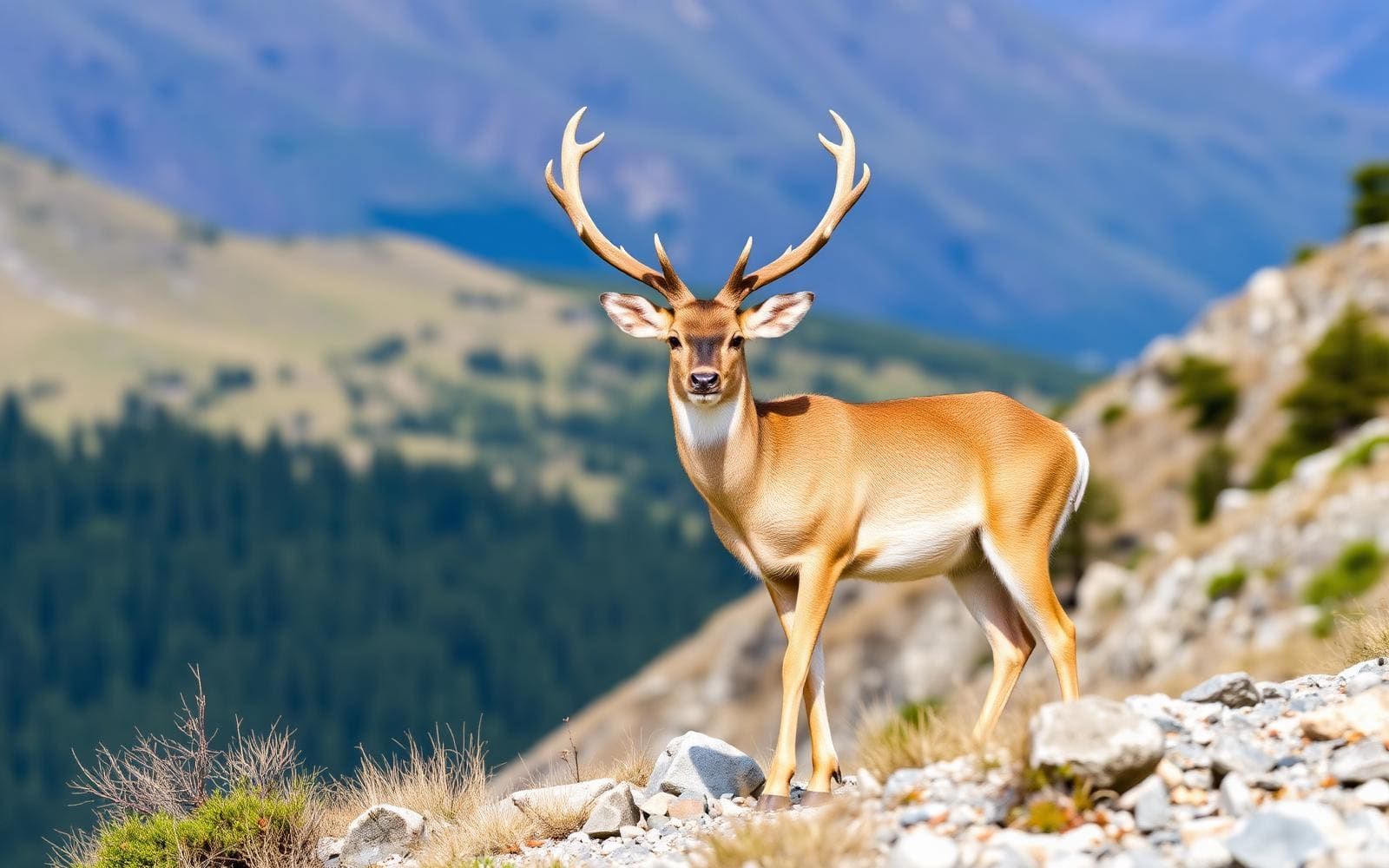
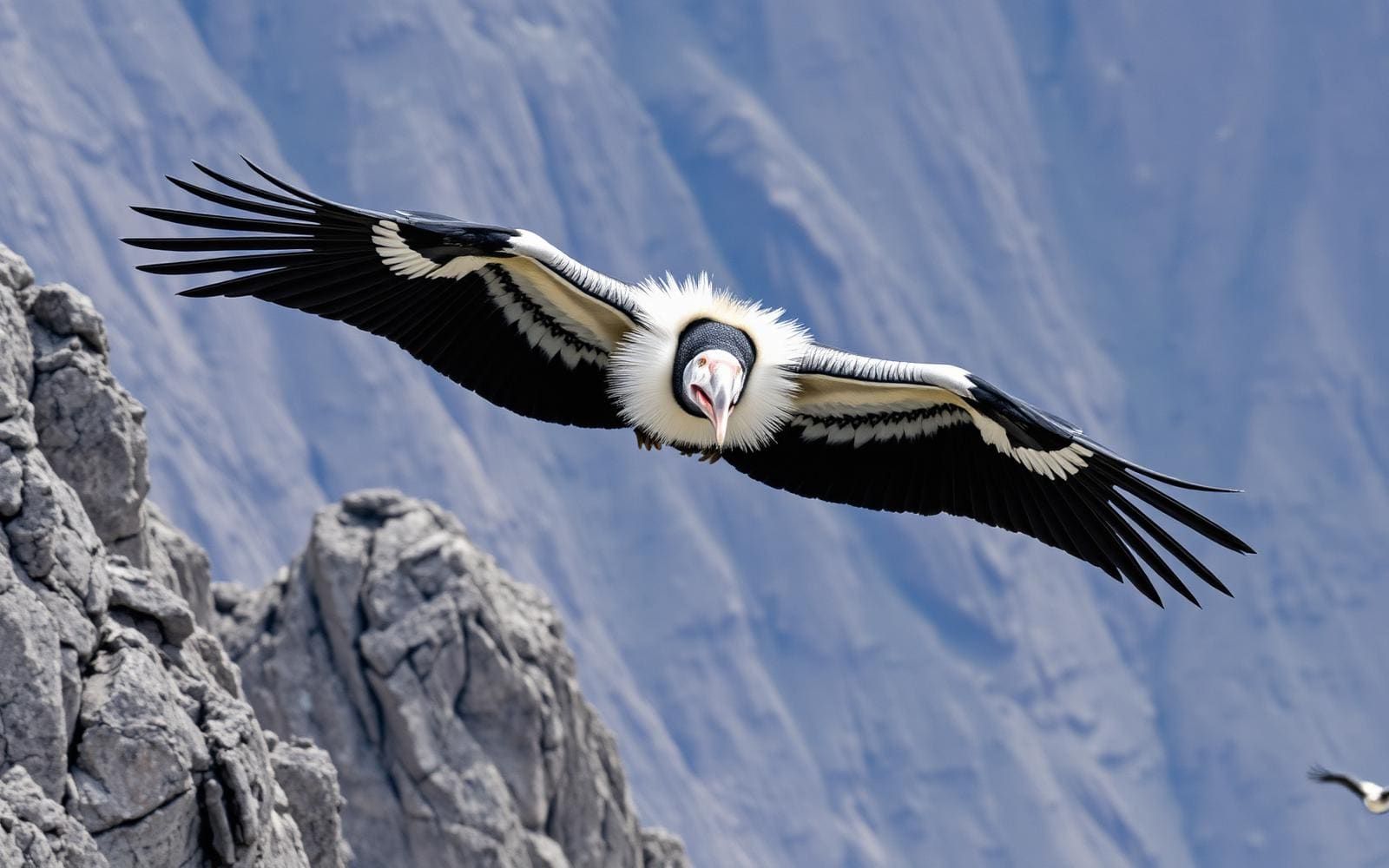
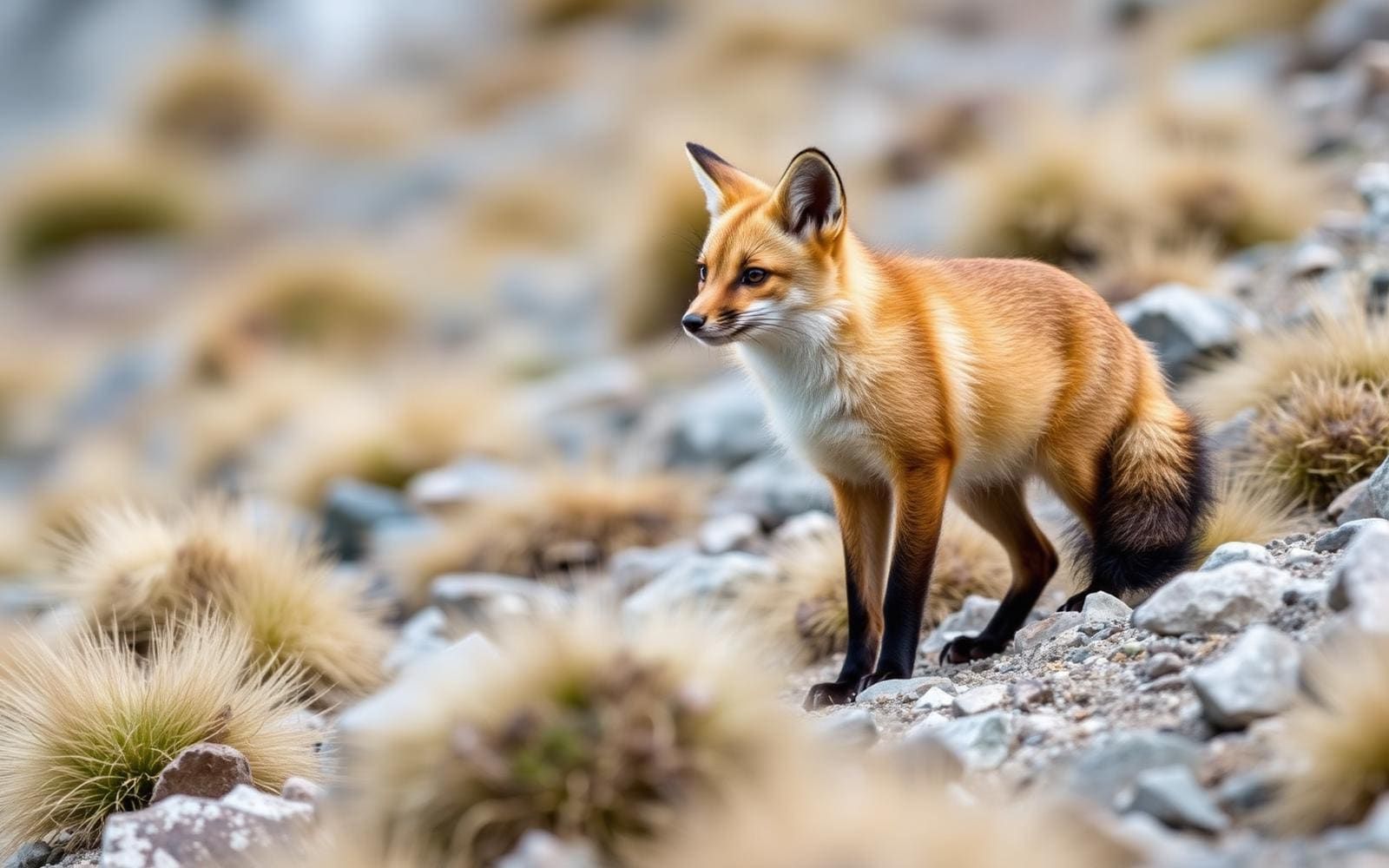
Beyond the prized sea-run brown trout, the ecosystem of the Río Grande offers a glimpse into Patagonian wildlife. While not teeming with large mammals, you might encounter guanacos, a native camelid, grazing on the open plains, or see a fox darting through the brush. Birdlife is more diverse, with various species of ducks, geese, and shorebirds frequenting the riverbanks and surrounding wetlands. Raptors such as condors or caracaras are often seen soaring overhead. The flora is typical of the Patagonian steppe: tough, low-lying grasses, thorny shrubs, and hardy flowering plants adapted to the harsh, windy conditions. The overall impression is one of a resilient landscape, where life finds a way to thrive despite the elements.
Key Routes & Attractions
The primary 'routes' here are the various beats fished along the Río Grande, usually accessed through private estancias (ranches). Most anglers travel to Ushuaia or Río Grande city, then transfer to their chosen lodge. The river is divided into numerous sections, often leased by different outfitters, each offering unique water and fishing experiences. There aren't traditional 'attractions' in the sense of landmarks; the river itself, and the act of pursuing its legendary fish, is the sole draw. Anglers typically spend their days with a guide, walking and wading or sometimes using 4x4 vehicles to access remote sections. The focus is entirely on the fishing, with little deviation from that purpose. The appeal lies in the immersive, focused experience rather than diverse sightseeing.
Permits & Access
Access to the most productive sections of the Río Grande is almost exclusively through private estancias, which operate as fishing lodges. This means booking a trip with one of these established outfitters is the standard and most practical method of fishing the river. These lodges manage the fishing rights on their property, including the required Argentine fishing licenses, which are typically included in the trip package or can be arranged upon arrival. Independent access to the prime sea-run trout waters is very limited, if not impossible, due to private land ownership. Therefore, planning well in advance and securing a spot with a reputable lodge is crucial for a successful trip to the Río Grande.
How we chose
We built this ranking from trip reports, agency data, permit records, and our editors' own time on the ground. 10 places made the final cut out of a much longer working list, and each one had to clear the same set of criteria before it earned a spot.
- Quality of the terrain
- Landscape, route variety, and whether the place rewards multiple days rather than one overlook.
- Season and weather windows
- How long the reliable window is, and how badly the shoulder seasons punish a bad forecast.
- Access and permits
- Trailhead logistics, permit odds, quotas, and how much lead time a trip realistically takes.
- Solitude vs. crowding
- How far you have to walk before the place feels like wilderness instead of a queue.
- Wildlife and ecology
- What you can reasonably expect to see, and what you have to plan around.
- Risk and skill required
- Navigation, water crossings, exposure, and rescue distance — stated plainly.
Río Grande (Tierra del Fuego) — frequently asked questions
- Is Río Grande (Tierra del Fuego) worth the trip?
- We rank it #3 in Fly-Fishing Destinations. Sea-run brown trout country. Big fish, big wind, big flies.
- Who is Río Grande (Tierra del Fuego) best for?
- Best for targeting trophy sea-run trout, challenging fly casting in wind, experiencing remote patagonian wilderness and guided fishing expeditions. Standouts: world-class opportunity for trophy sea-run brown trout and immersive, remote wilderness experience.
- What are the drawbacks of Río Grande (Tierra del Fuego)?
- High cost due to remote location and exclusive access, Extreme winds and unpredictable weather can be demanding and Limited public access; requires booking with private lodges.
- What are the key details for Río Grande (Tierra del Fuego)?
- Primary Species: Sea-run Brown Trout · Location: Tierra del Fuego, Argentina · Peak Season: Dec - Apr · Avg Fish Size: 8-15 lbs · Terrain: Open Steppe, Braided River
- Geography & Terrain — what should I know about the Río Grande (Tierra del Fuego)?
- The Río Grande carves its path through the Patagonian steppe, a vast, flat, and treeless landscape in the northern part of Tierra del Fuego. The river itself is broad, averaging 50-100 yards wide, and often features multiple channels and gravel bars.
- Season & Weather — what should I know about the Río Grande (Tierra del Fuego)?
- The prime fishing season runs from December through April, corresponding to the Southern Hemisphere's summer and early fall. December and January can offer longer daylight hours and slightly warmer temperatures, while March and April often see larger numbers of fish in the system as more mature spawners arrive.
Where on earth
Satellite imagery flying in from a world view to Río Grande (Tierra del Fuego), Tierra del Fuego Province, Argentina. Use the + / − buttons, or click the map to zoom with your scroll wheel; drag to pan and pinch to zoom on touch.
Rio Grande, Tierra del Fuego Province, Argentina · -53.786, -67.700
Wildlife found around Río Grande (Tierra del Fuego)
Compare side by side
Put the Río Grande (Tierra del Fuego) against any other pick on this list — specs, price, pros, cons and reader ratings.