


Fly-Fishing Destinations · #4
River Test / Itchen
England

Reader rating
Rate it and you move it. Community ratings re-rank this product inside its Top 10 list.
Expert-picked, reader-ranked. Our editors choose the products and the launch order; member star ratings move picks up or down over time.
The chalk streams where modern fly fishing was born. Small waters, big culture.
Pros
- Unparalleled historical significance for fly fishing
- Pristine, crystal-clear waters offering challenging sight fishing
- Strong populations of wild brown trout and grayling
- Beautiful, tranquil English countryside setting
- Opportunity to experience traditional chalk stream fishing
Cons
- Access is predominantly private and often very expensive
- Crowds can be an issue on popular public or day ticket beats
- Fishing can be highly technical and demanding, requiring skill
- Limited 'wilderness' feel due to managed environment
Best uses
- Experiencing fly fishing history
- Refining dry fly techniques
- Sight fishing to wary trout
- Enjoying a peaceful, refined angling day
Specifications
- Location
- Hampshire, England
- Target Species
- Brown Trout, Grayling
- Season
- April - October (Trout); October - March (Grayling)
- Primary Tackle
- Light fly rods (2-4wt), delicate leaders
- Access
- Mainly private beats, day tickets often expensive
- Claim to Fame
- Birthplace of modern fly fishing
Best for
Experiencing fly fishing history, Refining dry fly techniques, Sight fishing to wary trout, Enjoying a peaceful, refined angling day
The River Test and River Itchen, nestled in England's Hampshire countryside, represent the genesis of modern fly fishing. These aren't vast, wild rivers; they are intimate, highly managed chalk streams, characterized by crystal-clear, nutrient-rich waters that foster abundant aquatic insect life and, consequently, healthy populations of brown trout and grayling. Their unique geology, where groundwater filters through chalk bedrock, creates a stable flow and temperature ideal for delicate dry fly and nymph fishing. This region is steeped in tradition, with a fishing culture that prioritizes stealth, presentation, and an almost academic understanding of insect hatches. It's less about raw numbers and more about the art and history of the sport. While incredibly picturesque, it's crucial to understand that these rivers are predominantly privately owned and managed, often by estates that have safeguarded them for centuries. This management ensures pristine conditions and strong fish stocks but also dictates access, which is typically via syndicated beats or day tickets that can be expensive. The fishing here demands a refined approach, focusing on sight fishing to individual trout in often challenging conditions, where drag-free drifts and precise casts are paramount. It’s an experience that connects anglers directly to the sport’s heritage, offering a distinct contrast to the free-flowing, often more rugged, rivers found elsewhere.
Geography & Terrain
These rivers flow through the gentle, rolling hills and water meadows of Hampshire. The terrain is largely agricultural and pastoral, characterized by open fields, ancient woodlands, and picturesque villages. The riverbeds are typically gravelly, supporting rich weed growth which in turn provides cover and food for fish. The chalk stream environment creates remarkably stable water conditions, with consistent flows and temperatures year-round, making them less susceptible to the dramatic fluctuations seen in freestone rivers. This stability is key to their productivity, allowing for predictable insect hatches and healthy fish populations, but the narrow channels often require precise casting and careful wading.
Best Season & Weather
For brown trout, the prime season runs from April to October. The early season sees good hatches of olives, while late spring and summer are dominated by mayflies (Ephemera danica), sedges, and various upwinged flies, offering superb dry fly fishing opportunities. Grayling fishing extends through the colder months, from October to March, providing a unique winter pursuit. Weather-wise, bright, calm days can be challenging due to the clear water and spooky fish, but also offer the best sight-fishing. Overcast days with a gentle breeze are often ideal, softening the light and encouraging hatches, making for more forgiving conditions.
Wildlife & Scenery
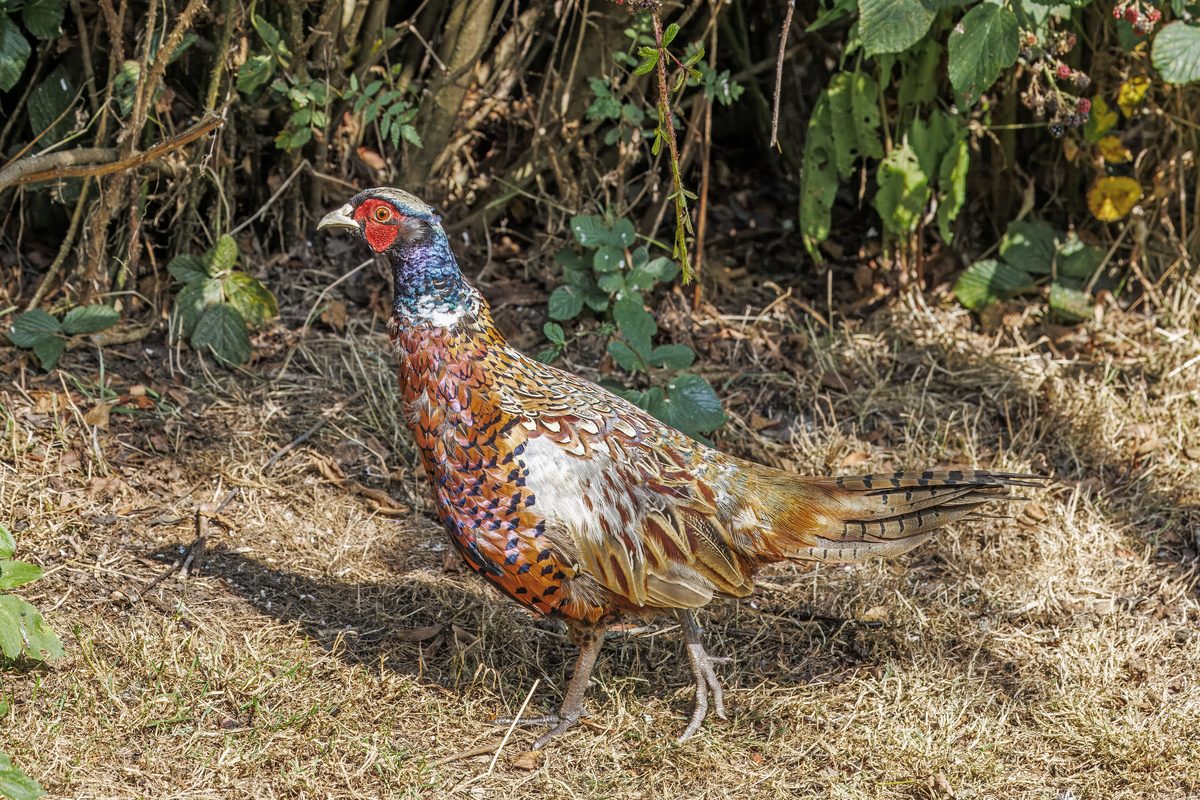
Beyond the fish, the chalk streams support a rich diversity of wildlife. Kingfishers are a common sight, darting along the banks, and otters, though elusive, are making a strong comeback. Water voles inhabit the banks, and various waterfowl, from moorhens to mallards, are ever-present. The surrounding countryside is classic English landscape, with ancient oak trees, vibrant wildflowers in spring and summer, and historic country estates. The scenery is pastoral and tranquil, a perfect backdrop for a contemplative day of fishing, with the gentle flow of the river providing a constant, soothing soundtrack.
Key Routes & Attractions
While not 'routes' in the conventional sense, specific beats on both the Test and Itchen are highly sought after. Famous stretches include the Test at Houghton, Wherwell, and Broadlands, and the Itchen at Avington and Winchester. These beats are often let through syndicates or offer limited day tickets, which need to be booked well in advance. Beyond fishing, the historic cities of Winchester and Salisbury, with their magnificent cathedrals, are nearby and offer cultural attractions. The New Forest National Park is also a short drive away, providing opportunities for hiking and exploring a different natural landscape.
Permits & Access
Access to the Test and Itchen is almost exclusively private. Anglers typically fish on specific 'beats' owned by estates or fishing syndicates. Day tickets are available on some stretches, but they are often expensive, ranging from £100 to upwards of £500, depending on the beat and time of year. Booking through specialist fishing agents or directly with estates is the norm. A national Rod Licence, purchased from the Environment Agency, is also required. Poaching is taken very seriously, and respecting private property boundaries is paramount for preserving this unique fishing resource and its traditions.
How we chose
We built this ranking from trip reports, agency data, permit records, and our editors' own time on the ground. 10 places made the final cut out of a much longer working list, and each one had to clear the same set of criteria before it earned a spot.
- Quality of the terrain
- Landscape, route variety, and whether the place rewards multiple days rather than one overlook.
- Season and weather windows
- How long the reliable window is, and how badly the shoulder seasons punish a bad forecast.
- Access and permits
- Trailhead logistics, permit odds, quotas, and how much lead time a trip realistically takes.
- Solitude vs. crowding
- How far you have to walk before the place feels like wilderness instead of a queue.
- Wildlife and ecology
- What you can reasonably expect to see, and what you have to plan around.
- Risk and skill required
- Navigation, water crossings, exposure, and rescue distance — stated plainly.
River Test / Itchen — frequently asked questions
- Is River Test / Itchen worth the trip?
- We rank it #4 in Fly-Fishing Destinations. The chalk streams where modern fly fishing was born. Small waters, big culture.
- Who is River Test / Itchen best for?
- Best for experiencing fly fishing history, refining dry fly techniques, sight fishing to wary trout and enjoying a peaceful, refined angling day. Standouts: unparalleled historical significance for fly fishing and pristine, crystal-clear waters offering challenging sight fishing.
- What are the drawbacks of River Test / Itchen?
- Access is predominantly private and often very expensive, Crowds can be an issue on popular public or day ticket beats and Fishing can be highly technical and demanding, requiring skill.
- What are the key details for River Test / Itchen?
- Location: Hampshire, England · Target Species: Brown Trout, Grayling · Season: April - October (Trout); October - March (Grayling) · Primary Tackle: Light fly rods (2-4wt), delicate leaders · Access: Mainly private beats, day tickets often expensive
- Geography & Terrain — what should I know about the River Test / Itchen?
- These rivers flow through the gentle, rolling hills and water meadows of Hampshire. The terrain is largely agricultural and pastoral, characterized by open fields, ancient woodlands, and picturesque villages.
- Best Season & Weather — what should I know about the River Test / Itchen?
- For brown trout, the prime season runs from April to October. The early season sees good hatches of olives, while late spring and summer are dominated by mayflies (Ephemera danica), sedges, and various upwinged flies, offering superb dry fly fishing opportunities.
Where on earth
Satellite imagery flying in from a world view to River Test / Itchen, England, United Kingdom. Use the + / − buttons, or click the map to zoom with your scroll wheel; drag to pan and pinch to zoom on touch.
River Test, United Kingdom · 50.993, -1.466
Wildlife found around River Test / Itchen
Compare side by side
Put the River Test / Itchen against any other pick on this list — specs, price, pros, cons and reader ratings.