


Best of the Best: Everyday 260 Crewe vs Merino 150 Baselayer
Everyday 260 Crewe vs Merino 150 Baselayer
Our #1 and #2 picks from Top 10 Merino Wool Base Layers, compared spec-by-spec with clear pros, cons, and a verdict.
Choosing the right merino wool base layer can significantly impact your comfort in the outdoors, whether you're hitting the trails, skiing, or just staying warm in everyday life. Today, we're pitting two titans of the merino world against each other: the Icebreaker Merino 260 Tech Long Sleeve Crewe (formerly Everyday 260 Crewe) and the Smartwool Merino 150 Base Layer Long Sleeve. These brands are synonymous with quality merino, but they cater to slightly different needs. Your decision will hinge on the conditions you anticipate, your activity level, and your budget. Are you seeking maximum warmth for colder adventures, or a lighter, more versatile layer for moderate temperatures and high-output activities? Let's dive into the details to help you make an informed choice for your next adventure.
Everyday 260 Crewe
Icebreaker

Heavyweight everyday merino. The default winter base layer for a reason.
Find it on AmazonMerino 150 Baselayer
Smartwool
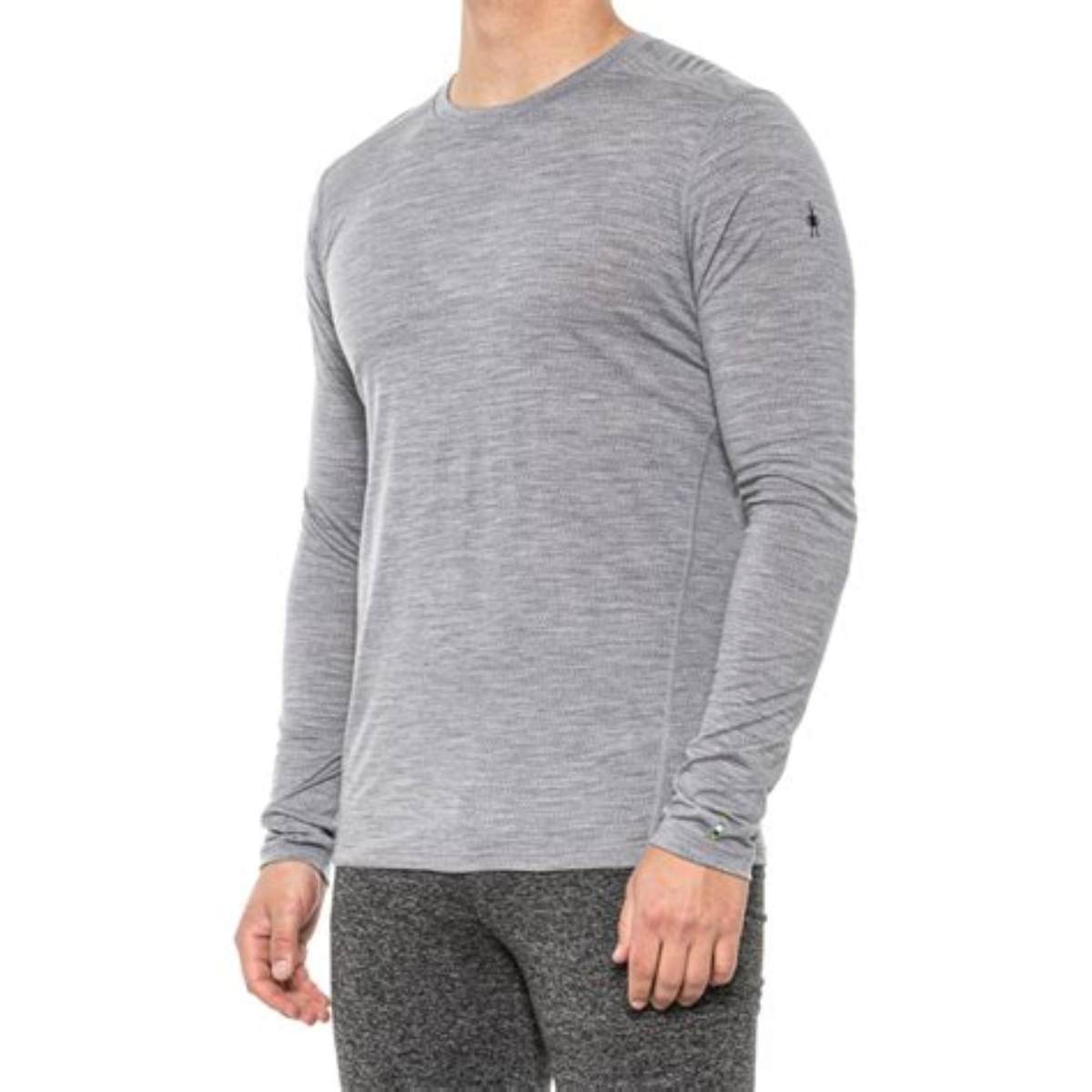
Lightweight summer merino with excellent fit and durability.
Find it on AmazonSpec-by-Spec
| Spec | #1 Everyday 260 Crewe | #2 Merino 150 Baselayer |
|---|---|---|
| Weight | 260 g/m² (Midweight) | 150 g/m² (Lightweight) |
| Capacity/Size | Regular Fit, S-XXL (Men's) | Slim Fit, S-XXL (Men's) |
| Materials | 100% Merino Wool | 87% Merino Wool, 13% Nylon Core |
| Price Tier | Premium | Premium |
| Warranty | Limited Lifetime (Manufacturer's defects) | Limited Lifetime (Manufacturer's defects) |
| Best Use | Cold Weather, Skiing, Winter Hiking, Everyday Warmth | Warm Weather, High-Output Activities, Layering, Everyday Comfort |
| Portability | Moderate bulk, good for packing when warmth is priority | Highly packable, lightweight |
| Durability | Good, pure merino can be delicate | Enhanced by nylon core for improved abrasion resistance |
| Feature Highlights | Offset shoulder seams, flatlock seams, drop tail hem | Offset shoulder seams, smooth merrow stitching, UPF 20+ |
Everyday 260 Crewe
Best for: Cold-weather enthusiasts seeking maximum warmth and softness for skiing, winter hiking, or chilly everyday wear.
Pros
- Superior warmth-to-weight ratio for colder conditions
- Luxuriously soft 100% merino feel against skin
- Excellent breathability and temperature regulation for its weight
- Naturally odor-resistant for multi-day use
Cons
- Can be too warm for high-output activities or mild weather
- More delicate than blends, potentially less durable over time
- Slightly slower drying than lighter alternatives
Merino 150 Baselayer
Best for: Active individuals needing a versatile, durable, and lightweight base layer for year-round high-output activities.
Pros
- Excellent for high-aerobic activities and warmer conditions
- Nylon core enhances durability and resilience
- Very lightweight and highly packable
- Quicker drying due to lighter fabric and synthetic blend
Cons
- Not ideal as a standalone layer in very cold conditions
- Slightly less soft feel compared to 100% merino
- Higher price point for a lightweight base layer
The Verdict
The choice between the Icebreaker Merino 260 Tech Crewe and the Smartwool Merino 150 Base Layer boils down to your primary use case. The Icebreaker 260 is the clear winner for those prioritizing warmth and luxurious comfort in cold environments. Its substantial merino weight makes it an outstanding choice for winter sports, frigid commutes, or as a cozy layer around camp. However, for dynamic activities, shoulder seasons, or warmer climates, the Smartwool 150 pulls ahead. Its lighter weight and nylon core make it more durable, faster-drying, and better suited for high-output pursuits where you need excellent thermoregulation without overheating. Neither is inherently 'better' but rather suited for different adventures. Choose based on your expected temperature and activity level.