



Top 10 · Gear
Top 10 Merino Wool Base Layers (2026)
Next-to-skin wool that works in real cold, real heat, and days between washes.
Updated September 2026 · 10 picks re-checked for availability and current spec, reader ratings refreshed live.
Merino handles a wider comfort range than synthetics, resists odor for days, and stays warm when damp. Weight (typically 150 g/m² summer, 200–260 g/m² winter) and fit matter more than brand. Blended merino (with a small amount of nylon) is more durable and worth it for hiking-weight tops.
The short answer


Compare all 10 picks at a glance
Editorial ranking, what each pick is best at, and how we assessed it. Tap a name to jump to the full write-up.
| # | Pick | Best for | Key spec | Evidence |
|---|---|---|---|---|
| 1 | Everyday 260 Crewe Icebreaker | Winter hiking and backpacking | Material: 100% Merino Wool | Research only |
| 2 | Merino 150 Baselayer Smartwool | Summer backpacking trips | Fabric Weight: 150 g/m² | Research only |
| 3 | Aspect Midweight Ridge Merino | Backpacking trips | Material: 100% Merino Wool | Research only |
| 4 | 200 / 400 Zip Turtleneck Woolpower | Winter camping and backpacking | Material: Merino Wool (Ullfrotté Original) | Research only |
| 5 | Capilene Air Hoody Patagonia | Cold weather backpacking | Material: 51% Merino Wool, 49% Recycled Polyester | Research only |
| 6 | Woolies 3 Bottom First Lite | Cold weather hunting | Material: 100% Merino Wool | Research only |
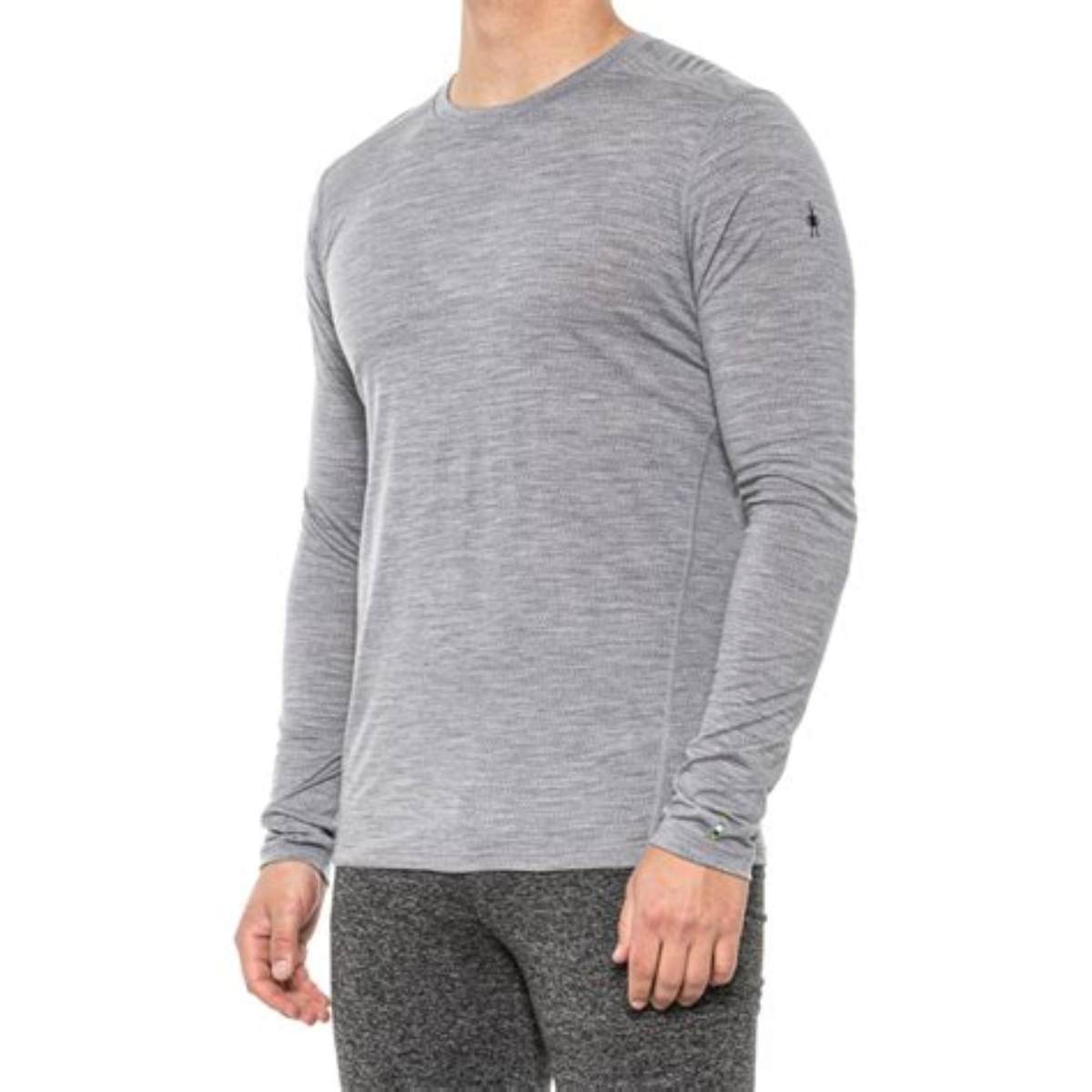
| 7 | Long Sleeve Crew 200 Minus33 | Three-season hiking | Material: 100% Merino Wool | Research only |
| 8 | Expedition No. 1 Wool Mesh Devold of Norway | Winter mountaineering | Maker: Devold of Norway | Research only |
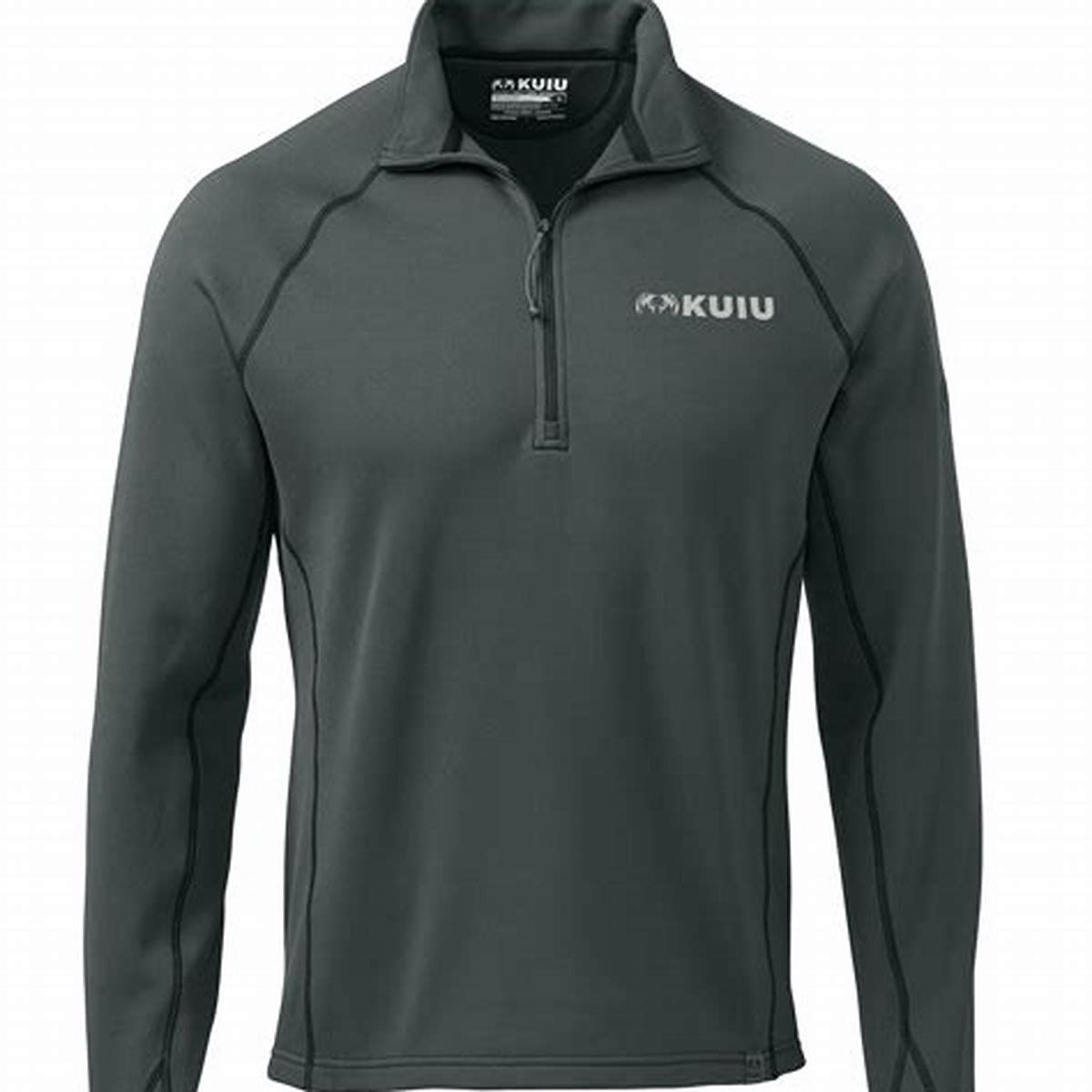
| 9 | Peloton 200 Zip-T KUIU | Backcountry hunting | Maker: KUIU | Research only |
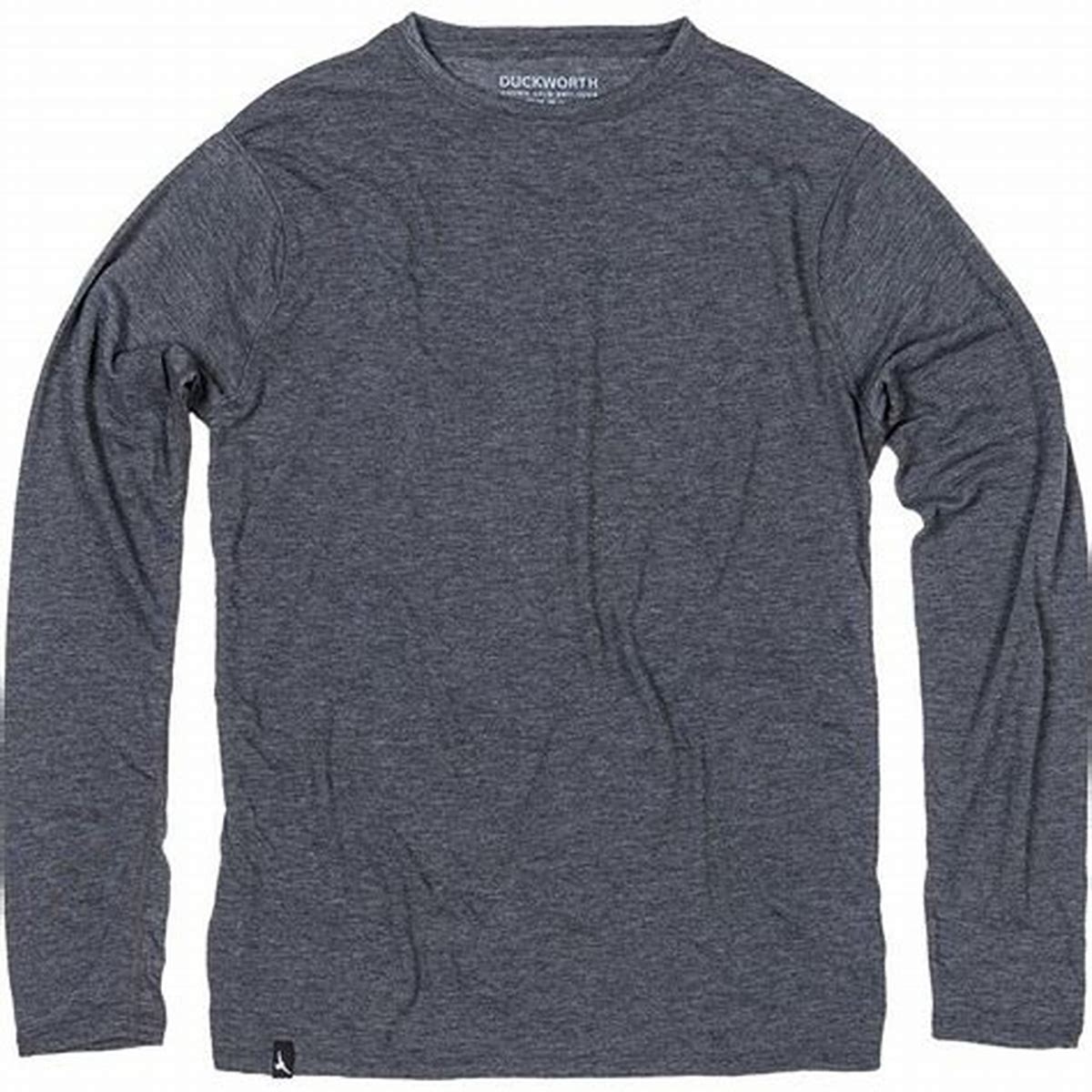
| 10 | Vapor Wool Crew Duckworth | Multi-day backpacking trips | Material: 100% Montana Merino Wool | Research only |
How we chose
We started with a long list of wool base layers that people actually buy, cut anything that could not clear our baseline for durability and field performance, then ranked the 10 that were left against the same criteria. Rankings are editorial. No brand pays for placement, and affiliate links never move a pick up or down.
- Fabric behavior over time
- Breathability, DWR life, loft retention, and how the piece performs after repeated washing.
- Real-world durability
- How the material, stitching, or steel holds up after a season of hard use — not how it looks new.
- Performance in bad conditions
- Wind, rain, cold, and grit are the test. Anything that only works on a nice day gets marked down.
- Weight and packability
- Every ounce has to earn its place in the pack, but not at the cost of something that fails in the field.
- Ease of use
- Setup, adjustment, and maintenance with cold hands, in the dark, without the manual.
- Value at its price point
- Compared against the closest competitors in the same tier, not against cheaper gear in a different class.
Best of the Best · Head to Head
Everyday 260 Crewe vs Merino 150 Baselayer
#1 vs #2 — side-by-side specs, pros & cons, and the final verdict.
Compare any two picks
Build your own side-by-side
Choose any two of these 10 picks and compare specs, price, pros, cons and reader ratings.
Topic summary
Next-to-skin wool that works in real cold, real heat, and days between washes.
Key takeaways
- #1 Everyday 260 Crewe — Icebreaker
- #2 Merino 150 Baselayer — Smartwool
- #3 Aspect Midweight — Ridge Merino
- #4 200 / 400 Zip Turtleneck — Woolpower
- #5 Capilene Air Hoody — Patagonia
- #6 Woolies 3 Bottom — First Lite
Intended uses
Gear
Verification notes
Editorial ranked list, 10 entries. Evidence mix — 10 research only. Buy links open the maker or a retailer search. Last reviewed September 2026.
Best wool base layers for a specific job
Skip the ranking — jump to the pick that matches how you actually use it.
- Best for winter hiking and backpacking
- #1 Everyday 260 Crewe — IcebreakerHeavyweight everyday merino. The default winter base layer for a reason.Read the full profile
- Best for summer backpacking trips
- #2 Merino 150 Baselayer — SmartwoolLightweight summer merino with excellent fit and durability.Read the full profile
- Best for backpacking trips
- #3 Aspect Midweight — Ridge MerinoBest value 100% merino from a smaller US brand.Read the full profile
- Best for winter camping and backpacking
- #4 200 / 400 Zip Turtleneck — WoolpowerSwedish terry-loop merino — thicker and warmer than standard jersey. Preferred by cold-weather guides.Read the full profile
- Best for cold weather backpacking
- #5 Capilene Air Hoody — PatagoniaMerino/recycled polyester blend with a lofted knit. Warmer than plain jersey for its weight.Read the full profile
- Best for cold weather hunting
- #6 Woolies 3 Bottom — First LiteHunter-cut heavyweight merino with reinforced knees and long tail. Best for shoulder-season hunts.Read the full profile
- Best for three-season hiking
- #7 Long Sleeve Crew 200 — Minus33Domestic mid-price merino. Honest fit, honest weight, honest price.Read the full profile
- Best for winter mountaineering
- #8 Expedition No. 1 Wool Mesh — Devold of NorwayCold-country Norwegian wool mesh — exceptional next-to-skin in real cold and static work.Read the full profile
Our editors test the gear, pick the ten, and set the order the day a list publishes. After that, the ranking is live: every member star rating feeds the community order, so picks climb or slide as real owners report back. Editorial judgment decides what earns a spot — you help decide where it sits.
- Editors set the field
Hands-on testing and spec research choose the ten and the published order.
- Readers re-rank it
Your 1–5 star ratings drive the community order on every list.
- Rankings keep moving
Picks rise or fall over time — nothing is frozen at launch day.
Rank this list
Loading community ratings… Ratings re-order the picks — they never change which products make the list.
Sign in to add your own ratings — it's free.
- Pros
- Exceptional warmth for its weight
- Superior odor resistance for extended wear
- Soft, non-itchy feel even after repeated washes
- Durable construction for a merino garment
- Versatile for both active and casual cold-weather use
Cons- Higher price point than synthetic alternatives
- Not the lightest or most packable option for extreme ultralight endeavors
- Can take longer to dry than synthetic fabrics
Key features- Fabric Weight
- 260 g/m²
- Material
- 100% Merino Wool
- Fit
- Slim, non-restrictive
- Seams
- Flatlock
- Odor Resistance
- Excellent
- Care
- Machine wash cold
Best forWinter hiking and backpacking, Skiing and snowboarding, Cold weather casual wear, Multi-day trips with limited laundry, Static cold weather activities
Pros- Exceptional warmth for its weight
- Superior odor resistance for extended wear
- Soft, non-itchy feel even after repeated washes
- Durable construction for a merino garment
- Versatile for both active and casual cold-weather use
Cons- Higher price point than synthetic alternatives
- Not the lightest or most packable option for extreme ultralight endeavors
- Can take longer to dry than synthetic fabrics
Assessed by Renata Cho against our ranking criteria.No ratings yet - Pros
- Exceptional breathability for warm conditions
- Superior odor resistance for multi-day use
- Surprisingly durable for lightweight merino
- Excellent next-to-skin comfort and soft feel
- Quick-drying and highly packable
Cons- Higher price point than many synthetics
- Not ideal for standalone warmth in cold weather
- Susceptible to snags from abrasive surfaces
Key features- Fabric Weight
- 150 g/m²
- Material
- 100% Merino Wool (some blends exist)
- Fit
- Slim, Athletic
- Seams
- Flatlock
- Care
- Machine wash cold, tumble dry low
Best forSummer backpacking trips, High-output trail running, Multi-day climbing trips, Travel in varying climates, As a foundational layer
Pros- Exceptional breathability for warm conditions
- Superior odor resistance for multi-day use
- Surprisingly durable for lightweight merino
- Excellent next-to-skin comfort and soft feel
- Quick-drying and highly packable
Cons- Higher price point than many synthetics
- Not ideal for standalone warmth in cold weather
- Susceptible to snags from abrasive surfaces
Assessed by Renata Cho against our ranking criteria.No ratings yet - Pros
- Excellent value for 100% merino wool
- Effective temperature regulation and moisture wicking
- Superior natural odor resistance for multi-day use
- Comfortable next-to-skin feel, non-itchy
- Good midweight warmth suitable for diverse conditions
Cons- Not as durable as synthetic blends for rough use
- Slightly heavier than ultralight alternatives
- Limited color options compared to larger brands
Key features- Weight (g/m²)
- 180 g/m²
- Material
- 100% Merino Wool
- Fit
- Athletic, next-to-skin
- Seams
- Flatlock
- Odor Resistance
- Excellent
- Country of Origin
- Designed in USA, Made in China
Best forBackpacking trips, Skiing and snowboarding, Cold weather hiking, Multi-day mountaineering, Shoulder season layering
Pros- Excellent value for 100% merino wool
- Effective temperature regulation and moisture wicking
- Superior natural odor resistance for multi-day use
- Comfortable next-to-skin feel, non-itchy
- Good midweight warmth suitable for diverse conditions
Cons- Not as durable as synthetic blends for rough use
- Slightly heavier than ultralight alternatives
- Limited color options compared to larger brands
Assessed by Renata Cho against our ranking criteria.No ratings yet - Pros
- Unmatched warmth for its weight due to unique terry-loop knit
- Exceptional durability; resists snags and holds up to heavy use
- Maintains insulation when damp, critical for cold-weather safety
- Strategic blending of 200g/400g fabrics optimizes warmth and mobility
- Effectively manages moisture for its thermal capacity
Cons- Bulkier and less athletic-fitting than standard merino base layers
- Higher price point compared to many other merino options
- Can be too warm for high-output activities in moderate cold
- Less aesthetic for casual wear due to robust, utilitarian design
Key features- Weight (Fabric)
- 200g/m² & 400g/m²
- Material
- Merino Wool (Ullfrotté Original)
- Knit Type
- Terry-loop
- Zipper
- Quarter-zip
- Origin
- Made in Sweden
- Best For
- Extreme Cold, Low Activity
Best forWinter camping and backpacking, Ice fishing or hunting in extreme cold, Expeditionary use, Cold weather guiding, Static activities in sub-freezing temperatures
Pros- Unmatched warmth for its weight due to unique terry-loop knit
- Exceptional durability; resists snags and holds up to heavy use
- Maintains insulation when damp, critical for cold-weather safety
- Strategic blending of 200g/400g fabrics optimizes warmth and mobility
- Effectively manages moisture for its thermal capacity
Cons- Bulkier and less athletic-fitting than standard merino base layers
- Higher price point compared to many other merino options
- Can be too warm for high-output activities in moderate cold
- Less aesthetic for casual wear due to robust, utilitarian design
Assessed by Renata Cho against our ranking criteria.No ratings yet - Pros
- Exceptional warmth-to-weight ratio from lofted knit
- Excellent breathability and moisture wicking
- Superior odor resistance due to merino content
- Integrated hood adds significant head/neck warmth
- More durable than many pure merino options
Cons- Premium price point compared to some blends
- Synthetic component means less natural feel for some
- Slightly slower drying than pure synthetic layers
Key features- Material
- 51% Merino Wool, 49% Recycled Polyester
- Knit Type
- Lofted Waffle
- Fit
- Slim, next-to-skin
- Features
- Integrated Hood, Thumb Loops
- Origin
- Fair Trade Certified
Best forCold weather backpacking, Alpine climbing, Ski touring and snowboarding, Multi-day winter trips, High-output cold weather activities
Pros- Exceptional warmth-to-weight ratio from lofted knit
- Excellent breathability and moisture wicking
- Superior odor resistance due to merino content
- Integrated hood adds significant head/neck warmth
- More durable than many pure merino options
Cons- Premium price point compared to some blends
- Synthetic component means less natural feel for some
- Slightly slower drying than pure synthetic layers
Assessed by Renata Cho against our ranking criteria.No ratings yet - Pros
- Exceptional warmth for static cold weather activities
- Reinforced knees significantly boost durability
- Excellent natural odor resistance for multi-day use
- Comfortable next-to-skin feel of pure merino
- Robust construction holds up to hard outdoor use
Cons- Heavier and bulkier than lighter merino or synthetic options
- Can be too warm for high-output activities or milder conditions
- Premium price point
Key features- Weight Class
- Heavyweight (350g/m²)
- Material
- 100% Merino Wool
- Fit
- Athletic, next-to-skin
- Reinforcement
- Knees
- Odor Resistance
- Excellent
- Season
- Cool to Cold
Best forCold weather hunting, Ice fishing, Winter camping, Static outdoor activities
Pros- Exceptional warmth for static cold weather activities
- Reinforced knees significantly boost durability
- Excellent natural odor resistance for multi-day use
- Comfortable next-to-skin feel of pure merino
- Robust construction holds up to hard outdoor use
Cons- Heavier and bulkier than lighter merino or synthetic options
- Can be too warm for high-output activities or milder conditions
- Premium price point
Assessed by Renata Cho against our ranking criteria.No ratings yet - Pros
- Excellent value for 100% merino wool
- Effective moisture management and odor control
- Durable and well-constructed for its class
- Versatile midweight for various activities
- Comfortable fit for layering or standalone wear
Cons- Not the softest merino available (subjective)
- Limited color options compared to some brands
- Can feel a bit warm for high-output summer activities
Key features- Fabric Weight
- 200 g/m²
- Material
- 100% Merino Wool
- Layer Type
- Midweight Base Layer
- Fit
- Athletic Regular
- Country of Origin
- USA (design), Imported (manufacture)
- Odor Resistance
- High
Best forThree-season hiking, Skiing and snowboarding, Backpacking and camping, Cold weather layering, Casual everyday wear
Pros- Excellent value for 100% merino wool
- Effective moisture management and odor control
- Durable and well-constructed for its class
- Versatile midweight for various activities
- Comfortable fit for layering or standalone wear
Cons- Not the softest merino available (subjective)
- Limited color options compared to some brands
- Can feel a bit warm for high-output summer activities
Assessed by Renata Cho against our ranking criteria.No ratings yet - Pros
- Exceptional warmth for its weight through unique mesh construction
- Superior moisture management, keeps skin dry during high output
- Excellent temperature regulation for varying activity levels
- Highly packable for its thermal capability
- Durable, high-quality merino wool from a reputable brand
Cons- Unconventional mesh look may not appeal to all users
- Not ideal for standalone wear or warmer conditions
- Higher price point than many traditional base layers
- Requires careful layering to maximize its benefits
Key features- Weight
- Midweight
- Material
- 100% Merino Wool
- Maker
- Devold of Norway
- Construction
- Mesh knit body, flat knit shoulders/sleeves
- Best Climate
- Cold to Very Cold
- Fit
- Close-fitting
Best forWinter mountaineering, Ice climbing, Cold weather hiking, Backcountry skiing, Extended winter expeditions
Pros- Exceptional warmth for its weight through unique mesh construction
- Superior moisture management, keeps skin dry during high output
- Excellent temperature regulation for varying activity levels
- Highly packable for its thermal capability
- Durable, high-quality merino wool from a reputable brand
Cons- Unconventional mesh look may not appeal to all users
- Not ideal for standalone wear or warmer conditions
- Higher price point than many traditional base layers
- Requires careful layering to maximize its benefits
Assessed by Renata Cho against our ranking criteria.No ratings yet - Pros
- Exceptional temperature regulation via full-length zipper
- Durable merino-synthetic blend resists wear and tear
- Excellent moisture wicking and odor control
- Athletic fit for effective layering
- Reliable performance in variable conditions
Cons- Hunter-specific cut may not appeal to all users
- Premium price point
- Not as lightweight as pure ultralight options
Key features- Weight Class
- Midweight
- Material
- Merino Wool Blend
- Maker
- KUIU
- Model
- Peloton 200 Zip-T
- Key Feature
- Full-Length Zipper
Best forBackcountry hunting, Winter hiking and backpacking, High-output cold weather activities, Multi-day trips
Pros- Exceptional temperature regulation via full-length zipper
- Durable merino-synthetic blend resists wear and tear
- Excellent moisture wicking and odor control
- Athletic fit for effective layering
- Reliable performance in variable conditions
Cons- Hunter-specific cut may not appeal to all users
- Premium price point
- Not as lightweight as pure ultralight options
Assessed by Renata Cho against our ranking criteria.No ratings yet - Pros
- Fully traceable, single-source Montana merino wool
- Excellent durability and resistance to pilling
- Comfortable next-to-skin feel, no itchiness
- Effective thermoregulation for varying conditions
- Strong odor resistance for multi-day use
Cons- Not the lightest option available
- Price point is on the higher end of the spectrum
- Limited color palette compared to competitors
Key features- Weight (Men's M)
- ~7.0 oz
- Material
- 100% Montana Merino Wool
- Fit
- Athletic, next-to-skin
- Country of Origin
- USA (Wool & Manufacturing)
- Seasonality
- 3-Season (Fall, Winter, Spring)
Best forMulti-day backpacking trips, Cold weather hiking and camping, Layering for skiing or snowboarding, Ethically conscious consumers, Everyday cool weather comfort
Pros- Fully traceable, single-source Montana merino wool
- Excellent durability and resistance to pilling
- Comfortable next-to-skin feel, no itchiness
- Effective thermoregulation for varying conditions
- Strong odor resistance for multi-day use
Cons- Not the lightest option available
- Price point is on the higher end of the spectrum
- Limited color palette compared to competitors
Assessed by Renata Cho against our ranking criteria.No ratings yet



Award picks
The ranking above is price-blind and judged on merit. These awards call out the pick we'd hand a specific person with a specific need.
Heavyweight everyday merino.
Ranked #1Lightweight summer merino with excellent fit and durability.
Ranked #2Best value 100% merino from a smaller US brand.
Ranked #3Merino/recycled polyester blend with a lofted knit.
Ranked #5Swedish terry-loop merino — thicker and warmer than standard jersey.
Ranked #4Domestic mid-price merino.
Ranked #7How to choose wool base layers
Every pick on this page was judged against the same criteria. If you want the short answer, Everyday 260 Crewe by Icebreaker is the one we point most people at. If you want to decide for yourself, here is what actually separates a good wool base layer from an expensive one.
Fabric behavior over time
Breathability, DWR life, loft retention, and how the piece performs after repeated washing.
Real-world durability
How the material, stitching, or steel holds up after a season of hard use — not how it looks new.
Performance in bad conditions
Wind, rain, cold, and grit are the test. Anything that only works on a nice day gets marked down.
Weight and packability
Every ounce has to earn its place in the pack, but not at the cost of something that fails in the field.
Ease of use
Setup, adjustment, and maintenance with cold hands, in the dark, without the manual.
Value at its price point
Compared against the closest competitors in the same tier, not against cheaper gear in a different class.
Match the pick to your use
The right wool base layers depends on what you are actually doing with it: Winter hiking and backpacking; Skiing and snowboarding; Cold weather casual wear; Multi-day trips with limited laundry; Static cold weather activities; Summer backpacking trips. Start from the use case, then work down the ranking until you hit the first pick that covers it.
Common mistakes
- Buying the lightest wool base layers you can find and discovering it cannot take a season of hard use.
- Paying for a specialist feature you will use once a year instead of the versatile option.
- Comparing headline specs across tiers instead of within the same class.
- Skipping fit, sizing, or adjustment checks that decide whether you actually carry it.
Frequently asked questions
- What is the best wool base layers in 2026?
- Everyday 260 Crewe by Icebreaker takes the top spot. Heavyweight everyday merino.
- How did The Wild10 choose and rank these wool base layers?
- We judged every pick against the same criteria — fabric behavior over time, real-world durability, performance in bad conditions, weight and packability — and ranked them on merit regardless of price. Next-to-skin wool that works in real cold, real heat, and days between washes.
- What is the best budget wool base layers?
- Aspect Midweight by Ridge Merino — Best value 100% merino from a smaller US brand.
- Everyday 260 Crewe vs Merino 150 Baselayer — which should I pick?
- Everyday 260 Crewe ranks first: Heavyweight everyday merino. Merino 150 Baselayer is the close second: Lightweight summer merino with excellent fit and durability. Our full head-to-head compares them side by side.
- How often is this list updated?
- We review this ranking on a rolling basis and update it whenever a pick is discontinued, meaningfully revised, or beaten by something new. Rankings are editorial — brands do not see them before publication and affiliate links never change the order.
Learn the craft: hunting guides
All hunting guides →
Get The Field List
One short, honest email a week: gear we actually trust, planning guides, and survival-TV coverage. Free, unsubscribe anytime.