


Adventure Locations · #8
Fiordland National Park
New Zealand
Reader rating
Rate it and you move it. Community ratings re-rank this product inside its Top 10 list.
Expert-picked, reader-ranked. Our editors choose the products and the launch order; member star ratings move picks up or down over time.
Rainforest, fjords, and the Great Walks. Some of the wettest, greenest wilderness on Earth.
Pros
- Unparalleled natural beauty and dramatic landscapes
- World-class multi-day hiking (Great Walks)
- Immersive wilderness experience
- Unique marine and birdlife viewing opportunities
- Sense of untouched, ancient land
Cons
- Extremely high rainfall year-round
- Sandflies can be relentless
- Remote, requires significant travel time
- Popular tracks and accommodation book out far in advance
- Weather can be highly unpredictable and severe
Best uses
- Multi-day wilderness tramping
- Scenic boat cruises through fjords
- Kayaking in protected waters
- Photography of dramatic landscapes
- Experiencing ancient rainforest
Specifications
- Location
- South Island, New Zealand
- Area
- Over 1.2 million hectares
- Status
- National Park, UNESCO World Heritage Site
- Key Features
- Fjords, rainforest, mountains
- Climate
- Temperate, extremely high rainfall
- Best Season
- Summer (Dec-Feb) for tramping
Best for
Multi-day wilderness tramping, Scenic boat cruises through fjords, Kayaking in protected waters, Photography of dramatic landscapes, Experiencing ancient rainforest
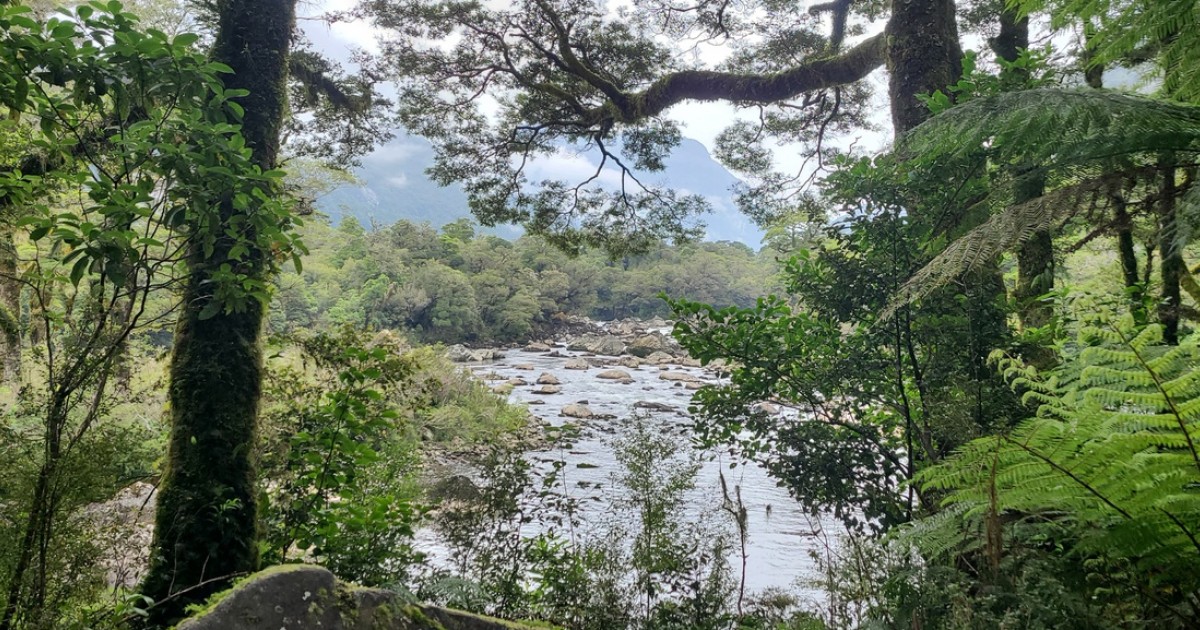
Fiordland National Park, located on the southwest coast of New Zealand's South Island, is a place of staggering, primeval beauty. Carved by glaciers over millennia, its landscape is dominated by steep-sided fjords, dense rainforest, and mist-shrouded peaks. It's a land of extremes, boasting some of the highest rainfall in the world, which feeds countless waterfalls that cascade into deep, dark waters. The sheer scale of the wilderness here is hard to comprehend, offering an immersive experience into a truly wild corner of the planet. While its remote nature means some areas remain largely untouched, several well-maintained tracks and boat tours allow visitors to experience its grandeur firsthand. This isn't a place for casual strolls; it demands respect, preparation, and an appreciation for raw, untamed nature. From the iconic Milford Sound to the lesser-known but equally impressive Doubtful Sound, Fiordland presents a dramatic tableau of granite cliffs rising directly from the sea. The park's interior is a labyrinth of mountains, valleys, and ancient forests, often blanketed in a thick, mossy undergrowth that thrives in the perpetual damp. Wildlife, though often elusive, includes native birds, seals, and dolphins, particularly in the Sounds. It's a destination that appeals to trampers, kayakers, and those seeking solitude amidst awe-inspiring natural architecture. The weather can change in an instant, adding to both the challenge and the mystique of this remarkable national park.
Geography and Terrain
Fiordland is characterized by its glacially carved fjords, locally known as 'sounds,' which deeply indent the coastline. These are U-shaped valleys, often extending far inland, with sheer rock walls that plunge thousands of feet into the sea. Inland, the terrain is mountainous and rugged, covered in ancient temperate rainforest, which is remarkably dense and diverse. Rivers and waterfalls are abundant, many of them permanent features, with countless others appearing after heavy rainfall. The underlying geology is primarily metamorphic and igneous rock, contributing to the dramatic and resilient landscape. Elevations range from sea level to over 2,000 meters, creating diverse microclimates and habitats within a relatively small area.
Best Season and Weather
The best time to visit Fiordland for hiking (tramping) and outdoor activities is during the New Zealand summer, from December to February. This period offers the warmest temperatures and, relatively speaking, the most settled weather, although rain is still a frequent and expected occurrence year-round. Outside of summer, conditions can be significantly colder, and snowfall at higher elevations is common, making some tracks impassable. Weather patterns are highly localized and can change rapidly; it’s not uncommon to experience all four seasons in a single day. Preparedness for wet and cold conditions, even in summer, is non-negotiable. Expect high humidity and persistent sandflies when the weather is calm.
Wildlife Encounters
While not a typical safari destination, Fiordland offers unique wildlife viewing opportunities. The remote nature of the park supports a range of native birds, including the kea, tui, and the endangered takahe. Marine life in the fjords includes bottlenose dolphins, fur seals, and occasionally penguins. Milford Sound is particularly known for its resident dolphin pods and seal colonies. Due to the dense forest and rugged terrain, larger land mammals are generally not present, with the exception of introduced species like deer, which are actively managed. Patience and a keen eye are often required to spot the native fauna, blending into their rich natural habitat.
Key Routes and Attractions
The park is home to three of New Zealand's 'Great Walks': the Milford Track, Routeburn Track (partially within Fiordland), and Kepler Track. These multi-day hikes offer unparalleled access to the park's interior. For day visitors, Milford Sound is the most famous attraction, accessible by road, offering boat cruises, kayaking, and scenic flights. Doubtful Sound, larger and even more remote, provides a wilderness experience often accessed via multi-day cruises from Manapouri. The Hollyford Track offers a different perspective, traversing a valley to the coast. Each route provides distinct views and challenges, catering to various levels of outdoor experience and time commitment.
Permits and Access
Access to Fiordland National Park is generally open to the public, but specific activities, particularly the Great Walks, require booking well in advance, especially for hut accommodation during peak season (October to April). These bookings can open almost a year ahead and fill up rapidly. For day hikes and general park access, permits are typically not required, though some private operators may charge for access to specific trails or facilities. Milford Sound is accessible by road (Milford Road, State Highway 94), which can be subject to closures due to adverse weather or avalanche risk. Doubtful Sound is reached by a ferry across Lake Manapouri followed by a bus transfer.
How we chose
We built this ranking from trip reports, agency data, permit records, and our editors' own time on the ground. 10 places made the final cut out of a much longer working list, and each one had to clear the same set of criteria before it earned a spot.
- Quality of the terrain
- Landscape, route variety, and whether the place rewards multiple days rather than one overlook.
- Season and weather windows
- How long the reliable window is, and how badly the shoulder seasons punish a bad forecast.
- Access and permits
- Trailhead logistics, permit odds, quotas, and how much lead time a trip realistically takes.
- Solitude vs. crowding
- How far you have to walk before the place feels like wilderness instead of a queue.
- Wildlife and ecology
- What you can reasonably expect to see, and what you have to plan around.
- Risk and skill required
- Navigation, water crossings, exposure, and rescue distance — stated plainly.
Fiordland National Park — frequently asked questions
- Is Fiordland National Park worth the trip?
- We rank it #8 in Adventure Locations. Rainforest, fjords, and the Great Walks. Some of the wettest, greenest wilderness on Earth.
- Who is Fiordland National Park best for?
- Best for multi-day wilderness tramping, scenic boat cruises through fjords, kayaking in protected waters and photography of dramatic landscapes. Standouts: unparalleled natural beauty and dramatic landscapes and world-class multi-day hiking (great walks).
- What are the drawbacks of Fiordland National Park?
- Extremely high rainfall year-round, Sandflies can be relentless and Remote, requires significant travel time.
- What are the key details for Fiordland National Park?
- Location: South Island, New Zealand · Area: Over 1.2 million hectares · Status: National Park, UNESCO World Heritage Site · Key Features: Fjords, rainforest, mountains · Climate: Temperate, extremely high rainfall
- Geography and Terrain — what should I know about the Fiordland National Park?
- Fiordland is characterized by its glacially carved fjords, locally known as 'sounds,' which deeply indent the coastline. These are U-shaped valleys, often extending far inland, with sheer rock walls that plunge thousands of feet into the sea.
- Best Season and Weather — what should I know about the Fiordland National Park?
- The best time to visit Fiordland for hiking (tramping) and outdoor activities is during the New Zealand summer, from December to February. This period offers the warmest temperatures and, relatively speaking, the most settled weather, although rain is still a frequent and expected occurrence year-round.
Where on earth
Satellite imagery flying in from a world view to Fiordland National Park, Southland Region, New Zealand. Use the + / − buttons, or click the map to zoom with your scroll wheel; drag to pan and pinch to zoom on touch.
Fiordland National Park, Southland Region, New Zealand · -45.408, 167.359
Compare side by side
Put the Fiordland National Park against any other pick on this list — specs, price, pros, cons and reader ratings.