


Summer
- Days
- 72–92°F
- Nights
- 50–65°F
Warm water, long evenings, forgiving swims — the season most paddlers plan around.
- Afternoon wind on lakes and bays
- Thunderstorms with nowhere to shelter
- Low, bony flows on rain-fed rivers
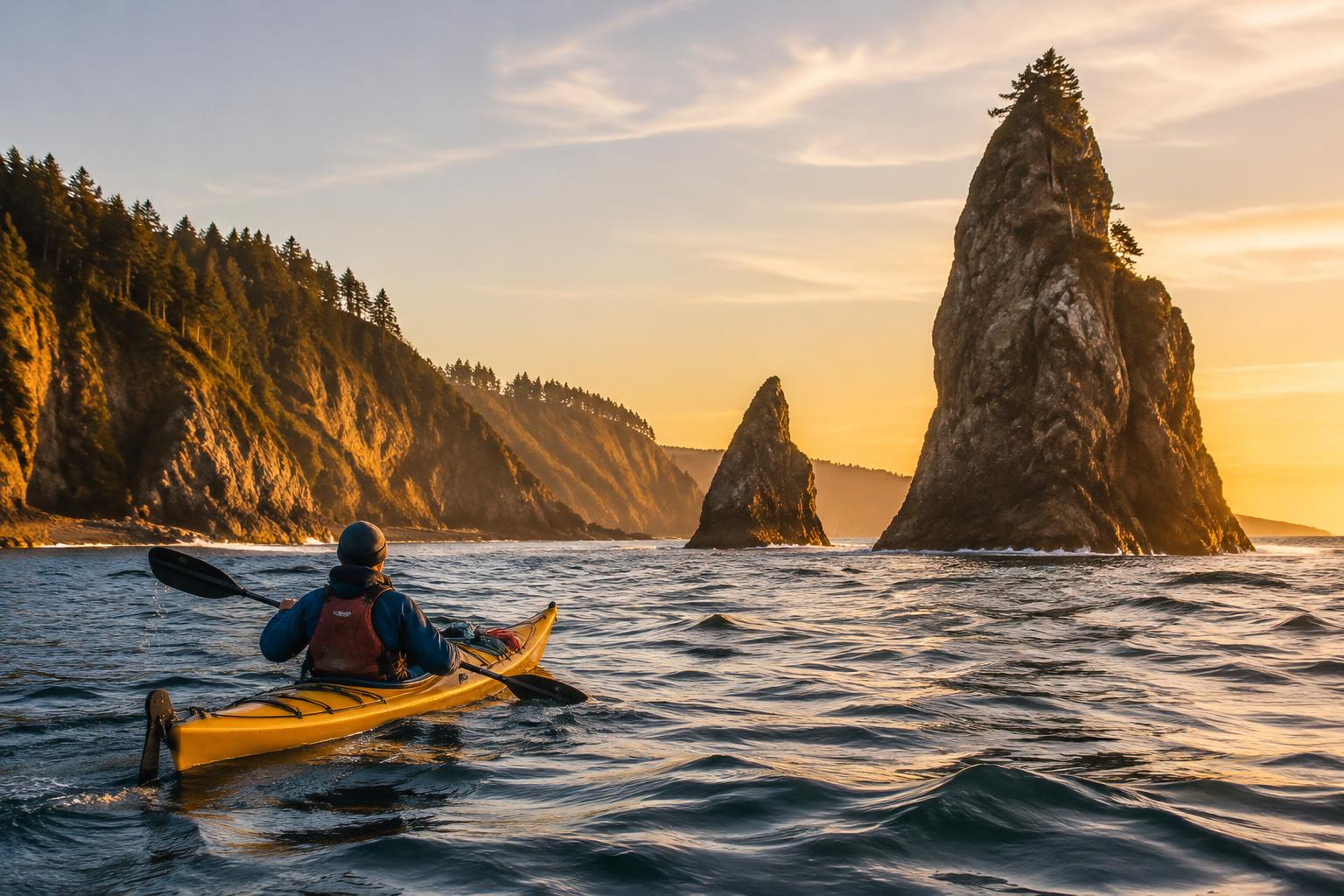
Sea kayaking is expedition travel on open water. Distance is easy; the hard parts are weather judgment, tidal planning, and being able to get back in your boat far from shore.
Season: Spring to fall on most coasts; drysuit season otherwise.
Sea kayaking covers huge distances on coastlines and big lakes, but tides, currents and wind make the conditions. Self-rescue skills are non-negotiable.
Stay in protected water close to shore until you can re-enter your boat from the water in rough conditions.
Sheltered bays, forward stroke, assisted and self rescues.
Tide and current planning, open crossings, overnight trips.
Expedition coastlines, rough-water skills, remote camps.
Practise the wet exit, assisted T-rescue and paddle-float self-rescue until each takes under a few minutes.
Plan crossings around slack water and paddle with the current, not against it.
Learn the Beaufort scale; many paddlers set their limit around Force 3–4 until skills grow.
Use a deck compass and chart, and know your speed — most touring kayakers average 2–3 knots.
Summer brings warmer water and longer days; fall swells and storms favour experienced paddlers.
Sources: U.S. Coast Guard — 2024 Recreational Boating Statistics · National Weather Service — Cold water safety · NOAA — Marine forecasts
Our Top 10 lists for the kit this pursuit leans on, each with real product photos.

A data-backed guide to the best recreational, touring, sit-on-top, and folding kayaks, evaluated on hull design, stability, build quality, and real-world utility.

Paddles ranked on swing weight, blade flutter, and grip comfort after eight hours of paddling.

Life jackets you'll actually wear all day — fitted, vented, and matched to how you paddle.

Packable kayaks for lakes, rivers, fishing, and paddlers without roof racks or garage space.

South Island, New Zealand
Rainforest walls, waterfalls by the thousand, and New Zealand's most serious multi-day tracks.

Minnesota, United States
Whitewater State Park, located in Winona County, is a prime example of Minnesota's Driftless and offers excellent bowhunting opportunities within designated zones.

Idaho, United States
While often associated with Idaho, the Lower Main Salmon's proximity and similar character to many PNW wilderness rivers make it a worthy inclusion.

Washington, United States
The White Salmon River, particularly the segment from Husum to the Columbia, is a quintessential PNW whitewater experience.

Oregon, United States
The Lower Deschutes, from Warm Springs or Maupin down to the Columbia River, offers a classic multi-day whitewater trip through a high desert canyon.

United States, United States
The Grande Ronde offers a classic multi-day wilderness float through a remote and beautiful canyon in northeastern Oregon.

Wyoming, United States
The Green River, specifically the 'Technical Run' section below Flaming Geyser State Park, is a favorite for Seattle-area rafters seeking a solid day trip.

Oregon, United States
The Lower Owyhee, especially below Rome, Oregon, is a wilderness gem.

Washington, United States
The Upper Skagit River, from Marblemount to Rockport, offers a truly scenic and generally mild whitewater experience through the North Cascades.
June through September on most coasts, planned around tide, swell, and afternoon sea breeze.
Warm water, long evenings, forgiving swims — the season most paddlers plan around.
Big water and empty rivers — the strongest flows and the coldest swims of the year.
Quiet water and superb light, with water temperatures dropping faster than the air.
Drysuit-only territory with ice on gear, ramps, and hands.
See live conditions and seasonal averages the same way destination pages show them.
Browse the destinations mapPlanning ranges are typical temperate-latitude values — always verify the forecast, flow, avalanche, and fire advisories for your specific area and elevation before you commit.
Every link below opens a planner already set to sea kayaking — the right trip type, temperature band, checklist and builder, so your kit starts from the skills and hazards this pursuit actually demands.

Coastal wilderness presents unique challenges for preserving fish. High humidity and ever-present insects can spoil a hard-won catch quickly. This guide breaks down the critical factors for successful cold smoking and air drying.

Timing, hotspots, legal approach distances, and what to actually do when a humpback surfaces beside your kayak.

Permits, orientation, seasons, transport, and the gear that actually matters for a Gwaii Haanas sea kayak trip.

When the coastal rainforest has absorbed weeks of rain, finding dry fuel for a fire can feel impossible. This guide cuts through the wet to show you where to look, what to use, and how to process materials for a successful blaze, even in the soggiest conditions.

Learn coastal hiking safety through a practical sequence, common failure points, a controlled field drill, gear notes, and the safety checks that should happen before a real survival trip.

Learn coastal emergency planning mistakes through a practical sequence, common failure points, a controlled field drill, gear notes, and the safety checks that should happen before a real survival trip.
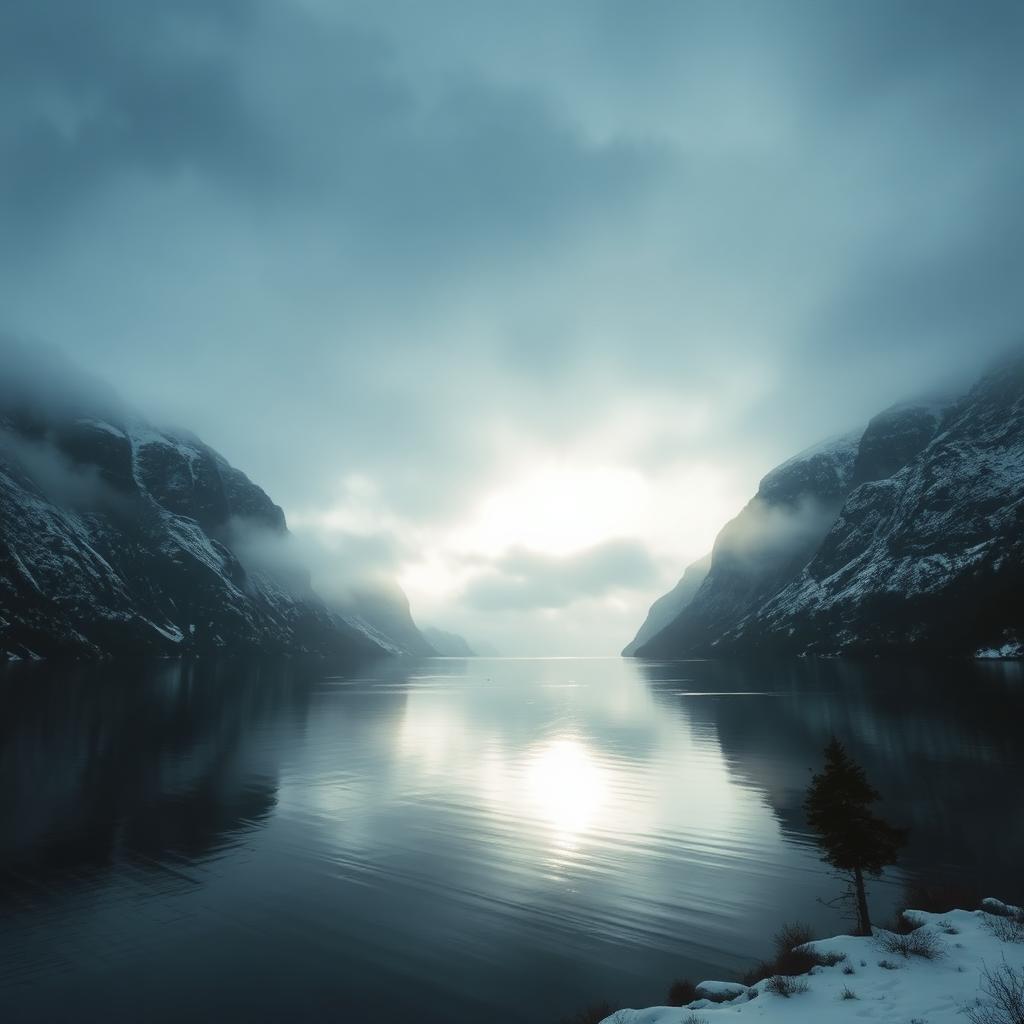
Paddling cold water in a sea kayak demands preparation. Learn about essential gear like dry suits, critical skills such as rolling, and effective self-rescue techniques to stay safe and confident on the water, even when conditions turn frigid.
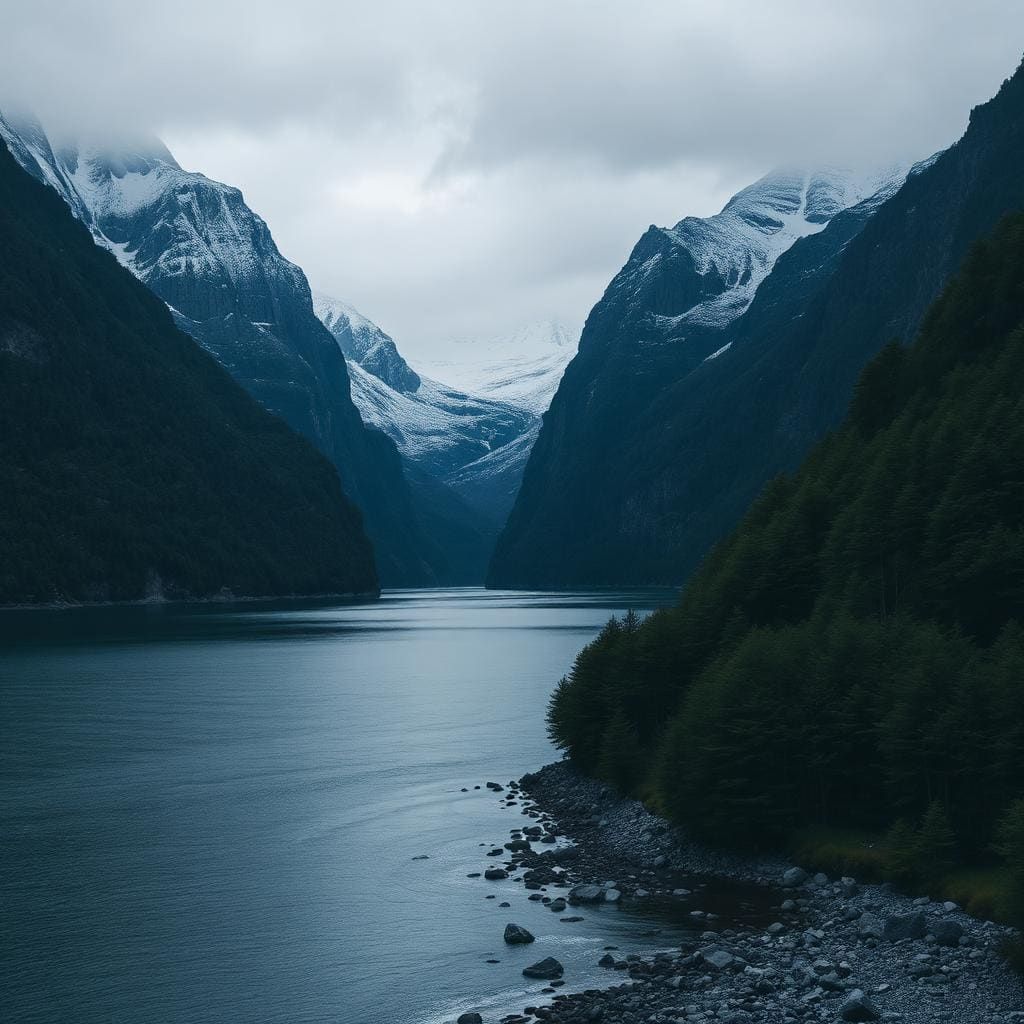
Understanding whitewater is key to staying safe and having fun. Learn how to read river features from Class I to Class III rapids, anticipate hazards, and navigate effectively.
Ten to eighteen nautical miles is a normal loaded touring day at 3 knots, before wind and current.
Getting back in your boat unaided. Everything else is optional until that's reliable.