


From the north · Wildlife
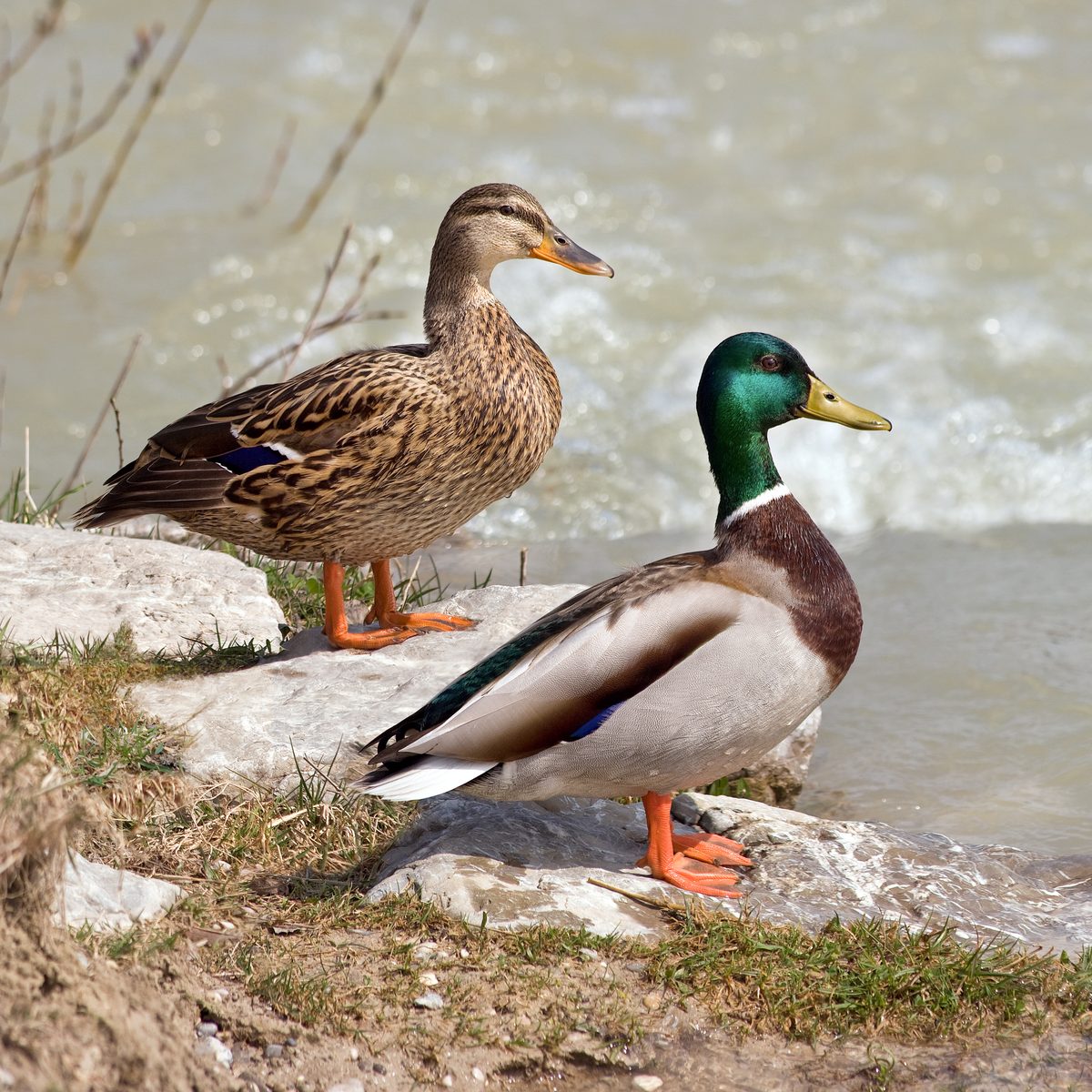
Mallard
The most recognizable duck in North America — greenheads cupping into a decoy spread is the image most people picture when they think of duck hunting.
Anas platyrhynchos
- Range
- Nearly continent-wide
- Peak season
- Nov – Jan
- Tag access
- Over-the-counter + duck stamp
- Live weight
- 2.5–3 lb
Regulations by region
Mallard rules where you're headed
Seasons, tags, limits, and legal methods for mallard are set jurisdiction by jurisdiction. Pick your state or province and we'll point you at the agency that writes the rules.
Jump to another species
About the mallard
The mallard is the most abundant and widely recognized duck in North America, and its distinctive green-headed drake is the default image most people have of a wild duck. Mallards use nearly every wetland type across the continent, from prairie potholes to flooded timber to farm ponds. Waterfowl hunting is a federally regulated pursuit layered on top of state licensing — every duck hunter needs a federal duck stamp in addition to state credentials, and season structures follow flyway-based frameworks set by the U.S. Fish and Wildlife Service. Mallard hunting is built around decoys and calling, using the bird's flocking behavior against it: a well-placed spread and a convincing hail call and feed chuckle can pull a flock committed to landing right into gun range.
Range and habitat
Mallard hunting quality follows the major flyways and the availability of flooded timber, rice fields, and managed wetland habitat that concentrate birds during migration. Arkansas (Mississippi Flyway): World-famous flooded timber hunting with massive mallard concentrations. California (Central Valley): Huge wintering population using managed rice fields and refuges. North Dakota & South Dakota: Prairie pothole breeding and staging habitat with excellent early-season hunting. Louisiana (coastal marsh): Late-season wintering grounds with huge numbers of mixed puddle ducks. Missouri (Mississippi Flyway): Managed conservation areas with reservation-based blind draws.
Behavior and field method
Mallard hunting combines a concealed blind position, a realistic decoy spread, and calling to convince passing flocks to commit and finish within range. Scout for roosting and feeding areas in the days before hunting — mallards pattern predictably between water and food sources. Set up in a natural or constructed blind with good concealment, positioned so the sun is at your back and wind is in your face for landing birds. Arrange a decoy spread with a landing hole downwind of the blind, positioned so incoming birds must fly over or near the blind to reach it. Use a hail call to get distant birds' attention, then transition to comeback and feed chuckle calls as they turn toward the spread. Stop calling and stay motionless once birds are committed and descending — over-calling on a committed flock often flares them at the last second. Let birds fully cup their wings and commit to landing before calling the shot, rather than shooting too early on birds still circling. Move locations if birds are flaring or landing short repeatedly — decoy spread adjustments or a blind relocation often fix the issue fast. Retrieve downed birds promptly, especially cripples on water, using a trained retriever or waders as conditions require.
Tracks, droppings, and sign
Duck sign is feed sign. Find where the birds are eating and loafing today, because it changes with every freeze and every flood. Tracks — Webbed three-toed prints on mudflats, sandbars, and field edges, often in dense overlapping mats where a flock loafed. Droppings — Loose green-brown droppings on levees, mudflats, and field stubble. Heavy concentrations on a bar means it is a loafing site. Feathers & down — Rafts of down and body feathers along shorelines and against the leeward edge of a slough — a strong sign birds spent the night there. Feeding sign — Muddied, churned water in flooded timber and rice; snipped smartweed and millet seedheads; and knocked-down corn in a flooded field. Flight lines & sound — Watch the evening roost flight to learn tomorrow's line. Feeding chuckles and hen quacks from a flooded hole at dawn confirm birds are using it.
In the field
A mallard hunt starts in the dark, wading or boating into a blind position well before shooting light, setting decoys by headlamp in cold water. The best mornings build slowly — a few early singles, then bigger flocks working the spread as the sun comes up, circling once or twice before finally committing and cupping wings to land. It is a cold-weather, wet-footed pursuit that rewards patience and careful calling; a flock that flares away at the last second after ten minutes of careful work is one of waterfowl hunting's most common frustrations, and a flock that finishes perfectly is one of its greatest rewards.
Regulations, tags, and seasons
Duck hunting requires stacking a state waterfowl license, a federal duck stamp, and HIP certification — more paperwork than upland hunting but still simple and available to anyone. Buy a state hunting license and state waterfowl stamp/permit online from your state wildlife agency. Purchase the federal duck stamp (currently required for all waterfowl hunters 16 and older), available online or at many post offices. Complete HIP (Harvest Information Program) certification, required for all migratory bird hunters. Check your flyway's season structure — dates and bag limits are set separately for the Atlantic, Mississippi, Central, and Pacific flyways. If hunting a managed public wetland area, check whether it uses a daily blind reservation or draw system, common in high-demand states. Review species-specific bag limits within the overall duck limit — mallard limits, and hen mallard sub-limits, vary by flyway and year.
Harvest and processing
Waterfowl recovery is the ethical core of the hunt. Plan the retrieve before the first bird folds. Watch the mallard all the way to the water and mark the ring where it hit. Cripples swim, dive, and disappear into cover far faster than you expect. Shoot a swimming cripple again immediately — at the head, on the water. It is not unsportsmanlike; it is the ethical call and it stops a bird from being lost. Retrieve birds before you reset decoys or re-hide. A dog, a long-handled net, or a wading route planned before the hunt keeps birds from drifting into the cattails. Dispatch cripples by cervical dislocation immediately. Never leave a live bird in the bottom of the boat or the blind bag. Keep one fully feathered wing attached for identification during transport — federal migratory bird rules require it. Hang birds by the head from the blind or the boat gunwale so air can move around them; do not pile wet birds in a bucket. A whole plucked mallard, skin on, is one of the best things you can roast. Breasting one is a waste of the skin and fat.
Meat care and what you take home
A mallard yields roughly 1 pound of dark, rich breast meat, more flavorful and fattier than most other ducks, especially in birds that have been feeding heavily on grain. Best cooked like a small steak — seared hot and served medium-rare, since duck breast dries out and turns liver-like if overcooked. Legs and thighs are tougher and best slow-braised or confited; render the skin fat separately, which is excellent for cooking other dishes.
Field notes
- 12-gauge shotgun with non-toxic shot: Steel or other approved non-toxic shot is mandatory for all waterfowl hunting; a modified or improved-cylinder choke suits typical decoy-range shots.
- Mallard decoy spread (1–3 dozen): A mix of drake and hen decoys with some motion (spinning wing or jerk-string) adds realism and draws distant birds' attention.
- Waders: Chest waders are essential for setting decoys, retrieving birds, and staying dry and warm in flooded timber or marsh.
- Duck call (single reed or double reed): A hail call, greeting call, and feed chuckle cover most situations; practice before the season to avoid spooking birds with poor calling.
- Layered waterproof camo: Late-season duck hunting happens in genuinely brutal cold; waterproof, breathable layers with a final windproof shell are essential.
Mallard questions, answered
- Do I really need a federal duck stamp?
- Yes — every waterfowl hunter 16 or older must have a current federal duck stamp in addition to a state license and HIP certification. It's inexpensive and the proceeds fund wetland conservation.
- What's the difference between the flyways?
- The Atlantic, Mississippi, Central, and Pacific flyways are migration corridors that the USFWS uses to set separate season dates and bag limits based on regional duck populations and migration timing.
- Are there hen mallard restrictions?
- Yes, in many flyways and years, the daily bag limit for hen mallards is more restrictive than for drakes, as a population management tool — check current-year regulations closely.
- What choke and shot size for mallards?
- A modified or improved-cylinder choke with steel shot in size 2, 3, or 4 handles most decoy-range mallard shooting effectively.
- Is a retriever necessary?
- Not required, but strongly recommended — a trained retriever finds cripples and downed birds in water and heavy cover far more reliably than a hunter alone, and reduces lost birds significantly.
- When is the best time in the season to hunt mallards?
- Early season catches local and early-migrating birds; the best hunting for pressured, wary late-season mallards often comes with a hard freeze pushing fresh migrants south into open water.
Official sources and further reading
- Ducks Unlimited
Habitat conservation, flyway data, and season/regulation summaries.
- USFWS Migratory Bird Program
Federal duck stamp purchase, HIP certification, and flyway season frameworks.
- Delta Waterfowl
Waterfowl research, hunter education, and habitat programs.
- USFWS National Wildlife Refuge System
Find public refuges offering managed waterfowl hunting access.