


From the north · Wildlife
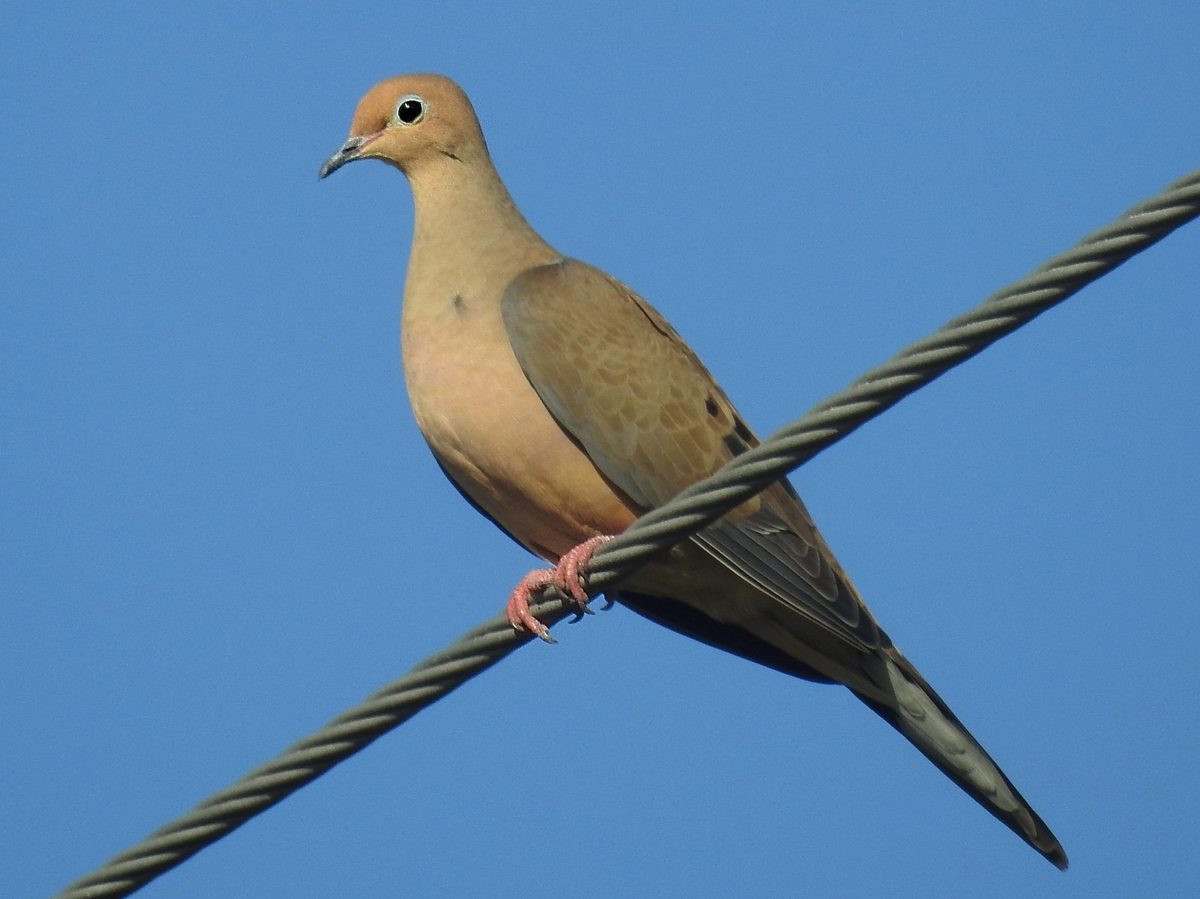
Mourning Dove
The most-hunted game bird in America — a fast, erratic flier over a harvested grain field that humbles even good wingshooters every September.
Zenaida macroura
- Range
- Nearly all of the lower 48
- Peak season
- Sept 1 opener
- Tag access
- Over-the-counter + HIP
- Live weight
- 4 oz
Regulations by region
Mourning Dove rules where you're headed
Seasons, tags, limits, and legal methods for mourning dove are set jurisdiction by jurisdiction. Pick your state or province and we'll point you at the agency that writes the rules.
Jump to another species
About the mourning dove
Mourning doves are the most harvested game bird in the United States by a wide margin, with tens of millions taken annually across a range that covers nearly every state, making the September 1 opener one of the biggest single-day hunting traditions in the country. They're a migratory bird managed under federal frameworks alongside ducks and geese, which means every hunter needs a Harvest Information Program (HIP) certification in addition to a state license, even though the actual hunting logistics are as simple as sitting near a harvested grain field. Dove hunting is famously social — groups of hunters set up around a sunflower or millet field's edges, and the shooting comes in waves as birds fly in to feed, offering fast, erratic, genuinely difficult wingshooting despite the bird's small size.
Range and habitat
Dove hunting quality depends entirely on local field management — sunflower, millet, and wheat stubble fields planted or mowed specifically to attract doves are the key to a good hunt. Texas: Enormous dove population and an early opener with widespread field access. Georgia & the Southeast: Traditional opening-day dove shoots on managed sunflower fields. Kansas & Missouri: Strong Midwest dove numbers around harvested grain fields. Argentina (international option): World's best dove volume hunting, wholly separate from U.S. seasons. California: Good early-season opportunity near agricultural water sources.
Behavior and field method
Dove hunting is a field-position game: finding the right feeding field and setting up where birds naturally cross within range. Scout fields in the days before the season for feeding activity — doves favor recently harvested or mowed sunflower, millet, and wheat fields. Arrive early and choose a position along a field edge, fence line, or near a water source that intercepts natural flight lines. Use a small stool or bucket seat and light camouflage; doves have sharp eyesight and will flare from an exposed silhouette. Set out a few dove decoys on fences or in dead branches near your position to draw passing birds closer. Stay still between shots — doves fly in waves throughout the morning and evening, and movement between flights spooks incoming birds. Lead generously on crossing shots; doves fly fast and change direction erratically, making them a genuinely difficult target despite their size. Mark downed birds immediately and retrieve them before shooting again, since doves can be hard to spot in stubble or grass. Hunt both morning and evening feeding flights if the season and your schedule allow — activity often picks up again in late afternoon.
Tracks, droppings, and sign
Dove sign is about food, water, grit, and perches, and it changes week to week as fields are cut. Tracks — Tiny three-toed prints in field dust, on dirt tank edges, and along gravel roads where birds pick grit. Droppings — Small white-capped splashes under power lines, dead snags, and fence wires — a heavily whitewashed wire means a daily flight line crosses there. Feeding sign — Birds working freshly cut sunflower, wheat, millet, and silage stubble, walking bare ground between rows. Doves will not feed in tall standing cover. Water & grit — Muddy, bare-edged stock ponds and gravel roads at last light. Doves need open bare shorelines they can walk to. Flight lines — Consistent routes between roost trees and feed fields, usually along a treeline or over a gap. Sit under the line rather than in the middle of the field.
In the field
Opening day dove hunting is one of the most social traditions in American hunting — groups of friends and family set up around a field's edges in lawn chairs, coolers nearby, well before legal shooting time. The shooting comes in unpredictable bursts: quiet stretches followed by a handful of birds crossing fast and low, testing your swing and lead before disappearing over the treeline. Misses vastly outnumber hits even among good wingshooters. It's often a kids' and beginners' introduction to wingshooting because of the social pace and abundance of birds, but the actual shooting — small, fast, erratic targets — is deceptively difficult and humbling even for veterans.
Regulations, tags, and seasons
Dove hunting requires a state hunting license plus federal HIP certification since doves are a migratory game bird — a quick, cheap process compared to big-game tags. Buy a small-game or general hunting license online from your state wildlife agency. Complete Harvest Information Program (HIP) certification, a free, quick registration required for all migratory bird hunters in every state. Confirm your state's specific dove season dates and shooting hours — many states have split seasons in September, October, and December-January. Check daily bag and possession limits, which are federally set and typically run 15 birds per day. Scout or ask about managed sunflower and grain fields, since access to a well-managed field matters more than any tag detail.
Harvest and processing
Doves fall in stubble that swallows them. The mark is everything and the shells add up fast. Mark the fall the moment the dove folds. Pick a landmark behind the bird — a stump, a color change in the cover — and walk straight to it without taking your eyes off it. Send the dog immediately if you have one; a runner covers a shocking amount of ground in thirty seconds. If you are hunting without a dog, walk a tight grid from the fall and look for feathers, not the whole bird. Keep a running count of birds down and birds retrieved. Daily limits are strictly enforced and a lost bird still counts against yours in most states. Walk to each downed bird immediately rather than at the end of the flurry — a warm dove in stubble is nearly invisible ten minutes later. Dispatch a cripple immediately by pressing your thumb behind the head and firmly extending the neck, or by cervical dislocation with a quick pull. Do not wring wings or crush the breast. Check your bird against the daily limit and, where required, leave a fully feathered wing or head attached for species identification during transport. Doves are almost always breasted, and they are best cooked hot and fast to medium-rare.
Meat care and what you take home
Dove breast meat is small, dark, and rich, roughly 1 ounce per bird, meaning a limit of 15 birds yields a modest but flavorful meal. The classic preparation is a bacon-wrapped breast half over a jalapeño slice, grilled quickly — the fast cooking suits the small, lean, dark meat well. Breast the birds rather than plucking whole given their small size; most hunters skip the legs entirely as not worth the effort.
Field notes
- 12- or 20-gauge with improved cylinder choke: An open choke with 7.5 or 8 shot handles the typical close-range, fast-crossing dove shot without over-restricting pattern spread.
- Folding stool or bucket seat: Field edges offer little natural seating; a comfortable folding stool makes a multi-hour sit through slow stretches tolerable.
- Light camo or drab clothing: Doves have excellent eyesight; simple concealment and staying still matters more than full camouflage.
- Dove decoys: A half-dozen clip-on decoys placed on fences or dead limbs near your position draws incoming doves within range.
- Cooler and plenty of shells: Dove hunting burns through shells fast given the miss rate; bring more than you think you'll need, plus ice for the birds.
Mourning Dove questions, answered
- Do I need a federal duck stamp to hunt dove?
- No, the federal duck stamp is only required for waterfowl. Doves require a state hunting license and free HIP (Harvest Information Program) certification, which is a separate, no-cost registration.
- Why is opening day such a big deal?
- September 1 is the traditional opener in most states and coincides with peak dove concentrations before fall migration begins, making it one of the most reliably productive single hunting days of the year.
- What's a good shot-to-kill ratio for dove hunting?
- Even experienced wingshooters often average five or more shells per bird; doves are fast, small, and fly erratically, making them one of the harder targets in wingshooting despite their size.
- Can I hunt dove over bait?
- No — hunting over recently distributed grain or bait is illegal, though hunting a field that has been legitimately harvested, mowed, or top-sowed as part of normal agricultural practice is legal. Rules are specific; confirm with your state agency.
- What time of day are doves most active?
- Early morning and again in the last two hours before sunset, when birds move between roosting cover and feeding fields.
- Are mourning doves the only legal dove species?
- No — white-winged doves and Eurasian collared-doves are also legal game in much of their range, though bag limits and identification rules vary by state and species.
Official sources and further reading
- USFWS Migratory Bird Program
Federal frameworks, HIP certification info, and season-setting process for dove and other migratory birds.
- Texas Parks and Wildlife — Dove Hunting
One of the largest dove-hunting programs in the country with field-access resources.
- USDA NRCS — Managed Dove Fields
Conservation program information relevant to dove-field habitat management.
- USFWS — Hunting
Federal hunting resources and public land access information.