



- Region
- Texas
- Country
- United States
- Best for
- fly fishing, fishing
- Best season
- Spring, Summer
- Permits
- Confirm current permit and entry requireme…
- Managed by
- U.S. Fish and Wildlife Service
Plan with verified data
Lighthouse Cove, Aransas National Wildlife Refuge trip tools
Tools for a trip here
Picked for how, when and where you're going. Free, no signup.
How to get there
Aransas National Wildlife Refuge is located near Rockport, Texas. From the south, follow Highway 35N to the FM 774 exit, then turn right on FM 774 for approximately 6 miles, and right again on FM 2040 for another 6 miles to the Refuge entrance. From the north, travel south on Hwy 35 to Tivoli, continue approximately 1 mile to the FM 239 exit, follow FM 239 to Austwell (where it turns into FM 774), continue on FM 774, take a right at the stop sign, then right again at the end of the street, and as you exit Austwell, drive ½ mile to the FM 2040 intersection, turn left on FM 2040 and drive 6 miles to the Refuge entrance. Go to the Visitor Contact Station to register.

Photo: U.S. Department of Agriculture / Public domain Aransas National Wildlife Refuge EntranceFrom the south: Follow Highway 35N to the FM 774 exit. Turn right on FM 774 and go approximately 6 miles. Turn right again on FM 2040 and drive 6 miles to the Refuge entrance. From the north: Travel south on Hwy 35 to Tivoli. Continue past Tivoli approximately 1 mile to the FM 239 exit. Follow FM 239 to Austwell, where it turns into FM 774. Continue on FM 774, take a right at the stop sign, then right again at the end of the street. As you exit Austwell, drive ½ mile to the FM 2040 intersection. Turn left on FM 2040 and drive 6 miles to the Refuge entrance.
Sources: fws.gov · Wikipedia · Wikivoyage · U.S. Fish & Wildlife Service. Confirm road and trailhead conditions with the managing agency before you leave.
Texas · United States · Season: Spring through fall
- Fishing
- Winter Camping
- Skiing
- Sea Kayaking
- Beachcombing
- Wildlife Viewing
Overview
Lighthouse Cove, nestled within the Aransas National Wildlife Refuge, is arguably one of the most iconic and productive redfish flats on the Texas Middle Coast. It’s a vast, shallow expanse of hard sand and shell, peppered with isolated grass beds, that offers exceptional sight-casting opportunities. The cove's sheer size and relative protection from strong winds, especially from the east and southeast, make it a consistent producer. Redfish here are often found tailing in the skinny water during low light or cruising the edges of the deeper channels and potholes. Access is primarily by boat, with the nearest launch points being in Port O'Connor or Rockport. The refuge's wild nature means fewer boat wakes and a more pristine fishing experience. Ideal seasons are fall through spring when water temperatures are cooler, and fish are more active in the shallows. Anglers should have moderate casting skills to handle the occasional wind and present flies accurately to wary fish. While often productive, its popularity means you might share the water with a few other boats, especially on prime weather days.
Why it stands out
Expansive hard sand and shell bottom for easy wading
Consistent tailing redfish action in fall/winter
Diverse structure including potholes, grass beds, and guts
Opportunities for large bull reds on outgoing tides
Relatively clear water on calm days for excellent sight-casting
Know before you go
Boat access only, requiring a skiff or bay boat
Strong winds can make poling and casting challenging
Mosquitoes can be severe in warmer months
Occasional encounters with alligators, especially in back lakes
Planning notes
Where: Texas, United States Best season: Spring through fall Good for: Fly Fishing, Fishing Featured on: Top 10 Fly Fishing Flat Spots for Redfish on the Texas Middle Coast (#1) Access point: Texas, USA
Check current permits, closures and fire restrictions with the managing agency before you commit to dates.
Field notes
- Expansive hard sand and shell bottom for easy wading
- Consistent tailing redfish action in fall/winter
- Diverse structure including potholes, grass beds, and guts
- Opportunities for large bull reds on outgoing tides
- Relatively clear water on calm days for excellent sight-casting
Where on earth
Satellite imagery flying in from a world view to Lighthouse Cove, Aransas National Wildlife Refuge, United States. Use the + / − buttons, or click the map to zoom with your scroll wheel; drag to pan and pinch to zoom on touch.
Coordinates
- Decimal degrees
- 31.9686, -99.9018
- Latitude (DMS)
- 31° 58′ 7.0″ N
- Longitude (DMS)
- 99° 54′ 6.5″ W
Coordinates are an access-point reference for Lighthouse Cove, Aransas National Wildlife Refuge, not a route. Carry a paper map and confirm trailhead or put-in access with the managing agency before you go.
Topic summary
Lighthouse Cove, nestled within the Aransas National Wildlife Refuge, is arguably one of the most iconic and productive redfish flats on the Texas Middle Coast.
Key takeaways
- Region: Texas
- Country: United States
- Best season: Spring through fall
- Good for: fly fishing, fishing
- Coordinates: 31.969, -99.902
Intended uses
- fly fishing
- fishing
Climate suitability
Spring through fall
Keep planning
Popular pursuits at Lighthouse Cove, Aransas National Wildlife Refuge
- Fishing
Resident gamefish, seasons, and the water that holds them.
- Winter Camping
Cold-season travel and camp craft; layering matters more than mileage.
- Skiing
Ski-touring access when the road closes for the season.
- Sea Kayaking
Coastal crossings, tides, and protected camps.
- Beachcombing
Tide-line walking between camps.
- Wildlife Viewing
Best light, best season, and where animals move.
Animals around Lighthouse Cove, Aransas National Wildlife Refuge
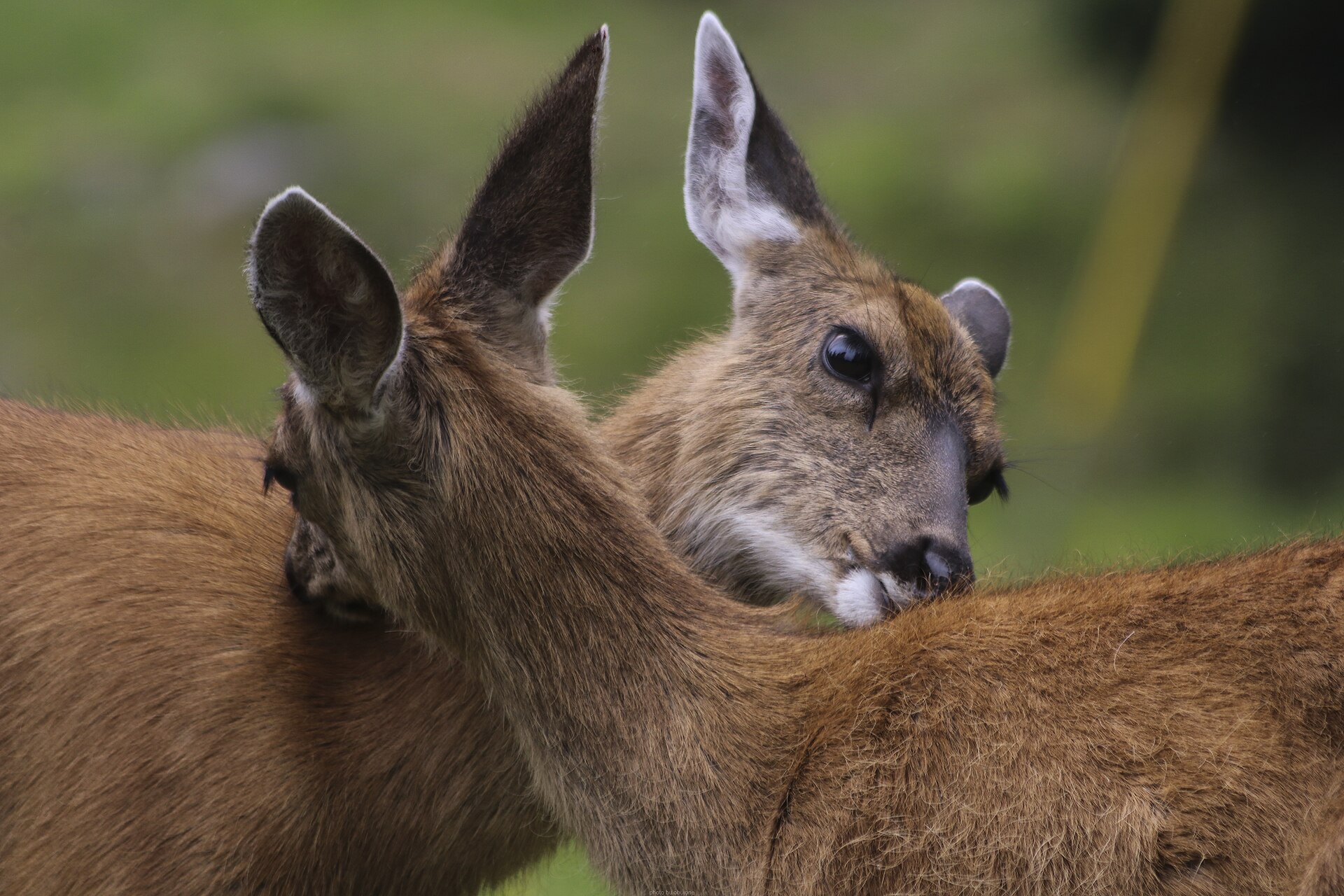
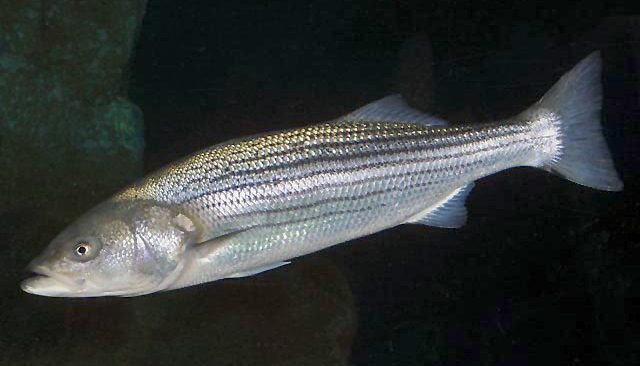
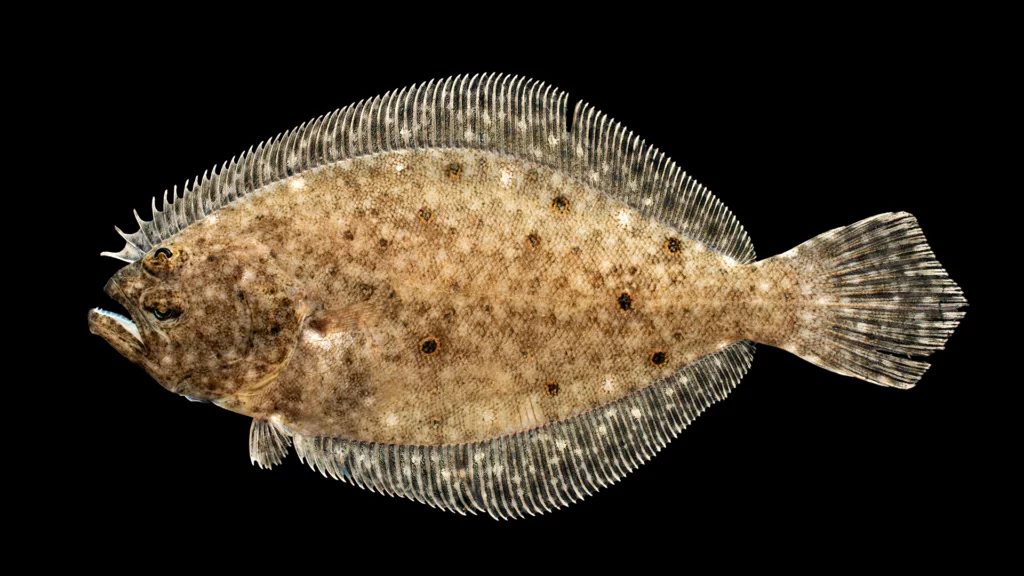
Aransas National Wildlife Refuge Overview
Aransas National Wildlife Refuge, encompassing over 115,000 acres along the Texas Gulf Coast, is a significant natural area established in 1937 for migratory waterfowl and other wildlife. It is most recognized as the crucial wintering habitat for the last wild flock of endangered Whooping Cranes. Beyond the cranes, the refuge supports a rich diversity of migratory birds and resident wildlife, thriving in its mild winters and abundant bay waters. Visitors are offered opportunities to experience stunning scenery and observe a wide array of species in their natural environment. The refuge's conservation efforts are central to its mission, driving all activities from recreational offerings to resource management, ensuring the survival of local plants and animals.
Visitor Experience and Activities
While somewhat off the beaten path, Aransas National Wildlife Refuge provides a fulfilling experience for those seeking nature and wildlife. The refuge features a 16-mile auto tour, allowing visitors to drive through various habitats and observe wildlife from their vehicles. For those who prefer to explore on foot, several miles of walking trails are available, leading to observation platforms and offering diverse views of plant life, wildlife, and the bay. Recreational opportunities also include fishing from a dedicated pier and enjoying picnics overlooking San Antonio Bay. Observation towers provide elevated vantage points for expansive views of the refuge landscape and its inhabitants, enhancing the wildlife viewing experience.
A Sanctuary for Biodiversity
The mild winters and rich bay waters of Aransas National Wildlife Refuge attract more than 400 species of birds, making it a critical habitat for avian diversity. The Whooping Crane, one of North America's rarest birds, is a prime example of the significant species that depend on this refuge. In addition to the birdlife, the refuge is home to various other resident wildlife, contributing to its ecological importance. The U.S. Fish and Wildlife Service manages these lands and waters with wildlife conservation as its core principle. This dedication to conservation guides all management tools and recreational activities, ensuring the refuge continues to serve its purpose in supporting a vibrant ecosystem along the Texas Gulf Coast.
Understanding the Regional Ecosystem
Aransas National Wildlife Refuge is situated within a broader region of coastal Texas known for its ecological richness. While the refuge itself is distinct, the larger area of Southeast Texas, particularly the 'Piney Woods,' exemplifies a complex mosaic of ecosystems and remarkable plant diversity. This wider area has historically been a dense forest region, supporting over 160 species of trees and shrubs, 800 herbs and vines, and 340 types of grasses. Such biodiversity underscores the ecological value of coastal Texas and regions like the Aransas National Wildlife Refuge within it, highlighting the importance of conserving these varied habitats for numerous plant and animal species.
Route options
- Auto Tour
A 16-mile scenic drive through the refuge, providing opportunities for wildlife observation from a vehicle.
- Walking Trails
Several miles of walking trails are available, offering direct access to diverse plants and wildlife. These trails also lead to observation platforms with bay views.
Sample itineraries
- Wildlife Watcher's Day · 1 day
Begin with registration and orientation at the Visitor Center. Drive the 16-mile auto tour, stopping at observation towers and overlooks. Walk one of the available trails to experience the diverse habitats and spot migratory birds or resident wildlife. Enjoy a picnic overlooking San Antonio Bay. The auto tour and trails are open from sunrise to sunset.
- Coastal Exploration · 1 day
Arrive in the morning to pay fees and pick up a map. Explore the walking trails to find observation platforms and identify various plant species. Spend time at the fishing pier. Dedicate the afternoon to driving the auto tour, specifically looking for Whooping Cranes and other waterfowl near the bay areas. Exit before sunset.
Seasonal conditions
Spring
The refuge experiences mild winters, which influence the conditions into spring, making it suitable for migratory birds.
Summer
Fall
As the wintering season approaches, migratory birds begin to arrive.
Winter
Mild winters attract a large diversity of migratory birds, including the endangered Whooping Crane, which makes the refuge its winter home. Bay waters provide abundant food supply.
| Season | Window | Conditions |
|---|---|---|
| Spring | The refuge experiences mild winters, which influence the conditions into spring, making it suitable for migratory birds. | |
| Summer | ||
| Fall | As the wintering season approaches, migratory birds begin to arrive. | |
| Winter | Mild winters attract a large diversity of migratory birds, including the endangered Whooping Crane, which makes the refuge its winter home. Bay waters provide abundant food supply. |
Permits, fees & closures
Confirm current permit and entry requirements with the managing agency. Visitors can complete registration envelopes at the kiosk if the Visitor Center is closed. Entrance fees or annual passes can be paid in advance through recreation.gov.
Official source: Aransas National Wildlife Refuge · Verified August 29, 2026
What to pack for Lighthouse Cove, Aransas National Wildlife Refuge
- Map
- Water
- Binoculars
- Sun protection
- Camera
- Bird identification guide
Lighthouse Cove, Aransas National Wildlife Refuge FAQ
- What are the Visitor Center hours?
- The Visitor Center is open from 9:00 a.m. to 4:00 p.m., Tuesday through Saturday. It is closed on Sundays, Mondays, and all federal holidays.
- When are the auto tour and trails open?
- The auto tour and trails are open daily from sunrise to sunset.
- Can I visit if the Visitor Center is closed?
- Yes, if the Visitor Center is closed, proceed to the kiosk at the front of the building to complete registration, submit fees, or record pass information, and pick up a map. Public restrooms are available outside the Visitor Center after hours.
- How can I pay for entrance fees?
- Entrance fees can be paid at the kiosk using the provided envelopes if the Visitor Center is closed. For convenience, fees or annual passes can also be purchased in advance through recreation.gov.
- What is Aransas National Wildlife Refuge best known for?
- The refuge is best known as the wintering home of the last wild flock of endangered Whooping Cranes.
- What activities are available at the refuge?
- Visitors can drive a 16-mile auto tour, fish from a pier, walk on several miles of trails, and use observation towers. Picnics are also permitted.