Tracks
2–2.5 in.
Slightly smaller and rounder than a whitetail's, and almost always in mud, moss, or wet duff. In old-growth timber, look for tracks pressed into rotting logs and mossy banks — the forest floor is too spongy to hold a clean print.
Hunting · Big Game · Blacktail Deer
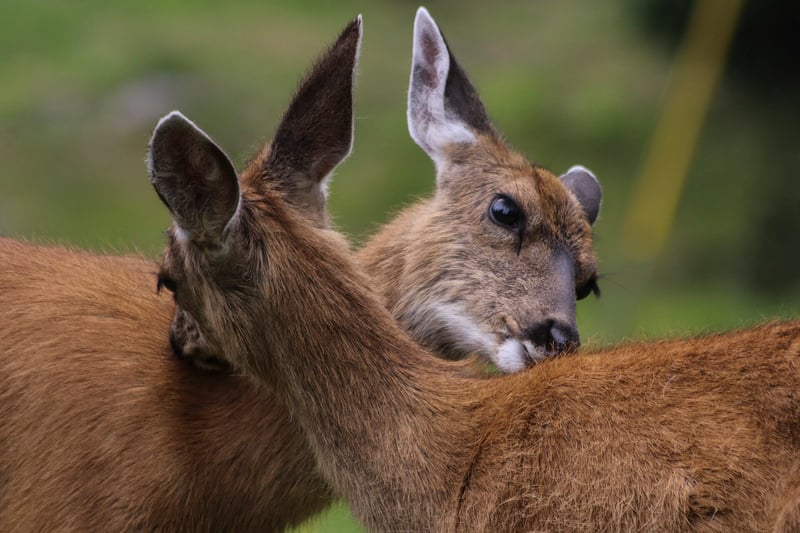
A secretive coastal deer hunted in dense rainforest and coastal brush where visibility is measured in yards, not miles.
Columbian blacktail deer are a coastal subspecies of mule deer that live in the dense, wet timber of the Pacific coast from central California through British Columbia — a habitat that rewards completely different skills than the open-country mule deer hunt.
Where mule deer are found by glassing across open basins, blacktail are found at 20 to 60 yards in thick salal, fern, and second-growth timber, and a hunter who tries to still-hunt too fast will simply never see them.
Tags are affordable and widely available over the counter across most of the range, making blacktail one of the most accessible western deer hunts — the challenge is entirely about hunting skill in difficult, wet, brushy terrain rather than tag access.
01
The best blacktail hunting runs along the coastal timber belt of Oregon, Washington, Northern California, and Vancouver Island, with quality and access varying by land ownership as much as by state.
| Place | Why it's worth your time | How you get a tag |
|---|---|---|
| Western Oregon | Excellent public national forest and BLM land with strong blacktail densities | Over-the-counter tags for most units |
| Western Washington | Dense coastal and Olympic Peninsula populations | Over-the-counter general season tags in most units |
| Northern California coast | Strong herds in coastal timber and brush country | Over-the-counter tags; some premium zones require a draw |
| Vancouver Island, BC | Renowned for mature bucks in classic coastal rainforest | Nonresidents require a licensed guide-outfitter |
| Industrial timberland (OR/WA) | Clear-cuts and regenerating timber concentrate deer on browse | Many companies require a free or paid access permit — check current landowner rules |
02
Blacktail are hunted at close range in thick cover — still-hunting slowly into the wind, working clear-cut edges at dawn and dusk, and rattling or grunting during the November rut, rather than glassing distant hillsides.
03
Blacktail sign is the same alphabet as whitetail sign, written in a rainforest. Everything is smaller, wetter, and hidden in brush you cannot see through, so you read sign at arm's length rather than across a field.
2–2.5 in.
Slightly smaller and rounder than a whitetail's, and almost always in mud, moss, or wet duff. In old-growth timber, look for tracks pressed into rotting logs and mossy banks — the forest floor is too spongy to hold a clean print.
Wet-forest pellets
Small dark pellets that often clump because of the soft, wet browse blacktails eat. Piles in clearcuts and along old logging grades are the most reliable indicator of a bedding-to-feeding route.
Small conifers
Shredded hemlock and fir saplings, usually lower and less dramatic than whitetail rubs. Concentrated rubs along the edge of a five-to-fifteen-year-old clearcut mark a buck's core area.
Tunnels
Blacktails create low tunnels through salal, vine maple, and salmonberry. Get on your knees to see them. A tunnel with fresh hair on the twigs at 30 inches is an active runway.
Under cover
Mossy depressions under blowdowns, root wads, and low fir boughs — always with an escape route straight downhill into cover.
04
Blacktail tags are cheap and widely available over the counter, which puts nearly all the challenge on hunting skill and land access rather than the draw system.
05
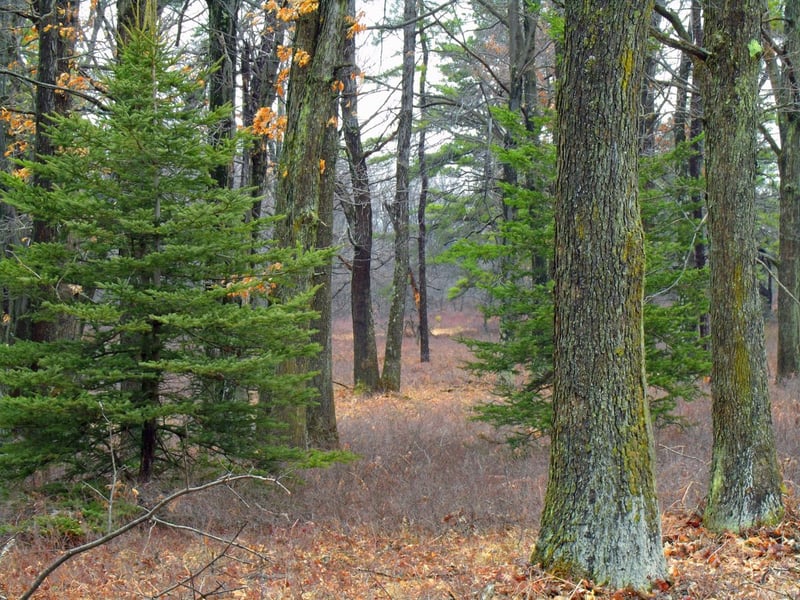
Blacktail hunting means slow, deliberate walking through wet, thick coastal brush — fern, salal, and second-growth timber that limits visibility to a few dozen yards at best.
You spend as much time listening as looking, since a snapping twig or a startled bird often gives away a bedded deer before you see it directly.
Rain and fog are simply part of the hunt on the coast — expect to hunt in steady drizzle for days at a time, and treat dry gear and good rain protection as core equipment rather than optional extras.
The November rut brings a real change in behavior: bucks that are normally almost invisible start cruising more openly and respond to rattling and grunting, giving hunters their best realistic window at a mature buck.
Shots come fast and close. There's rarely time for a long, deliberate rest — practicing quick, accurate shooting at close range under real field conditions matters more here than distance shooting.
06
Not a shopping list — the six or so items that change whether you fill the tag and whether the meat gets home in good condition.
Short range
A lighter rifle in .243 to .308, or a bow, both suit the close, quick shot opportunities typical of thick coastal cover.
Rut tactic
Blacktail respond well to rattling and grunting during November, often more aggressively than whitetail in similar cover.
Non-negotiable
A genuinely waterproof jacket and pants, not just water-resistant — coastal rain is sustained and heavy for days at a time during the season.
Still-hunting
Soft-soled, quiet boots that stay dry through wet ferns and standing water all day, since noise discipline is critical in thick cover.
Close-range use
Lighter binoculars used at short range to pick a bedded or partially hidden deer out of dense brush, rather than for long-distance glassing.
Confirm short distances
Even at close range, thick brush distorts distance judgment — a rangefinder confirms the shot before you commit.
07
Blacktails die in the nastiest cover on the continent. Assume the recovery will be harder than the shot.
08
Coastal humidity is the enemy. Speed and airflow matter more here than anywhere else in deer country.
09
A blacktail yields roughly 30–50 pounds of boneless meat. Cool coastal fall temperatures generally allow more time before spoilage than warm-weather hunts, but get the hide off and the carcass hung promptly regardless.
Blacktail is mild and tender, similar to mule deer, and the animal's smaller size makes it easy to fully process at home without special equipment.
Wet field conditions make keeping meat dry and clean a real challenge — use game bags and avoid dragging a carcass through mud and standing water whenever possible.
Seasons, fees, and draw rules change every year. These are the agencies and organizations that publish the current numbers — always confirm with them before you apply or hunt.
Over-the-counter blacktail tag rules and unit-by-unit season structure.
General season blacktail rules for western Washington units.
Coastal zone deer tag and season information for California.
Scoring category and records specific to Columbia blacktail deer.
Questions
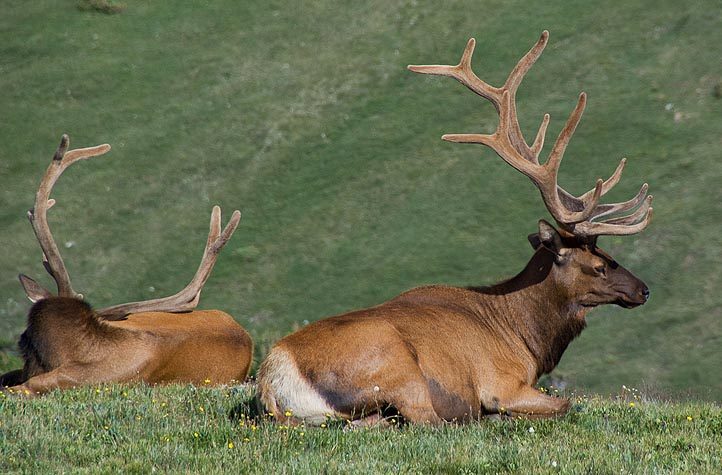
Where every hunting guide on The Wild10 starts.
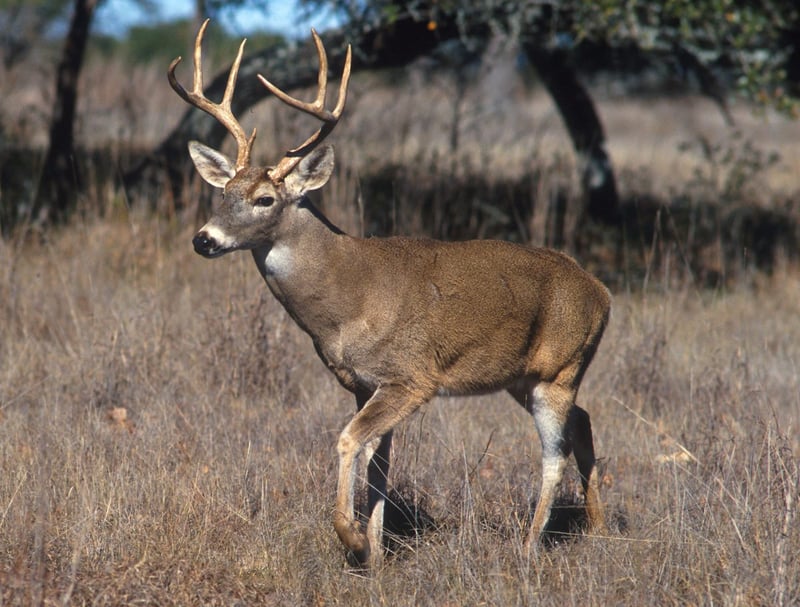
Big game, small game, upland birds, and waterfowl — habitat and season.
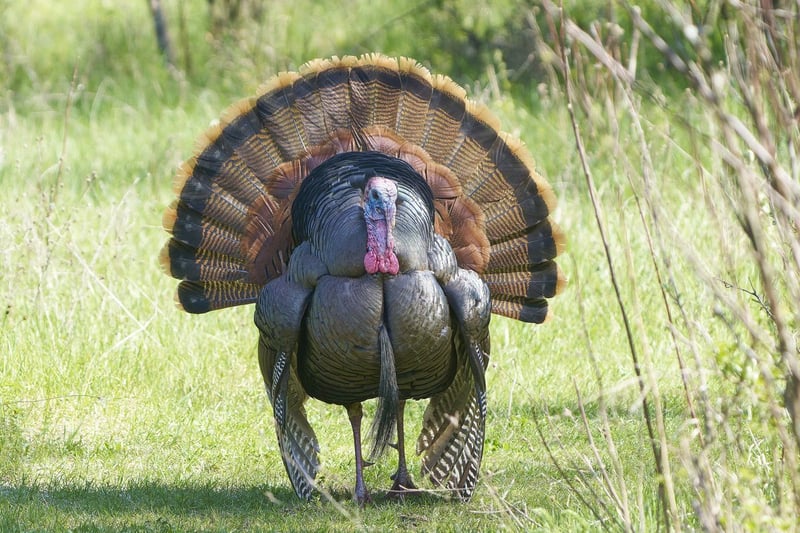
Turkey, pheasant, grouse, quail, ducks, geese, rabbits, squirrels and predators.
All 50 states — seasons, tags, laws, public land and tactics.
Calling, shotguns, bows, camo, blinds, scouting, and spring vs fall.
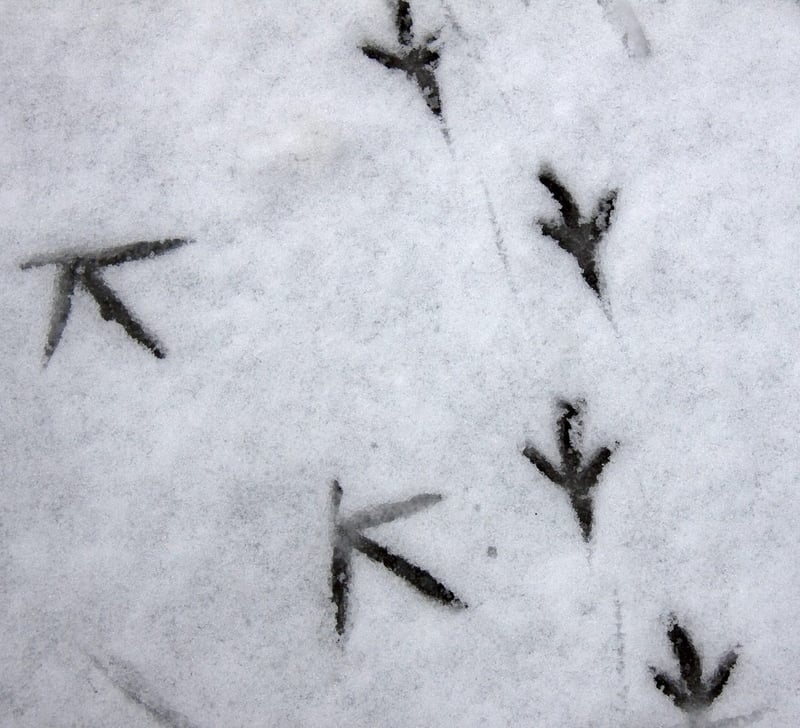
Search every species and filter by tracks, droppings and sign, harvest, or skinning.
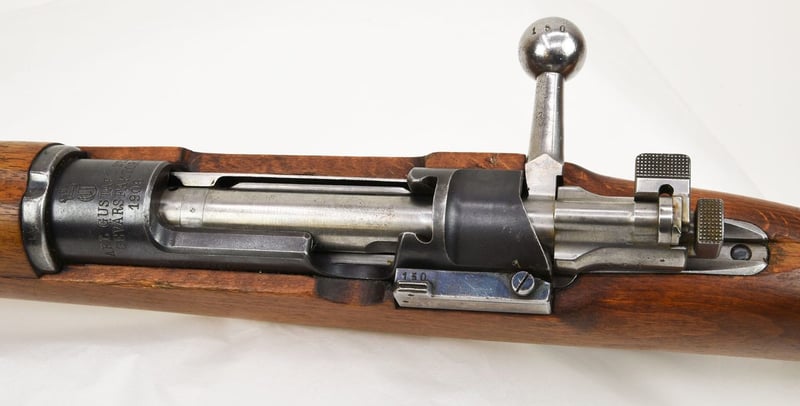
Cartridges, zero, field positions, wind, and shot placement.
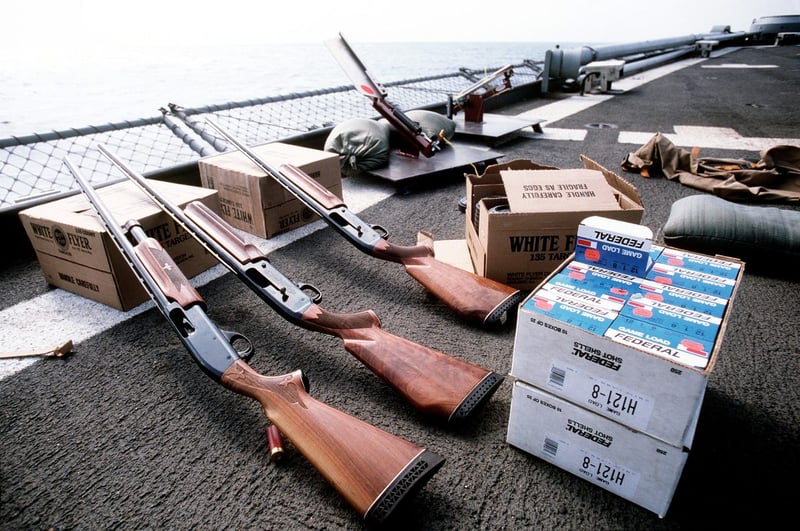
Gauges, chokes, shot size, and lead for birds and slug country.
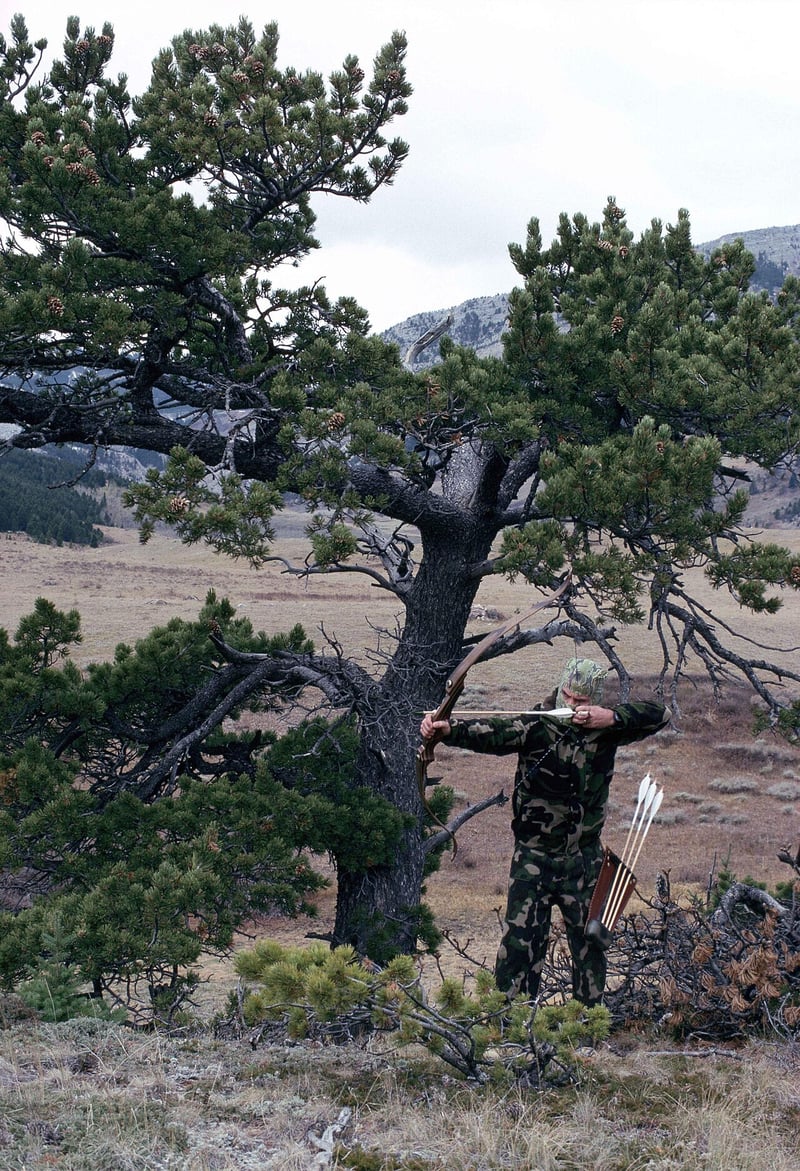
Instinctive shooting, draw weight, arrow spine, and close-range craft.
Eleven recurve and longbow guides: form, aiming, spine, tuning, and building tackle.
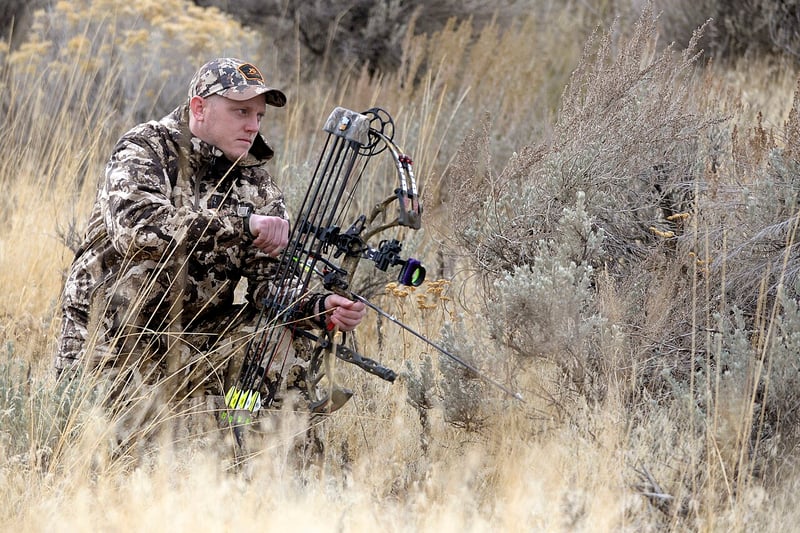
Draw length, sight and rest setup, broadhead tuning, and shot process.
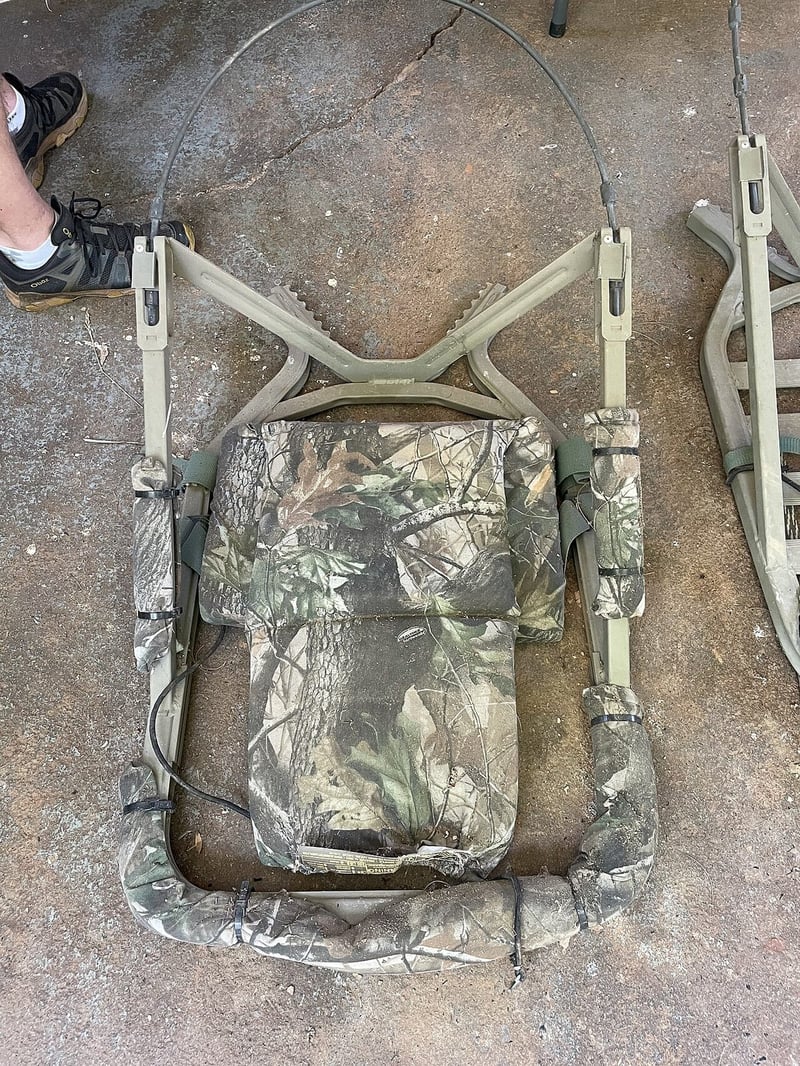
Wind discipline, stand placement, blood trailing, and meat care.
Keep going
Search every game profile by tracks, sign, harvest, and skinning guides.
Read →Cartridge choice, field positions, wind calls, and where the vitals actually sit.
Read →Gauges, chokes, slugs and straight-wall rules where rifles are not legal.
Read →Wind discipline, stand and stalk selection, blood trailing, and getting meat out cold.
Read →Book the rut week, map access, and plan the drive and cooler logistics before opening day.
Read →Top 10 lists
Ranked picks with real product photos, specs, and editor notes — the buying side of everything covered in these guides.
Bolt guns from budget workhorses to mountain rifles.
See the ranking →Rifled slug guns for shotgun-only whitetail country.
See the ranking →Spine, FOC, and broadhead pairings that fly true.
See the ranking →Quiet, wind-blocking shells for spring and early season.
See the ranking →Softshell and brush pants that move quiet and shed weather.
See the ranking →Insulated and shell layers ranked by warmth-to-noise.
See the ranking →Also on The Wild10
Fish identification, the knots that hold, lure selection by conditions, and the habits that fill a stringer.
Open the fishing hub →