Rips and current seams
Tidal
The white water where a tide accelerates over a bar or around a point; fish sit in the slack behind it.
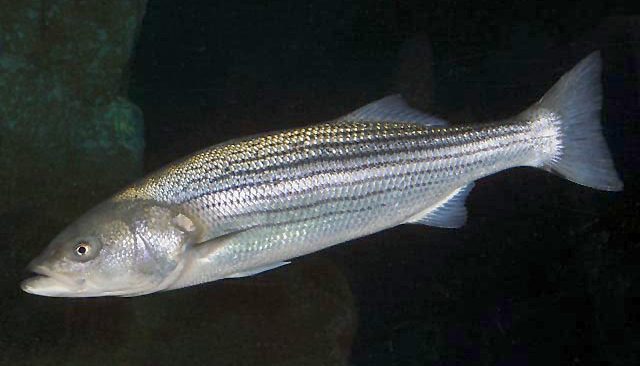
Fishing · Species · Striped Bass
The great migratory gamefish of the Atlantic coast — and a legitimate landlocked reservoir target too.
Striped bass move. The coastal population winters off Virginia and the Carolinas, spawns in the Chesapeake and Hudson, and pushes north through spring, reaching Maine by June and reversing in the fall.
That migration is what makes them the most obsessively followed fish on the Atlantic coast — the run arrives, everybody fishes, and it leaves again.
Landlocked stripers in southern reservoirs are the same fish with a different life history: they chase open-water shad schools and are usually fished by trolling live bait or running to surface blitzes.
01
Striper fishing is timing as much as place. These are the spots where the run is reliable.
| Water & region | Why it's worth your time | Access & license |
|---|---|---|
| Cape Cod Canal, Massachusetts | Land-based access to big fish on moving tide | MA saltwater permit; strict slot limit |
| Montauk, New York | Fall blitz fishing from boat and shore | NY marine registry; fall run peaks October |
| Chesapeake Bay (MD/VA) | Spring spawning run and fall light-tackle | MD or VA license; seasons protect the spawn |
| New Jersey surf | Long, accessible beach fishing on the fall run | NJ Saltwater Registry (free) |
| Lake Texoma & Lake Cumberland | Landlocked stripers in open water | State license; generous limits on reservoirs |
02
Fish moving water on a moving tide, at low light, where bait is present.
03
Stripers are current feeders. They set up where moving water pushes bait against structure, and the tide decides the timing of everything.
Tidal
The white water where a tide accelerates over a bar or around a point; fish sit in the slack behind it.
Surf
Structure that breaks the sweep and creates eddies; work the down-current side.
Night
The shadow line on a lit bridge at night is one of the most reliable striper spots on the coast.
Backwater
Falling tide flushes bait out of a marsh drain; stripers wait at the mouth.
Landlocked
Inland stripers school over 20–50 foot structure and follow shad; the same rules apply without the tide.
04
Striped bass eat almost anything alive, so lure choice is really about matching the current speed and depth. These cover the whole range.
All conditions
1/2–3 oz depending on current; the single most versatile striper lure, from surf to bridge to deep rip.
Bait match
5–9" swimbaits on a jig head match bunker and herring and swim well in current.
Blitz
Big surface baits over bar and blitz situations; long casts and a steady rhythm.
Night surf
Slow-swum plugs in the wash after dark are the classic big-fish tool from the beach.
Trophy bait
Slow-drifted or live-lined on a circle hook is the highest-percentage way to catch a 40+ inch fish.
Fly rod
Sink tip and a 4–7 inch baitfish pattern swung through a rip at night or on the flats at dawn.
05
Stripers are migratory. On the coast they follow water temperature north in spring and south in fall; in reservoirs they follow shad and oxygen.
| Season | Where the fish are | What works |
|---|---|---|
| Spring | Coastal: fish push north into estuaries and rivers to spawn, then feed on herring and worm hatches. Inland: up the rivers | Live herring and bunker, big soft plastics, and swimbaits; the schoolie blitz in the back bays |
| Summer | Coastal: rips, structure, and cool deeper water; night bite in the surf. Inland: deep, near thermocline and oxygenated water | Live eels at night, chunking bunker, trolling umbrella rigs; inland, downlines with live shad |
| Fall (blitz) | Migrating south along beaches and inlets, herding bait against the shoreline | Topwater and metals into the blitz; the year's best surf fishing |
| Winter | Coastal: wintering off the mid-Atlantic. Inland: schooled deep and feeding on shad in the main lake | Inland jigging spoons and live bait; coastal fishing is closed or catch-and-release in most areas |
06
Tide, then light. On the coast the tide stage matters more than the hour.
Key
Stripers feed on current. The last two hours of the outgoing and the first two of the incoming around inlets and rips are the prime windows regardless of the clock.
Best for size
Big stripers feed after dark in the surf and around lighted bridges. Live eels, dark swimbaits, and slow-swimming plugs.
Topwater windows and blitz activity, particularly in fall.
Deep downlines with live shad over structure produce through the middle of the day when surface temps are hot.
07
Coastal and reservoir rigs differ, but both center on delivering live bait or a big profile.
Sinker slide with a 2–6 oz pyramid, bead, swivel, 24–36 in of 40–60 lb fluoro to a 6/0–8/0 circle hook; the surf standard with chunk bunch or clams.
Single 5/0 circle hook through the nose of a live bunker or herring, optionally under a balloon, drifted in a rip or over structure.
1–2 oz egg sinker above a swivel, 3 ft leader, 3/0 circle hook through a live gizzard shad, dropped to marked fish over humps and channels.
Multi-armed rig with several swimbaits trolled or cast to imitate a bait pod; the deadly big-fish trolling rig.
50 lb leader and a single 7/0 hook through the eel's jaw, cast and swum slowly across rips and along jetties after dark.
08
Stripers eat big baits, and fresh matters.
Trophy
The best night bait on the coast for large stripers, worked slowly around rocks and rips.
Snagged and dropped back in a bait pod; the classic method for 40 lb-class fish.
The surf-casting workhorse on a fish-finder rig.
Reservoir
On downlines and planer boards for landlocked stripers.
Spring estuary bait when stripers are keyed on worm hatches.
09
Follow the bait, fish the current, and be there at the right stage of tide.
10
Coastal stripers are the most tightly regulated inshore fish on the Atlantic. Rules change annually.
11
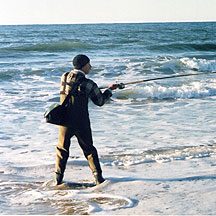
Surf fishing for stripers is a nighttime, weather-driven pursuit. Waders, a headlamp, and a willingness to fish an outgoing tide at 2 a.m. define the serious side of it.
The fall blitz — birds, bait, and fish breaking the surface as far as you can see — is the single most exciting thing that happens on the Atlantic coast.
Expect regulation changes. The coastal stock has been under rebuilding measures and the rules genuinely differ year to year.
12
The rod, line, and terminal choices that actually change your hookup rate — with the numbers, not vague categories.
Beach
Distance and leverage over the break; 10 feet is the all-round choice.
For live bait, jigging, and casting to blitzes.
Abrasion resistance around rock, jetties, and pilings.
Most versatile
Works in the surf, in a rip, and under a boat all season.
Plugs for night and calm water; metal for distance and blitzes.
Legally required with bait
Reduces gut-hooking dramatically on released fish.
13
What happens between the hookset and the cooler decides whether you land the fish and whether it is worth eating.
14
Cleaning a striped bass the right way takes about four minutes once you know the sequence.
15
Striped bass within the slot are very good eating — firm, white, and mild, excellent grilled or broiled.
Bleed and ice immediately; the flesh is much better for it.
Remove the dark red lateral meat and the skin for the cleanest flavor, and follow state consumption advisories for large fish.
Handle released fish gently — the coastal stock depends on release mortality staying low.
Size limits, creel limits, and seasons are set water by water and change every year. These agencies publish the current rules.
Coastwide stock status and the current management addenda.
Biology, regulations, and rebuilding plan detail.
Questions
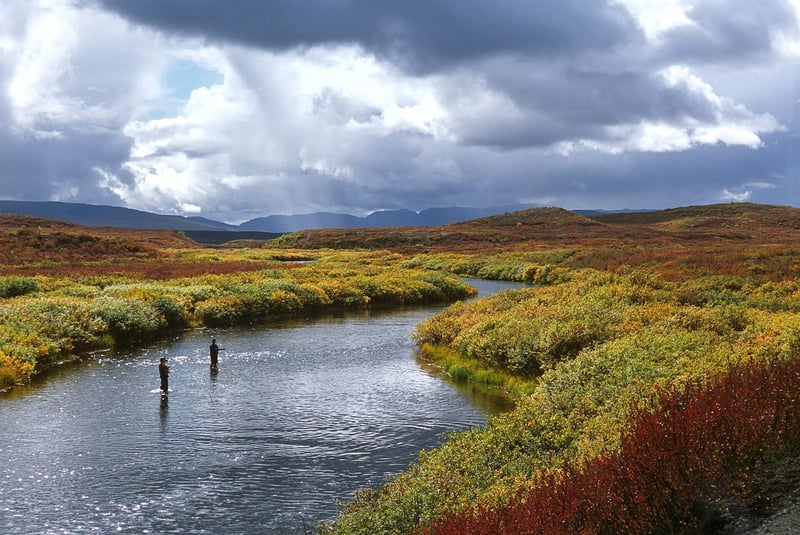
Where every fishing guide on The Wild10 starts.
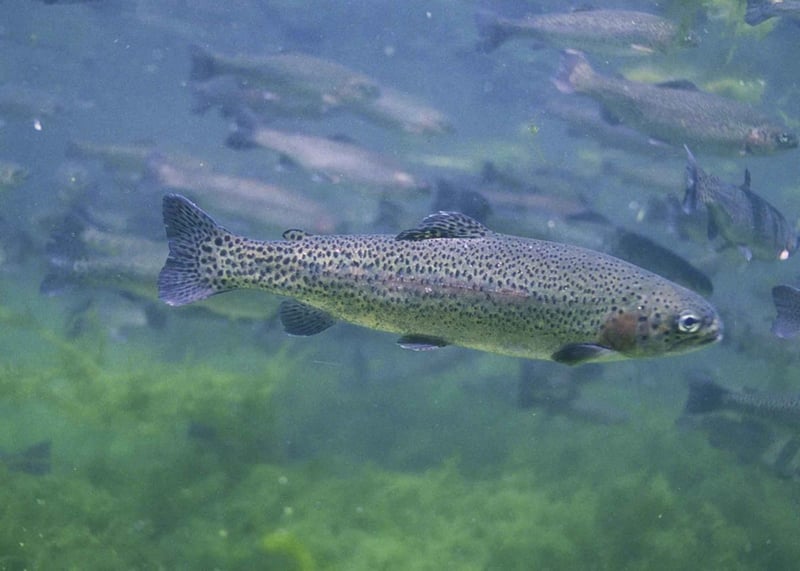
Body shape, fins, mouth, and markings for 30+ North American gamefish.
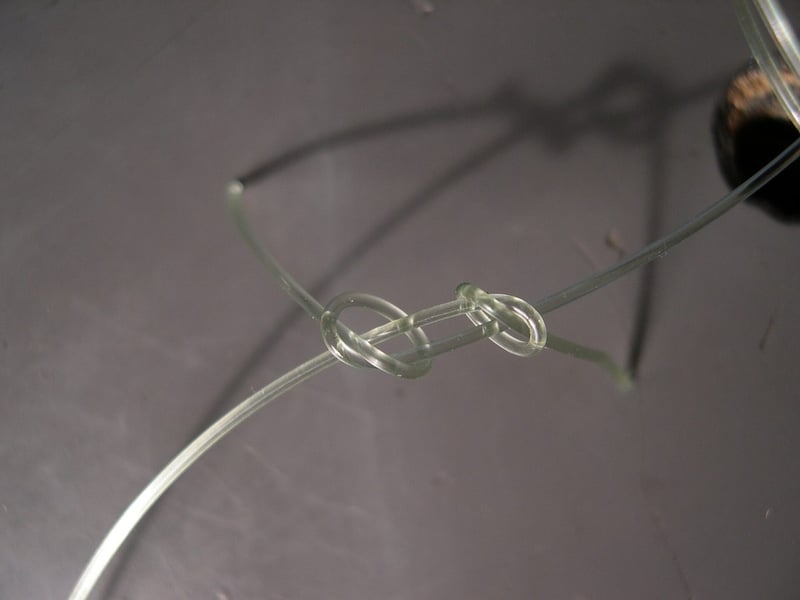
Twelve knots covering every hook, leader, and loop connection you need.
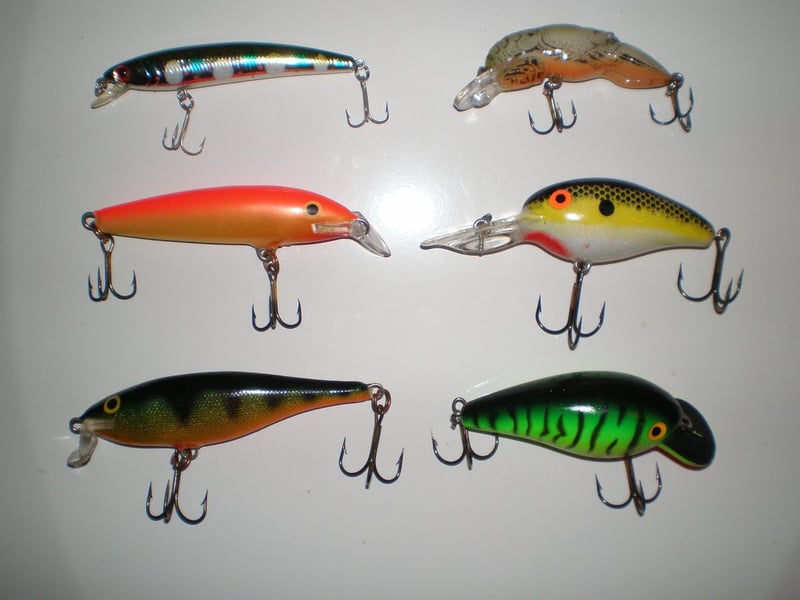
Matching lure category to temperature, clarity, depth, and season.
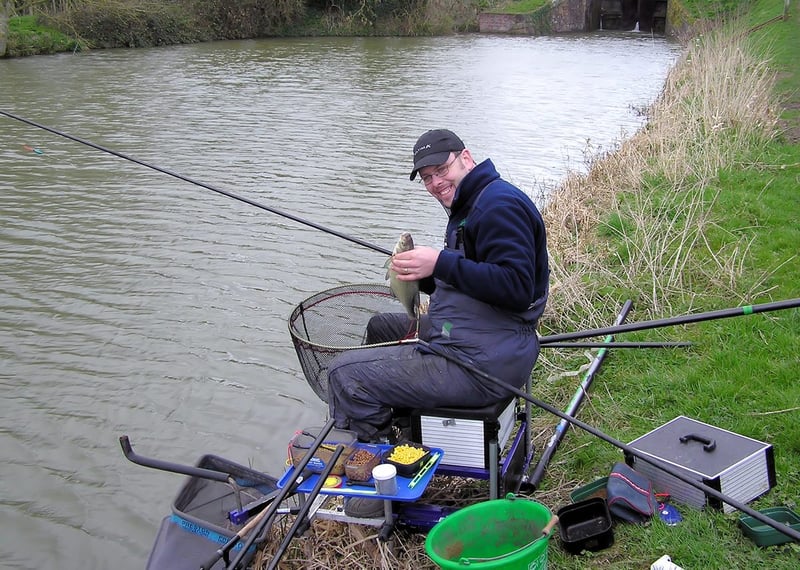
Reading water, timing the bite, and fixing a slow day on the spot.
Keep going
Tell lookalike species apart by fins, mouth, and markings.
Read →Match lure category to depth, clarity, and water temperature.
Read →The connections that keep big fish attached.
Read →Reading water and fixing a slow day on the spot.
Read →Top 10 lists
Ranked picks with real product photos, specs, and editor notes — the buying side of everything covered in these guides.
Bass, walleye, trout, and panfish rods ranked on feel.
See the ranking →Jig, crank, and heavy-cover rods by blank and taper.
See the ranking →Drag smoothness, line management, and long-haul gears.
See the ranking →Brake systems, backlash control, and drag under load.
See the ranking →Also on The Wild10
Same field-tested approach, applied to game species, rifles, shotguns, and bows — from scouting through meat care.
Open the hunting hub →