Channel edges and drop-offs
Core
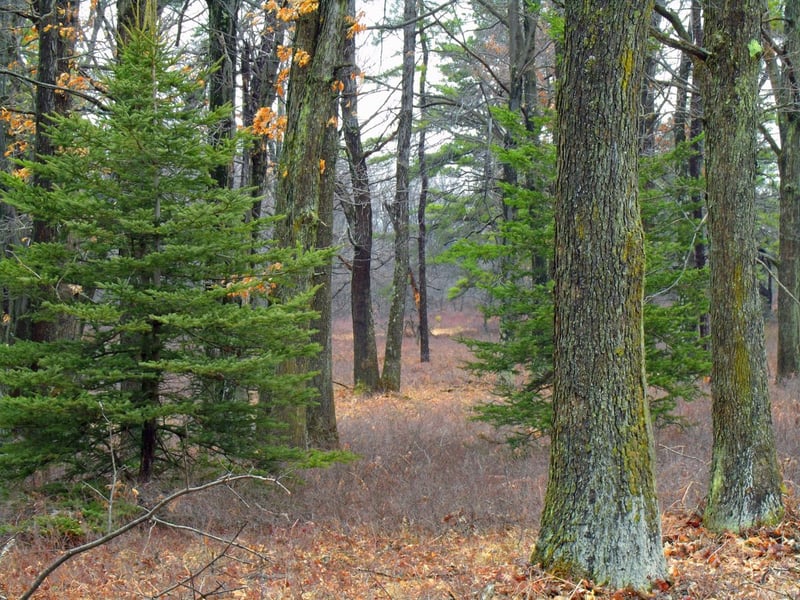
The transition from flat to channel, where current sweeps bait over a waiting fish.
Fishing · Species · Flounder
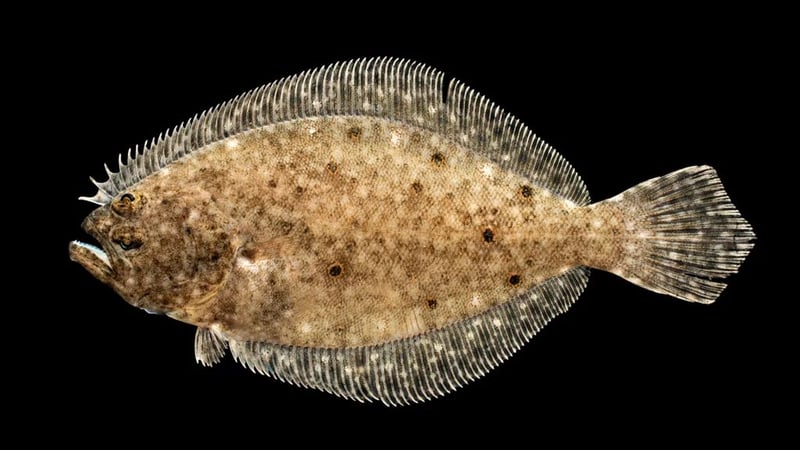
A flatfish that buries in the sand, ambushes upward, and rewards a bait dragged slowly across the bottom.
Flounder do one thing: lie on the bottom, half buried, and wait for something to swim overhead. Every effective flounder technique is built around that.
They hold on the sand-to-structure edge — the lip of a channel, the base of a jetty, the down-current side of a bar — and they feed on moving tide when bait is being swept past them.
The fall run is the event. As water cools, flounder migrate from back bays out through the inlets to offshore spawning grounds, and they concentrate at those inlets in numbers.
01
Flounder are inshore fish that stack at pinch points. These are the places worth planning a trip around.
| Water & region | Why it's worth your time | Access & license |
|---|---|---|
| Texas coastal passes | Concentrated fall run through the passes | TX license plus saltwater stamp; November restrictions |
| North Carolina inlets | Strong fall migration fishery | NC coastal license; very short seasons in recent years |
| New Jersey and Delaware Bay | Summer flounder (fluke) drifting | State license/registry; size limits are large |
| Long Island and Montauk | Nearshore fluke drifting over sand | NY marine registry |
| Louisiana and Mississippi marsh | Southern flounder along marsh drains | State saltwater license |
02
Drag a bait slowly along the bottom, on the tide, at the edge where sand meets structure.
03
Flounder lie buried on the bottom facing into current, waiting for bait to pass. You are fishing the bottom, always, and the ambush edge.
Core
The transition from flat to channel, where current sweeps bait over a waiting fish.
Tide
Flounder stack at the mouths on moving tide, especially the last hours of the outgoing.
Docks/jetties
The sand pocket beside a piling, jetty rock, or bridge abutment holds a fish almost every time.
Surf
The cut through a bar in the surf funnels bait and holds flatfish on both sides.
Fall run
Migrating fish stage on nearshore hard bottom before moving offshore in late fall.
04
These are the presentations that consistently produce flounder, with the conditions each one is actually for — not a tackle-shop wall.
Best bait
On a Carolina rig with a 2/0–4/0 hook, dragged slowly along the bottom.
Lure choice
The most consistent artificial flounder combination anywhere on the coast.
Drifting
A squid or belly strip drifted with the tide along a channel edge covers ground.
Structure
Vertical hops right against a piling or rock where the fish is lying.
Surf
The blade adds flash and vibration in stirred-up surf where visibility is short.
05
Flounder migrate offshore to spawn in fall and return inshore in spring. The fall run is the event.
| Season | Where the fish are | What works |
|---|---|---|
| Spring | Moving inshore into bays, creeks, and estuaries as water warms into the 60s | Live minnows and mud minnows on a Carolina rig along channel edges |
| Summer | Spread through bays: sandy edges, docks, jetties, oyster bars, and inlet drop-offs | Drifting live bait, bucktail with a Gulp trailer bounced along the bottom |
| Fall run | Concentrating in inlets and channels as they head offshore; the heaviest fish of the year | Bucktails and live bait fished in the inlet on the falling tide; gigging on the flats at night |
| Winter | Offshore on the continental shelf spawning; inshore fishing largely over | Closed season in most states; check regulations |
06
Flounder are ambush feeders that key on current delivering bait past them.
Key
Flounder bury facing the current and eat what drifts by. Fish the last half of the falling tide in inlets and drains.
Sight feeders; they bite well through the day in clear water.
Where legal, gigging shallow sand flats with lights at night on calm, clear water is highly effective.
07
Keep the bait on the bottom and give the fish time.
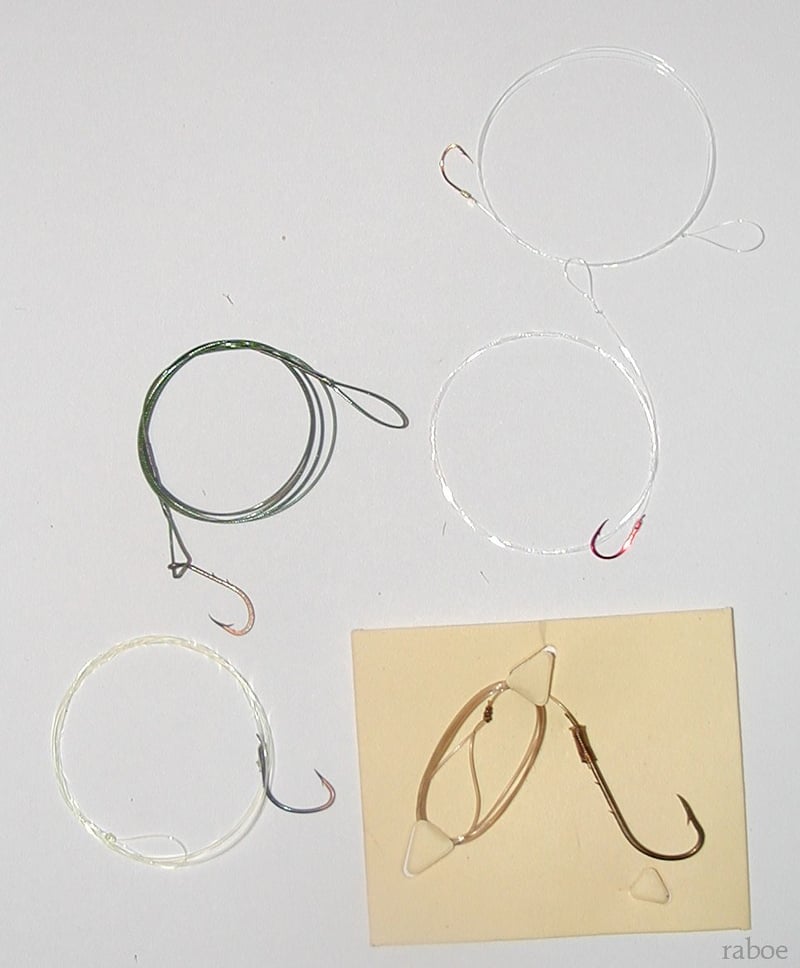
1/2–1 oz egg sinker, bead, swivel, 18–24 in of 20 lb fluoro to a 1/0–2/0 kahle hook with a live mud minnow or finger mullet. Drift or slow-troll along bottom.
1/2–1 oz bucktail with a 4 in Gulp swimming mullet, hopped along the bottom in inlets; the modern flounder standard.
Two dropper hooks with a strip of squid and a minnow on each, fished on the bottom from a pier or boat.
1/4–3/8 oz with a paddle tail dragged along sandy drop-offs and dock edges.
08
Live small baitfish, or a strip that flutters.
#1
Nearly indestructible and lively; hooked through the lips on a kahle hook.
The fall run bait; hooked through the lips and drifted through the inlet.
Effective but gets eaten by everything else too.
As a scent addition behind a minnow or on a bucktail.
09
Cover ground slowly along the right edges.
10
Flounder are among the most restricted inshore fish right now; several states have cut seasons dramatically.
11
Flounder fishing is patient bottom work punctuated by the most subtle bite in inshore fishing — often just added weight.
The fall inlet run is the exception: fast, concentrated, and often shared with a crowd of boats working the same edge.
Gigging at night, where legal, is a completely different and very effective way to hunt them in shallow water.
12
The rod, line, and terminal choices that actually change your hookup rate — with the numbers, not vague categories.
Core rod
Sensitive tip for the soft bite, backbone to sweep-set.
Feel is everything; braid transmits the light take.
Best bait
Tipped with squid or a Gulp trailer, it out-fishes most rigs.
The simple, effective drift rig for live minnows and strip baits.
The best natural bait; keep them lively in an aerated bucket.
Essential
Flounder shake free at the boat more than any other inshore fish.
13
What happens between the hookset and the cooler decides whether you land the fish and whether it is worth eating.
14
Cleaning a flounder the right way takes about four minutes once you know the sequence.
15
Flounder is a top-tier table fish — thin, white, sweet fillets that need almost nothing done to them.
Each fish yields four fillets, two per side; a sharp flexible knife makes the job easy.
Pan-fry, broil, or stuff them. Overcooking is the only real risk with flesh this delicate.
Respect the tight seasons — flounder stocks along much of the Atlantic are under active rebuilding.
Size limits, creel limits, and seasons are set water by water and change every year. These agencies publish the current rules.
Stock status and federal size/bag framework.
Season announcements and current harvest rules.
Questions
Where every fishing guide on The Wild10 starts.
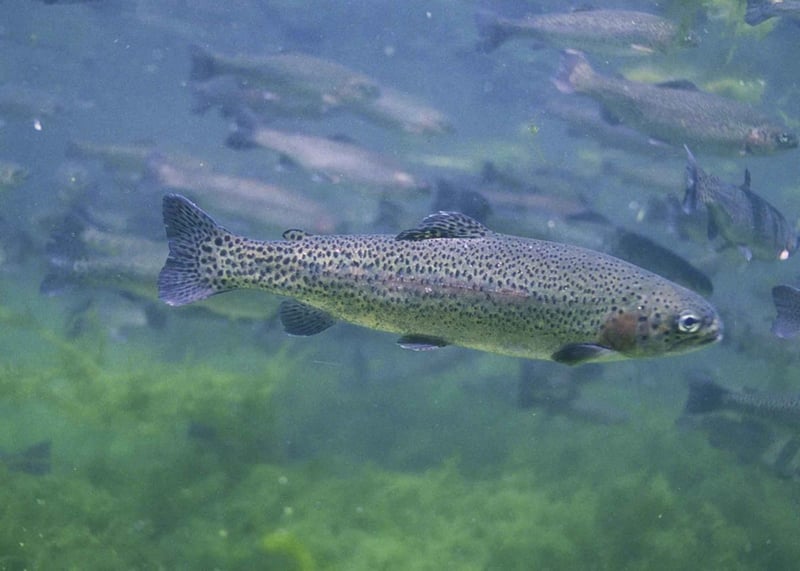
Body shape, fins, mouth, and markings for 30+ North American gamefish.
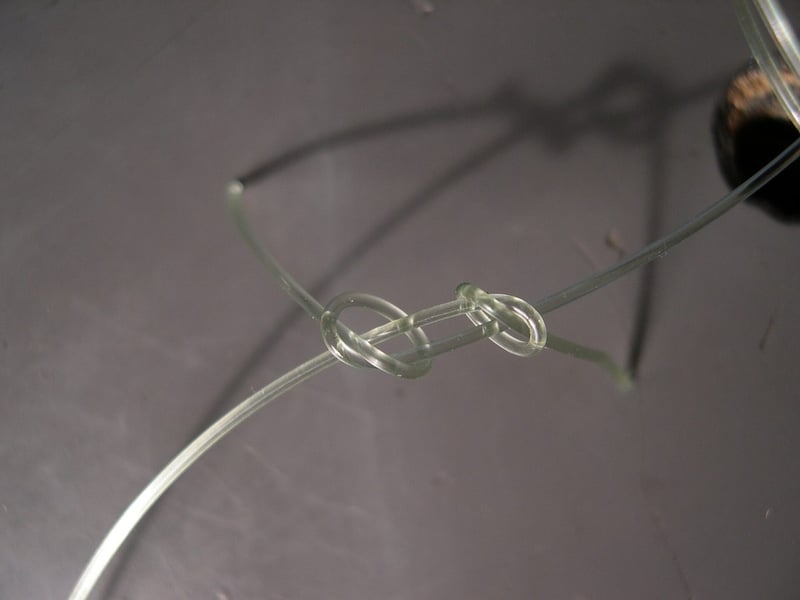
Twelve knots covering every hook, leader, and loop connection you need.
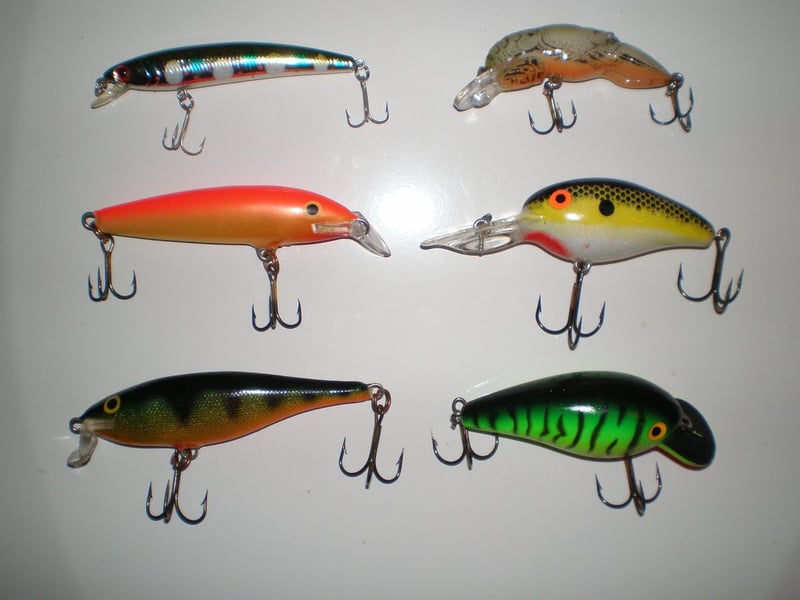
Matching lure category to temperature, clarity, depth, and season.
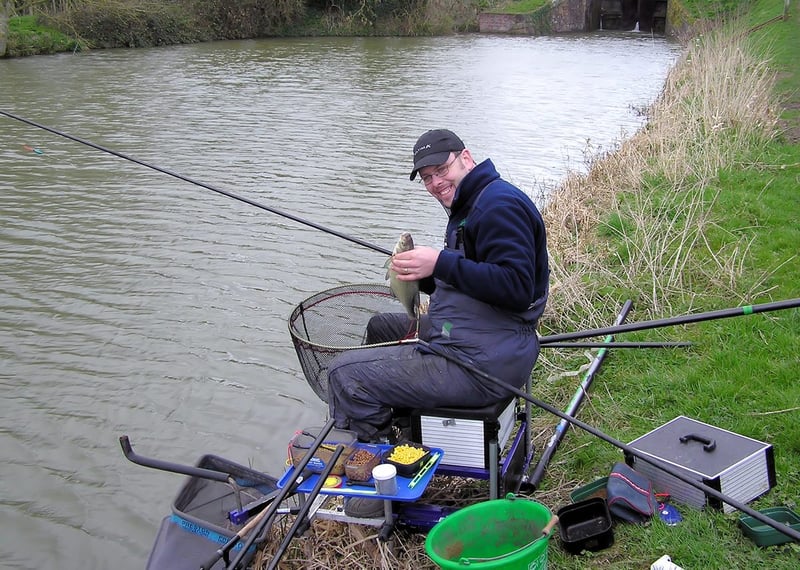
Reading water, timing the bite, and fixing a slow day on the spot.
Keep going
Tell lookalike species apart by fins, mouth, and markings.
Read →Match lure category to depth, clarity, and water temperature.
Read →The connections that keep big fish attached.
Read →Reading water and fixing a slow day on the spot.
Read →Top 10 lists
Ranked picks with real product photos, specs, and editor notes — the buying side of everything covered in these guides.
Bass, walleye, trout, and panfish rods ranked on feel.
See the ranking →Jig, crank, and heavy-cover rods by blank and taper.
See the ranking →Drag smoothness, line management, and long-haul gears.
See the ranking →Brake systems, backlash control, and drag under load.
See the ranking →Also on The Wild10
Same field-tested approach, applied to game species, rifles, shotguns, and bows — from scouting through meat care.
Open the hunting hub →