



Beyond Alone · Best: October - November, March - April
Annapurna Sanctuary
A high-altitude glacial basin completely ringed by some of the most colossal peaks in the Himalayas.
Gandaki, Nepal
Where on earth
Satellite imagery flying in from a world view to Annapurna Sanctuary, Gandaki, Nepal. Use the + / − buttons, or click the map to zoom with your scroll wheel; drag to pan and pinch to zoom on touch.
- Region
- Gandaki, Nepal
- Mountaineering
- Hiking
- Canoeing
- Fishing
- Hot Springs
- Area/Length
- 7-10 day trek
- Elevation
- 1,070m to 4,130m
- Best window
- October for clear views of Annapurna I
- Key draws
- Tea house trekking, 360-degree mountain bowl
- Access
- Bus/taxi from Pokhara to Nayapul
Topic summary
A high-altitude glacial basin completely ringed by some of the most colossal peaks in the Himalayas. The Sanctuary is a high glacial basin nestled at 4,000 meters, circled tightly by the Annapurna range, creating a natural amphitheater. The only access is by trekking up the Modi Khola river gorge, ascending through bamb
Key takeaways
- Area/Length: 7-10 day trek
- Elevation: 1,070m to 4,130m
- Best window: October for clear views of Annapurna I
- Key draws: Tea house trekking, 360-degree mountain bowl
- Access: Bus/taxi from Pokhara to Nayapul
Intended uses
- Wilderness trip planning and destination research
- Access: Bus/taxi from Pokhara to Nayapul
Verification notes
Compiled from published show records, regional agencies, and topographical / satellite imagery. Region: Gandaki, Nepal. Coordinates: 28.533, 83.869.
The country
The Sanctuary is a high glacial basin nestled at 4,000 meters, circled tightly by the Annapurna range, creating a natural amphitheater. The only access is by trekking up the Modi Khola river gorge, ascending through bamboo jungles and rhododendron forests. It is considered a sacred valley by the local Gurung and Magar people.
Why enthusiasts come
Unlike the longer Annapurna Circuit or Everest Base Camp, the Sanctuary (Annapurna Base Camp) trek provides rapid access to extreme close-up views of 8,000-meter peaks. The tea house infrastructure means hikers carry light daypacks and sleep in beds. It provides a physically demanding yet logistically simple introduction to the high Himalayas.
Top experiences
Watching the sunrise over Annapurna I and Machapuchare (the Fishtail) from Annapurna Base Camp bathes the ring of peaks in golden light. Descending into the hot springs at Jhinu Danda offers massive recovery for exhausted muscles. Ascending Poon Hill early in the trek provides the classic panoramic preview of the entire Dhaulagiri and Annapurna massifs.
Planner-relevant notes
You must obtain both the ACAP (Annapurna Conservation Area Project) permit and a TIMS card before departing Pokhara or Kathmandu. Recent regulations strongly push the use of a registered guide, though independent trekking legality fluctuates; check current local laws. The gorge section between Dovan and Deurali is highly avalanche-prone in early spring.
Field notes
- No meat is allowed to be taken past the village of Chomrong, as the Sanctuary is a sacred Buddhist/Hindu site.
- If trekking in spring (March/April), the avalanche chutes above Deurali are active; cross them early in the morning before the sun hits the snow.
- Bring cash (Nepalese Rupees) for all teahouse transactions; Wi-Fi and solar charting cost extra.
- To combat Acute Mountain Sickness (AMS), sleep at Machapuchare Base Camp (3,700m) before pushing into Annapurna Base Camp.
Frequently asked about Annapurna Sanctuary
- Where is Annapurna Sanctuary?
- Annapurna Sanctuary is in Gandaki, Nepal. A high-altitude glacial basin completely ringed by some of the most colossal peaks in the Himalayas.
- How do you get to Annapurna Sanctuary?
- Access: Bus/taxi from Pokhara to Nayapul. Expect a multi-leg trip — flights to the nearest hub, then float plane, boat, or 4WD depending on conditions.
Build a ten for Annapurna Sanctuary
Assemble your own 10-item Alone loadout tuned to this biome — cold, wet, and food strategy already scoped.
Open the builderShelter that suits this terrain
Browse shelter builds and site-selection guides matched to conditions like the ones here.
Wildlife
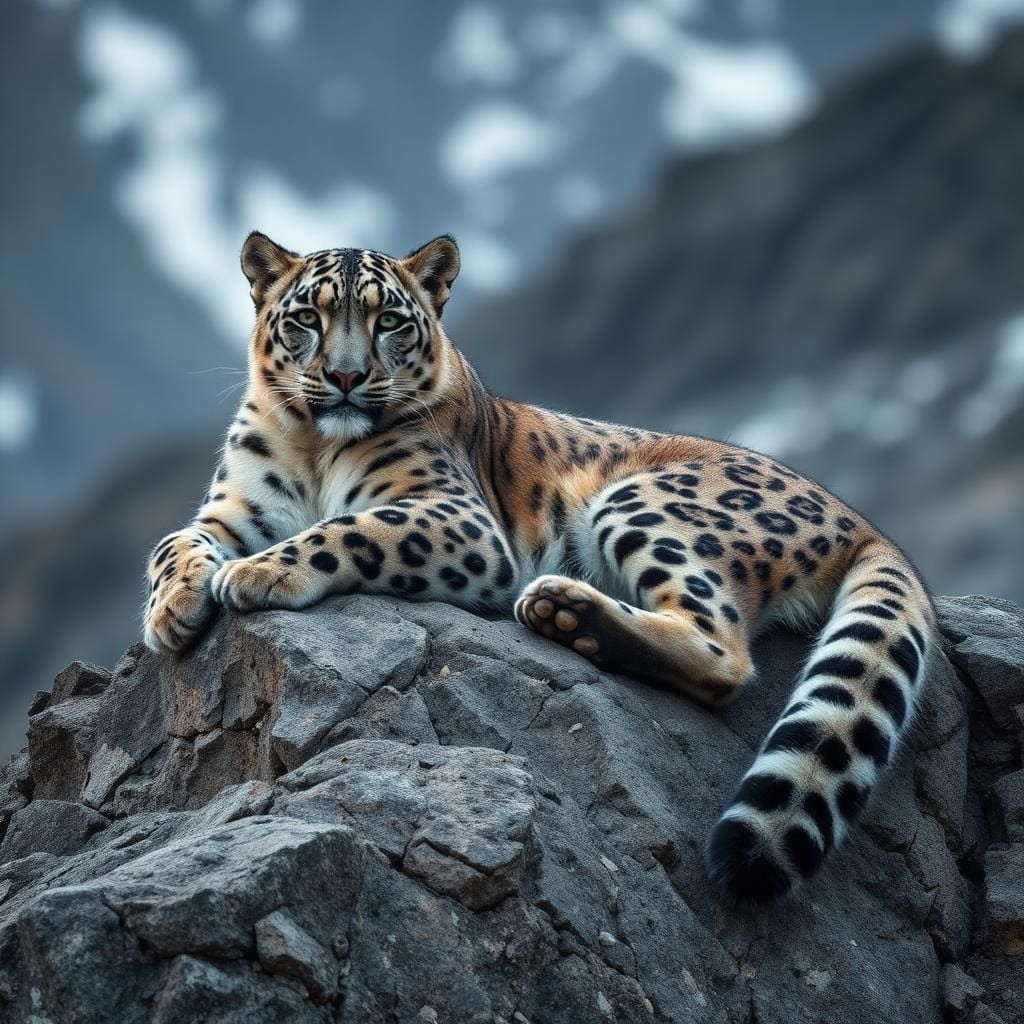
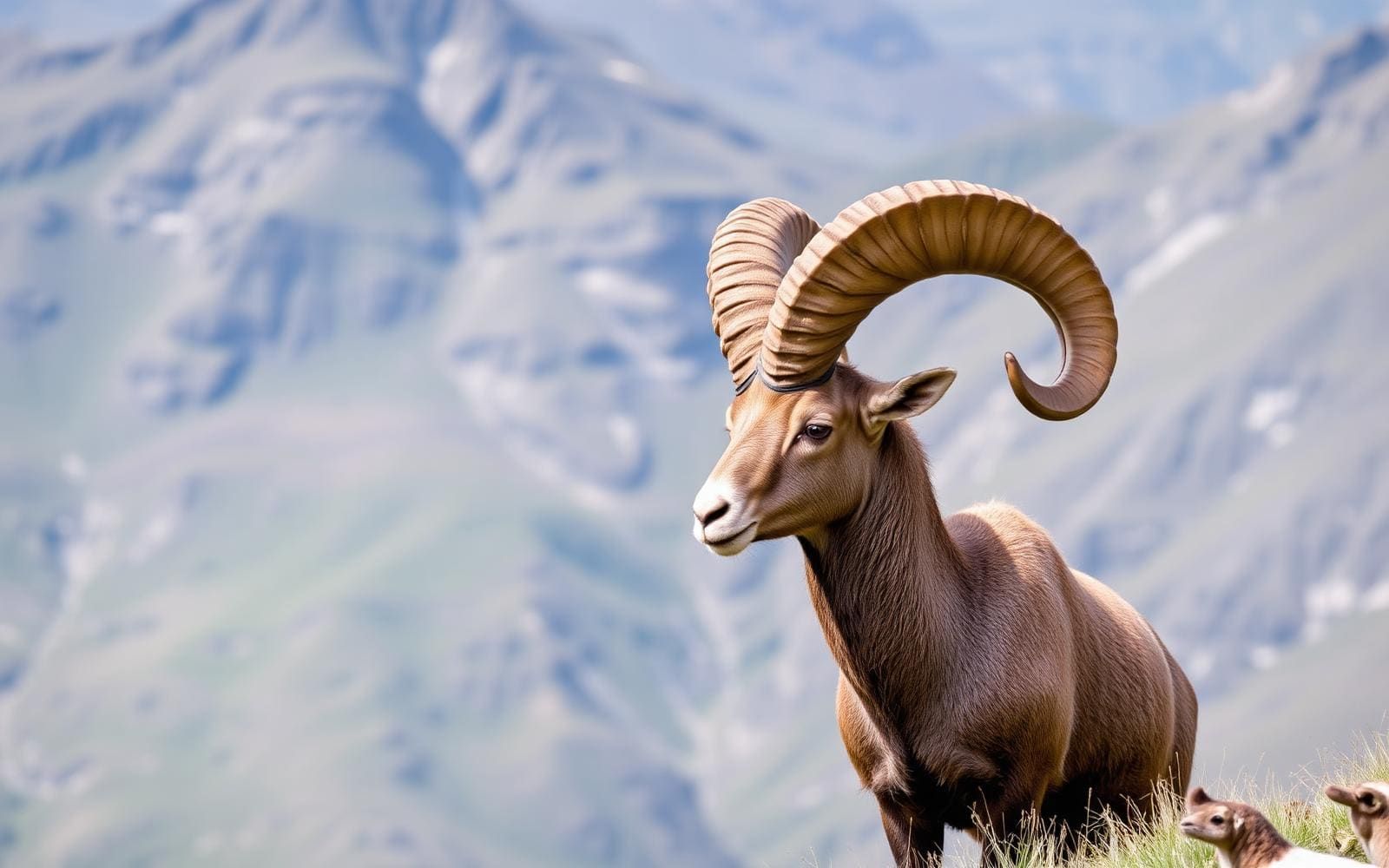
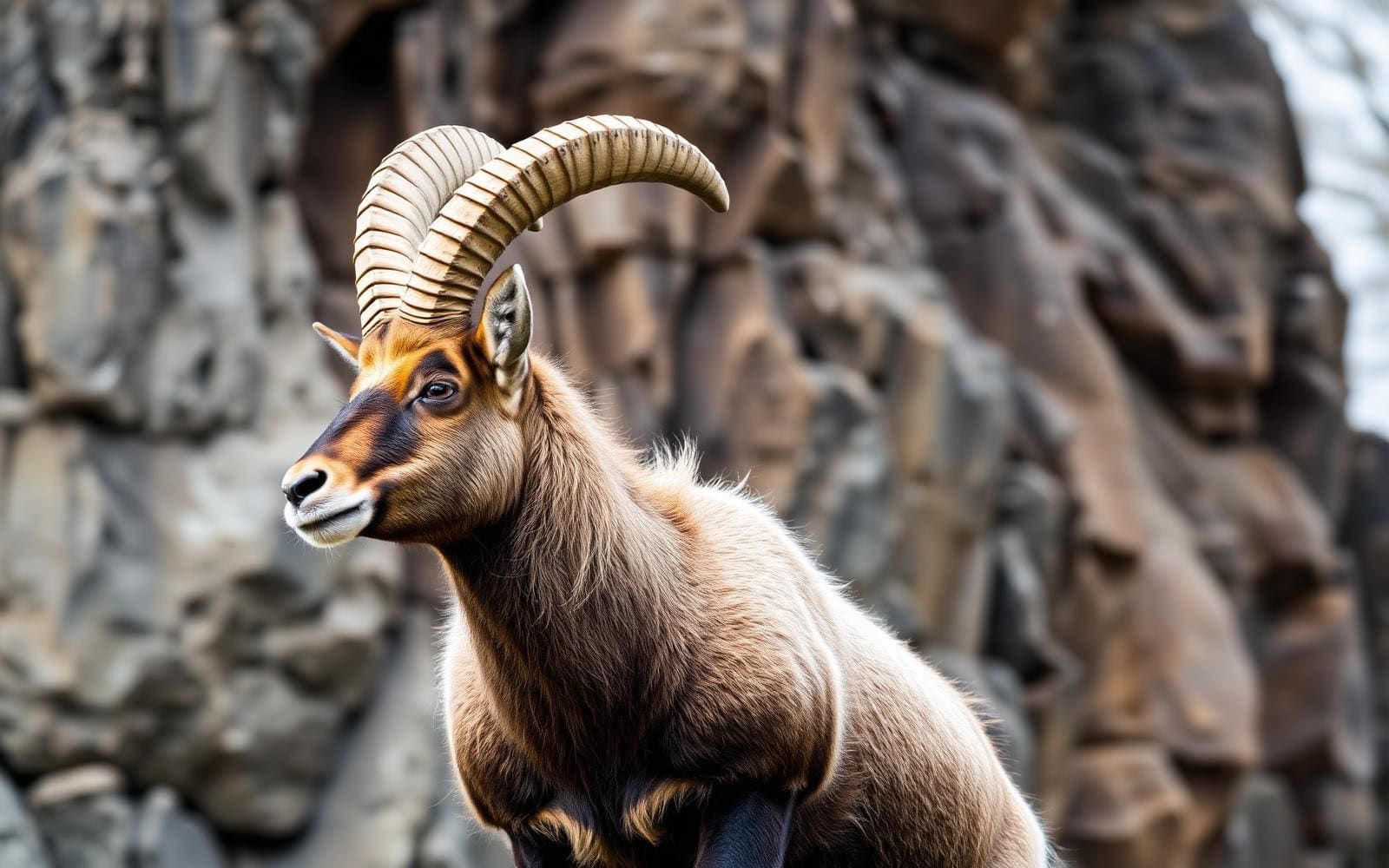
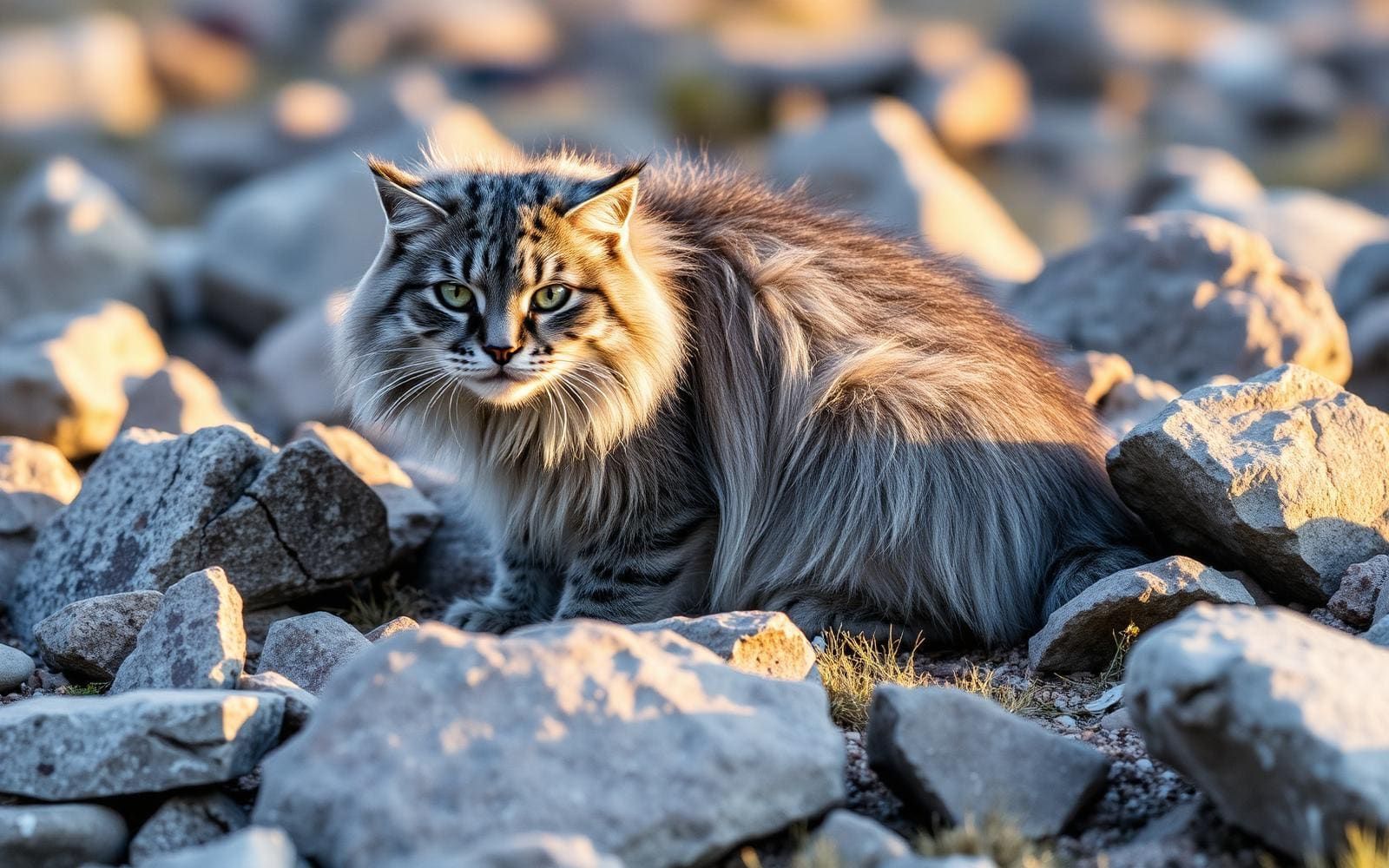
Wildlife found around Annapurna Sanctuary
The gear behind what you just read
Ranked lists for the exact categories that decide a season.
- Top 10 Winter JacketsDown parkas, synthetic belay pieces, and heavy wool coats for real cold.See the ranking
- Top 10 Merino Wool Base LayersNext-to-skin wool that works in real cold, real heat, and days between washes.See the ranking
- Top 10 Three-Season Sleeping BagsDown and synthetic bags that cover the honest 20°F–40°F working range.See the ranking
- Top 10 Winter Camping LocationsCold-country trips built around snow, ice, and quiet skies.See the ranking
- Best Cold-Weather HatsWool watch caps, ushankas, and windproof beanies for real winter.See the ranking