


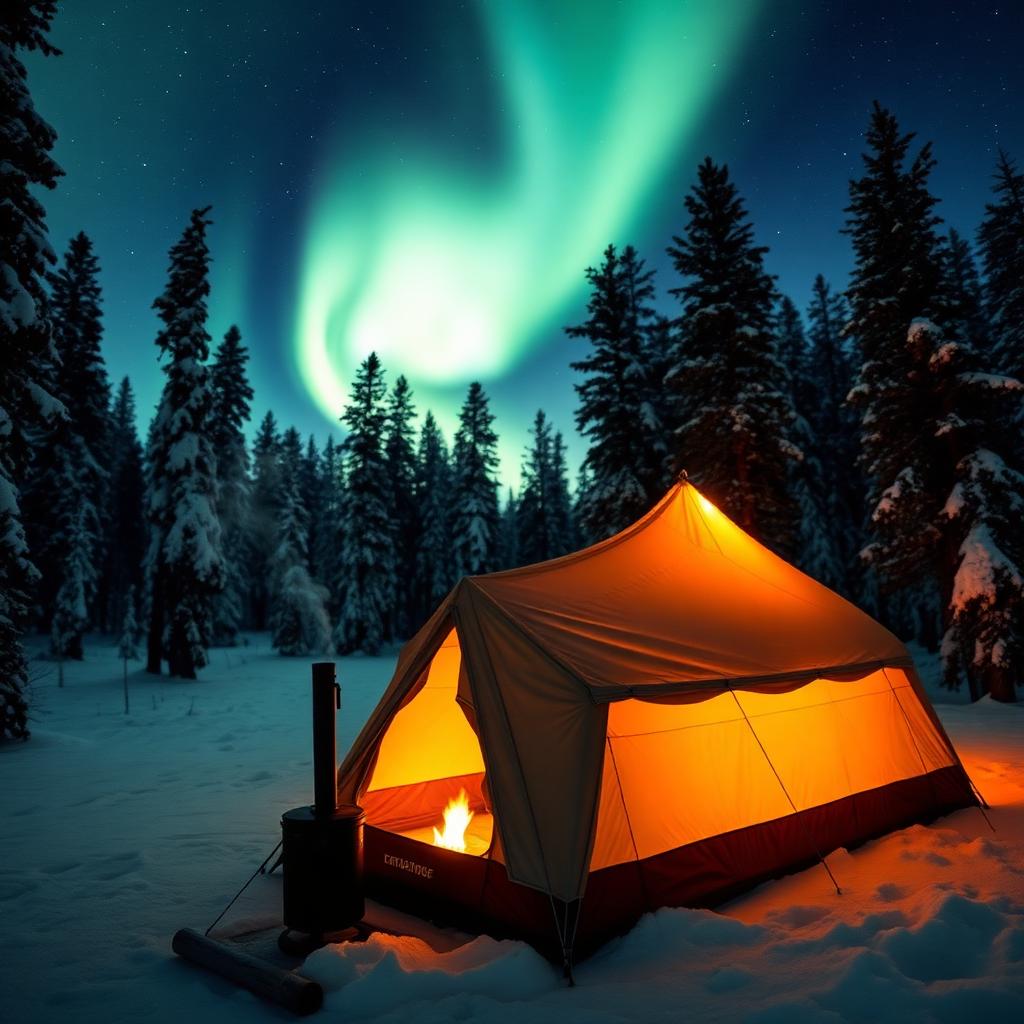
Top 10 · Places
Top 10 Winter Camping Locations (2026)
Cold-country trips built around snow, ice, and quiet skies.
Updated September 2026 · 10 picks re-checked for availability and current spec, reader ratings refreshed live.
Winter camping rewards preparation. These regions offer real cold-country experience with a mix of accessible destinations and expedition-grade country. Skis, snowshoes, and a plan for water are non-negotiable.
The short answer


Compare all 10 picks at a glance
Editorial ranking, what each pick is best at, and how we assessed it. Tap a name to jump to the full write-up.
| # | Pick | Best for | Key spec | Evidence |
|---|---|---|---|---|
| 1 | Boundary Waters (winter) Minnesota, USA | Hot tent winter camping | Location: Northeastern Minnesota, USA | Research only |
| 2 | Algonquin Provincial Park (winter) Ontario, Canada | Beginner winter camping | Location: Ontario, Canada | Research only |
| 3 | Yellowstone backcountry Wyoming, USA | Experienced winter camping | Location: Northwest Wyoming, USA | Research only |
| 4 | Sarek in winter Swedish Lapland | Multi-day ski mountaineering expeditions | Location: Swedish Lapland, Arctic Circle | Research only |
| 5 | White Mountains New Hampshire, USA | Advanced winter backpacking | Location: New Hampshire, USA | Research only |
| 6 | Adirondack High Peaks New York, USA | Experienced winter campers | Location: Adirondack Park, New York, USA | Research only |
| 7 | Denali National Park winter routes Alaska, USA | Expert winter ski touring | Location: Interior Alaska, USA | Research only |
| 8 | Rondane National Park Norway | First winter expedition | Location: Southeastern Norway | Research only |
| 9 | Chic-Chocs Québec, Canada | Multi-day backcountry ski touring trips | Location: Gaspésie, Québec, Canada | Research only |
| 10 | Yosemite Valley (winter) California, USA | Winter camping for experienced individuals | Location: Yosemite National Park, California, USA | Research only |
How we chose
We built this ranking from trip reports, agency data, permit records, and our editors' own time on the ground. 10 places made the final cut out of a much longer working list, and each one had to clear the same set of criteria before it earned a spot.
- Quality of the terrain
- Landscape, route variety, and whether the place rewards multiple days rather than one overlook.
- Season and weather windows
- How long the reliable window is, and how badly the shoulder seasons punish a bad forecast.
- Access and permits
- Trailhead logistics, permit odds, quotas, and how much lead time a trip realistically takes.
- Solitude vs. crowding
- How far you have to walk before the place feels like wilderness instead of a queue.
- Wildlife and ecology
- What you can reasonably expect to see, and what you have to plan around.
- Risk and skill required
- Navigation, water crossings, exposure, and rescue distance — stated plainly.
Best of the Best · Head to Head
Boundary Waters (winter) vs Algonquin Provincial Park (winter)
#1 vs #2 — side-by-side specs, pros & cons, and the final verdict.
Compare any two picks
Build your own side-by-side
Choose any two of these 10 picks and compare specs, price, pros, cons and reader ratings.
Topic summary
Cold-country trips built around snow, ice, and quiet skies.
Key takeaways
- #1 Boundary Waters (winter) — Minnesota, USA
- #2 Algonquin Provincial Park (winter) — Ontario, Canada
- #3 Yellowstone backcountry — Wyoming, USA
- #4 Sarek in winter — Swedish Lapland
- #5 White Mountains — New Hampshire, USA
- #6 Adirondack High Peaks — New York, USA
Intended uses
Places
Verification notes
Editorial ranked list, 10 entries. Evidence mix — 10 research only. Buy links open the maker or a retailer search. Last reviewed September 2026.
Best winter camping for a specific job
Skip the ranking — jump to the pick that matches how you actually use it.
- Best for hot tent winter camping
- #1 Boundary Waters (winter) — Minnesota, USAThe BWCA in February is a different park — hot-tent, ski-in, and pull-sled travel across the lakes.Read the full profile
- Best for beginner winter camping
- #2 Algonquin Provincial Park (winter) — Ontario, CanadaSki-in yurt and hot-tent camping just three hours from Toronto. Well-established winter routes.Read the full profile
- Best for experienced winter camping
- #3 Yellowstone backcountry — Wyoming, USASki or snowshoe past thermal features under near-total silence. Permit and preparation heavy.Read the full profile
- Best for multi-day ski mountaineering expeditions
- #4 Sarek in winter — Swedish LaplandSki-touring in Europe's largest roadless wilderness. Expedition-grade cold and self-sufficiency.Read the full profile
- Best for advanced winter backpacking
- #5 White Mountains — New Hampshire, USAAMC huts and hardened winter hikers' scene. Real above-treeline weather, accessible base.Read the full profile
- Best for experienced winter campers
- #6 Adirondack High Peaks — New York, USACold, wind-hammered peaks with strong winter tradition. Lean-tos make hot-tent optional.Read the full profile
- Best for expert winter ski touring
- #7 Denali National Park winter routes — Alaska, USAThe serious tier — ski touring under aurora, temperatures well below zero, real logistics.Read the full profile
- Best for first winter expedition
- #8 Rondane National Park — NorwayNorwegian winter trekking with DNT hut network. Ideal introduction to Scandinavian winter travel.Read the full profile
Size it yourself
Free Wild10 calculators for this kit — no signup, formulas published.
Our editors test the gear, pick the ten, and set the order the day a list publishes. After that, the ranking is live: every member star rating feeds the community order, so picks climb or slide as real owners report back. Editorial judgment decides what earns a spot — you help decide where it sits.
- Editors set the field
Hands-on testing and spec research choose the ten and the published order.
- Readers re-rank it
Your 1–5 star ratings drive the community order on every list.
- Rankings keep moving
Picks rise or fall over time — nothing is frozen at launch day.
Rank this list
Loading community ratings… Ratings re-order the picks — they never change which products make the list.
Sign in to add your own ratings — it's free.
- Pros
- Profound solitude and quiet wilderness experience
- Stunning frozen landscapes and starry nights
- Accessible by ski/snowshoe over frozen lakes
- Increased chance of observing elusive winter wildlife
- Self-issued, free permits with no quotas
Cons- Extreme cold and harsh weather conditions
- Significant physical exertion required for travel
- Potential for dangerous thin ice conditions
- No cell service and very limited emergency support
- Gear intensive with specific winter camping equipment needs
Key features- Location
- Northeastern Minnesota, USA
- Primary Access
- Ely, Grand Marais, Crane Lake, Isabella
- Dominant Terrain
- Frozen lakes, boreal forest, portage trails
- Winter Average Temp
- -15°F to 10°F (-26°C to -12°C)
- Key Activities
- Hot tent camping, cross-country skiing, snowshoeing, ice fishing
- Permits Required
- Yes, self-issued at entry points
Best forHot tent winter camping, Cross-country ski touring, Snowshoe backpacking, Ice fishing adventures, Wilderness photography
Pros- Profound solitude and quiet wilderness experience
- Stunning frozen landscapes and starry nights
- Accessible by ski/snowshoe over frozen lakes
- Increased chance of observing elusive winter wildlife
- Self-issued, free permits with no quotas
Cons- Extreme cold and harsh weather conditions
- Significant physical exertion required for travel
- Potential for dangerous thin ice conditions
- No cell service and very limited emergency support
- Gear intensive with specific winter camping equipment needs
Assessed by Adele Marchetti against our ranking criteria.No ratings yet - Pros
- Proximity to major population centers
- Well-maintained winter trails and facilities
- Opportunity for deep solitude in nature
- Designated hot-tenting sites available
- Variety of camping options from yurts to backcountry
Cons- Can be extremely cold, requiring specialized gear
- Popular areas like Mew Lake can still be busy
- Limited vehicle access to the park's interior
- Hazards of thin ice on lakes and difficult navigation
Key features- Location
- Ontario, Canada
- Closest City
- Huntsville, Ontario
- Winter Season
- Late Nov - Early April
- Permit Required
- Yes, backcountry & day use
- Activities
- Skiing, Snowshoeing, Hot Tenting
- Access
- Mostly ski-in, some plowed roads
Best forBeginner winter camping, Cross-country ski touring, Snowshoeing adventures, Hot-tenting trips, Winter photography
Pros- Proximity to major population centers
- Well-maintained winter trails and facilities
- Opportunity for deep solitude in nature
- Designated hot-tenting sites available
- Variety of camping options from yurts to backcountry
Cons- Can be extremely cold, requiring specialized gear
- Popular areas like Mew Lake can still be busy
- Limited vehicle access to the park's interior
- Hazards of thin ice on lakes and difficult navigation
Assessed by Adele Marchetti against our ranking criteria.No ratings yet - Pros
- Unparalleled solitude and tranquility
- Dramatic, steaming thermal features against snow
- Excellent opportunities for wildlife viewing
- Profound sense of wilderness immersion
- Unique challenge for experienced winter campers
Cons- Extreme cold and unpredictable weather
- Demanding physical exertion for travel
- Complex permit and planning logistics
- Limited emergency services and self-reliance required
- Potential for dangerous wildlife encounters
Key features- Location
- Northwest Wyoming, USA
- Terrain
- Volcanic plateau, mountains, forests, thermal areas
- Best Season
- Late December - Early March
- Access
- West Yellowstone (seasonal road openings)
- Primary Activities
- Cross-country skiing, snowshoeing, wildlife viewing
- Permits Required
- Backcountry permit, park entrance pass
Best forExperienced winter camping, Backcountry skiing expeditions, Advanced snowshoeing, Wildlife photography in winter, Seeking profound solitude
Pros- Unparalleled solitude and tranquility
- Dramatic, steaming thermal features against snow
- Excellent opportunities for wildlife viewing
- Profound sense of wilderness immersion
- Unique challenge for experienced winter campers
Cons- Extreme cold and unpredictable weather
- Demanding physical exertion for travel
- Complex permit and planning logistics
- Limited emergency services and self-reliance required
- Potential for dangerous wildlife encounters
Assessed by Adele Marchetti against our ranking criteria.No ratings yet - Pros
- Unmatched wilderness solitude and untouched landscapes
- Profound sense of accomplishment from self-supported expedition
- Exceptional ski touring opportunities in vast terrain
- Potential for spectacular Northern Lights displays
- Complete disconnection from modern life
Cons- Extreme cold and harsh weather conditions
- High avalanche risk, especially in spring
- Requires advanced expedition skills and robust gear
- Complete lack of infrastructure, aid, or marked routes
- Isolation means long response times for emergencies
Key features- Temperature Range
- -40°C to -10°C
- Location
- Swedish Lapland, Arctic Circle
- Terrain
- Glaciated mountains, deep valleys, frozen rivers
- Best Season
- Late February - April (for ski touring)
- Accessibility
- No roads, remote access via ski/snowmobile
- Permits
- Not required, but strong self-reliance needed
Best forMulti-day ski mountaineering expeditions, Extreme cold-weather camping, Advanced winter wilderness exploration, Testing expedition endurance and skills
Pros- Unmatched wilderness solitude and untouched landscapes
- Profound sense of accomplishment from self-supported expedition
- Exceptional ski touring opportunities in vast terrain
- Potential for spectacular Northern Lights displays
- Complete disconnection from modern life
Cons- Extreme cold and harsh weather conditions
- High avalanche risk, especially in spring
- Requires advanced expedition skills and robust gear
- Complete lack of infrastructure, aid, or marked routes
- Isolation means long response times for emergencies
Assessed by Adele Marchetti against our ranking criteria.No ratings yet - Pros
- True alpine winter experience on the East Coast
- Accessible trailheads and established trail network
- Challenge and reward of extreme weather camping
- Opportunities for ice climbing and backcountry skiing
- Stunning, starkly beautiful snow-covered landscapes
Cons- Extremely challenging weather, high objective hazards
- Requires advanced winter skills and extensive gear
- Can be crowded, especially on popular routes and weekends
- Limited official shelter options in deep winter
Key features- Location
- New Hampshire, USA
- Terrain
- Alpine, subalpine, boreal forest, peaks up to 6,288 ft
- Hazards
- Extreme cold, high winds, avalanches, rapid weather shifts
- Winter Season
- Late Nov - Early Apr
- Access
- Trailheads off US-302, NH-16
- Wildlife
- Moose, deer, various birds, snowshoe hare
Best forAdvanced winter backpacking, Mountaineering training, Ice climbing trips, Backcountry ski tours, Extreme cold weather testing
Pros- True alpine winter experience on the East Coast
- Accessible trailheads and established trail network
- Challenge and reward of extreme weather camping
- Opportunities for ice climbing and backcountry skiing
- Stunning, starkly beautiful snow-covered landscapes
Cons- Extremely challenging weather, high objective hazards
- Requires advanced winter skills and extensive gear
- Can be crowded, especially on popular routes and weekends
- Limited official shelter options in deep winter
Assessed by Adele Marchetti against our ranking criteria.No ratings yet - Pros
- Extensive lean-to network reduces need for hot tent
- Authentic, challenging winter wilderness experience
- Stunning, stark snow-covered mountain landscapes
- Profound solitude in deeper backcountry areas
- Strong local tradition of winter mountaineering
Cons- Severe cold, high winds, and deep snow are common
- Requires advanced winter camping and travel skills
- Popular trailheads and lean-tos can still be busy
- Navigation difficult; hazards include avalanches and hypothermia
Key features- Location
- Adirondack Park, New York, USA
- Terrain
- Mountainous, forested, sub-alpine, alpine
- Elevation
- Up to 5,344 ft (Mount Marcy)
- Best Season
- December to March
- Key Feature
- Extensive lean-to network
- Permits
- Varies by zone, generally free backcountry registration
Best forExperienced winter campers, Backcountry ski touring, Winter mountaineering, Lean-to camping, Seeking challenging solitude
Pros- Extensive lean-to network reduces need for hot tent
- Authentic, challenging winter wilderness experience
- Stunning, stark snow-covered mountain landscapes
- Profound solitude in deeper backcountry areas
- Strong local tradition of winter mountaineering
Cons- Severe cold, high winds, and deep snow are common
- Requires advanced winter camping and travel skills
- Popular trailheads and lean-tos can still be busy
- Navigation difficult; hazards include avalanches and hypothermia
Assessed by Adele Marchetti against our ranking criteria.No ratings yet - Pros
- Unparalleled solitude and pristine wilderness
- Spectacular aurora borealis viewing opportunities
- Unique challenge testing advanced winter skills
- Stunning, stark beauty of snow-covered Alaska Range
- Chance for intimate wildlife encounters without crowds
Cons- Extreme cold, often -20°F to -40°F
- Very short daylight hours in mid-winter
- Requires extensive planning and specialized gear
- Limited road access beyond park entrance
- Potential for rapid, severe weather changes
Key features- Location
- Interior Alaska, USA
- Primary Activity
- Ski touring, snowshoeing, fat biking, winter camping
- Season
- Late September to early April (deep winter)
- Average Temp
- -10°F to -40°F (-23°C to -40°C)
- Road Access
- Limited (first 15 miles open)
- Permits
- Required for overnight backcountry
Best forExpert winter ski touring, Extreme cold weather camping, Solitude-seeking expeditions, Aurora photography trips
Pros- Unparalleled solitude and pristine wilderness
- Spectacular aurora borealis viewing opportunities
- Unique challenge testing advanced winter skills
- Stunning, stark beauty of snow-covered Alaska Range
- Chance for intimate wildlife encounters without crowds
Cons- Extreme cold, often -20°F to -40°F
- Very short daylight hours in mid-winter
- Requires extensive planning and specialized gear
- Limited road access beyond park entrance
- Potential for rapid, severe weather changes
Assessed by Adele Marchetti against our ranking criteria.No ratings yet - Pros
- Extensive DNT hut network reduces gear burden and offers shelter
- Generally good conditions for cross-country skiing and snowshoeing
- Accessible introduction to Scandinavian winter trekking
- Stunning, expansive snow-covered wilderness landscapes
- Opportunities for solitude and genuine immersion
Cons- Weather can be extremely harsh and unpredictable, with high winds and whiteouts
- Navigation can be challenging on featureless terrain in poor visibility
- Limited resupply options once deep in the park
- Hut usage requires planning and often booking, limiting spontaneity
Key features- Location
- Southeastern Norway
- Established
- 1962
- Dominant Terrain
- High mountain plateau, glacial valleys
- Key Feature
- DNT hut network
- Highest Peak
- Rondanuten (2,178 m)
Best forFirst winter expedition, Hut-to-hut ski touring, Winter photography, Developing cold weather skills
Pros- Extensive DNT hut network reduces gear burden and offers shelter
- Generally good conditions for cross-country skiing and snowshoeing
- Accessible introduction to Scandinavian winter trekking
- Stunning, expansive snow-covered wilderness landscapes
- Opportunities for solitude and genuine immersion
Cons- Weather can be extremely harsh and unpredictable, with high winds and whiteouts
- Navigation can be challenging on featureless terrain in poor visibility
- Limited resupply options once deep in the park
- Hut usage requires planning and often booking, limiting spontaneity
Assessed by Adele Marchetti against our ranking criteria.No ratings yet - Pros
- Consistent and abundant deep powder snow conditions
- Extensive and varied ski touring terrain for all levels
- Relatively low crowds compared to other major destinations
- Well-maintained hut system provides comfortable base camps
- Genuine wilderness experience with stunning scenery
Cons- Remote location requires significant travel time
- Highly variable and challenging weather conditions
- Serious avalanche terrain requires careful assessment
- Limited cell service in many areas
- Essential to be self-sufficient and well-prepared
Key features- Location
- Gaspésie, Québec, Canada
- Primary Activity
- Backcountry Ski Touring, Snowshoeing
- Typical Snowfall
- Over 300 inches annually
- Terrain
- Rolling alpine, deep valleys, dense boreal forest
- Management
- SEPAQ (Parc national de la Gaspésie)
Best forMulti-day backcountry ski touring trips, Hot-tent winter camping expeditions, Advanced snowshoeing adventures, Deep powder hunting, Remote wilderness immersion
Pros- Consistent and abundant deep powder snow conditions
- Extensive and varied ski touring terrain for all levels
- Relatively low crowds compared to other major destinations
- Well-maintained hut system provides comfortable base camps
- Genuine wilderness experience with stunning scenery
Cons- Remote location requires significant travel time
- Highly variable and challenging weather conditions
- Serious avalanche terrain requires careful assessment
- Limited cell service in many areas
- Essential to be self-sufficient and well-prepared
Assessed by Adele Marchetti against our ranking criteria.No ratings yet - Pros
- Unmatched winter solitude in a world-famous park
- Stunning snow-covered granite landscapes
- Relatively accessible compared to higher-elevation winter areas
- Opportunities for snowshoeing, skiing, and ice skating
- Profound sense of quiet and wilderness
Cons- Extreme cold and heavy snowfall possible
- Limited services and amenities compared to summer
- Tire chains often required for vehicle access
- Avalanche risk on steeper slopes (requires awareness)
Key features- Location
- Yosemite National Park, California, USA
- Typical Season
- November to April
- Terrain
- Valley floor, granite cliffs, forested areas
- Avg. Winter Temp
- 20s-40s F (-6 to 4 C)
- Winter Precipitation
- Snow, rain
- Closest Town
- El Portal, CA
Best forWinter camping for experienced individuals, Snowshoeing and cross-country skiing, Photography in unique winter light, Escaping crowds for quiet contemplation, Introduction to accessible winter backcountry
Pros- Unmatched winter solitude in a world-famous park
- Stunning snow-covered granite landscapes
- Relatively accessible compared to higher-elevation winter areas
- Opportunities for snowshoeing, skiing, and ice skating
- Profound sense of quiet and wilderness
Cons- Extreme cold and heavy snowfall possible
- Limited services and amenities compared to summer
- Tire chains often required for vehicle access
- Avalanche risk on steeper slopes (requires awareness)
Assessed by Adele Marchetti against our ranking criteria.No ratings yet


Award picks
The ranking above is price-blind and judged on merit. These awards call out the pick we'd hand a specific person with a specific need.
The BWCA in February is a different park — hot-tent, ski-in, and pull-sled travel across the lakes.
Ranked #1Ski-in yurt and hot-tent camping just three hours from Toronto.
Ranked #2Ski or snowshoe past thermal features under near-total silence.
Ranked #3AMC huts and hardened winter hikers' scene.
Ranked #5Cold, wind-hammered peaks with strong winter tradition.
Ranked #6Ski-touring in Europe's largest roadless wilderness.
Ranked #4How to choose between these winter camping
Every pick on this page was judged against the same criteria. If you want the short answer, Boundary Waters (winter) by Minnesota, USA is the one we point most people at. If you want to decide for yourself, here is what actually separates a good winter camping from an expensive one.
Quality of the terrain
Landscape, route variety, and whether the place rewards multiple days rather than one overlook.
Season and weather windows
How long the reliable window is, and how badly the shoulder seasons punish a bad forecast.
Access and permits
Trailhead logistics, permit odds, quotas, and how much lead time a trip realistically takes.
Solitude vs. crowding
How far you have to walk before the place feels like wilderness instead of a queue.
Wildlife and ecology
What you can reasonably expect to see, and what you have to plan around.
Risk and skill required
Navigation, water crossings, exposure, and rescue distance — stated plainly.
Match the trip to your season and skill
The right winter camping depends on what you are actually doing with it: Hot tent winter camping; Cross-country ski touring; Snowshoe backpacking; Ice fishing adventures; Wilderness photography; Beginner winter camping. Start from the use case, then work down the ranking until you hit the first pick that covers it.
Common mistakes
- Booking travel before checking permit windows and quota draw dates.
- Planning peak-season mileage without a weather-day buffer.
- Assuming an access road or ferry runs year-round.
- Ignoring local fire, bear, and camping regulations for the unit you are entering.
Frequently asked questions
- What is the best winter camping in 2026?
- Boundary Waters (winter) by Minnesota, USA takes the top spot. The BWCA in February is a different park — hot-tent, ski-in, and pull-sled travel across the lakes.
- How did The Wild10 choose and rank these winter camping?
- We judged every pick against the same criteria — quality of the terrain, season and weather windows, access and permits, solitude vs. crowding — and ranked them on merit regardless of price. Cold-country trips built around snow, ice, and quiet skies.
- Which of these winter camping is easiest to plan on a budget?
- Yosemite Valley (winter) by California, USA — Snow-camping and ski touring around the valley walls.
- Boundary Waters (winter) vs Algonquin Provincial Park (winter) — which should I pick?
- Boundary Waters (winter) ranks first: The BWCA in February is a different park — hot-tent, ski-in, and pull-sled travel across the lakes. Algonquin Provincial Park (winter) is the close second: Ski-in yurt and hot-tent camping just three hours from Toronto. Our full head-to-head compares them side by side.
- How often is this list updated?
- We review this ranking on a rolling basis and update it whenever a pick is discontinued, meaningfully revised, or beaten by something new. Rankings are editorial — brands do not see them before publication and affiliate links never change the order.
Get The Field List
One short, honest email a week: gear we actually trust, planning guides, and survival-TV coverage. Free, unsubscribe anytime.