


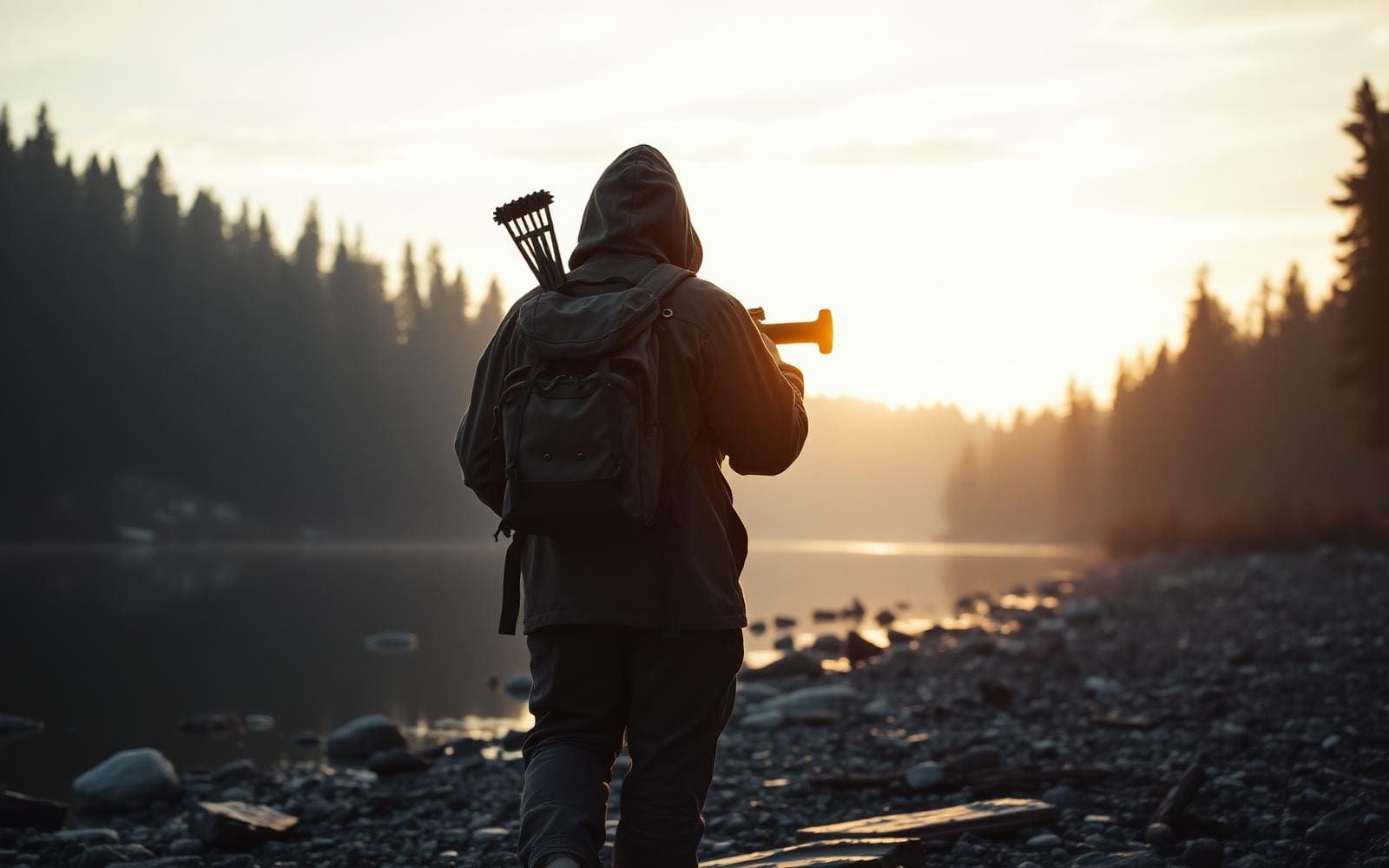
What Happened
Episode 2, titled "Opportunity Cost," continued to track the initial days of Alone Season 11. The central theme explored the strategic choices contestants faced regarding time and energy allocation. With limited daylight and rapidly dwindling energy reserves, participants had to decide between immediate needs like shelter construction and long-term priorities such as establishing reliable food sources through hunting or fishing. This early phase is always critical, as foundational errors in resource management can have cascading effects on morale, physical condition, and ultimately, survival.
Several contestants dedicated significant effort to refining their shelters. This is a common early-game strategy, aiming to establish a secure, weather-resistant base camp before venturing too far or expending too much energy on riskier food acquisition. Others prioritized setting snares or fishing lines, understanding that a consistent calorie intake is the ultimate driver of sustained effort. The synopsis highlights the 'early struggles to secure consistent food sources,' indicating that despite varied approaches, no participant has yet found an easy, reliable food system. This period of uncertainty is where mental fortitude and prior planning are truly tested.
Who Is Under Pressure
Given the synopsis, all contestants are under a degree of pressure, particularly those who have not yet established a sustainable food source. The phrase "early struggles to secure consistent food sources" suggests a broad challenge. Individuals who have heavily invested in shelter without immediate returns from their food efforts will feel this pressure acutely. Their physical energy will be draining faster than it's being replenished, leading to fatigue and potentially impaired decision-making.
Conversely, those who may have prioritized food but are struggling to find it are also in a precarious position. The 'opportunity cost' described in the episode title directly relates to this: every hour spent on one task means an hour not spent on another. A contestant who spent an entire day on an elaborate shelter might now be regretting the lost hunting time if their traps remain empty. Similarly, someone who's spent days fishing without a catch is feeling the pinch of not having a fully optimized shelter for the encroaching cold or rain.
This early stage identifies two groups under increasing pressure: those falling behind on caloric intake and those who are physically exhausted from their early efforts, whether on shelter or food, without significant results to show for it. The mental game of balancing immediate comfort with long-term survival strategy is paramount.
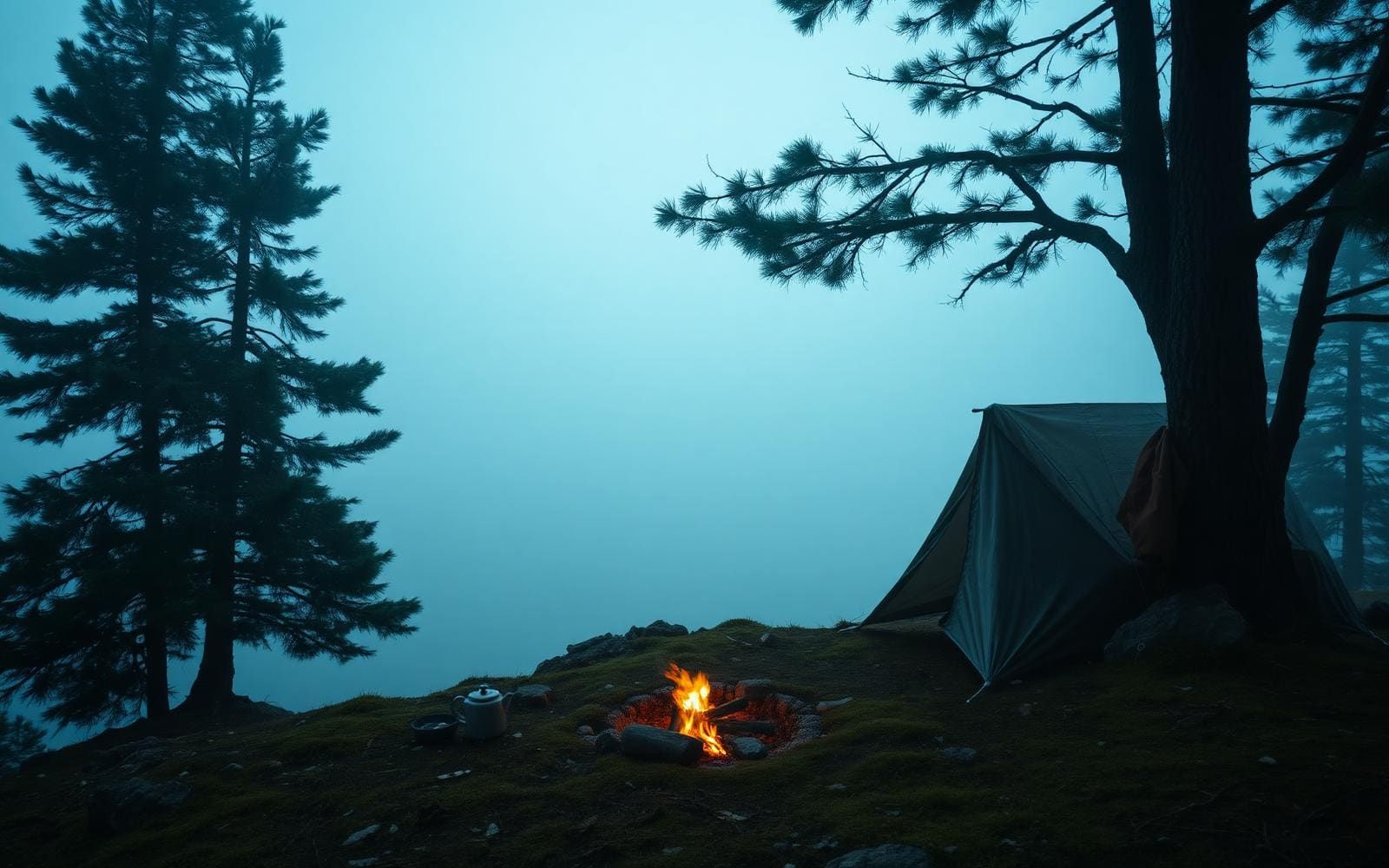
Gear That Mattered
In this episode, the essential tools for both shelter building and food acquisition were prominently featured. Tarps and cordage would have been crucial for rapid shelter deployment, offering initial protection while more robust structures were being built. For those focusing on shelter, axes, saws, and knives were indispensable for felling small trees, processing wood, and shaping materials. The quality and edge retention of these cutting tools directly influence the speed and efficiency of construction.
Regarding food, fishing gear – lines, hooks, and potentially a net – would be making an impact for those targeting aquatic resources. For land-based food, snares, wire, and a sturdy knife for processing game are critical. The durability and versatility of these items dictate a contestant's ability to diversify their food-gathering methods. A quality ferro rod or lighter for fire starting is also vital, not just for cooking but for warmth and morale, especially as energy levels dip.
Backpacks and dry bags are continuously important for keeping essential gear protected and organized, while warm sleeping bags and pads become non-negotiable for conserving energy during cold nights. The cumulative effect of minor gear failures or sub-optimal choices can significantly impact a contestant's ability to perform under duress.
Standings
As of Alone Season 11, Episode 2, all contestants remain in the competition. No eliminations were reported in this episode. The focus remains on their individual efforts to establish themselves in the environment.
Bottom Line
Episode 2 underscored the harsh realities of wilderness survival: every decision carries a significant 'opportunity cost.' The delicate balance between immediate needs and future security is the primary challenge. Early shelter construction provides psychological and physical comfort, but an over-investment without concurrent food acquisition can lead to rapid energy depletion. Conversely, single-mindedly pursuing food without adequate shelter can leave a contestant vulnerable to the elements and impact their ability to rest and recover. The success of each participant hinges on their ability to adapt their strategy, learn from the environment, and make efficient use of their limited resources and energy before the cumulative stress takes its toll. The competition remains fierce as contestants navigate these fundamental tradeoffs.
Build the kit you just watched
Every item below is ranked from field use — no filler, no budget picks.
- The 10 items, rankedWhat actually survives 100 days — our tested picks for every slot on the list.
- Best bushcraft axesThe axe is the highest-leverage pick in the game. Here are the ones worth the weight.
- Best bushcraft knivesEvery winner carried one. These are the fixed blades that hold up to a full season.
- What the winners carriedSeason-by-season loadout analysis of every Alone champion.