


What Happened
Episode 9, titled 'Icebound,' is the episode where the season''s weather finally stops negotiating. Freeze-up locks the shoreline the remaining participants have been leaning on for calories, and the strategies that carried the field through the middle of the season stop paying out overnight. Open water that produced fish for weeks skims over, tidal flats harden, and the daily circuit that used to yield something now yields cold hands and burned calories.
The result is a forced re-plan. Contestants who had built their food strategy around a single reliable method have to develop a second one under a shrinking daylight window, while participants who diversified earlier — traps on land, stored fat, dried fish, cached wood — get to spend their energy on maintenance rather than invention. Every trip away from camp now carries a real thermal cost, and the smart operators are visibly shortening their radius and consolidating tasks into fewer, longer outings.
Shelter stops being a background comfort and becomes the primary system. Heat loss through a thin roof, a gappy door, or a bed built too close to frozen ground is now measurable in sleep quality, and sleep quality is measurable in tomorrow''s decision-making. The episode spends real time on the unglamorous work: chinking, banking snow, rebuilding a bed platform, reworking a reflector wall, moving the fire closer.
Who Is Under Pressure
Pressure concentrates on three profiles. First, anyone still running a calorie deficit with no preserved store — freeze-up removes the option of catching today what you eat today. Second, anyone whose shelter was built for wind and rain rather than sustained cold; those structures are now leaking heat every night and their occupants are waking up short. Third, anyone whose firewood supply was gathered opportunistically rather than stockpiled, because processing wood in deep cold with a dulling edge and dropping blood sugar is a spiral that starts slowly and ends quickly.
The mental picture matters as much as the physical one. This is the stretch of a season where tap-outs stop being about a single catastrophic event and start being about accumulated arithmetic: not enough food, not enough sleep, not enough heat, repeated long enough that the decision makes itself. Several participants say a version of that out loud.
Gear That Mattered
Cutting tools. With freeze-up, wood processing volume goes up sharply. A saw and an axe that hold an edge — and the discipline to maintain them — decide whether a firewood day costs three hours or six. A dull edge in the cold is a caloric tax paid every single day.
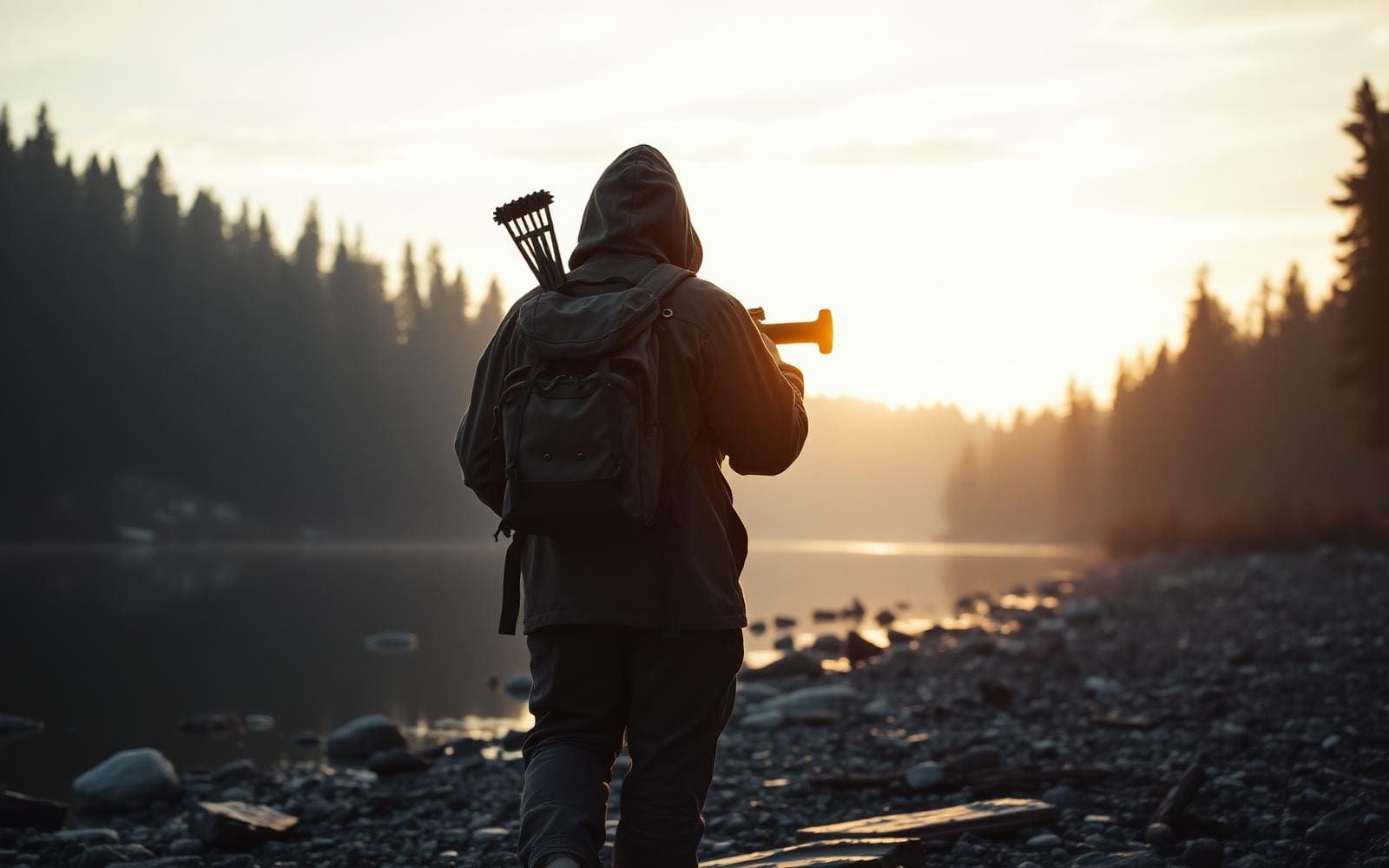
Sleeping system and insulation from the ground. Conduction into frozen ground is the quiet killer of sleep. Raised beds, thick duff or boughs, and a dry layer between body and platform are doing more work at this point in the season than any single piece of manufactured kit.
Cooking pot. Boiling water is now also the thawing system: melting snow, thawing frozen catch, rendering fat, making warm liquid that costs little and returns a lot. A durable pot remains the most quietly valuable item on most lists.
Fire kit and fire discipline. Fire is no longer optional infrastructure. Reliable ignition, a protected tinder supply, and a fire lay that throws heat into the shelter rather than the sky separate the comfortable from the merely surviving.
Cordage and traps. As the water closes, land-based passive food — snares and traps checked on a fixed circuit — becomes the highest-return use of energy, because it earns calories while the operator sleeps.
Standings
The field going into 'Icebound' is the group that has already survived the season''s first attrition wave in episodes 5 through 8. Rather than a single dramatic exit, the picture this week is one of separation: a top tier with food stored, shelter sealed, and wood stacked; a middle tier holding steady but with no buffer; and a bottom tier now spending more energy each day than they take in. That last group is where the next exits come from.
For the running list of who is still in and who has tapped, see the Season 13 hub, which is updated after each episode airs.
Bottom Line
'Icebound' is the pivot from surviving the environment to surviving the season. Freeze-up removes improvisation as a viable strategy — from here forward, the participants who win are the ones who did boring work early: preserved food, sealed shelter, stacked wood, maintained edges. It is the clearest illustration this season of the core Alone equation, which is not about skill highlights but about a calorie and heat budget kept in the black for one more day. With two episodes left, the margin has narrowed to the point where a single bad night can end a run that has lasted months.
Build the kit you just watched
Every item below is ranked from field use — no filler, no budget picks.
- The 10 items, rankedWhat actually survives 100 days — our tested picks for every slot on the list.
- Best bushcraft axesThe axe is the highest-leverage pick in the game. Here are the ones worth the weight.
- Best bushcraft knivesEvery winner carried one. These are the fixed blades that hold up to a full season.
- What the winners carriedSeason-by-season loadout analysis of every Alone champion.