


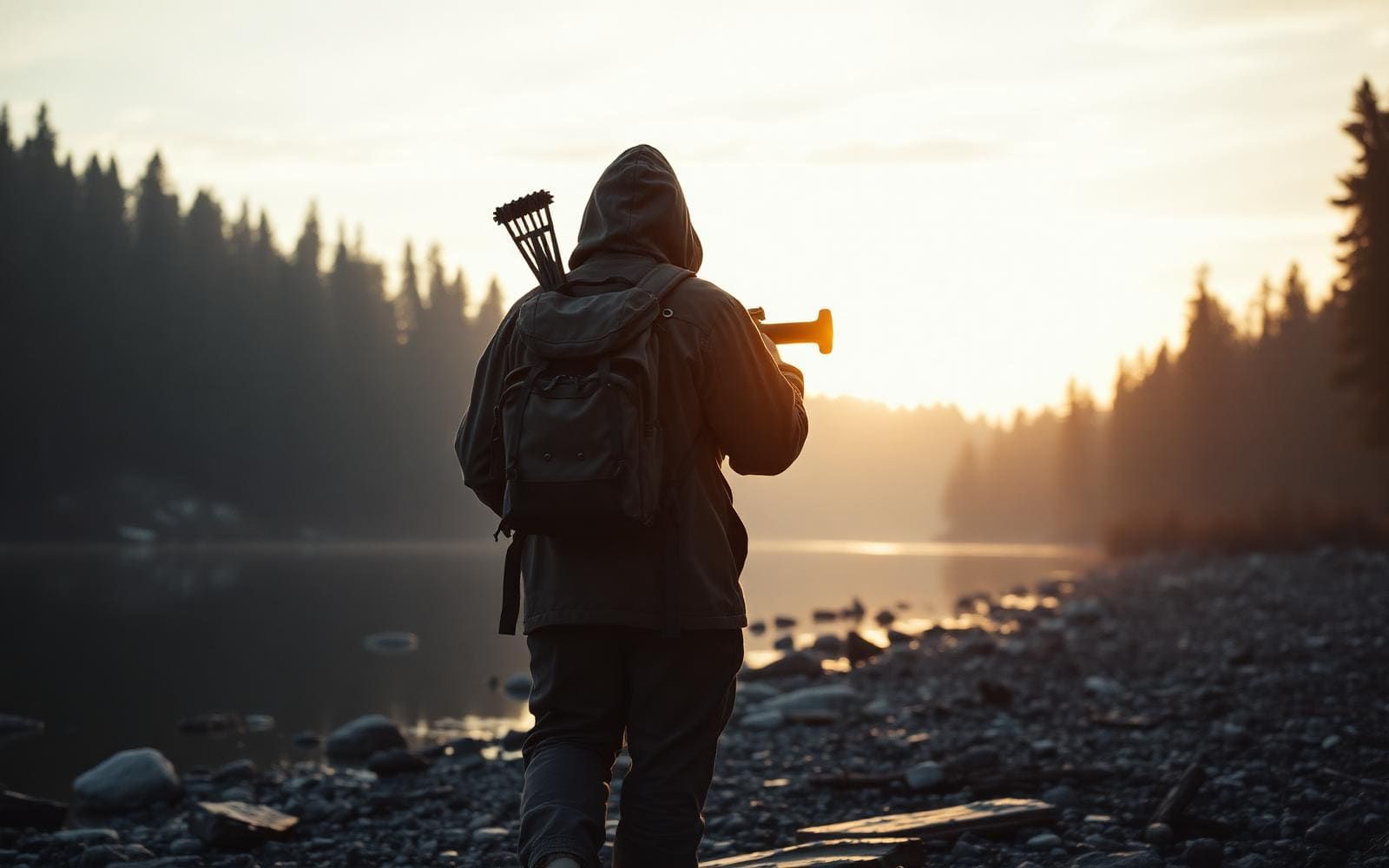
Week one on Vancouver Island is historically where baseline preparedness collides with real environmental resistance. By the seventh and eighth days of an insertion, initial adrenaline has evaporated, early water weight is gone, and the daily grind of staying warm and dry begins to wear down motor coordination. In Episode 2 of Season 2, "The Knife's Edge," that threshold extracted a heavy toll, removing two participants through the cold realities of bush operations: catastrophic mechanical failure of tool safety and the psychological pressure of sharing territory with apex predators.
What happened
The episode tracks the transition from hasty initial shelters into long-term camp routines. Participants are balancing the need for sustainable firewood reserves against the immediate demand for dietary calories along the tidal flats. Coastal foraging in this biome is hard labor; maneuvering over slick, barnacle-encrusted rock shelves consumes significant energy for modest returns in limpets, crabs, and edible sea greens.
For Mary Kate Green, camp infrastructure work took priority. Firewood processing in temperate rainforest conditions requires heavy splitting to access dry inner heartwood. While working with an axe on Day 7, Green suffered a glancing strike or deflected cut that sliced into her hand. The impact resulted in a split tendon—a devastating injury that immediately ended her ability to grip, split wood, or handle basic camp chores. Recognizing the functional loss of the hand and the severe risk of systemic infection in an environment steeped in damp moss and rotting detritus, the production medical team was dispatched for an emergency extraction. Her season concluded on Day 7.
On Day 8, the landscape claimed its second exit of the episode through wildlife pressure. Tracy Wilson had established her camp and was managing the baseline challenges of the coastal wilderness when she experienced a close-quarters confrontation with a black bear. In the dense brush of northern Vancouver Island, line of sight is often limited to a few yards, meaning animal encounters happen suddenly and without warning. The encounter rattled Wilson's operational composure. Assessing the risk of continued proximity to aggressive or curious bears while isolated without firearms, Wilson chose to call for extraction, tapping out on Day 8.
Who is under pressure
The entire remaining cohort is now feeling the squeeze of week two. With two exits occurring within 24 hours of each other, the reality of the island's dual hazards—self-inflicted trauma and predatory wildlife—is front and center.
Physical fatigue is beginning to alter reaction times. In cold, wet environments, core temperature maintenance demands constant caloric expenditure. When food intake is limited to opportunistic tidal foraging, the body burns through glycogen reserves quickly. The first cognitive function to deteriorate under caloric deficit is sustained focus, closely followed by fine and gross motor control. Anyone processing large firewood piles with single-bit or double-bit axes is operating under elevated hazard levels. A routine cut delivered on Day 1 with fresh muscles carries far higher variance by Day 7.
Simultaneously, perimeter security is emerging as a persistent psychological drag. Vancouver Island supports one of the densest black bear populations in North America, alongside healthy cougar numbers. Contestants must secure food scrap trails, maintain active fire pits, and move through dense salal and hemlock thickets with continuous situational awareness. When isolation compounds fear, sleep architecture breaks down, further accelerating physical decline.
Gear that mattered
This episode served as an objective case study in the utility and liabilities of heavy cutting tools.
An axe remains the most efficient bushcraft tool for splitting wet, deadfall timber down to dry core wood, but it carries an unforgiving margin of error. In wet weather, wooden axe handles become slick, gloves lose traction, and cold hands lose tactile feedback. When an axe glances off a wet, knotted round of spruce or cedar, the residual kinetic energy must go somewhere. Standard safety protocols dictate splitting wood on the ground, using a solid chopping block, or working from a kneeling position to ensure a deflected blade buries into the earth rather than the user's lower extremities or off-hand. A slip of an inch can cleanly sever tendons and nerves, requiring complex orthopedic surgery. Green's evacuation underscores why many modern wilderness specialists favor a combination of a reliable folding pull-saw and a sturdy full-tang belt knife for batoning small-to-medium firewood, reserving the axe only for heavy-felling tasks.
On the deterrent front, bear spray and noise-making tools are critical life-safety items. Standard operational doctrine in bear country calls for keeping deterrents directly on the hip, not leaned against a shelter log or packed away in a rucksack. However, deterrent tools only work if the participant possesses the mental fortitude to stand ground, deploy them, and continue living within the animal's territory. Non-lethal tools provide defense during an active charge, but they do not eliminate the psychological weight of knowing a 400-pound predator has your campsite mapped into its daily foraging loop.
Finally, the yellow emergency satellite transponders functioned as intended. When Green's tendon was severed, the device converted what could have been a life-threatening, septic emergency into a managed evacuation within hours. In solo survival, your communication kit is just as essential as your cutting edge.
Standings
Two participants were removed from the field in Episode 2:
- Mary Kate Green: Medically evacuated on Day 7 due to a severe axe laceration involving a split tendon in her hand.
- Tracy Wilson: Tapped out on Day 8 following a high-stress close encounter with a bear.
Eight participants remain active on the northern coast of Vancouver Island as the competition approaches the double-digit day mark.
Bottom line
Surviving alone in temperate rainforest does not allow for a lapse in tool discipline or psychological stability. Mary Kate Green was taken out by a fraction of a second of compromised mechanics; Tracy Wilson was taken out by the mental reality of occupying an active apex predator corridor. As Season 2 progresses into its second week, those who survive will be the ones who respect the kinetic danger of their tools and maintain their nerve in the dark.
Build the kit you just watched
Every item below is ranked from field use — no filler, no budget picks.
- The 10 items, rankedWhat actually survives 100 days — our tested picks for every slot on the list.
- Best bushcraft axesThe axe is the highest-leverage pick in the game. Here are the ones worth the weight.
- Best bushcraft knivesEvery winner carried one. These are the fixed blades that hold up to a full season.
- What the winners carriedSeason-by-season loadout analysis of every Alone champion.