


What Happened
By the third episode of Season 2, the initial adrenaline of insertion on northern Vancouver Island has burned off completely. The remaining seven participants now find themselves locked into the grinding routine of primitive living, where mental discipline is tested just as rigorously as physical technique.
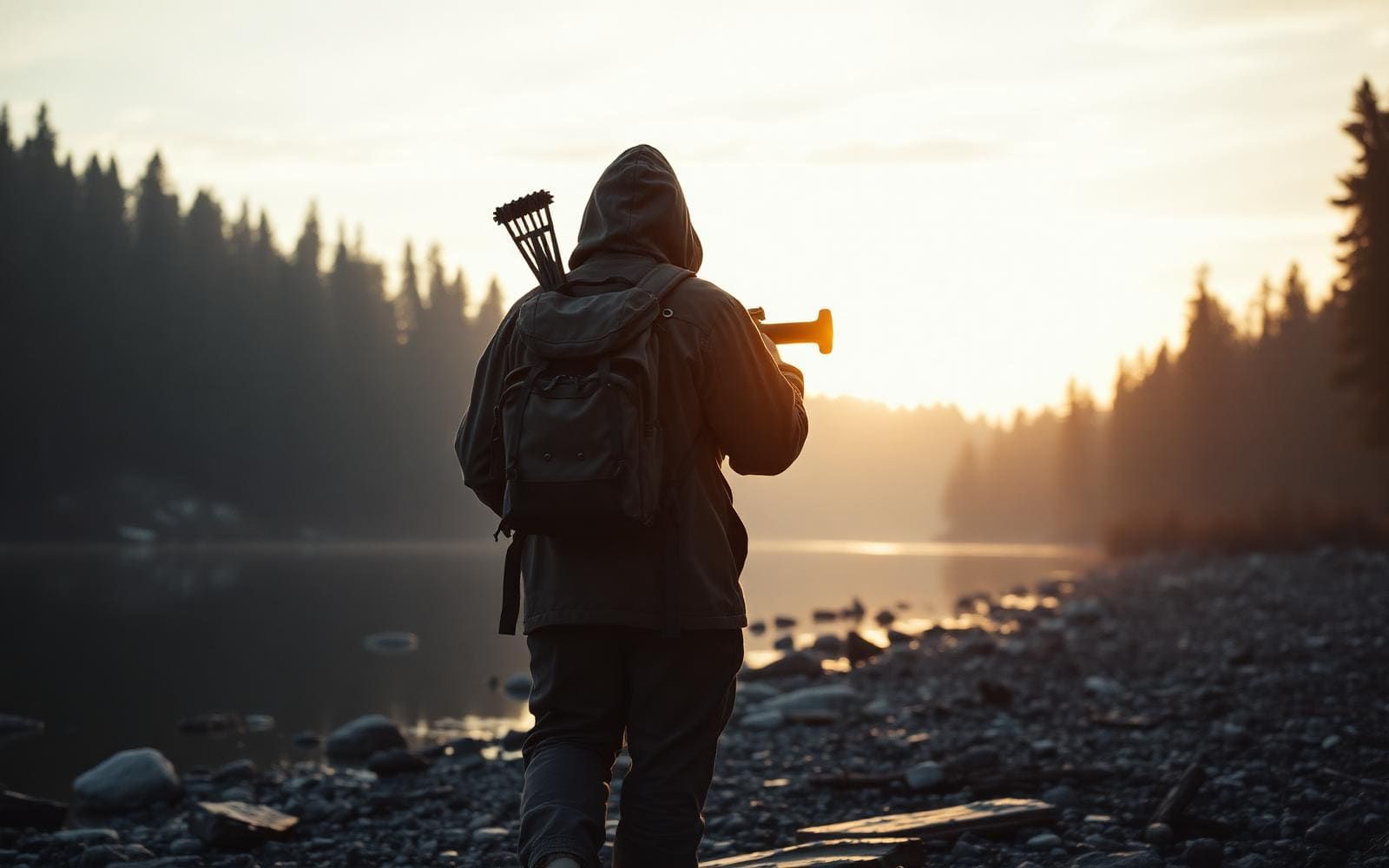
Episode 3, titled "The Beasts of the Night," pivots around the psychological toll of the dark. Coastal British Columbia holds dense populations of apex predators, specifically gray wolves, cougars, and black bears. During daylight hours, dense salal undergrowth, tidal mudflats, and towering western hemlock define the field of view. At night, that operational radius collapses to the edge of a campfire or the perimeter of a shelter tarp. Sound travels with unnatural clarity through wet temperate rainforests. Every cracking branch, territorial vocalization, or heavy footstep in the brush demands cognitive processing from an already depleted mind.
Faced with nocturnal visitors and an unsettled perimeter, the participants spent their daylight hours attempting to stabilize their calorie pipelines. Foraging along coastal shorelines offers limpets, crabs, and periwinkles, but the return on investment is thin. Sustainable tenure in this biome demands higher-yield protein. Work focused on improving fishing tackle, deploying passive sets, and troubleshooting trap lines. However, when night falls and unbroken sleep becomes impossible due to fear, fine motor control and risk assessment during the day quickly deteriorate.
Who Is Under Pressure
All seven remaining participants are operating under severe pressure, driven by the compounding effects of chronic sleep deprivation and metabolic deficit.
Survival television often highlights dramatic animal encounters, but the physiological reality is that fatigue does the real damage. When ambient predator sounds keep an individual awake for hours inside a small bivy or debris hut, the nervous system remains in a sustained sympathetic state. Elevated cortisol suppresses appetite, accelerates muscle catabolism, and destroys morale. In a solitary environment, an unsettled mind has no external check. Without a partner to confirm whether a sound is an eighty-pound cougar or a field mouse rustling dry ferns, the imagination tends toward catastrophic scenarios.
Furthermore, passive food procurement is not yielding easy success. Trapping coastal small game requires precise sign identification, scent masking, and mechanical calibration of triggers. If mink or rodents are bypassing deadfalls without tripping triggers, or if coastal tides are washing out fishing lines, the participant must spend precious calories diagnosing the failure. Every day spent troubleshooting gear without taking in clean animal fat or protein narrows the margin for error.
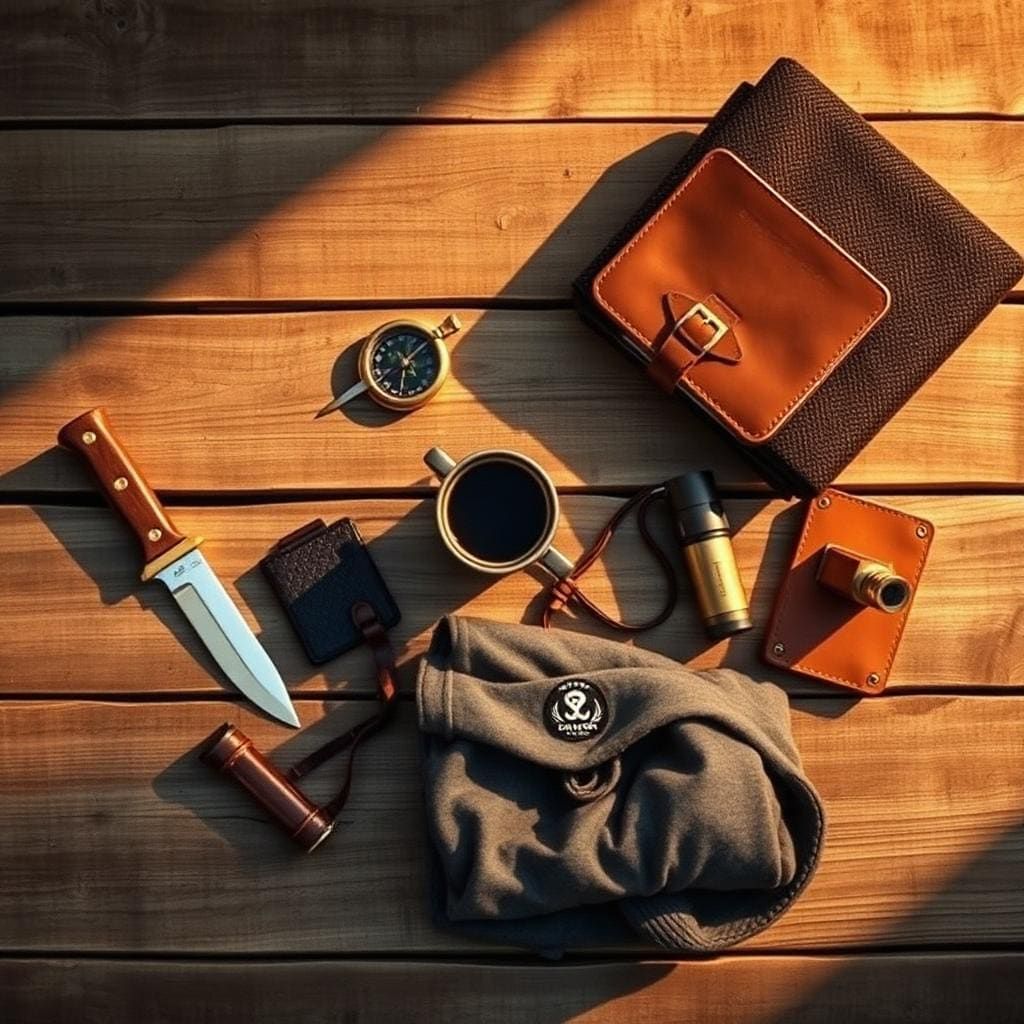
Gear That Mattered
The survival kits chosen by participants in Season 2 continue to define their tactical limits. In an episode dominated by nocturnal anxiety and food procurement improvements, several core equipment categories proved critical.
Ferrocerium Rods and Fire Management
Fire serves as the primary psychological anchor against the dark and the most effective deterrent against curious predators. A standard 1/2-inch by 5-inch ferrocerium rod produces sparks up to 3,000 degrees Celsius, which is essential given that Vancouver Island timber is perpetually damp. Participants who set up reliable hearth designs—using reflective rock or wood backdrops to bounce heat and light into the shelter—hold a distinct advantage. A well-banked bed of coals allows rapid rekindling when an unknown noise breaks the perimeter at 03:00, saving matches or critical time blowing tinder into flame.
Cordage, Monofilament, and Trotlines
The transition to reliable fishing methods relies heavily on cordage. Whether using factory-supplied 550 paracord with its seven inner strands, braided bank line, or commercial monofilament, gear durability is tested constantly by abrasive barnacle-encrusted rocks and heavy tidal currents. A handline or fixed trotline left out overnight must withstand significant pull without snapping. Rigging an effective passive fishing line also requires counterweights, swivels, and secure anchor points, demanding solid knot work under cold, wet conditions.
Cutting Tools: Axes, Saws, and Fixed Blades
Modifying traps and clearing sightlines around camp requires efficient woodcraft. Small folding saws excel at clean, silent cuts on small-diameter deadfall sticks for Paiute deadfalls or figure-four triggers, where jagged edges introduce unwanted friction. Heavier forest axes are necessary for limbing perimeter deadfall to eliminate predatory hiding spots within striking distance of the sleeping bay. Every swing of an axe burns calories; using a sharp, well-maintained tool minimizes energy expenditure while keeping camp structurally secure.
Tarps and Bivy Systems
A waterproof shelter is not merely about staying dry; it dictates thermal efficiency. Heavy-duty poly tarps and silnylon covers take repeated beatings from Pacific winds and rainfall. A tarp pitched too high catches drafts and leaves the occupant feeling exposed to the treeline; a tarp pitched too low restricts situational awareness, preventing the occupant from seeing out into the camp zone when investigating noises. Finding the right compromise between wind shedding, water runoff, and line of sight is an ongoing engineering challenge.
Standings
Seven participants remain active in the field as of this episode. No eliminations or medical evacuations occurred during this broadcast window.
- Active Participants: 7
- Taps / Eliminations in this episode: 0
- Total Eliminations to Date: 3
The attrition curve of Alone typically features an early wave of shock-induced departures, followed by a middle phase where remaining contestants attempt to settle into long-term infrastructure. Season 2 has now entered that intermediate plateau. The field is trimmed to individuals with the foundational skills to survive the first week, but the real filter—systemic starvation combined with mental isolation—is beginning to engage.
Bottom Line
Wilderness survival is rarely won through bravado; it is won through metabolic efficiency and psychological containment. As Episode 3 demonstrates, night on Vancouver Island operates as an aggressive psychological tax. Hearing predators move through the bush outside your shelter is an inherent reality of living in an apex predator habitat without an electrified perimeter or high-powered rifle.
The participants who will outlast the field are not necessarily the ones who build the most elaborate traps, but those who can manage their heart rate in the dark, maintain clean food caches away from their sleeping areas, and adapt their procurement strategies calmly as previous setups fail. With seven contestants still standing, the competition is transitioning from basic wilderness living into a protracted war of attrition. Those who cannot sleep will not hunt effectively, and those who do not hunt will not stay on Vancouver Island.
Build the kit you just watched
Every item below is ranked from field use — no filler, no budget picks.
- The 10 items, rankedWhat actually survives 100 days — our tested picks for every slot on the list.
- Best bushcraft axesThe axe is the highest-leverage pick in the game. Here are the ones worth the weight.
- Best bushcraft knivesEvery winner carried one. These are the fixed blades that hold up to a full season.
- What the winners carriedSeason-by-season loadout analysis of every Alone champion.