



Alone (US) · Seasons 1, 2 & 4
Northern Vancouver Island
Cold Pacific rainforest — thousand-year cedars, wind-scoured headlands, and salt water that never quite lets you dry out.
British Columbia, Canada
Where on earth
Satellite imagery flying in from a world view to Northern Vancouver Island, British Columbia, Canada. Use the + / − buttons, or click the map to zoom with your scroll wheel; drag to pan and pinch to zoom on touch.
- Region
- British Columbia, Canada
- Biome
- Coastal temperate rainforest
- Canoeing
- Kayaking
- Fishing
- Winter Camping
- Skiing
- Sea Kayaking
- Beachcombing
- Surfing
Key takeaways
- Biome: Coastal temperate rainforest
- Biome
- Coastal temperate rainforest
- Rainfall
- 3,000–6,000 mm / year
- Winter lows
- -5 to 5 °C
- Key food
- Intertidal, salmon, deer
- Big predators
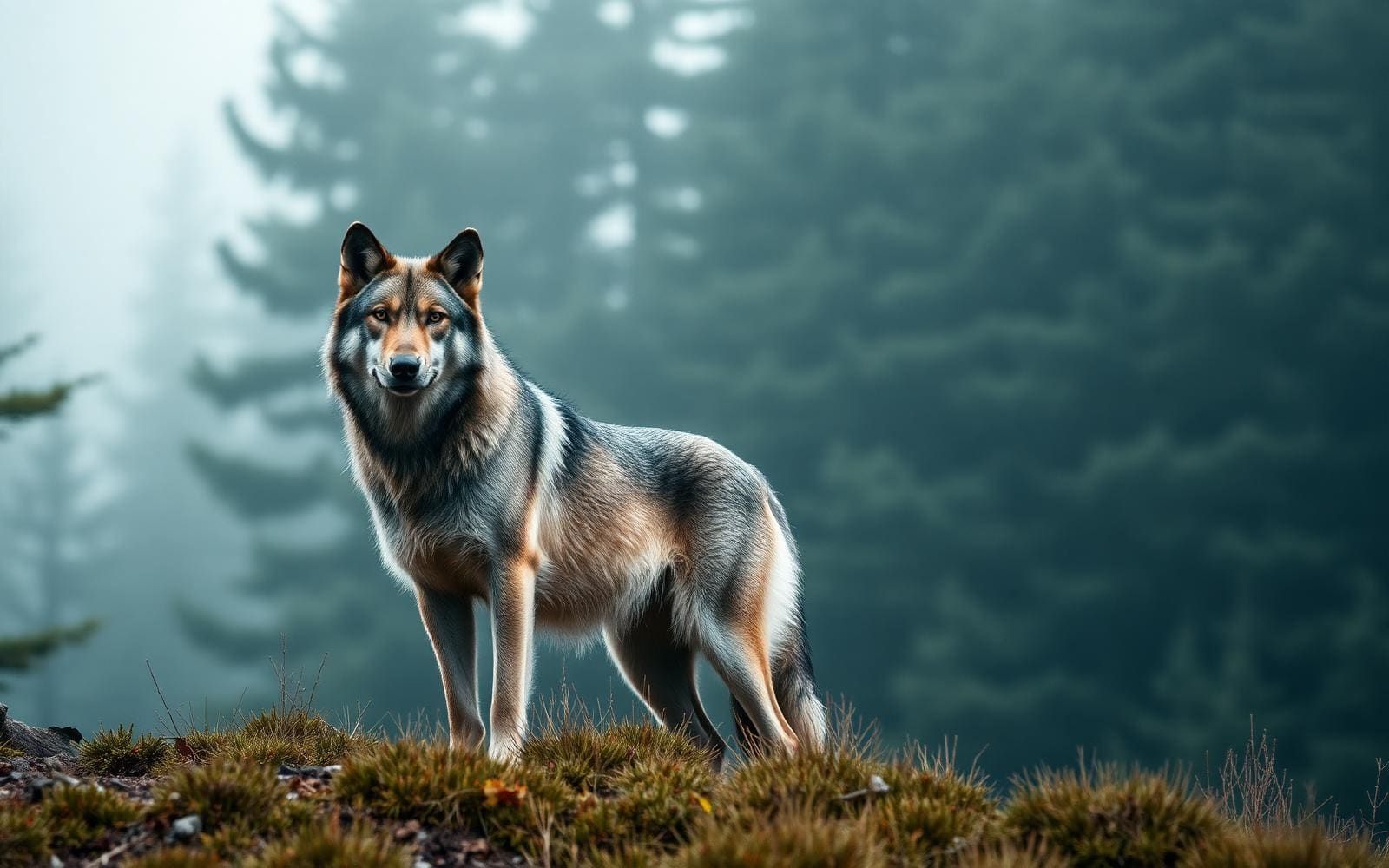
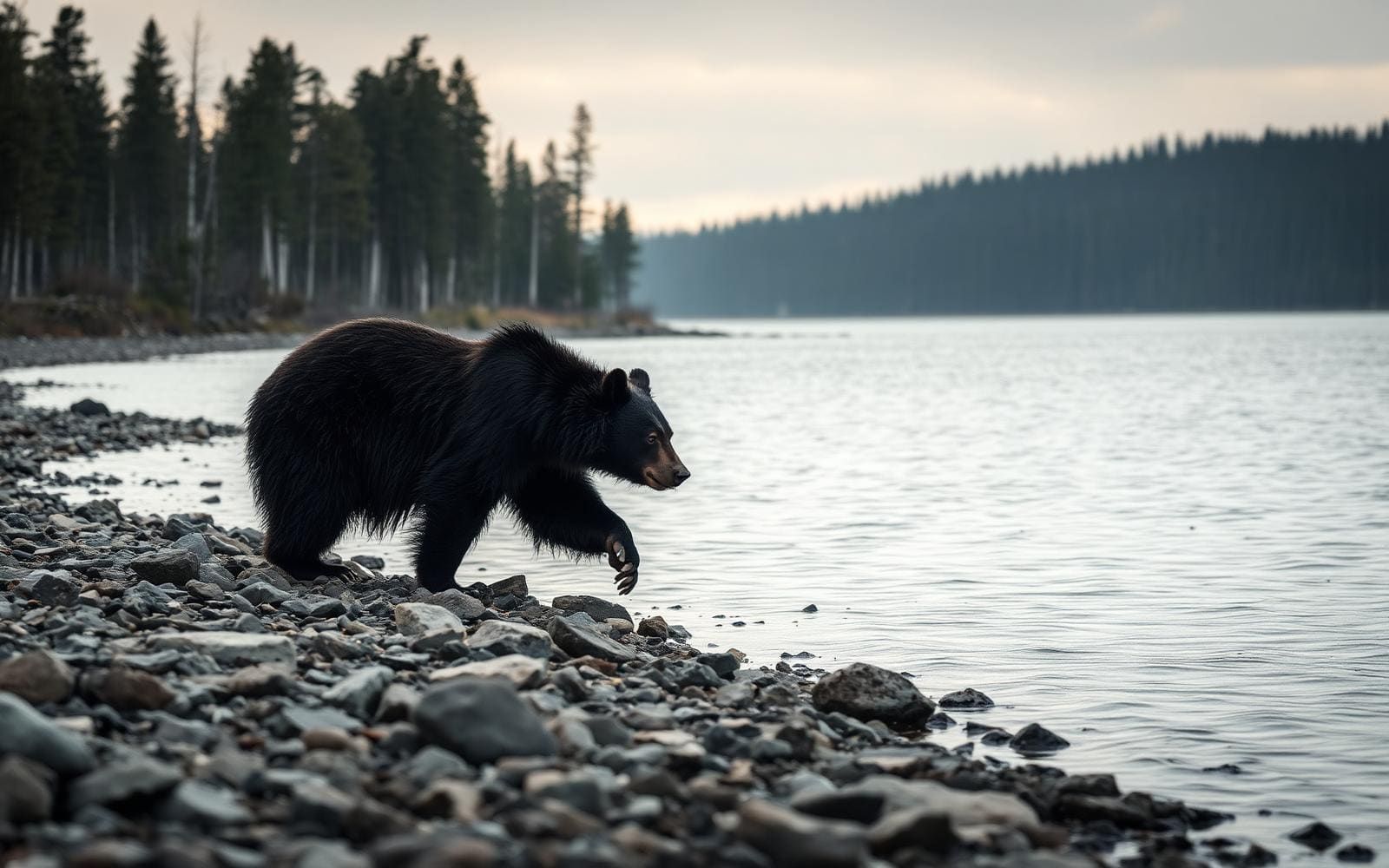
- Black bear, cougar, wolf
Topic summary
Cold Pacific rainforest — thousand-year cedars, wind-scoured headlands, and salt water that never quite lets you dry out. The north end of Vancouver Island is a wet, wind-driven maze of headlands, coves, and rainforest running straight to the water. Old-growth cedar and Sitka spruce hold up a moss-heavy canopy; the ground beneath is a tangl
Key takeaways
- Biome: Coastal temperate rainforest
- Rainfall: 3,000–6,000 mm / year
- Winter lows: -5 to 5 °C
- Key food: Intertidal, salmon, deer
- Big predators: Black bear, cougar, wolf
Intended uses
Alone (US) Seasons 1, 2 & 4 filming location background
Climate suitability
Coastal temperate rainforest
Verification notes
Compiled from published show records, regional agencies, and topographical / satellite imagery. Region: British Columbia, Canada. Coordinates: 50.720, -127.490.
The country
The north end of Vancouver Island is a wet, wind-driven maze of headlands, coves, and rainforest running straight to the water. Old-growth cedar and Sitka spruce hold up a moss-heavy canopy; the ground beneath is a tangle of salal, deadfall, and blow-down. Weather rolls off the Pacific in bands — sun for an hour, then a wall of rain — and everything organic stays wet.
Why the show came here
It's one of the few places in North America where a shore-based camp can feed itself entirely from the beach. Tide pools, mussel beds, and salmon streams stack calories fast, while the forest supplies fuel, shelter material, and freshwater. That density is why Seasons 1, 2, and 4 all filmed here — and why so many participants tapped out from wet cold, not hunger.
Planner-relevant notes
Rain shell and vapor management dominate every clothing decision. Fire lives or dies on split standing-dead cedar and prepared fatwood — surface wood is soaked. Shelter needs true rain-shed geometry (steep pitch, generous drip line), not just cover.
Top experiences
Beyond the coast walk, the classic experiences are the Cape Scott Provincial Park headland trail, the North Coast Trail (58 km, 5–7 days), sea-kayaking the Broughton Archipelago, and grizzly viewing on the Klinaklini estuary. Steelhead and Chinook fisheries run the Nimpkish and Marble rivers.
Planning essentials
Access is via Port Hardy at road-end (7 hours north of Nanaimo). Wet through summer — pack for rain even in July. Cougar and wolf encounters are common enough that solo hikers should carry noise and bear spray. Provincial park backcountry is free and unpermitted, but fires may be banned in dry August.
Field notes
- Salt spray corrodes carbon steel fast — oil your knife nightly.
- Bears here are habituated to salmon streams; don't camp on a fish trail.
- Fresh water is everywhere but often tannic; a filter beats a boil for taste.
- The 'sunbreak' pattern is the classic west-coast weather: 3 rain days, 1 sun day, repeat.
- Water is heavily tannic — a squeeze filter clogs fast; carry a spare or use chemical backup.
Frequently asked about Northern Vancouver Island
- Where was Alone (US) Seasons 1, 2 & 4 filmed?
- Northern Vancouver Island is in British Columbia, Canada. Cold Pacific rainforest — thousand-year cedars, wind-scoured headlands, and salt water that never quite lets you dry out.
- What is the climate like at Northern Vancouver Island?
- Coastal temperate rainforest. The north end of Vancouver Island is a wet, wind-driven maze of headlands, coves, and rainforest running straight to the water. Old-growth cedar and Sitka spruce hold up a moss-heavy canopy; the ground beneath is a tangl
- Can you visit the Alone (US) Seasons 1, 2 & 4 filming site?
- Exact drop points are on public land or private timber leases and are not published, but the general area around Northern Vancouver Island is accessible with permits, guides, or self-supported trips.
Build a ten for Northern Vancouver Island
Assemble your own 10-item Alone loadout tuned to this biome — cold, wet, and food strategy already scoped.
Open the builderShelter that suits this terrain
Browse shelter builds and site-selection guides matched to conditions like the ones here.
Wildlife
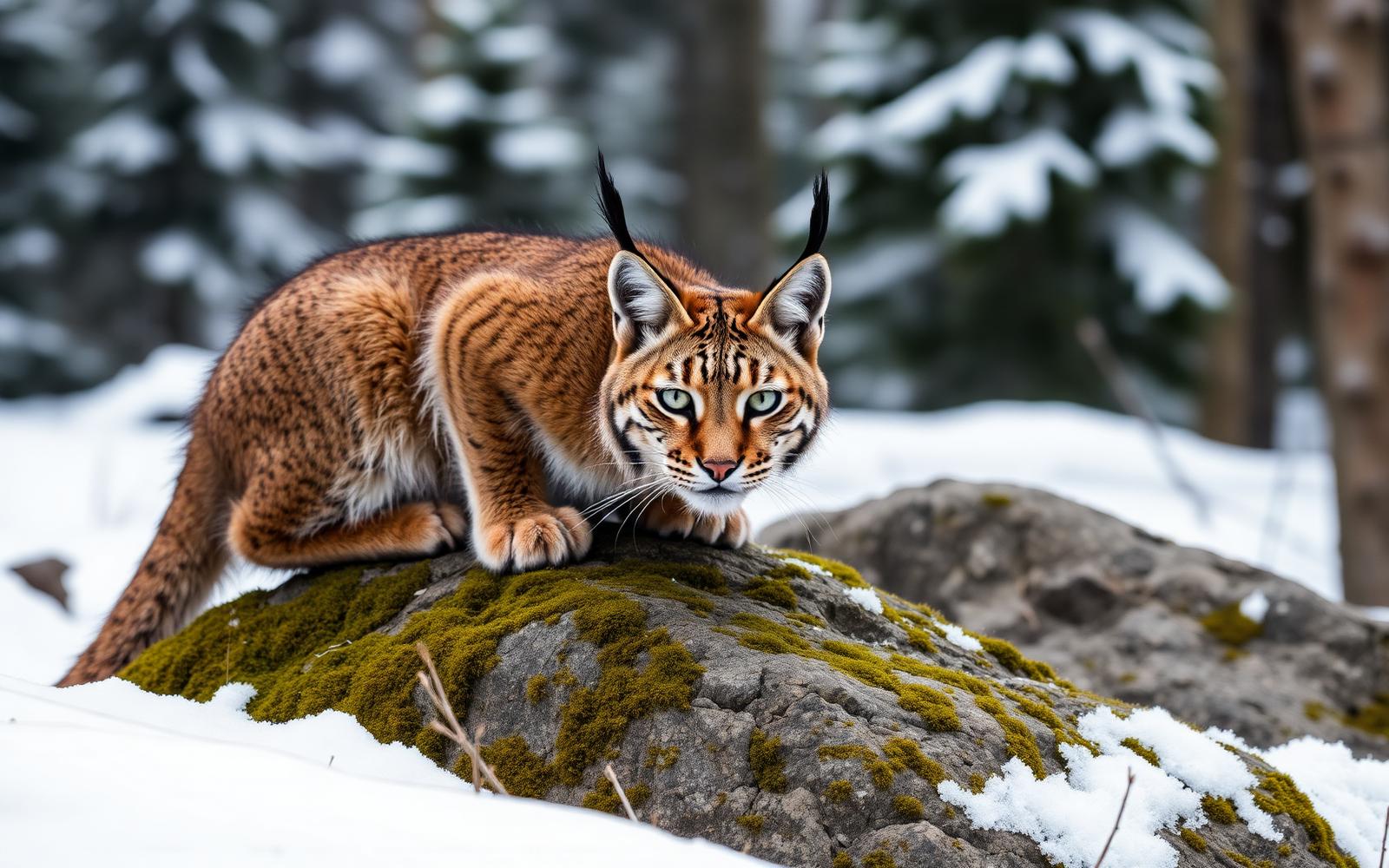
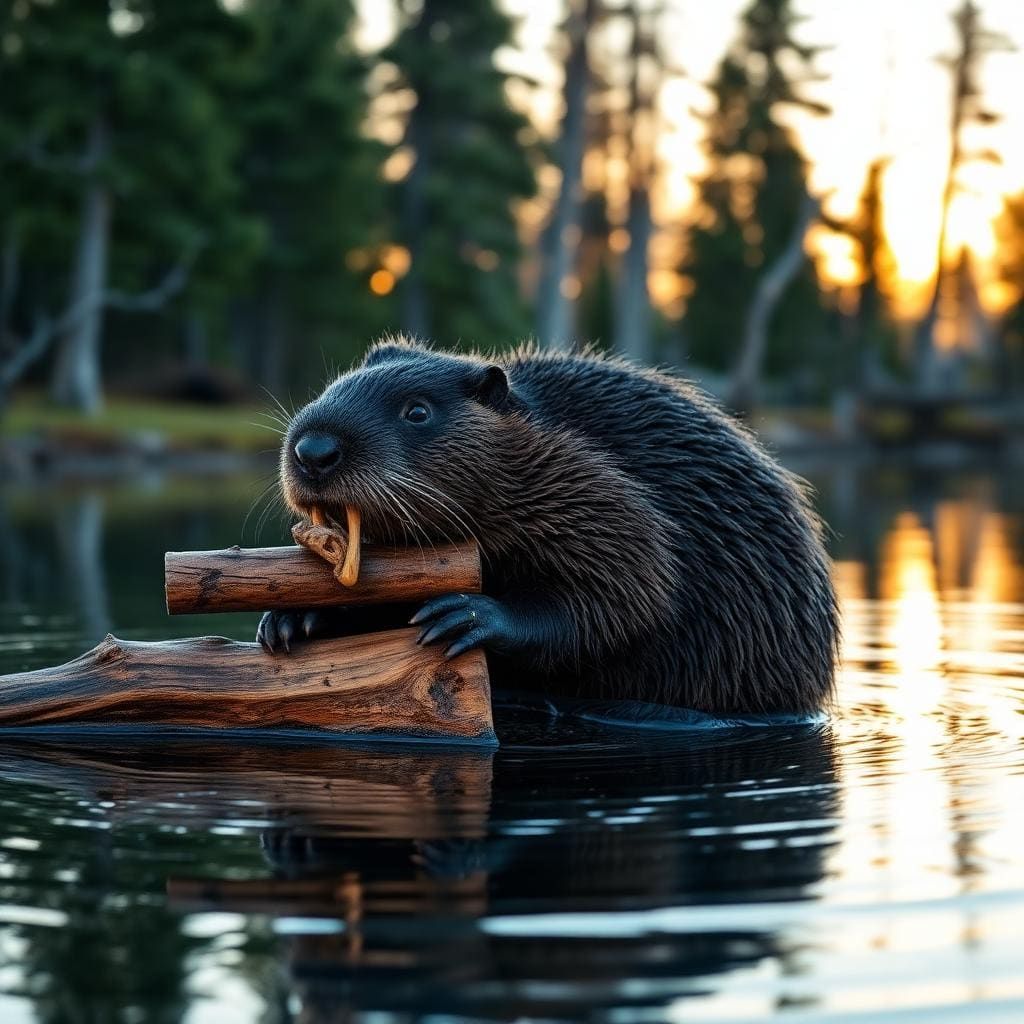
Wildlife found around Northern Vancouver Island
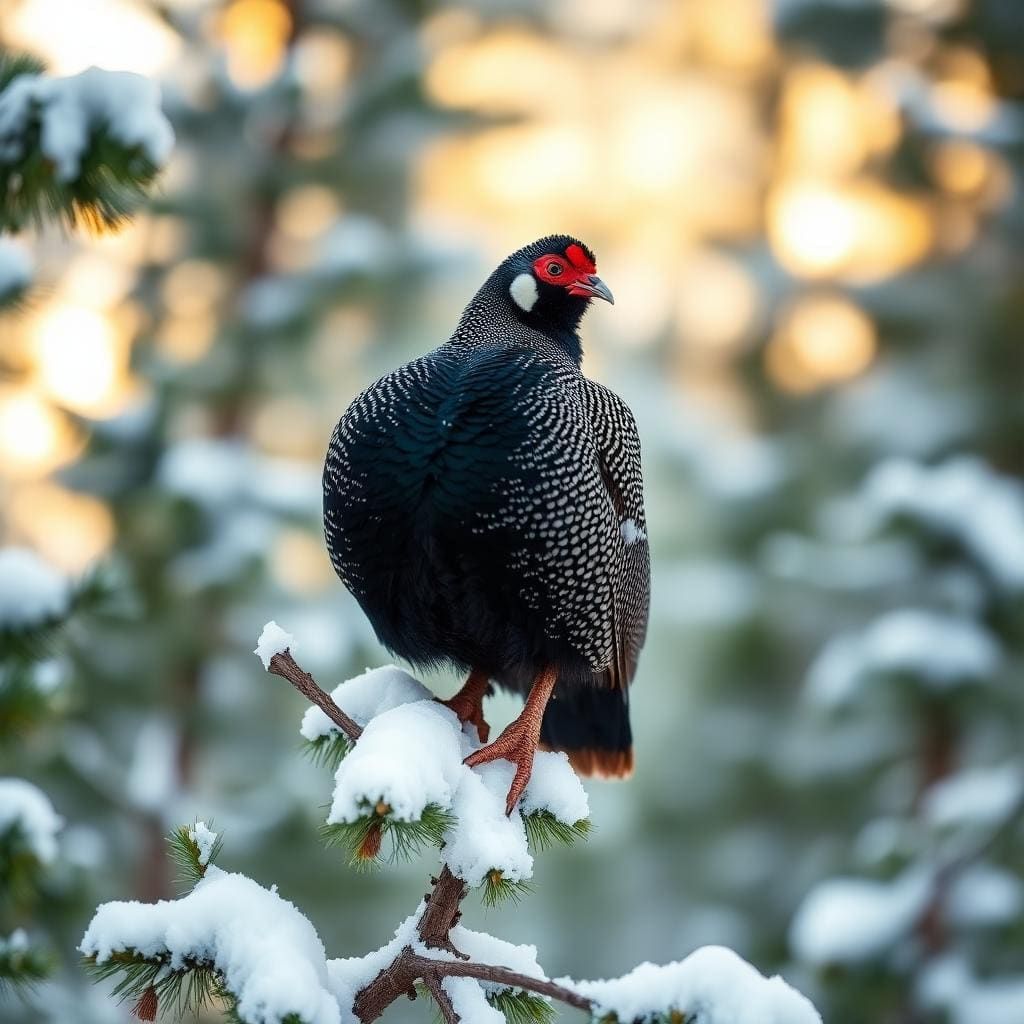
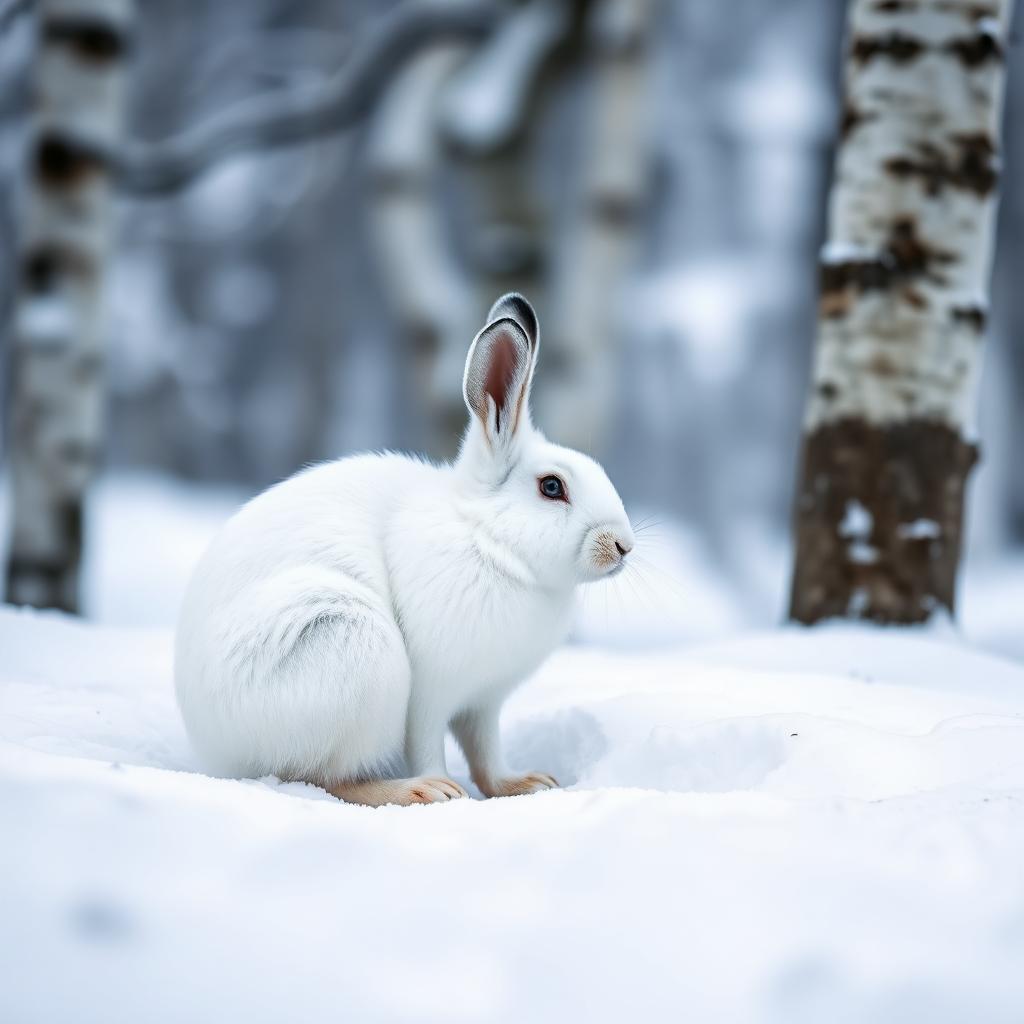
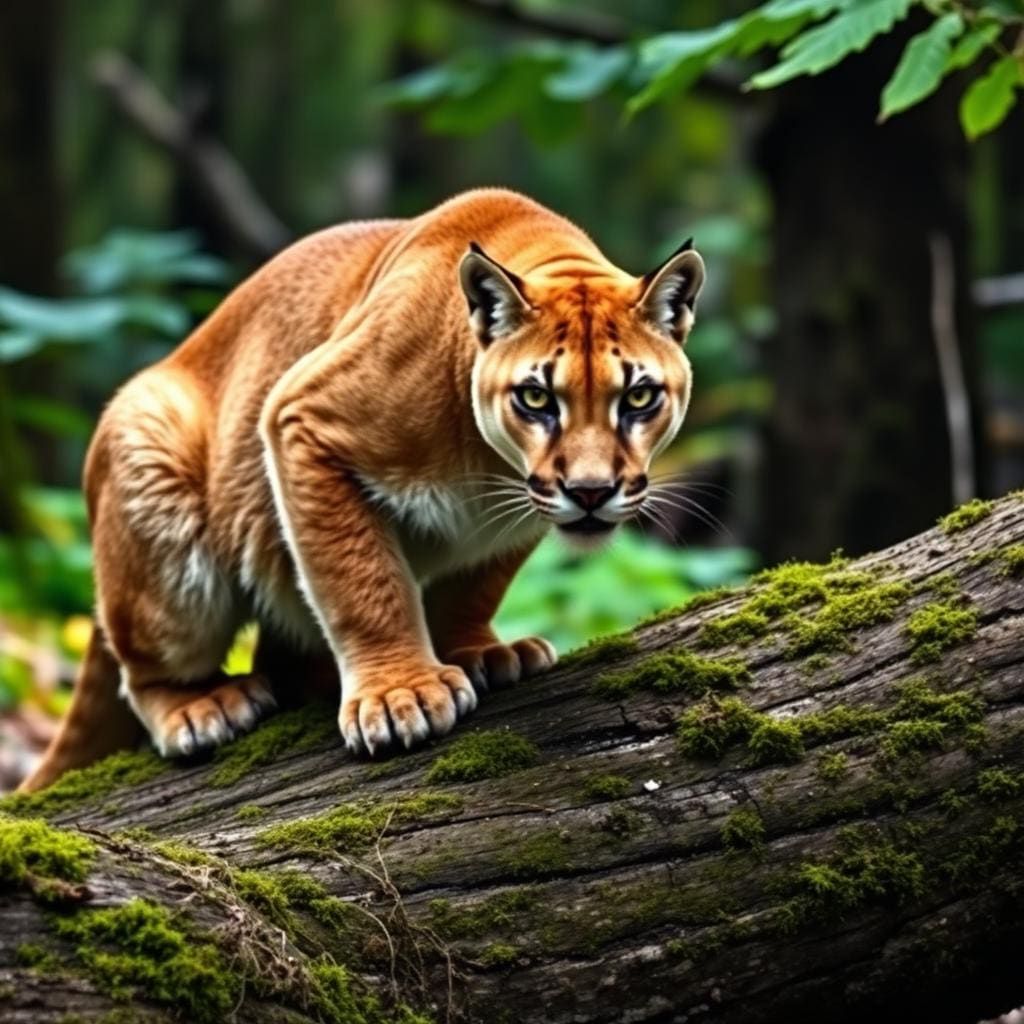
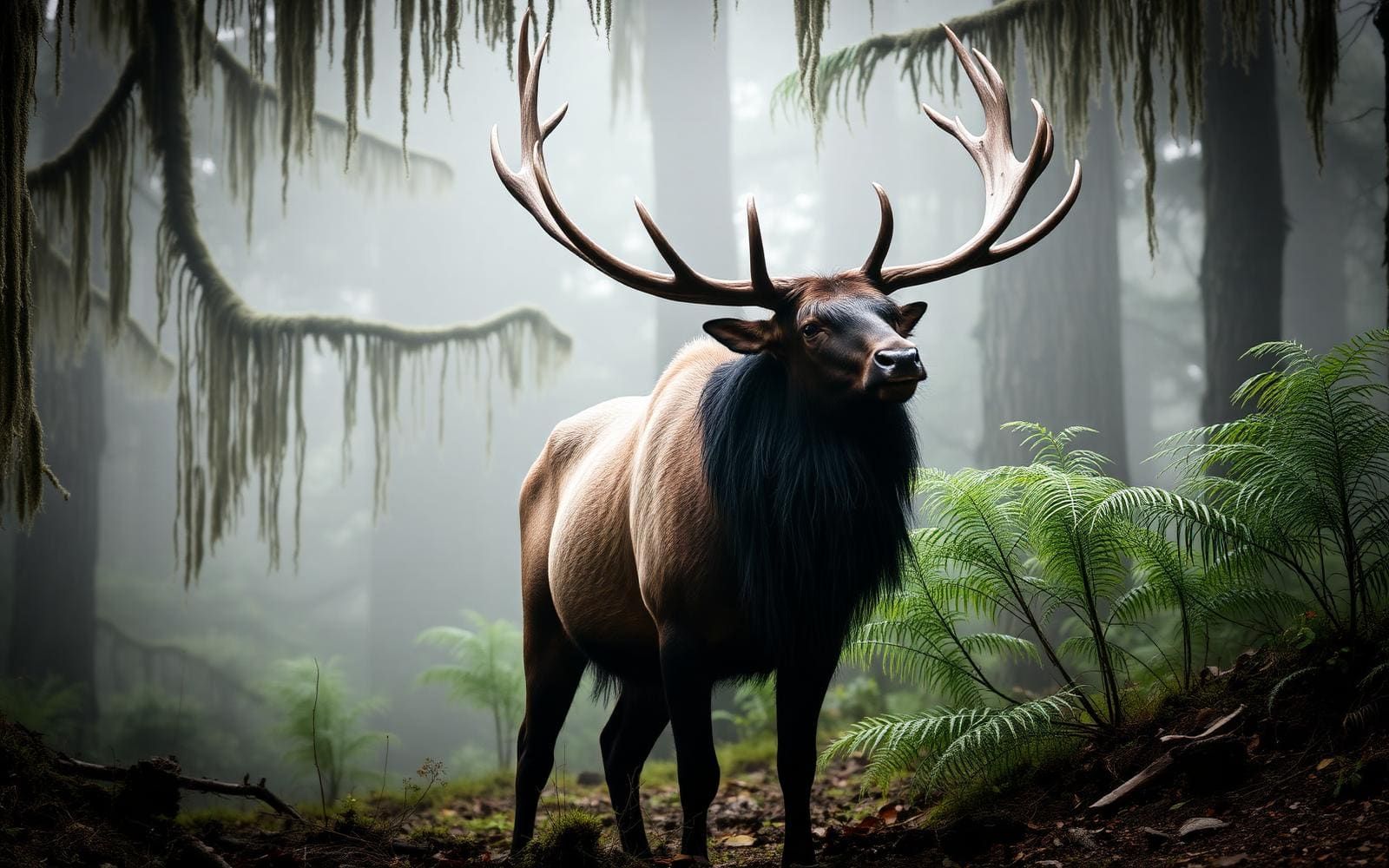
Same ground, different cast
Seasons filmed at Northern Vancouver Island
Compare how contestants adapted their loadouts to the same terrain in different years.
- Alone Season 1
Northern Vancouver Island2015 Alan Kay
- Alone Season 2
Northern Vancouver Island2015 David McIntyre
- Alone Season 4
Northern Vancouver Island2017 Jim & Ted Baird
The gear behind what you just read
Ranked lists for the exact categories that decide a season.
- Top 10 Winter JacketsDown parkas, synthetic belay pieces, and heavy wool coats for real cold.See the ranking
- Top 10 Merino Wool Base LayersNext-to-skin wool that works in real cold, real heat, and days between washes.See the ranking
- Top 10 Three-Season Sleeping BagsDown and synthetic bags that cover the honest 20°F–40°F working range.See the ranking
- Top 10 Winter Camping LocationsCold-country trips built around snow, ice, and quiet skies.See the ranking
- Best Cold-Weather HatsWool watch caps, ushankas, and windproof beanies for real winter.See the ranking