


What Happened
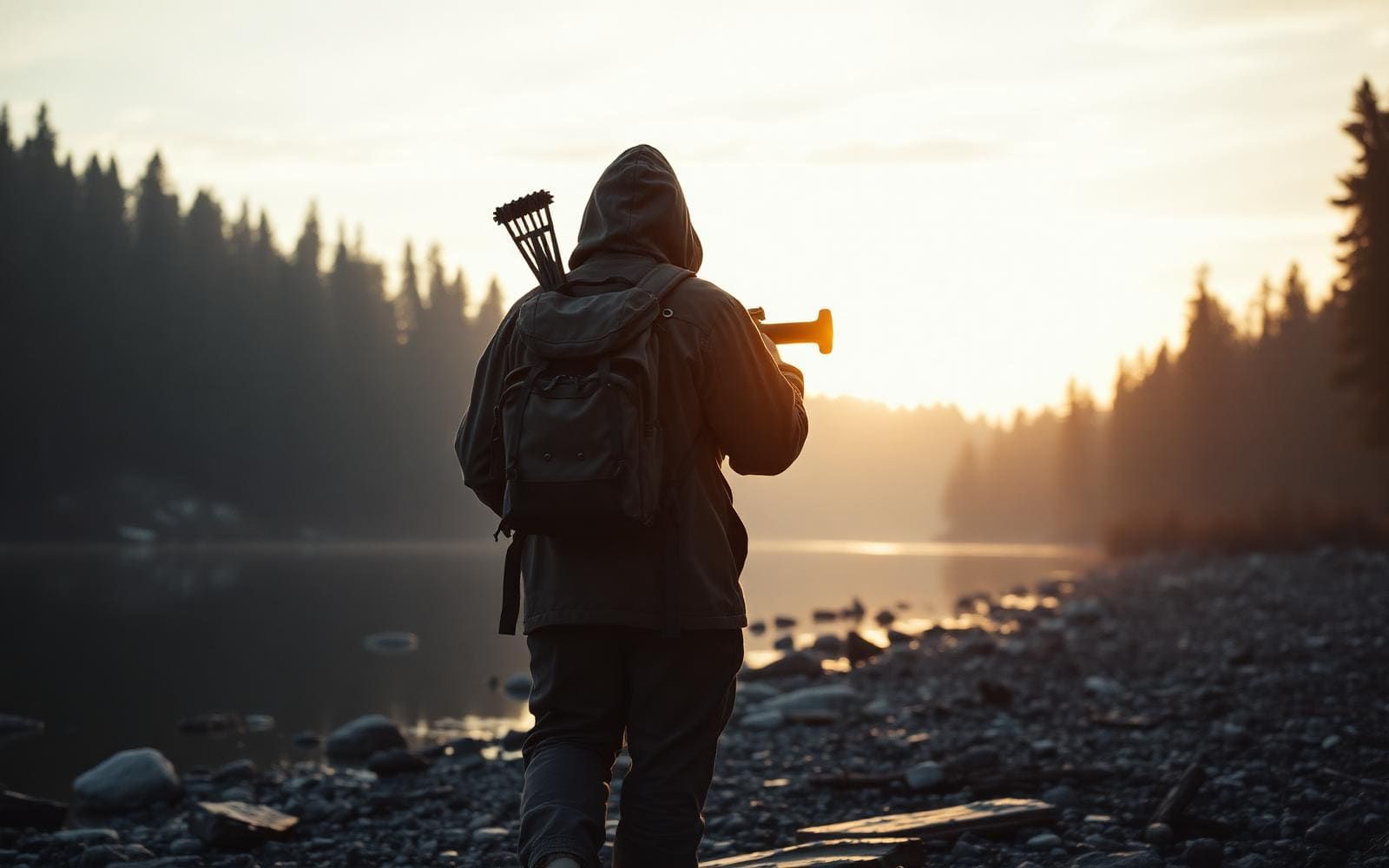
By the time an Alone season reaches its eighth episode, the nature of the contest fundamentally shifts. The early phase—clearing sites, assembling semi-permanent shelters, and testing local intertidal forage—is long finished. Episode 8, titled "The Ascent," captures the brutal transitional phase where the immediate margins of the shoreline cease to provide enough fuel to offset daily baseline metabolic burn.
Faced with diminishing returns along the rocky tidal flats of northern Vancouver Island, the remaining contestants are forced to make a strategic gamble: push upward and inland into rougher, higher-elevation terrain in search of untapped food resources. On paper, moving away from picked-over shoreline makes sense if it opens access to fresh game corridors, upland berry patches, or new freshwater pools. In practice, northern Vancouver Island’s temperate rainforest does not yield easy passage. The terrain is an obstacle course of slippery deadfall, dense salal underbrush, saturated moss shelves, and steep vertical rises.
Every vertical meter gained under these conditions demands an astronomical expenditure of energy. The physical reality of late-stage survival is dictated by simple thermodynamics: calories spent must be less than calories recovered. Moving inland carries a massive energetic toll. Contestants already operating under severe, weeks-long caloric deficits find that walking through thick brush accelerates muscular fatigue, compromises fine motor control, and heightens the likelihood of a catastrophic slip or joint injury.
Who Is Under Pressure
At this stage of the competition, every remaining participant is feeling the compounding squeeze of starvation. Weight loss is no longer an invisible metric; it shows in hollowed cheeks, loose-fitting outer layers, and sluggish physical movements. Carrying heavy camera kits across flat gravel is exhausting enough; hauling them up vertical inclines transforms every movement into an operational risk.
Contestants are trapped between two distinct modes of failure. The first is passive starvation: remaining in camp, keeping energy expenditure close to zero, and watching physical reserves slowly waste away while hoping competitors drop out first. The second is active exhaustion: burning thousands of calories pushing into the backcountry on the speculative promise of meat or heavy forage.
When a survivalist chooses active movement, the psychological pressure spikes. A failed hunt or an empty forage run up the mountain is not just a disappointment; it is a permanent metabolic withdrawal from a bank account that cannot be replenished. As fatigue accumulates, cognitive function degrades. Decision-making becomes clouded, risk tolerance swings erratically, and minor frustrations that would be shrugged off on Day 5 feel insurmountable.
Gear That Mattered
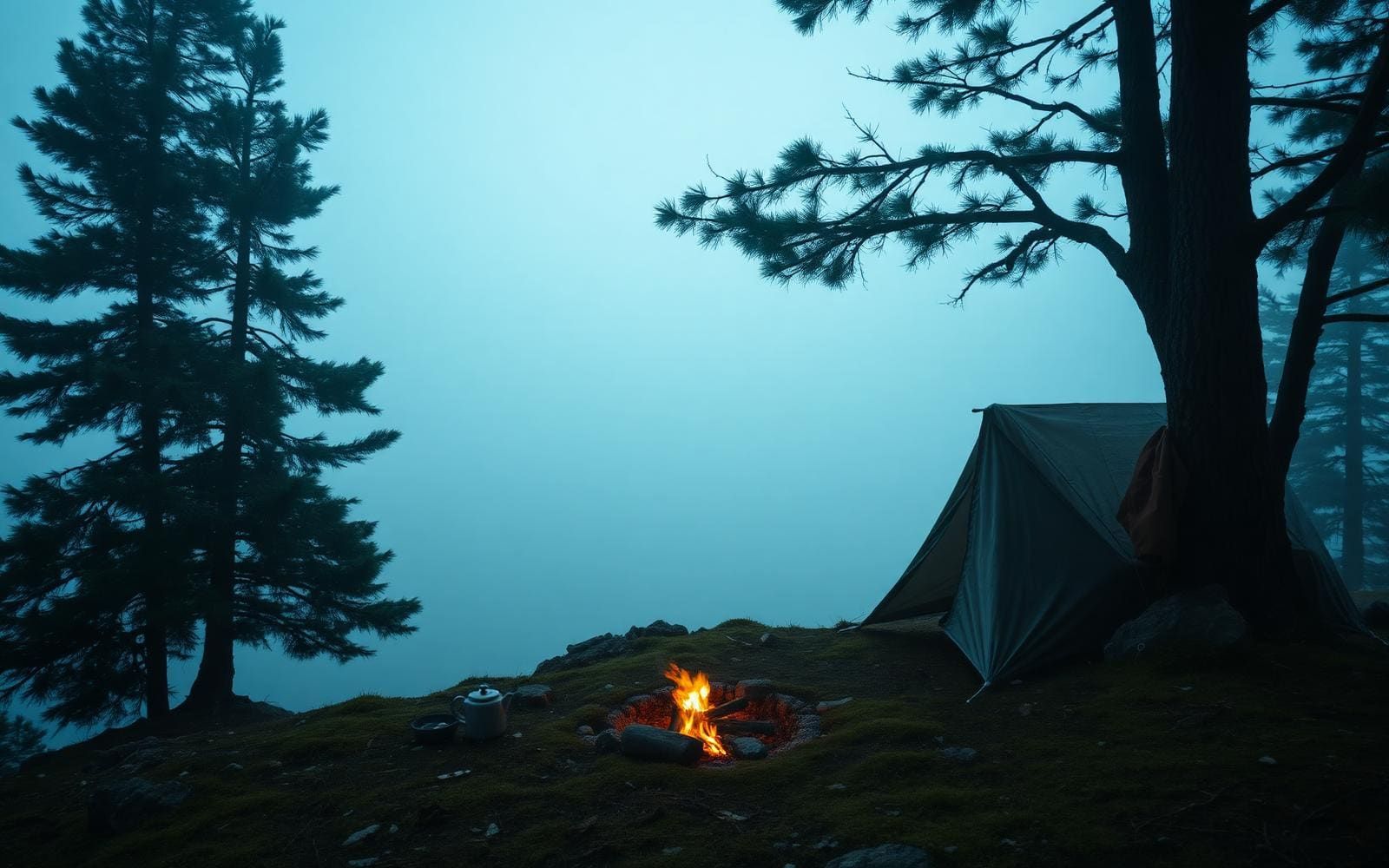
Pushing into elevation exposes the strengths and design flaws of standard ten-item kit selections. When terrain turns vertical and wet, specific gear categories dictate whether an off-grid excursion is feasible or reckless.
- Footwear and Traction: In the lowlands, boot choice is largely about waterproofing against salt spray and mud. On steep rainforest ascents, mechanical grip and ankle stability become the primary safety barrier. Heavy leather or synthetic boots with deep lugged Vibram-style outsoles are critical for biting into rotting logs and slick rock faces. Once a participant's stabilizer muscles are depleted from systemic calorie deficit, rigid ankle support is often the only thing preventing a contest-ending lateral sprain.
- Cutting Tools (Axes and Saws): Navigating dense coastal deadfall requires clearing paths or fashioning improvised walking sticks to maintain three points of contact on steep grades. A sturdy belt axe or folding saw also serves as an insurance policy. If a contestant pushes too far inland, misjudges daylight, or becomes trapped by sudden weather shifts, their cutting tools are the only means to rapidly produce an emergency bough bed and bivouac shelter away from their primary camp.
- Load-Carrying Systems: Transporting essential gear—including mandatory camera rigs, extra dry layers, emergency tracking beacons, and water containers—requires efficient load distribution. Contestants utilizing well-fitted external or internal frame packs or carefully rigged haul sacks reduce spinal load and balance disruption. A shifting load on a slick vertical scramble drastically increases the probability of an uncontrolled fall.
- Cordage and Utility Lines: Moving away from the established camp often requires setting temporary deadfalls, trail snares, or securing steep scrambles. Bank line and 550 paracord remain indispensable for setting up quick-strike utility rigs in unfamiliar terrain without burning daylight on elaborate woodworking.
Standings
No official tap-outs or medical evacuations were recorded in this broadcast window. The remaining field holds firm, but the physical gap between the leaders and those on the brink of extraction is widening.
In survival competitions of this duration, parity disappears after the first month. The roster fractures into two camps: those who have figured out a repeatable, low-cost system for pulling protein from their environment, and those who are purely running down their existing body fat. An upland push is often the telltale sign of a contestant whose shoreline strategy has collapsed. While those with consistent gillnet yields or productive intertidal harvesting can afford to remain anchored, those venturing deep into the mountain brush are doing so because their primary survival plan has run out of runway. Survival at this mark is purely an endurance test where mental clarity under duress determines who stays on the roster.
Bottom Line
Episode 8 illustrates the fundamental paradox of wilderness endurance: doing nothing guarantees slow defeat, but doing something bold can end your run in an afternoon. Ascending into rugged terrain demands fuel that these contestants simply do not have to spare. In the temperate rainforest of Vancouver Island, the terrain yields nothing easily, and every step uphill is an expensive gamble against an unforgiving clock.
Build the kit you just watched
Every item below is ranked from field use — no filler, no budget picks.
- The 10 items, rankedWhat actually survives 100 days — our tested picks for every slot on the list.
- Best bushcraft axesThe axe is the highest-leverage pick in the game. Here are the ones worth the weight.
- Best bushcraft knivesEvery winner carried one. These are the fixed blades that hold up to a full season.
- What the winners carriedSeason-by-season loadout analysis of every Alone champion.