


What Happened
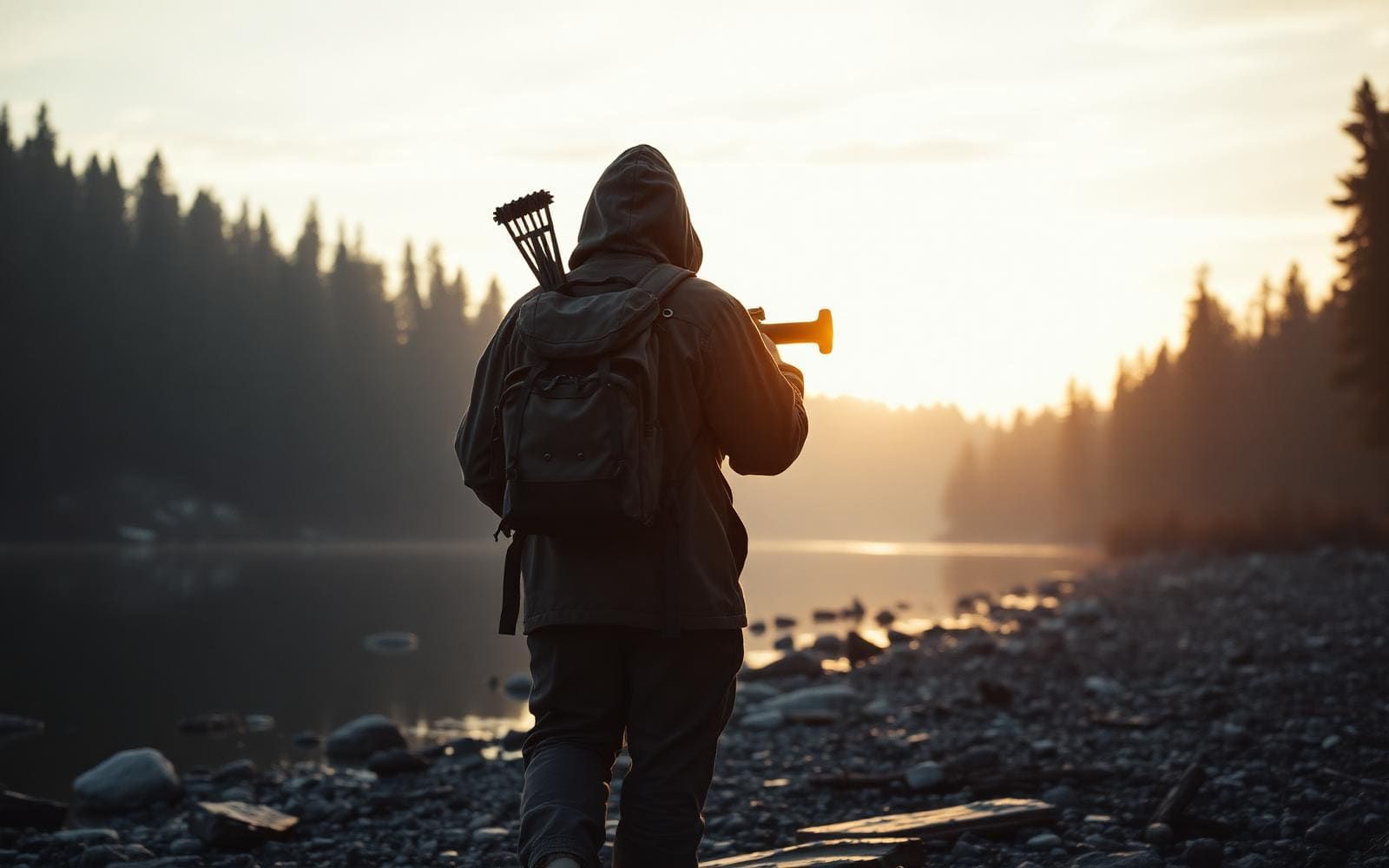
By Day 57 of the second season on northern Vancouver Island, the competition enters the psychological threshold where raw physical survival skills give way to internal endurance. The episode title, "The Madness," reflects the mental strain that prolonged solitude exerts when coupled with an unrelenting caloric deficit. Across the remaining camps, participants describe severe bouts of disorientation, cognitive fatigue, and an overwhelming emotional pull toward their families.
The defining event of Episode 9 is the departure of Nicole Apelian. Throughout her stay, Apelian demonstrated exceptional botanical literacy, extracting nutritional and medicinal value from coastal plants, kelp, and shoreline resources that other survivalists routinely overlook. Her approach was methodical, low-impact, and highly efficient. However, after nearly two months alone in the temperate rainforest, the emotional weight of separation from her children became insurmountable. Recognizing that her physical survival systems were functioning but her purpose for remaining had eroded, Apelian activated her satellite communicator on Day 57 to call for evacuation.
Her departure leaves the remaining field to endure the escalating cold, persistent rain, and the compounding psychological weight of late-stage isolation.
Who Is Under Pressure
With Apelian out of the field, every remaining participant is operating under intense, multifaceted pressure. At Day 57, survival on Vancouver Island ceases to be an experiment in bushcraft techniques and becomes an exercise in psychological attrition.
The primary source of pressure is sensory and social starvation. Humans are obligate social animals; prolonged absence of interpersonal feedback disrupts circadian rhythms, sleep quality, and executive function. In the field, participants report memory lapses, perceptual distortions, and depressive episodes. When combined with hypoglycemia brought on by inconsistent food intake, routine tasks like gathering firewood or checking gillnets become monumental cognitive hurdles.
Furthermore, participants are operating against a seasonal clock. Vancouver Island late in the autumn shifts from wet temperate conditions to biting coastal cold, saturated ground, and shorter daylight windows. Saturated wood burns poorly and demands excessive energy to process. The margin for error is effectively zero: a single slip on wet shoreline kelp or a laceration from an axe can instantly convert a controlled starvation contest into a medical emergency.
Gear That Mattered
At this phase of the program, survival gear does not operate in isolation; it functions as an external life-support system designed to preserve baseline physical comfort so the mind does not fracture. Several key tools dictate whether a participant can sustain the required psychological equilibrium.
The Satellite Communicator and Emergency Kit
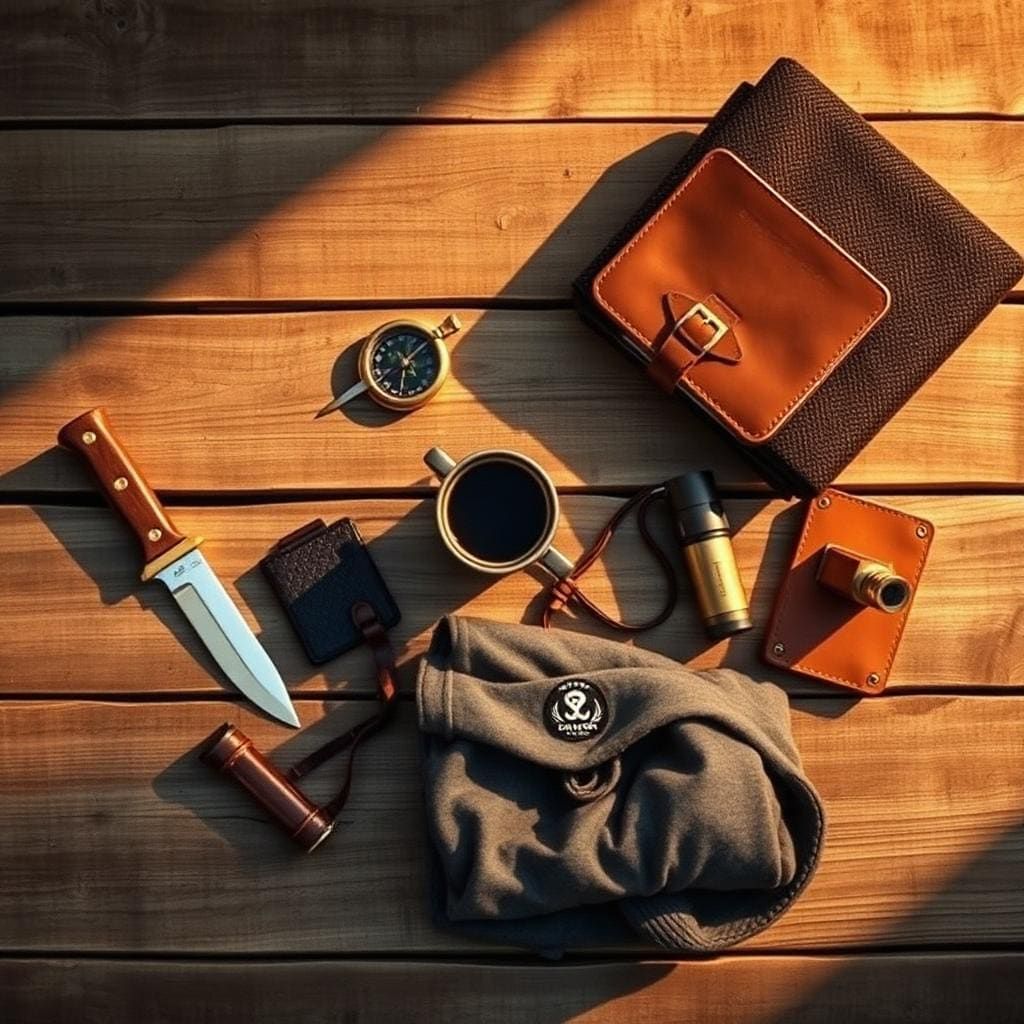
The yellow handheld satellite beacon carried by every participant is both an insurance policy and a constant psychological temptation. The knowledge that warmth, food, and family are accessible via a single button push makes holding out infinitely harder than surviving in a genuine historical wilderness scenario where rescue does not exist. For Apelian, the device functioned as intended—providing a safe, controlled exit once her mental threshold had been reached.
Wool Layers and Moisture Barriers
By the end of the second month, outerwear has endured hundreds of hours of abrasion against hemlock brush, salal, and rock, while being subjected to constant coastal precipitation and camp smoke. High-grade merino or heavy boiled wool garments retain insulating value even when damp, preventing hypothermia during low-activity periods. Once a participant's clothing fails to dry out, core temperature drops, sleep quality disintegrates, and cognitive decline accelerates rapidly.
Cutting Tools (Axe and Saw)
Firewood processing at Day 57 is not about cooking elaborate meals; it is about maintaining a thermal microclimate inside the shelter. High-carbon steel axes and folding or bow saws are under maximum pressure. Dull blades increase physical exertion, which burns precious calories that participants cannot afford to lose. Efficient firewood processing keeps the hearth running without pushing the survivalist into acute exhaustion.
Bedding and Sleep Systems
A high-loft synthetic or treated-down sleeping bag paired with a reliable insulating ground mat is the ultimate defensive tool against late-stage mental breakdown. When caloric intake is insufficient to generate internal body heat, a contestant spends up to twelve hours a day inside the shelter system. If dampness compromises the sleeping bag's loft, shivering replaces recovery, making mental stability impossible.
Standings
The confirmed elimination for Episode 9:
- Nicole Apelian – Tapped out on Day 57 due to the psychological burden of missing her children.
The remaining contestants move forward into Day 58 and beyond, continuing to battle extreme isolation, dwindling fat reserves, and the relentless coastal environment.
Bottom Line
Nicole Apelian's exit on Day 57 provides a critical reminder of what Alone actually tests. Apelian's bushcraft, shelter management, and foraging competency were among the strongest ever demonstrated on the series. She did not leave because of a structural gear failure, an untreatable injury, or total caloric collapse; she left because the emotional cost of staying outweighed the reward of the prize.
Survival television often overemphasizes tactical hardware—knives, ferrocerium rods, and tarp configurations. But once baseline shelter and water are secured, gear only buys time. It cannot insulate the human mind from the corrosive effects of total isolation. As Season 2 approaches its endgame, victory will not be determined by who has the sharpest axe or the best-built hearth, but by who possesses the psychological capacity to endure an empty horizon.
Build the kit you just watched
Every item below is ranked from field use — no filler, no budget picks.
- The 10 items, rankedWhat actually survives 100 days — our tested picks for every slot on the list.
- Best bushcraft axesThe axe is the highest-leverage pick in the game. Here are the ones worth the weight.
- Best bushcraft knivesEvery winner carried one. These are the fixed blades that hold up to a full season.
- What the winners carriedSeason-by-season loadout analysis of every Alone champion.