



What Happened
Season 4 of Alone reached a defining moment on Day 74 with the departure of the father-and-son duo, Pete and Sam Brockdorff. Holding out for ten and a half weeks in the temperate rainforest of northern Vancouver Island demands extreme physical resilience and careful resource management. By this point in the season, caloric depletion is universal, baseline reserves are exhausted, and minor physiological complaints regularly escalate into critical liabilities.
For the Brockdorffs, the endgame arrived abruptly in the form of an acute medical crisis. Pete Brockdorff began suffering severe chest pains. Given the setting—miles from immediate tertiary trauma care, under punishing weather conditions, and with access dependent on marine or air extraction—unexplained chest pain cannot be managed as an ambiguous symptom. The presentation was alarming enough to trigger an urgent medical evaluation and the joint decision to conclude their stay.
Subsequent diagnosis identified the root cause not as an acute coronary event, but as severe acid reflux. While benign relative to cardiac arrest, acute gastroesophageal distress under conditions of starvation, dehydration, and chronic anatomical stress can closely mimic ischemic cardiac pain. Because the rules of the pairs format require both partners to depart if one member leaves, Sam Brockdorff officially tapped out alongside his father on Day 74. With that exit, Pete and Sam concluded their campaign as the runners-up of Season 4.
Who Is Under Pressure
The physical toll of 74 days on Vancouver Island is difficult to overstate. In the final stretch of an extended survival trial, the pressure shifts from tactical routines—building shelter, setting passive fishing gear, establishing fire lays—to pure physiological attrition.
Pete Brockdorff bore the brunt of that physical burden. At Day 74, prolonged caloric deficits alter digestive motility, stomach acidity, and gut flora. When the stomach remains empty for prolonged intervals, gastric juices pool and irritate the esophageal lining. Combined with cold weather, irregular posture while resting inside low-clearance brush shelters, and physical labor on rugged terrain, acid reflux can present as crushing substernal pressure, radiation to the back or neck, and intense spasms. In the wilderness, Pete had no access to diagnostic tools like an electrocardiogram to rule out a myocardial infarction. Choosing to pull the yellow safety beacon under those circumstances was the only rational survival decision.
Sam Brockdorff faced the distinct pressure inherent to the team format. Unlike the solo seasons, where an individual's endurance rests entirely on personal pain tolerance, the pairs dynamic creates shared jeopardy. Sam remained capable of continuing from a physical standpoint, but the mandate of the season leaves no latitude: when one partner is medevaced, the team's bid concludes immediately. Accepting that limitation after surviving 74 grueling days requires substantial discipline and prioritization of family safety over the contest.
Gear That Mattered
While gear cannot fix an internal physiological breakdown, specific items play an outsized role when participants push beyond the two-month mark.
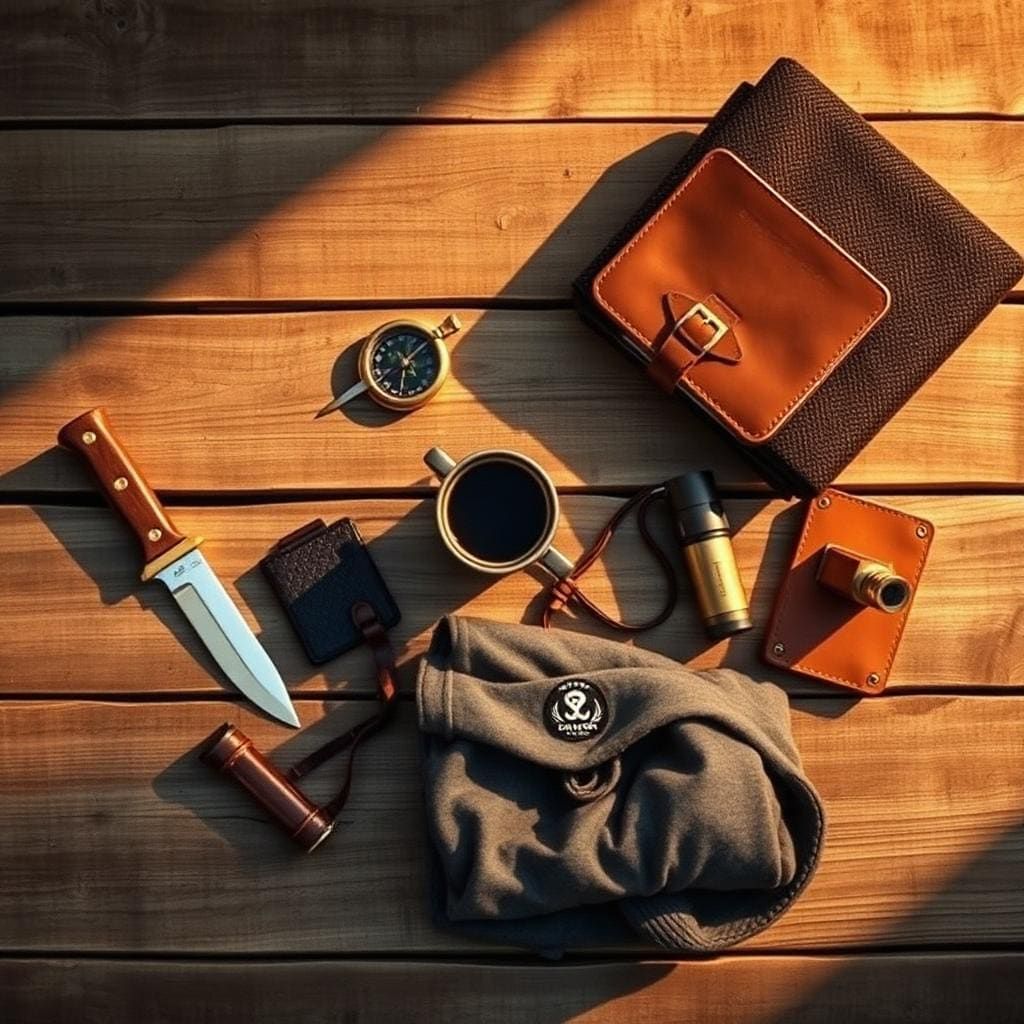
The Emergency Satellite Communication Device
The yellow satellite transponder is the single most vital piece of kit during an acute medical incident. Chest pain demands rapid triaging. The extraction protocol requires a robust satellite link capable of relaying GPS coordinates and situational urgency through coastal rain and heavy tree canopy. The rapid response of the safety and medical crew on Day 74 demonstrated the efficacy of the production safety grid, proving once again that communication hardware is the ultimate backstop of modern bushcraft.
Cooking Vessels and Water Treatment Systems
Digestive health in long-duration survival scenarios relies heavily on boiling water and preparing clean broths. When wild food dwindles to marginal foraged greens, limpets, or meager marine scraps, a durable pot (typically cast iron or stainless steel) becomes the workhorse of the camp. Boiling is necessary not only for microbial safety but also to soften coarse fibrous material that the human stomach cannot otherwise break down. If water intake is restricted because boiling is labor-intensive, gastric juices become concentrated, accelerating esophageal erosion and exacerbating conditions like reflux.
Bedding and Elevated Sleeping Platforms
Resting posture directly impacts gastroesophageal reflux. In a primitive shelter, participants frequently sleep on inclined, uneven ground or improvised bough beds that sag over time. If a participant cannot achieve sufficient head-and-torso elevation, nocturnal acid migration into the upper esophagus becomes significantly more severe. High-grade sleeping bags and insulation pads provide warmth, but they cannot compensate for the structural compromises of a wet, degrading debris bed that forces a camper to lie flat or curled on cold earth.
Wool Layers and Rain Shells
By Day 74, thermoregulation is severely compromised by lack of body fat. High-grade wool base layers and waterproof outer shells serve as passive calorie conservers. Every calorie wasted shivering is a calorie stolen from basic metabolic repair. While clothing cannot cure stomach spasms, maintaining core temperature prevents peripheral vascular constriction, which can complicate internal physical stress and mask or compound systemic pain signals.
Standings
The Brockdorffs' exit decisively clarifies the field:
- Pete Brockdorff: Extracted on Day 74 due to a medical emergency involving severe chest pain caused by acid reflux. Officially eliminated.
- Sam Brockdorff: Tapped out on Day 74 to exit alongside his father, per team rules. Officially eliminated.
- Status: Pete and Sam Brockdorff finish Season 4 as the official runners-up, having lasted 74 days in the northern Vancouver Island wilderness.
With the Brockdorffs gone on Day 74, the competition narrows to its absolute conclusion, leaving only the remaining camp standing to claim the title.
Bottom Line
Reaching Day 74 on Vancouver Island is an exceptional wilderness achievement. Pete and Sam Brockdorff demonstrated consistent teamwork, mental steadiness, and strong camp discipline across two and a half months of wet, cold coastal isolation.
Ultimately, their departure underscores a harsh reality of survival medicine: the human digestive tract is not designed for chronic, multi-month starvation. Severe acid reflux may sound minor in an urban environment with antacids on the counter, but in an off-grid survival context, its symptoms are physically debilitating and medically indistinguishable from a life-threatening cardiac event. Calling for extraction was not a lapse in fortitude; it was an unavoidable response to a critical biological threshold. Pete and Sam leave the island with 74 days behind them and a well-earned second-place finish in one of the most grueling team experiments ever aired.
Build the kit you just watched
Every item below is ranked from field use — no filler, no budget picks.
- The 10 items, rankedWhat actually survives 100 days — our tested picks for every slot on the list.
- Best bushcraft axesThe axe is the highest-leverage pick in the game. Here are the ones worth the weight.
- Best bushcraft knivesEvery winner carried one. These are the fixed blades that hold up to a full season.
- What the winners carriedSeason-by-season loadout analysis of every Alone champion.