


What Happened
Season 5, Episode 6, titled "Of Mice And Men," marks the crossing of the five-week threshold in Northern Mongolia. For an all-star roster consisting entirely of returning participants who previously fell short of the grand prize, day 35 represents significant personal territory. By this stage in an extended survival challenge, the initial logistical rush—felling poles, building primary shelters, setting gill nets, and mapping small game trails—has long settled into an austere routine. Survival shifts from an active problem of engineering to a quiet, repetitive game of emotional attrition.
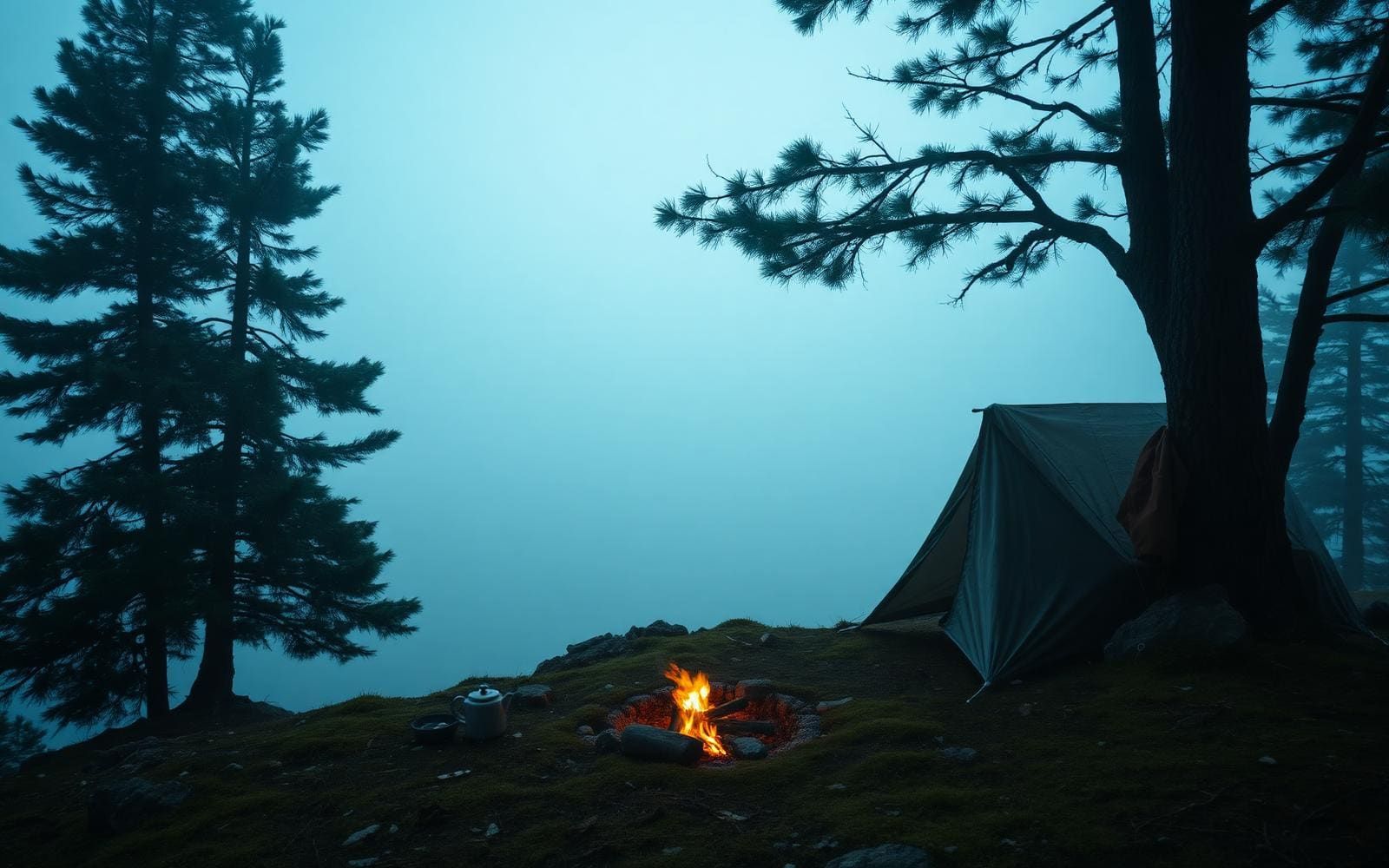
That psychological barrier claimed two veteran participants in rapid succession this week. On Day 35, Randy Champagne officially ended his stay, citing deep loneliness. Champagne had invested heavy physical labor into his site, constructing a remarkably solid shelter and throwing himself into tasks to stave off idle hours. However, total isolation in a sub-zero river valley has a way of stripping away external distractions. When physical chores subside and darkness consumes upwards of fourteen hours a day, the mind turns inward. Champagne concluded that his time on the Khonin Nuga riverbank had served its purpose, and he radioed for extraction.
Just twenty-four hours later, on Day 36, Dave Nessia followed him out. Nessia, whose first run in Patagonia during Season 3 ended in a medically directed evacuation due to severe starvation and food hoarding, approached his second campaign with a distinctly mindful outlook. Rather than pushing his body to the brink of physiological collapse or waiting for a medical team to pull him against his will, Nessia recognized his own boundary. He decided it was simply time to stop. His departure on Day 36 was calm and deliberate, representing an intentional conclusion rather than an emergency extraction.
Who Is Under Pressure
With Champagne and Nessia pulling their beacons on consecutive days, the remaining field faces the psychological vacuum that occurs when a camp enters the late-season freeze. Day 35 is historically the inflection point across the series. Caloric intake consistently drops as small rodents seek subterranean winter refuge and fish move to deeper, less accessible channels beneath freezing surface ice.
Every remaining participant is now operating at a sustained caloric deficit. In prolonged cold environments, maintaining baseline body temperature burns substantial calories even at rest. When small game becomes sparse, every physical excursion—collecting firewood, breaking ice for drinking water, monitoring snares—must be weighed against the precise amount of body fat expended to accomplish it. The contestants still standing are under compounding pressure: not only are they forced to manage physical starvation, but they must also withstand the oppressive silence that broke two of the most capable woodsmen in the lineup.
When a survivalist taps out due to emotional fatigue rather than an empty larder or medical trauma, it highlights a stark reality of solo endurance. You can have a stable roof, clean water, and banked firewood, but if the internal justification for enduring suffering evaporates, the shelter becomes an open-air cell. The competitors remaining on the ground must maintain a razor-sharp mental narrative to justify why they are sitting in sub-zero isolation while their normal lives continue thousands of miles away.
Gear That Mattered
While personal psychology dictated the outcomes of this episode, several standard kit choices heavily influence whether a participant can survive past day 35:
- Wool Blankets and Sleeping Systems: As temperatures plunge in Northern Mongolia, participants rely entirely on their sleep systems to arrest hypothermia during extended nights. A multi-layer sleeping bag or heavy wool blanket stops radiative heat loss, but moisture management inside the shelter is critical. Frost build-up inside single-wall shelters routinely drops ambient insulation values, requiring constant vigilance.
- Felling Axes and Saws: Randy Champagne's shelter build demanded continuous wood processing. In extreme cold, green timber freezes solid, dulling carbon steel bits and increasing the risk of deflection injuries. Tools like a quality forest axe or heavy-duty folding buck saw are the lifelines that keep an open fireplace fed. The tradeoff, however, is caloric expenditure: processing cords of hardwood on half-rations is a net-negative energy transaction over time.
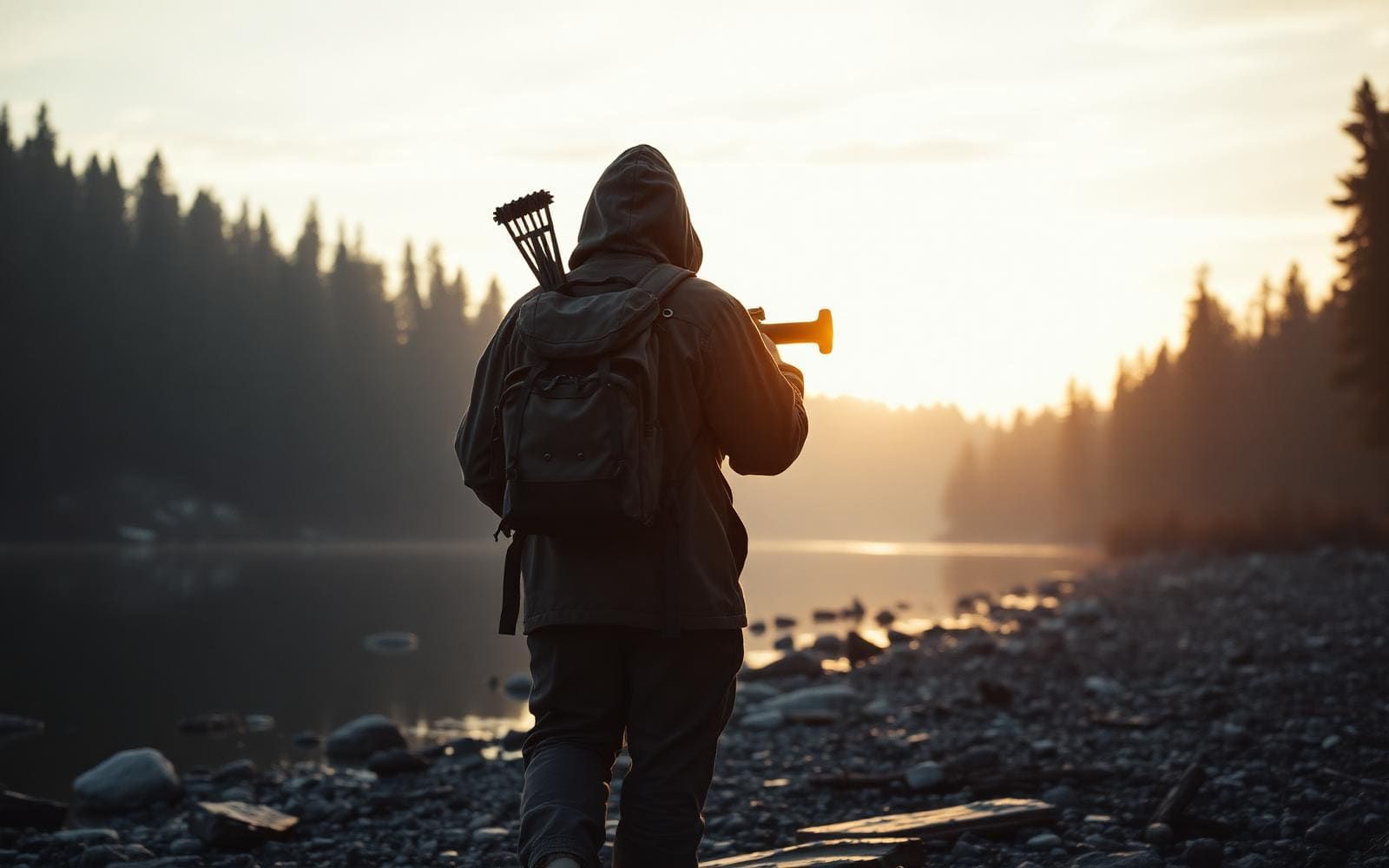
- Trapping Wire and Snare Sets: Episode 6's title hints at the rodent populations common to the Mongolian steppe. Small game wire allows participants to harvest calories passively without expending the energy needed for spot-and-stalk hunting with a traditional bow. A well-placed snare run can provide just enough protein and fat to stave off systemic lethargy, though cleaning and prepping micro-game in freezing conditions tests manual dexterity and patience.
- Cook Pots: The two-quart bushcraft pot remains arguably the most critical piece of equipment on the landscape. Beyond boiling surface water to eliminate waterborne pathogens, it serves as the sole vessel for rendering down bones, tallow, and forage into digestible broths. Drinking warm liquids is the fastest way to stabilize core temperature after a day spent outside checking sets.
Standings
The double departure in Episode 6 dramatically thins the roster as Season 5 approaches its decisive winter phase:
- Randy Champagne: Tapped out on Day 35. Physical infrastructure was stout, but prolonged isolation and acute loneliness brought an end to his run.
- Dave Nessia: Tapped out on Day 36. Exited the competition on his own terms after determining he had fulfilled his personal objectives in Mongolia, avoiding the severe physical deterioration of his prior season.
- Remaining Field: Undisclosed survivors remain active past Day 36, confronting dropping temperatures, frozen river edges, and rapidly diminishing small game reserves.
Bottom Line
Episode 6 strips away romantic notions of wilderness living and exposes the raw arithmetic of isolation. Randy Champagne and Dave Nessia did not leave Mongolia because their shelters collapsed or because they suffered catastrophic gear failures. They left because they reached the end of what they were willing to trade in exchange for prize money.
Survival television often fixates on physical hardship—frostbite, starvation, predators, and extreme weather. But Alone continues to demonstrate that the final gatekeeper is almost always mental clarity. When an experienced woodsman sits by a fire on Day 35 and realizes that continuing requires enduring sheer loneliness without a functional purpose, the fire stops offering comfort. For Nessia, knowing when to stop was a demonstration of self-preservation earned from past mistakes; for Champagne, the woods simply grew too quiet. As winter locks down the Mongolian valley, the participants remaining will need far more than axes and sleeping bags to outlast the coming cold.
Build the kit you just watched
Every item below is ranked from field use — no filler, no budget picks.
- The 10 items, rankedWhat actually survives 100 days — our tested picks for every slot on the list.
- Best bushcraft axesThe axe is the highest-leverage pick in the game. Here are the ones worth the weight.
- Best bushcraft knivesEvery winner carried one. These are the fixed blades that hold up to a full season.
- What the winners carriedSeason-by-season loadout analysis of every Alone champion.