


Skip to content
Wild10

Become a contributor

Join
U.S. Secretary of State John Kerry bows to receive a scarf during a traditional arrival ceremony at his hotel in New Delhi, India, on July 30, 2014, after he traveled for a Strateg

Top 10 · Gear

Best Traditional Bows: Recurves, Longbows, and Selfbows

A working guide to the best traditional archery bows, from takedown recurves to hand-built selfbows and one-piece longbows for the backcountry.

Share
Follow
All lists
By Wild10 Editorial Team · Research desk

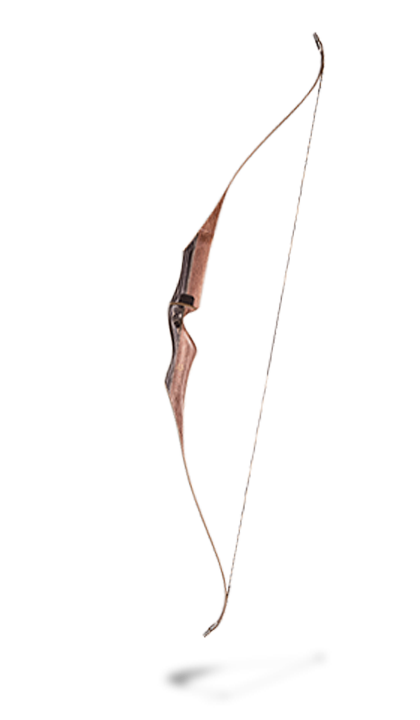
Finding the best traditional bow comes down to choosing the right design for your style of shooting, whether that means a longbow, recurve, or selfbow. Traditional archery rewards patience and repetition over complex gadgetry. This guide covers the full working range of traditional bows, including packable takedown recurves for travel, durable one-piece longbows for backcountry hunts, and hand-built selfbows tillered by eye. Selecting the best traditional archery bows requires realistic expectations about draw weight. Listed draw weights reflect common working ranges for active shooters. Always order a draw weight you can draw and release cleanly one hundred times in a single session. Pulling the heaviest limb you can handle once leads to poor form and missed shots. Match the bow to your actual physical capacity.

The short answer

Compare all 10 picks at a glance

Editorial ranking, what each pick is best at, and how we assessed it. Tap a name to jump to the full write-up.

#PickBest forKey specEvidence
1Hunter Takedown Recurve
Bear Archery
Traditional bowhuntingMaker: Bear ArcheryResearch only
2Sage / Sage Take-Down
Samick
Beginner archery instructionBow Type: Takedown RecurveResearch only
3Hex7 / Covert Hunter
Border Archery
Hunting big gameManufacturer: Border ArcheryResearch only
4Blacktail Snakebit / VL
Blacktail Bows
Serious traditional bowhuntingMaker: Blacktail BowsResearch only
5Hill-Style Longbow
Northern Mist / Howard Hill Archery
Traditional bowhuntingStyle: Traditional LongbowResearch only
6Centaur Chimera / Triple Carbon
Centaur Archery
Serious huntingBow Type: Hybrid LongbowResearch only
7ACS-CX Longbow
A&H Archery
Serious hunting tripsManufacturer: A&H ArcheryResearch only
8English Warbow / Traditional Longbow
Pip Bickerstaffe / Joe Gibbs
Historical archery recreationConstruction: Solid Yew / Osage Orange / LaminatedResearch only
9Osage Selfbow
Custom bowyers (Dean Torges, Clay Hayes, Billy Berger)
Traditional bowhuntingMaker: Custom BowyersResearch only
10Hungarian / Magyar Horsebow
Kassai / Grozer
Historical archery reenactmentBow Type: Traditional Composite HorsebowResearch only

Best of the Best · Head to Head

Hunter Takedown Recurve vs Sage / Sage Take-Down

#1 vs #2 — side-by-side specs, pros & cons, and the final verdict.

Compare any two picks

Build your own side-by-side

Choose any two of these 10 picks and compare specs, price, pros, cons and reader ratings.

Topic summary

A working guide to the best traditional archery bows, from takedown recurves to hand-built selfbows and one-piece longbows for the backcountry.

Key takeaways

  • #1 Hunter Takedown Recurve — Bear Archery
  • #2 Sage / Sage Take-Down — Samick
  • #3 Hex7 / Covert Hunter — Border Archery
  • #4 Blacktail Snakebit / VL — Blacktail Bows
  • #5 Hill-Style Longbow — Northern Mist / Howard Hill Archery
  • #6 Centaur Chimera / Triple Carbon — Centaur Archery

Intended uses

Gear

Verification notes

Editorial ranked list, 10 entries. Evidence mix — 10 research only. Buy links open the maker or a retailer search.

The gear reviews

A working guide to the best traditional archery bows, from takedown recurves to hand-built selfbows and one-piece longbows for the backcountry.

Rank this list

Loading community ratings… Ratings re-order the picks — they never change which products make the list.

Sign in to add your own ratings — it's free.

  1. Pick 01Research-based review

    Hunter Takedown Recurve

    Bear Archery

    Bear Archery Hunter Takedown Recurve
    Maker
    Bear Archery
    Bow Type
    Takedown Recurve
    Materials
    Hardwood Riser, Laminated Wood/Fiberglass Limbs
    Handedness
    Right or Left
    Price Point
    Mid-range

    The Bear Archery Hunter Takedown Recurve isn't just a bow; it's an institution. Originally designed by Fred Bear himself, this bow embodies a legacy of American traditional archery. It's a no-nonsense, hardworking piece of equipment that has introduced countless archers to the joys of instinctive shooting. Its design prioritizes a smooth draw cycle and inherent shootability, making it remarkably forgiving for both seasoned barebow shooters and those just starting their journey. This isn't a flashy, carbon-fiber wonder; it's a tool built for the woods, for hunting, and for a deep connection to the history of the sport. Its enduring popularity stems from its rock-solid construction and the simple fact that it performs exactly as intended, year after year, with minimal fuss. Owning a Hunter Takedown is often seen as a rite of passage in the traditional archery community, a testament to its timeless design and reliable performance. It consistently holds its value in the secondary market, a clear indicator of its quality and desirability.

    Where it fits

    • Traditional bowhunting
    • Recreational target shooting
    • Backyard archery
    • Instinctive shooting practice
    • Archery historical reenactment
    Pros
    • Exceptionally smooth draw cycle and forgiving shot
    • Time-tested, durable construction built to last
    • Excellent packability with takedown design
    • Holds its value remarkably well on the used market
    • Historic design with a deep connection to archery heritage
    Cons
    • Not the fastest recurve on the market
    • Traditional grip might require minor customization for some
    • Requires significant practice to master instinctive shooting
    • More expensive than entry-level takedown recurves
    Individual review

    Who It's Really For

    This bow is an ideal choice for anyone looking to seriously get into traditional archery, whether for target shooting, bowhunting, or just recreational plinking. It's forgiving enough for beginners to learn on, yet offers the performance and precision that experienced archers demand. Its takedown design makes it practical for transport and storage, appealing to those who might not have dedicated space for a one-piece recurve. It's also a fantastic option for archers who appreciate heritage and a connection to the roots of the sport, as its design has remained largely unchanged for decades, a testament to its original brilliance. This is a bow for the archer who values reliability and a direct, unadorned shooting experience over flashy technology.

    Materials & Construction

    The Hunter Takedown is built with a sturdy hardwood riser, typically dymondwood or similar dense, layered hardwoods, providing a solid and stable platform. The limbs are crafted from laminated wood cores faced with durable fiberglass, a classic combination that delivers a smooth draw and consistent arrow flight. This traditional material choice isn't just for aesthetics; it contributes to the bow's robust nature and its ability to withstand the rigors of field use. The limb attachment system is simple and secure, relying on proven engineering rather than complex, prone-to-failure mechanisms. This construction methodology prioritizes durability and long-term performance, ensuring the bow can handle years of active use without issue.

    Real-World Performance

    In the field, the Hunter Takedown is remarkably consistent and surprisingly quiet for a recurve. The draw is smooth with no discernible stack, even at longer draw lengths, which contributes significantly to shot consistency and comfort. Its moderate brace height makes it forgiving to shoot and less sensitive to minor form imperfections. Arrow speeds are respectable for its draw weight class, making it effective for hunting common game at ethical distances. The bow's natural balance in hand inspires confidence, allowing archers to focus on their anchor and release. It's a bow that simply works, delivering accurate shots with a satisfying thump, time and time again.

    Weight & Packability

    Being a takedown, the Hunter offers excellent packability. The limbs detach easily from the riser, reducing the overall length significantly. This makes it convenient for stowing in a backpack, a car trunk, or for air travel. While not ultralight, the overall weight is manageable for extended periods in the field, typically ranging from 2.5 to 3 pounds depending on the specific riser and limb combination. This balanced weight contributes to its stability and reduces fatigue during long shooting sessions or hunts. It's substantial enough to feel solid, but not so heavy as to become a burden, striking an optimal balance for a traditional hunting bow.

    Durability & Longevity

    Durability is a cornerstone of the Hunter Takedown's reputation. The robust hardwood riser and fiberglass-backed limbs are built to take a beating. It's not uncommon to find these bows still in excellent shooting condition decades after they were manufactured, a testament to the quality of materials and construction. Minor nicks and scratches from field use often add character rather than detract from its value or performance. With basic care – keeping it waxed, avoiding extreme temperature fluctuations, and proper stringing/unstringing – this bow is designed to be a lifelong companion, easily outlasting many of its more modern, less robust counterparts. It's an heirloom-quality piece of equipment.

    Comparable Alternatives

    At a similar price point, some archers might consider options like the Samick Sage or Southwest Archery Spyder, which offer similar takedown functionality at a slightly lower entry cost, though often with a less refined finish or historical pedigree. For those seeking a more premium, custom-built feel, bows from smaller, specialized bowyers might be considered, but at a significantly higher investment. However, few bows offer the unique combination of the Hunter Takedown's historical significance, proven field performance, and strong resale value. Its smooth draw and inherent shootability often surpass generic entry-level takedowns, justifying its slightly higher cost for serious enthusiasts looking for a long-term investment.

    Honest Trade-Offs

    While exceptional, the Hunter Takedown isn't without its trade-offs. It's a traditional bow, meaning it requires more practice and skill to shoot accurately than a compound bow with sights and release aids. It also lacks the inherent speed of some modern recurves that utilize advanced limb designs and materials, though its speed is perfectly adequate for hunting. The grip, while classic and functional, might not suit every hand shape perfectly without some customization. Lastly, while its aesthetic is beloved by many, its traditional look might not appeal to archers seeking a more futuristic or aggressively styled bow. These aren't flaws, but rather characteristics inherent to its traditional design philosophy.

    As an Amazon Associate, Wild10 earns from qualifying purchases.

    No ratings yet
  2. Pick 02Research-based review

    Sage / Sage Take-Down

    Samick

    Samick Sage / Sage Take-Down
    Bow Type
    Takedown Recurve
    Maker
    Samick
    Limb Material
    Maple and Fiberglass
    Riser Material
    Dymondwood / Laminated Wood
    Handedness
    Right or Left
    Approx. Price
    $150-$180 (bow only)

    The Samick Sage, often called the Samick Sage Take-Down, holds a unique and well-deserved spot in the archery world. It’s a recurve bow that consistently punches above its weight class, especially given its price point. We've seen countless archers, from absolute beginners to seasoned hunters, start their traditional archery journey with a Sage, and many never feel the need to upgrade significantly. It’s an unpretentious, reliable workhorse, designed to be accessible without sacrificing genuine capability.

    What truly sets the Sage apart is its balanced blend of affordability, durability, and performance. You get a bow that’s robust enough to handle the inevitable bumps and scrapes of learning, yet refined enough to deliver consistent accuracy once you develop your form. The take-down design is a massive practical advantage, making transport and storage a breeze, and allowing for easy limb swaps as an archer gains strength or wants to experiment with different draw weights. This isn't a bow adorned with flashy features, but rather a testament to solid engineering and a keen understanding of what traditional archers truly need.

    Where it fits

    • Beginner archery instruction
    • First hunting recurve
    • Casual backyard shooting
    • Compact travel bow
    • Budget-friendly traditional bowhunting
    Pros
    • Exceptional value for money, hard to beat at its price point
    • Takedown design offers superior portability and storage
    • Smooth draw cycle and consistent shot performance
    • Extremely durable and forgiving for new archers
    • Limb compatibility allows for easy draw weight changes
    Cons
    • Not the fastest bow on the market, lacks high-end speed
    • Aesthetics are functional rather than high-art
    • Factory string can be basic, often upgraded by users
    • Grip shape isn't universally loved, some customize it
    Individual review

    Who It's For

    This bow is an ideal starting point for anyone looking to get into traditional archery, whether for target shooting, bowhunting, or just recreational plinking. Its forgiving nature makes it excellent for learning proper form without the frustration that can come with more finicky bows. Beyond beginners, it also serves as a fantastic backup bow for experienced archers or a go-to for those who appreciate simplicity and reliability over high-end aesthetics. It's often recommended by instructors for its consistent performance and ease of use, ensuring a positive initial experience with traditional archery.

    Materials & Construction

    The riser is typically made from Dymondwood or a similar laminated hardwood composite, offering excellent strength and a pleasant, warm feel in the hand. The limbs are a classic combination of maple wood core laminated with fiberglass, providing a smooth draw and good arrow speed. This construction method is proven, durable, and cost-effective, contributing significantly to the bow's overall value. The connection points for the limbs are robust, simple, and secure, allowing for quick assembly and disassembly without specialized tools. Everything about its build speaks to longevity and consistent performance.

    Real-World Performance

    Out in the field or on the range, the Sage performs consistently and predictably. While it won't break any speed records, it delivers arrows with sufficient power for hunting medium game (with appropriate draw weight) and excellent accuracy for target practice. The draw cycle is smooth and free of major stacking, even at longer draw lengths. Its light weight makes it easy to maneuver and carry on long hikes. For its price, the shot experience is remarkably satisfying, feeling much more substantial than its entry-level cost might suggest. It's truly a no-fuss performer.

    Weight & Packability

    As a take-down bow, packability is one of its strongest suits. It disassembles into three main pieces (riser and two limbs) in less than a minute, fitting easily into a standard backpack or a compact bow case. This makes it incredibly convenient for travel, storage in small spaces, or hiking into remote areas. The assembled weight is very manageable, typically around 2-3 pounds depending on draw weight and accessories, which contributes to less fatigue during extended shooting sessions and makes it easier for new archers to handle and stabilize.

    Durability & Longevity

    This bow is built to last. The materials chosen are known for their resilience and ability to withstand varied outdoor conditions and regular use. We’ve seen Sage bows that have been through years of neglect, bumps, and scrapes, yet still shoot true. The limb pockets are stout, and the laminated wood riser stands up well to impact. While not indestructible, it forgives a lot of abuse that would cripple more delicate bows. With minimal care, a Sage will provide many years of reliable service, often outlasting its owner's initial expectations for an entry-level bow.

    As an Amazon Associate, Wild10 earns from qualifying purchases.

    No ratings yet
  3. Pick 03Research-based review

    Hex7 / Covert Hunter

    Border Archery

    Border Archery Hex7 / Covert Hunter
    Manufacturer
    Border Archery
    Origin
    Scotland
    Limb Technology
    Hex7 Pre-Flex Recurve
    Riser Compatibility
    ILF Standard
    Typical Materials
    Carbon, High-Performance Wood, Phenolic
    Draw Weight Range
    25-60+ lbs (dependent on limbs)

    Border Archery, based in Scotland, has carved out a reputation for crafting some of the fastest and most stable traditional recurve bows available. Their Hex7 limbs, often paired with the Covert Hunter riser, represent the pinnacle of their design philosophy. These bows are not entry-level; they're built for archers who demand serious performance, whether on the target range or in the field. The innovative limb geometry, particularly the Hex7's pronounced pre-flex, is the core of their speed and smooth draw. While the price point puts them in a premium category, the Border system offers a level of tunable performance and shot consistency that few other traditional bows can match.

    What sets Border apart isn't just raw speed, though they deliver plenty of that. It's the unique combination of efficiency, quietness, and a surprisingly forgiving shot cycle for such a high-performance limb. The Covert Hunter riser, often chosen for its balance and robust construction, complements the limbs perfectly, providing a solid platform that minimizes hand shock. These bows are purpose-built for serious archers who appreciate precision engineering and are willing to invest in a system designed for consistent, top-tier performance. They're not just tools; they're finely tuned instruments.

    Where it fits

    • Hunting big game
    • 3D Archery competitions
    • Precision target shooting
    • Advanced traditional archers
    • Backcountry hunting
    Pros
    • Exceptional speed and arrow energy
    • Remarkably quiet shot for a recurve
    • Stable and forgiving shooting platform
    • Highly tunable with ILF system
    • Premium build quality and durability
    Cons
    • High initial investment / price point
    • Radical limb design requires careful stringing
    • Not an entry-level friendly option
    Individual review

    Construction & Materials

    The Hex7 limbs utilize Border's proprietary design, featuring a radical pre-flex curve that loads energy exceptionally efficiently. This design, often incorporating high-modulus carbon and advanced core materials, is critical to their speed and smoothness. The Covert Hunter riser is typically machined from aerospace-grade aluminum, though some custom options may include heavier phenolic or specialized wood components for specific balance points. The ILF (International Limb Fitting) system allows for precise tiller and limb alignment adjustments, offering a degree of tunability usually reserved for Olympic-style target bows. This modularity means archers can fine-tune their setup for optimal performance and personal preference.

    Performance in the Field

    In real-world use, the Hex7 / Covert Hunter combination lives up to its reputation. These bows are notably fast, translating to flatter trajectories and increased energy delivery downrange. What's often surprising for such quick limbs is their quietness; Border has effectively engineered out much of the common recurve 'thump.' The stability of the Covert Hunter riser, combined with the smooth draw of the Hex7 limbs, contributes to a very forgiving shot. This translates to tighter groups and greater confidence, especially in hunting situations where a second shot might not be an option. Their performance holds up across varied conditions.

    Weight & Packability

    While not the lightest traditional bow setup on the market, the Covert Hunter riser strikes a good balance between stability and manageable weight for field use. Being a take-down recurve, it disassembles into three primary components (riser and two limbs), making it inherently packable. This is a significant advantage for backcountry hunters or travelers who need to transport their gear efficiently. The length, typically ranging from 58 to 62 inches assembled, is standard for a hunting recurve and handles well in treestands or ground blinds, though very dense brush might present a challenge for longer setups.

    Durability & Longevity

    Border Archery products are built to last. The materials and construction methods employed are of the highest quality, designed to withstand the rigors of consistent use and varied environmental conditions. The limb tips are robust, handling modern string materials without issue. While any bow can be damaged by misuse, with proper care, a Hex7 / Covert Hunter setup will provide years, if not decades, of reliable service. The ILF system also means that if a limb were ever damaged, individual components can be replaced rather than needing an entire new bow, adding to the long-term value and sustainability of the investment.

    Comparables & Trade-offs

    At its price point, the Border Hex7 / Covert Hunter competes with other premium custom recurves from makers like Black Widow or Bob Lee. While those bows offer superb craftsmanship and shooting characteristics, Border often edges them out on raw speed and tunability due to its advanced limb geometry and ILF system. The primary trade-off is the upfront cost, which is substantial. For archers new to traditional archery or those on a strict budget, the investment can be prohibitive. The radical limb design also means that stringing and unstringing requires a good quality stringer and careful technique to avoid damage, which is a small learning curve for some.

    As an Amazon Associate, Wild10 earns from qualifying purchases.

    No ratings yet
  4. Pick 04Research-based review

    Blacktail Snakebit / VL

    Blacktail Bows

    Blacktail Bows Blacktail Snakebit / VL
    Maker
    Blacktail Bows
    Bow Type
    Takedown Recurve
    Construction
    Custom, Laminate Wood
    Materials
    Bocote, Osage, Maple, Fiberglass, Carbon
    Origin
    Oregon, USA
    Hunting Focus
    Primary Design Goal

    The Blacktail Snakebit, along with its VL variant, represents a significant investment for a traditional archer, but it’s an investment that pays dividends in performance and aesthetic. These bows are not mass-produced; each is a custom-fitted instrument crafted in Oregon, and that bespoke nature is evident from the first draw. They are designed with a hunting-first mentality, prioritizing stability, power, and a clean shot, even under less-than-ideal field conditions. The choice of exotic woods like bocote and osage isn't just for show; these materials contribute to the bow's dampening characteristics and overall feel, providing a shooting experience that's both solid and surprisingly quiet for a recurve. While the price point puts it out of reach for many casual archers, those serious about their traditional archery, especially for hunting, will find the Blacktail Snakebit a worthy contender that lives up to its reputation. It’s a tool built for purpose, refined through decades of bowyer experience, and it shows in every aspect of its design and performance.

    What sets the Snakebit apart is its meticulous attention to detail in construction and geometry. The riser design is inherently stable, promoting repeatable hand placement and reducing torque, which translates directly to improved accuracy downrange. The limbs, often a point of compromise in other takedown designs, mate seamlessly with the riser, creating a unified structure that feels more like a one-piece bow. This integration minimizes limb twist and ensures consistent limb alignment, critical for precision shooting. For the hunter, this means confidence in the field, knowing their equipment is reliable and capable of delivering a precise shot when it counts. It’s a bow that demands respect and rewards dedication, offering a deep connection between archer and instrument.

    Where it fits

    • Serious traditional bowhunting
    • Competitive traditional archery
    • Backcountry hunting trips
    • Archers valuing custom craftsmanship
    Pros
    • Exceptional stability and accuracy for a traditional bow
    • Smooth draw cycle with minimal hand shock
    • High-quality, custom craftsmanship and premium materials
    • Takedown design for superior packability and transport
    • Durable construction built for longevity and field use
    Cons
    • Very high price point, significant investment required
    • Custom order lead times can be lengthy
    • Not ideal for beginners due to cost and performance focus
    Individual review

    For Who It's Made

    This bow isn't for the beginner or the budget-conscious. The Blacktail Snakebit is built for the experienced traditional archer, particularly those who prioritize hunting performance and appreciate artisanal craftsmanship. It's for the individual who understands the nuances of bow geometry and limb dynamics, and who is willing to invest in a custom-fitted piece of equipment. If you spend significant time in the field pursuing game with a traditional bow, or if you're a serious target archer looking for top-tier stability and shootability in a takedown, the Snakebit warrants consideration. Its demanding price point reflects its custom nature and premium materials, aligning it with archers who view their bow as a long-term, high-performance tool.

    Materials & Build

    Blacktail employs a combination of exotic and traditional woods, often including bocote, osage, and various maple laminations, all reinforced with high-grade fiberglass and sometimes carbon. The risers are meticulously machined and hand-finished, showcasing the natural beauty of the wood grain while providing a rock-solid foundation. The limbs are crafted with precision tapering and lamination schedules designed for smooth draw cycles and efficient energy transfer. Every component is fit with tight tolerances, creating a seamless interface between riser and limbs that minimizes movement and maximizes consistency. This dedication to material selection and construction quality is a cornerstone of the Blacktail reputation and contributes directly to the bow's exceptional performance and longevity.

    Real-World Performance

    In the field, the Snakebit performs exactly as its hunting-first design suggests. It’s incredibly stable in the hand, and the draw cycle is smooth and free of stacking, even at longer draw lengths. The shot is quiet and devoid of hand shock, a testament to the limb design and riser dampening. Arrow flight is consistently clean, assuming proper tuning and form. Accuracy is exceptional, with the bow feeling very forgiving despite its high performance. For hunting, its power and consistent shot placement provide immense confidence, while its takedown design allows for easier transport in backcountry situations. It’s a workhorse that doesn't compromise on refined shooting characteristics, proving itself reliable shot after shot.

    Weight & Packability

    Given its custom wood construction, the Snakebit is not the lightest bow on the market, but its weight is balanced and contributes to its stability, reducing felt hand shock. For a hunting bow, its weight is well within acceptable parameters, feeling substantial without being cumbersome. As a takedown, its packability is a significant advantage over one-piece designs. The riser and limbs separate easily, allowing for compact storage in a bow case or backpack. This feature is particularly valuable for hunters who travel by air, hike into remote areas, or simply want to protect their investment during transport. The robust construction means it can handle being taken down and reassembled frequently without issue.

    Durability

    Durability is a strong suit of the Blacktail Snakebit. The choice of dense, stable woods, combined with fiberglass and carbon reinforcement, creates a remarkably resilient structure. Finishes are typically hard-wearing, designed to protect the wood from the elements and minor abrasions encountered in the field. These bows are built to be used, not just admired, and they hold up exceptionally well to the rigors of hunting and consistent practice. While no wood bow is impervious to extreme abuse, a Blacktail, with reasonable care, will easily last a lifetime and can be passed down through generations. This is a testament to the quality of materials and the skill of the bowyers involved in its creation.

    As an Amazon Associate, Wild10 earns from qualifying purchases.

    No ratings yet
  5. Pick 05Research-based review

    Hill-Style Longbow

    Northern Mist / Howard Hill Archery

    Northern Mist / Howard Hill Archery Hill-Style Longbow
    Style
    Traditional Longbow
    Bow Type
    Straight-Limb, Backed
    Material
    Wood laminations, fiberglass
    Draw Weight
    30-80 lbs (customizable)
    Approx. Length
    64-68 inches
    Ideal User
    Traditional Hunter, Purist

    The Hill-Style Longbow, as exemplified by master bowyers like Northern Mist and Howard Hill Archery, represents a deeply traditional approach to archery. This is not a bow designed for speed records or competition circuits dominated by compounds. Instead, it offers an experience rooted in history, a direct connection to the American longbow heritage. It's a straight-limbed bow, often with a deep D-shape when strung, prioritizing stability and a forgiving shot over raw velocity. You won't find carbon fiber or advanced laminations here; construction is typically bamboo, hickory, osage orange, or other natural woods, laminated with simple fiberglass for durability and consistency. This makes for a characteristically smooth draw and a surprisingly quiet release, a quality highly prized by hunters and traditional archers alike. It's a bow that demands a refined form and a commitment to its unique shooting style, rewarding patience and precision over brute force.

    While slower than modern recurves or compounds, the Hill-style longbow's inherent simplicity is its strength. There are fewer moving parts to break, fewer adjustments to make, and a timeless elegance in its form. Its dead-quiet shot is a significant advantage in the field, making it an excellent choice for stalking or close-range hunting. However, its slower arrow speed requires more attention to trajectory and range estimation, especially at longer distances. It's an honest tool that reflects the skill of its maker and the dedication of its user. This bow is for the archer who values the journey and the connection to tradition as much as, if not more than, the raw performance metrics.

    Where it fits

    • Traditional bowhunting
    • Historical archery events
    • Instinctive shooting practice
    • Quiet backyard shooting
    • Collecting heirloom quality gear
    Pros
    • Unmatched quietness on the shot, ideal for hunting
    • Deeply forgiving shot, easy to learn and master basic form
    • Timeless aesthetic and connection to archery tradition
    • Exceptional durability with proper care, long lifespan
    • Smooth draw cycle with minimal hand shock
    Cons
    • Slower arrow speed than modern bows, requiring precise range estimation
    • Less efficient at long distances due to significant arrow drop
    • Demands consistent shooting form for repeatable accuracy
    • Higher initial cost for quality custom builds
    Individual review

    Who It's For

    This longbow is for the archer who deliberately chooses tradition over technology. It’s not a beginner’s bow, though a patient novice can certainly learn on one. It shines in the hands of someone who appreciates the elegance of simple design, the tactile feel of wood, and the satisfaction of mastering a less forgiving but deeply rewarding shooting style. Hunters seeking a quieter, more primal experience will find it appealing. It's also a favorite among traditional archery enthusiasts who participate in historical shoots or simply enjoy the meditative practice of shooting a classic bow. If you value craftsmanship and a direct connection to archery's roots, and are willing to put in the time to develop a consistent form, this bow is a serious contender.

    Construction & Materials

    Hill-style longbows are typically constructed from multiple laminations of wood, often including bamboo, hickory, osage orange, or yew, backed and faced with thin layers of fiberglass for stability and durability. The core design emphasizes a deep, narrow limb cross-section that promotes a smooth draw and minimizes hand shock. The handle section is generally small and fits the hand naturally, without an exaggerated pistol grip common in more modern designs. String nocks are often cut directly into the limb tips, reinforcing the minimalist aesthetic. This traditional build eschews complicated risers or limb pockets, relying instead on the inherent properties of the materials and the skill of the bowyer to create a functional and beautiful piece of equipment.

    Real-World Performance

    In the field, the Hill-style longbow is all about shot quality over raw speed. Its inherent stability and long string contact minimize torque, making for a very forgiving shot. Arrow flight is generally slower than modern recurves, requiring a more arcing trajectory and precise range estimation, especially beyond 20 yards. However, its profound quietness on the shot is unmatched. There's no mechanical noise, just the whisper of the string. This makes it an exceptional choice for hunting where silence is paramount. It’s a point-and-shoot weapon within its effective range, demanding consistent form for repeatable accuracy. Expect deep penetration on ethical shots, but don't expect flat trajectories at extended distances.

    Durability & Longevity

    Built correctly by a reputable bowyer, a Hill-style longbow is remarkably durable. The simple construction means fewer points of failure. The fiberglass backing protects the wood laminations from twisting and breaking under stress, and the woods themselves are chosen for their resilience. While not impervious to abuse, these bows are designed for years, even decades, of regular use with proper care. Unlike bows with delicate cams or complex limb pockets, a Hill-style longbow can withstand significant field use, minor bumps, and temperature fluctuations without major performance degradation. Its longevity is a testament to its fundamental, robust design, making it a true heirloom piece for many archers.

    Alternatives & Value

    At this price point, especially from custom bowyers, you're investing in craftsmanship. Alternatives include higher-end, deflex-reflex longbows which offer more speed but often lose some of the Hill-style's signature forgiveness and quietness. Mid-range recurves can provide more velocity and a more aggressive grip. However, none will offer the same pure, minimalist shooting experience. The value of a Hill-style longbow isn't just in its performance, but in its connection to tradition and the art of bowmaking. It's a purchase for the archer who values the journey and the historical lineage over sheer numbers on a chronometer. It's a specialized tool for a specific type of archer.

    As an Amazon Associate, Wild10 earns from qualifying purchases.

    No ratings yet
  6. Pick 06Research-based review

    Centaur Chimera / Triple Carbon

    Centaur Archery

    Centaur Archery Centaur Chimera / Triple Carbon
    Bow Type
    Hybrid Longbow
    Limb Construction
    Carbon-Laminated
    Intended Use
    Hunting, Target Shooting
    Draw Smoothness
    Excellent past 28 inches
    Stability
    High
    Material Focus
    Carbon fiber, select hardwoods

    The Centaur Chimera, specifically the Triple Carbon variant, stands out in the traditional bow market as a true hybrid longbow. It's a design that blurs the lines between a longbow's inherent stability and a recurve's speed, offering a compelling package for archers seeking a high-performance stick. Its carbon-laminated limbs are the heart of its performance, delivering an efficiency and smoothness that belies its traditional aesthetic. This isn't a bow for someone just dabbling; it's an investment for the archer who understands the nuances of limb design and expects top-tier performance in a traditional platform.

    While many longbows start to stack uncomfortably past a certain draw length, the Chimera Triple Carbon maintains a remarkably smooth draw cycle well beyond the typical 28 inches, making it a viable option for taller archers or those with longer draws. Its combination of speed and stability is genuinely impressive, translating to a forgiving shot and consistent arrow flight. This bow is built for serious hunting or competitive shooting where reliability and performance are paramount. It might not be the cheapest option, but it certainly earns its keep in the field.

    Where it fits

    • Serious hunting
    • Competitive target archery
    • Experienced traditional archers
    • Longer draw lengths
    Pros
    • Exceptional speed and flat trajectory for a longbow
    • Unusually smooth draw cycle, especially at longer draw lengths
    • High stability and minimal hand shock
    • Premium materials and meticulous craftsmanship
    • Excellent for hunting and competitive traditional archery
    Cons
    • Higher price point makes it a significant investment
    • One-piece design limits ultimate packability
    • Not ideal for beginners due to cost and performance focus
    Individual review

    Who It's For

    This bow is built for the experienced traditional archer who demands peak performance and a premium shooting experience. It's not a beginner's bow, nor is it for the casual backyard plinker. The Chimera Triple Carbon shines in the hands of hunters who value speed and flat trajectory in a traditional bow, or competitive archers who need consistent accuracy and a smooth draw under pressure. Its price point reflects its advanced construction and performance, making it a serious investment for a dedicated enthusiast looking for an edge in the field or on the range. If you've outgrown more basic longbows and are looking for a significant upgrade, this is a contender.

    Materials and Construction

    The 'Triple Carbon' in its name isn't just marketing; it refers to the significant use of carbon fiber within the limb construction. This advanced material, combined with choice hardwoods for the riser and limb cores, is the secret to its impressive performance. Carbon provides exceptional strength-to-weight ratio, contributing to both the bow's speed and its resistance to torsional twist. The limbs are meticulously crafted to deliver a smooth draw and a crisp release, reducing hand shock and improving overall shootability. The riser design is often minimalist but ergonomic, prioritizing function and balance over unnecessary embellishments. This bow is engineered for performance.

    Real-World Performance

    In the field, the Chimera Triple Carbon lives up to its reputation. Its speed is noticeable, resulting in a flatter trajectory than many other longbows, which is a significant advantage when judging distances in hunting scenarios. The carbon-laminated limbs provide excellent energy transfer, making for a potent arrow. Where it truly stands out, however, is its draw cycle. It pulls smoothly through longer draw lengths without the abrupt stacking common in many traditional bows, allowing for more consistent anchors and cleaner releases. This translates directly to tighter groups and increased confidence when a shot counts. It handles varying temperatures and conditions well.

    Weight and Packability

    As a one-piece longbow, the Chimera Triple Carbon isn't designed for extreme packability in the same way a takedown recurve might be. However, its overall weight is generally light for its power, thanks to the judicious use of modern materials. This makes it comfortable to carry on long hunts or during extended practice sessions. While it won't fold down into a backpack, its slender profile allows it to be carried easily in a bow case or slung over the shoulder. For a one-piece design, it strikes a good balance between robust build and manageable weight, suitable for active hunting in varied terrain.

    Durability and Longevity

    Centaur Archery has a solid reputation for building durable bows, and the Chimera Triple Carbon is no exception. The carbon laminations not only contribute to performance but also enhance the limbs' resistance to fatigue and environmental stressors. The finish on the riser and limbs is typically well-executed, offering good protection against the elements encountered during hunting. With proper care and maintenance, this bow is built to last for many years of rigorous use. It's not a fragile showpiece; it's a tool designed to withstand the demands of serious traditional archery, maintaining its performance characteristics over time.

    As an Amazon Associate, Wild10 earns from qualifying purchases.

    No ratings yet
  7. Pick 07Research-based review

    ACS-CX Longbow

    A&H Archery

    A&H Archery ACS-CX Longbow
    Manufacturer
    A&H Archery
    Bow Type
    Reflex-Deflex Longbow
    Designer
    O.L. Adcock
    Core Use
    Hunting, Target Archery
    Draw Cycle
    Smooth, Stack-Free
    Performance
    Reference-class speed and stability

    The ACS-CX Longbow, from A&H Archery, is a serious piece of equipment for the dedicated archer. This isn't a bow for casual plinking; it's designed and built with precision to deliver consistent, high-level performance in the field or on the competition line. Its reflex-deflex design, a hallmark of O.L. Adcock's engineering, provides an impressive blend of speed and stability, which often makes it a go-to for hunters who demand a reliable, hard-hitting traditional bow. The attention to detail in its construction, from the limb laminations to the riser's ergonomics, speaks to its pedigree as a top-tier instrument. It's a bow that rewards good form and offers a smooth, stack-free draw cycle, even at higher poundages. While it carries a premium price, its reputation for performance and durability has solidified its place among traditional archery's elite.

    What sets the ACS-CX apart is its ability to consistently deliver reference-class performance. For a hunting-weight bow, it generates remarkable arrow speed without sacrificing shootability. This means flatter trajectories and more kinetic energy downrange, critical advantages when hunting. It feels substantial in the hand but balances well, promoting a stable hold and a clean release. The quietness of the shot, a critical factor for hunters, is also excellent, thanks to its well-engineered limb design and inherent vibration dampening characteristics. For archers looking to invest in a long-term, high-performance solution, the ACS-CX stands out as a formidable contender.

    Where it fits

    • Serious hunting trips
    • Traditional archery competitions
    • Ethical long-range shooting
    • Collectors of high-performance bows
    Pros
    • Exceptional arrow speed for a longbow
    • Very smooth, stack-free draw cycle
    • Outstanding shootability and stability
    • Remarkably quiet shot with minimal vibration
    • High-quality materials and durable construction
    Cons
    • Premium price point, significant investment
    • One-piece design limits packability
    • Lead times can be long for custom orders
    Individual review

    Construction & Materials

    The ACS-CX is built with a focus on stability and energy transfer. The limbs feature proprietary carbon-fiber laminations, a key to their exceptional performance and durability. This isn't just about speed; the carbon provides torsional stability, meaning the limbs resist twisting during the shot, which contributes to accuracy. Risers are typically crafted from dense, attractive hardwoods or phenolic, often with a limb pocket design that ensures precise alignment. Every component is selected for its contribution to the bow's overall integrity and shot quality, making it a very robust and reliable package. The craftsmanship is evident in the fit and finish, reflecting a high standard of production.

    Real-World Performance

    In the field, the ACS-CX lives up to its reputation. It's an exceptionally fast longbow for its draw weight, and that speed translates directly into flatter shooting and more forgiveness for minor range estimation errors. The draw is incredibly smooth, without any noticeable stacking even at longer draw lengths, which is a major advantage for consistent shooting. The shot itself is surprisingly quiet and vibration-free, a testament to its limb design. This combination of speed, stability, and quietness makes it a highly effective hunting tool, capable of delivering arrows with authority and precision where it counts.

    Weight & Packability

    As a one-piece longbow, the ACS-CX is not designed for compact packability in the same way a takedown might be. Its overall length will vary based on draw weight and user specifications, typically ranging from 62 to 66 inches. However, its weight is well-managed, providing a solid, balanced feel in the hand without being cumbersome. For backcountry hunting, carrying a one-piece requires a bit more planning, but its inherent reliability and lack of moving parts can be a distinct advantage in rugged environments. It’s a carry-in, carry-out bow that performs consistently once you get it there.

    Durability & Longevity

    Durability is a strong suit for the ACS-CX. The carbon-infused limbs are highly resilient, resisting twisting and set, even after years of use. The risers, whether wood or phenolic, are built to withstand the rigors of hunting and sustained shooting. These bows are not fragile; they are engineered for a lifetime of performance with proper care. It’s common to see archers shooting ACS-CX bows that are many years old, still performing at a high level. This longevity helps justify the initial investment, as it's a bow that won't need frequent replacement.

    Value & Alternatives

    At its price point, the ACS-CX competes with other high-end custom or semi-custom traditional bows. While it's a significant investment, its proven performance, excellent build quality, and resale value make it a compelling option. Alternatives might include custom longbows from artisans like Howard Hill Archery for a more traditional aesthetic, or other high-performance reflex-deflex longbows from smaller, boutique builders. However, few consistently deliver the unique blend of speed, stability, and smooth draw that the ACS-CX offers. For those prioritizing absolute performance and consistency in a longbow, it remains a benchmark.

    As an Amazon Associate, Wild10 earns from qualifying purchases.

    No ratings yet
  8. Pick 08Research-based review

    English Warbow / Traditional Longbow

    Pip Bickerstaffe / Joe Gibbs

    Pip Bickerstaffe / Joe Gibbs English Warbow / Traditional Longbow
    Construction
    Solid Yew / Osage Orange / Laminated
    Bow Type
    Self Bow / Traditional Longbow
    Typical Draw Weights
    70 - 120 lbs+
    Arrow Material
    Wood (heavy spine)
    Shooting Style
    Instinctive, Mediterranean draw

    The English Warbow, or a traditional longbow built to similar historical specifications, is an experience more than just a piece of gear. These aren't your typical off-the-shelf laminated recurves. We're talking bows crafted from single staves of yew or osage orange, or meticulously laminated modern versions that replicate the feel and immense power of their historical counterparts. Forget your aiming pins and fancy sights; this is about instinct, muscle memory, and a deep connection to archery's roots. It's a demanding bow, often with draw weights starting where many archers cap out, and going much, much higher. Owning one of these means committing to a different kind of practice, one focused on strength, form, and the sheer joy of sending a heavy arrow with authority. It’s not for the faint of heart, nor for those seeking convenience, but for dedicated traditional archers, it offers an unparalleled connection to history and the raw power of the sport.

    While custom makers like Pip Bickerstaffe or Joe Gibbs are renowned for their authentic, high-quality warbows, the 'traditional longbow' category itself encompasses a wide range of bows that share this design philosophy. What sets these apart is their unyielding draw cycle, the impressive cast they can achieve with heavy arrows, and the profound satisfaction of mastering such a demanding tool. It's a journey into historical archery, demanding respect for the craft and the physical conditioning required to wield it effectively. This isn't just about hitting a target; it's about understanding the nuances of a centuries-old weapon, and the unique challenges and rewards it presents to the modern archer.

    Where it fits

    • Historical archery recreation
    • Roving and clout shooting
    • Strength and form development
    • Deep traditional archery experience
    Pros
    • Unmatched connection to historical archery
    • Exceptional power and arrow cast with heavy arrows
    • Deeply rewarding to master
    • Impressive durability and longevity
    • Authentic, minimalist shooting experience
    Cons
    • Extremely demanding physically; not for beginners
    • Poor portability due to length
    • High cost for quality custom craftsmanship
    • Limited shot count before fatigue sets in
    Individual review

    Who It's For

    This bow is for the serious traditional archer, the history enthusiast, and anyone looking for a deep, physical challenge. It's not a beginner's bow. You need a solid understanding of traditional archery form, a significant commitment to physical training, and a passion for the historical aspects of the sport. If you're tired of modern conveniences and want to truly test your strength and skill, this is your bow. It appeals to those who find joy in the process of mastering a demanding tool, and appreciate the raw, unadulterated power of a simple stave.

    Materials & Craftsmanship

    Authentic warbows are often self bows, meaning they are crafted from a single stave of wood, typically yew due to its excellent strength-to-weight ratio and ability to handle high compression. Osage orange is another strong contender. Modern interpretations might use laminated wood, combining different species for optimal performance and durability. The craftsmanship is paramount; a good warbow is a work of art, with the wood's grain followed and preserved. The handle is usually a simple leather wrap, and the nocks are often horn or self-nocks, reflecting the historical accuracy that drives their creation.

    Real-World Performance

    Performance is all about raw power and impressive cast with heavy arrows. These bows are designed to launch large, heavy projectiles with surprising velocity over significant distances. Accuracy, particularly at long range, requires immense skill and consistent form, as there are no aiming aids beyond your own eye and body. The draw cycle is smooth but incredibly heavy, building quickly to peak weight. When mastered, a warbow delivers a deeply satisfying thud and a true arrow flight that feels powerful and ancient. It's less about pin-point groups and more about effective range and impact.

    Durability & Longevity

    A well-made warbow, particularly a yew or osage self bow, is incredibly durable. These woods are chosen for their resilience. Laminated versions are also built to last, often with modern adhesives adding to their structural integrity. Proper care, including keeping it dry, unstrung when not in use, and occasionally rubbing it down with linseed oil, will ensure it lasts for decades. The primary wear points are the string nocks and the string itself, which are easily replaced. These bows are built to withstand the rigors of heavy use, much like their historical predecessors.

    Weight & Packability

    Longbows, by their nature, are long. This makes them less packable than a takedown recurve or compound bow. Weight-wise, they are surprisingly light for their power, often just a few pounds. However, their length makes them somewhat cumbersome for hiking through dense brush. They are best transported in a dedicated bow sock or case. This is a bow you carry with purpose, not one you discreetly stash away. The trade-off for their simplicity is their physical footprint, which requires some planning for transport and storage.

    As an Amazon Associate, Wild10 earns from qualifying purchases.

    No ratings yet
  9. Pick 09Research-based review

    Osage Selfbow

    Custom bowyers (Dean Torges, Clay Hayes, Billy Berger)

    Custom bowyers (Dean Torges, Clay Hayes, Billy Berger) Osage Selfbow
    Maker
    Custom Bowyers
    Material
    Osage Orange Wood
    Bow Type
    Selfbow (Traditional)
    Draw Weight
    Highly variable, custom ordered
    Handedness
    Ambidextrous (typically)

    The Osage Selfbow, often crafted from a single stave of Osage Orange, stands as a testament to enduring design. It's a direct descendant of the bows used by indigenous peoples across North America, a form refined through centuries of use. This isn't a bow you'll find on an assembly line; each one is a bespoke creation, hand-tillered by experienced bowyers who understand the wood's character. What you get is a direct connection to ancient craft, a piece of equipment that demands respect and rewards skill. It's a simple tool, stripped down to its essentials, yet capable of surprising power and accuracy in the right hands. This bow is about the raw material, the dedication of the maker, and the direct interaction between archer and wood.

    While modern materials offer consistency and often higher speeds, the Osage Selfbow provides an unmatched shooting experience. The feel of the wood, the subtle give, the distinct thud of the shot – it’s a sensory experience that synthetic bows can't replicate. It's a hunting tool that has proven its worth for generations, capable of delivering a heavy arrow with authority. This isn't a beginner's bow; it requires dedication to master its nuances. But for those who commit, it offers a profound connection to the sport and the history of archery, making it a compelling choice despite its venerable design.

    Where it fits

    • Traditional bowhunting
    • Historical reenactment
    • Primitive archery practice
    • Outdoor survival training
    Pros
    • Deep connection to traditional archery and craftsmanship
    • Exceptional durability and resistance to wear
    • Quiet shot, ideal for hunting scenarios
    • Lightweight and comfortable to carry
    • Unmatched shooting feel and sensory feedback
    Cons
    • Not as fast as modern bows
    • Requires significant skill to master
    • One-piece design limits packability
    • Less consistent than synthetic materials without precise tillering
    Individual review

    Who It's For

    This bow is for the archer who values tradition, craftsmanship, and a deep connection to their equipment. It's not for the casual weekend shooter looking for plug-and-play performance. This is for the hunter who appreciates the challenge of a true stick bow, the reenactor seeking authenticity, or the bowyer who understands the art of tillering. Expect to spend time learning its personality. It demands a thoughtful approach to form and release, and in return, it offers a satisfyingly primal shooting experience. This pick shines for those who prioritize the journey of mastery over sheer speed or modern convenience.

    Materials and Construction

    The core of this bow is a single stave of Osage Orange (Maclura pomifera), a dense, resilient wood known for its exceptional elasticity and compression strength. The construction is entirely reliant on the bowyer's skill, using the natural growth rings of the wood for the bow's back. There are no laminations, no fiberglass, just wood, sometimes reinforced with rawhide or snake skin for protection and minor performance enhancement. The tiller, the curve of the limbs, is painstakingly carved and shaped by hand to ensure a smooth, efficient draw cycle and consistent cast. This minimalist approach highlights the raw beauty and inherent strength of the wood.

    Real-World Performance

    In the field, the Osage Selfbow is a formidable tool for its simplicity. While it won't match the arrow speeds of high-performance recurves or compounds, a well-tillered selfbow can deliver a heavy hunting arrow with significant kinetic energy. Its quiet shot is a major advantage for hunting, and its robust construction means it can withstand knocks and bumps that might damage more delicate modern bows. Accuracy is entirely dependent on the archer; the bow itself provides consistent performance if tillered correctly. It's a forgiving bow in the sense of its durability, but unforgiving in demanding precise execution from the shooter.

    Weight and Packability

    Selfbows are inherently lightweight. Being made from a single piece of wood, they often weigh significantly less than laminated or metal-risered bows. This makes them easy to carry on long hunts or treks. Their one-piece construction, however, means they aren't as packable as takedown bows. Transport requires care to prevent damage to the limbs. While not compact, their slender profile allows them to be carried comfortably in the hand or strapped to a pack without excessive bulk. The lack of moving parts simplifies field repairs, should they ever be needed.

    Durability

    Osage Orange wood is renowned for its durability and resistance to rot and insects, making it an excellent material for outdoor gear. A well-made selfbow, properly cared for, can last decades, even generations. Its resilience allows it to absorb impacts that might fracture other woods or synthetic materials. However, like any wooden bow, it is susceptible to excessive moisture, extreme temperature changes, and improper stringing, which can lead to warping or damage. With reasonable care – proper storage, waxing, and avoiding dry-firing – this bow will be a lifelong companion.

    As an Amazon Associate, Wild10 earns from qualifying purchases.

    No ratings yet
  10. Pick 10Research-based review

    Hungarian / Magyar Horsebow

    Kassai / Grozer

    Kassai / Grozer Hungarian / Magyar Horsebow
    Bow Type
    Traditional Composite Horsebow
    Draw Weight
    30-70 lbs (common range)
    Materials
    Wood, fiberglass, resin (modern versions)
    Typical Length
    45-55 inches (nock to nock)
    Shooting Style
    Thumb draw predominant

    The Hungarian or Magyar Horsebow, especially from makers like Kassai or Grozer, is a deep dive into archery's roots, a stark contrast to modern recurves and compounds. This isn't a bow for someone looking for a shelf, a sight, or any modern conveniences. It's a reflexed composite design, often featuring a blend of wood, horn, and sinew, or modern synthetic equivalents that mimic these historical properties. The short, powerful limbs are designed for rapid shooting, historically from horseback, but equally effective on foot for those who master its unique draw and release. It demands a specific style of shooting, typically thumb draw, and a dedication to understanding its mechanics. While it might be ranked lower on a general 'best bows' list due to its specialized nature and steep learning curve, its place here is as a testament to historical effectiveness and a distinct, engaging archery experience.

    Its design prioritizes speed and maneuverability over raw power or pinpoint precision at extreme distances. The highly reflexed limbs store a significant amount of energy for their size, making for a remarkably fast arrow flight. This speed, combined with its compact form, made it devastatingly effective for historical mounted archers, allowing for quick target acquisition and firing sequences. For contemporary archers, it offers a challenging but rewarding journey into a different facet of the sport, pushing practitioners to develop a deeper connection with their equipment and form. It's not just a piece of gear; it's a piece of history that still performs when wielded by a skilled hand.

    Where it fits

    • Historical archery reenactment
    • Mounted archery training
    • Fast, instinctive shooting practice
    • Bushcraft and survival archery
    • Unique challenge for experienced archers
    Pros
    • Extremely fast arrow flight for its size
    • Highly maneuverable and compact design
    • Authentic historical shooting experience
    • Lightweight and excellent for portability
    • Demands skill, fostering deep connection to archery
    Cons
    • Steep learning curve, especially for thumb draw
    • No modern amenities like arrow shelf or sight inserts
    • Can be unforgiving of poor form
    • Limited precision at very long distances compared to modern bows
    Individual review

    Who It's Really For

    This bow isn't for a beginner looking for an easy entry into archery, nor is it for someone prioritizing target scores at 50 yards with a sight. The Hungarian horsebow appeals to the traditional archery purist, the historical reenactor, or anyone fascinated by the art of mounted archery or fast, intuitive shooting. It demands a significant commitment to learn the thumb draw and develop consistent form without the aid of modern accessories. If you enjoy a challenge, appreciate historical weaponry, and are willing to invest time into mastering a unique shooting style that emphasizes fluidity and speed, this bow offers an incredibly rich and rewarding experience that few other bows can match. It's about the journey, not just the destination.

    Materials and Construction

    Modern Hungarian horsebows from reputable makers like Kassai or Grozer are typically constructed with a blend of materials designed to replicate the performance of historical horn, wood, and sinew composites. This usually involves a strong wooden core (often maple or ash), overlaid with fiberglass or carbon fiber laminations, and often finished with leather or synthetic wrap. This composite structure allows for the characteristic deep reflex in the limbs, storing immense energy for its size. The string nocks are often horn or reinforced composite. The build quality on good examples is robust, designed to withstand the stress of the deep draw and rapid firing associated with its traditional use, ensuring longevity with proper care.

    Real-World Performance

    In the field, a well-shot Hungarian horsebow is an incredibly fast and lively bow. Arrows fly with impressive speed, and the short draw length (relative to its power) allows for quick, repeated shots. Accuracy is intuitive, relying heavily on consistent body mechanics and an understanding of gap or instinctive aiming. While not a precision target bow in the modern sense, in the hands of a skilled archer, it can be devastatingly accurate at realistic hunting or combat distances of 10-30 yards. Its compact size is a huge advantage in thick brush or from a kneeling position, making it surprisingly versatile for certain hunting scenarios or bushcraft applications where a long recurve might be cumbersome.

    Weight and Packability

    Being a compact, short-limbed bow, the Hungarian horsebow is inherently lightweight and highly packable. Most examples weigh well under 2 pounds, often closer to 1.5 pounds, making it negligible to carry on a hike or in a pack. Its relatively short strung length (typically under 55 inches) means it fits easily into most vehicle trunks, small cases, or lashed to a backpack. This portability was a key feature for its historical mounted use, allowing archers to move quickly and efficiently. For contemporary users, it translates to an agile and unintrusive piece of gear that doesn't add significant bulk or strain during transport, making it an excellent choice for minimalist excursions.

    Durability and Longevity

    With proper care, a well-made Hungarian horsebow is remarkably durable. The modern composite construction is less susceptible to environmental changes than traditional horn/sinew, though extreme heat or cold should still be avoided. The main points of wear are typically the string, string nocks, and any leather wrap on the handle. These components are generally easy to inspect and replace if needed. The core structure is designed for high stress. While accidental dry-firing is always a risk with any bow, the inherent robustness of these designs, especially from reputable makers, means they can provide decades of service with routine maintenance and careful handling, standing up to thousands of shots.

    Comparable Alternatives

    At a similar price point for traditional bows, you'd be looking at various wooden recurves or longbows, often from smaller custom builders or established brands like Bear Archery (though usually with more modern designs). However, direct comparisons are tricky due to the Hungarian's unique shooting style and design. Other reflexed composite bows like Mongolian, Scythian, or Korean horsebows offer similar experiences, each with subtle differences in draw profile and aesthetic. While a production recurve might offer a more forgiving learning curve with a conventional grip and arrow shelf, it won't deliver the same historical feel or the distinct thumb-draw shooting experience that defines the Hungarian horsebow. It stands largely in its own category.

    As an Amazon Associate, Wild10 earns from qualifying purchases.

    No ratings yet

How we picked

Ranked by Wild10 Editorial Team, Research desk

We started with a long list of traditional bows that people actually buy, cut anything that could not clear our baseline for durability and field performance, then ranked the 10 that were left against the same criteria. Rankings are editorial. No brand pays for placement, and affiliate links never move a pick up or down.

Real-world durability
How the material, stitching, or steel holds up after a season of hard use — not how it looks new.
Performance in bad conditions
Wind, rain, cold, and grit are the test. Anything that only works on a nice day gets marked down.
Weight and packability
Every ounce has to earn its place in the pack, but not at the cost of something that fails in the field.
Ease of use
Setup, adjustment, and maintenance with cold hands, in the dark, without the manual.
Value at its price point
Compared against the closest competitors in the same tier, not against cheaper gear in a different class.
Repairability and support
Field-fixable design, available parts, and a warranty the maker actually honors.

How often we recheck this: Reviewed on a rolling basis and rechecked at least once a year, or sooner if a pick is discontinued, revised, or beaten by something new.

Deep-dive product reviews

Catalog specifications, photos and reader ratings for 10 picks.

Best traditional bows for a specific job

Skip the ranking — jump to the pick that matches how you actually use it.

Best for traditional bowhunting
#1 Hunter Takedown Recurve — Bear ArcheryThe Fred Bear pattern that started the modern trad revival. Smooth draw, forgiving, holds value on the used market.Read the full profile
Best for beginner archery instruction
#2 Sage / Sage Take-Down — SamickBest beginner-to-intermediate takedown. Cheap enough to learn on, good enough to keep hunting with.Read the full profile
Best for hunting big game
#3 Hex7 / Covert Hunter — Border ArcheryScottish-built high-performance recurves. Fast, quiet, and remarkably stable for their length.Read the full profile
Best for serious traditional bowhunting
#4 Blacktail Snakebit / VL — Blacktail BowsOregon-built takedown recurves in bocote and osage. Custom fit, hunting-first geometry.Read the full profile
Best for serious hunting
#6 Centaur Chimera / Triple Carbon — Centaur ArcheryHybrid longbow with carbon-laminated limbs. Fast, stable, and unusually smooth past 28 inches.Read the full profile
Best for serious hunting trips
#7 ACS-CX Longbow — A&H ArcheryReflex-deflex longbow engineered by O.L. Adcock. Reference-class performance for a hunting-weight bow.Read the full profile
Best for historical archery recreation
#8 English Warbow / Traditional Longbow — Pip Bickerstaffe / Joe GibbsYew or laminated warbow in the historical pattern. Heavy draws, deep archery tradition, roving and clout.Read the full profile
Best for historical archery reenactment
#10 Hungarian / Magyar Horsebow — Kassai / GrozerShort, reflexed composite horsebow. Fast from the saddle or on foot, distinct style of shooting.Read the full profile
Expert-picked, reader-ranked

Our editors test the gear, pick the ten, and set the order the day a list publishes. After that, the ranking is live: every member star rating feeds the community order, so picks climb or slide as real owners report back. Editorial judgment decides what earns a spot — you help decide where it sits.

  • Editors set the field

    Verified specs, feature and use-case comparison, and outside sources choose the ten and the published order; field-tested picks are labeled.

  • Readers re-rank it

    Your 1–5 star ratings drive the community order on every list.

  • Rankings keep moving

    Picks rise or fall over time — nothing is frozen at launch day.

Award picks

The ranking above is price-blind and judged on merit. These awards call out the pick we'd hand a specific person with a specific need.

Bottom line

For a first serious traditional bow, a 45–50 lb takedown recurve from Bear, Samick, or Border is the honest default. Move to a one-piece longbow once you know your form, and to a selfbow once you understand why bowyers argue about tiller.

How to choose traditional bows

Every pick on this page was judged against the same criteria. If you want the short answer, Hunter Takedown Recurve by Bear Archery is the one we point most people at. If you want to decide for yourself, here is what actually separates a good traditional bow from an expensive one.

Real-world durability

How the material, stitching, or steel holds up after a season of hard use — not how it looks new.

Performance in bad conditions

Wind, rain, cold, and grit are the test. Anything that only works on a nice day gets marked down.

Weight and packability

Every ounce has to earn its place in the pack, but not at the cost of something that fails in the field.

Ease of use

Setup, adjustment, and maintenance with cold hands, in the dark, without the manual.

Value at its price point

Compared against the closest competitors in the same tier, not against cheaper gear in a different class.

Repairability and support

Field-fixable design, available parts, and a warranty the maker actually honors.

Match the pick to your use

The right traditional bows depends on what you are actually doing with it: Traditional bowhunting; Recreational target shooting; Backyard archery; Instinctive shooting practice; Archery historical reenactment; Beginner archery instruction. Start from the use case, then work down the ranking until you hit the first pick that covers it.

Common mistakes

  • Buying the lightest traditional bows you can find and discovering it cannot take a season of hard use.
  • Paying for a specialist feature you will use once a year instead of the versatile option.
  • Comparing headline specs across tiers instead of within the same class.
  • Skipping fit, sizing, or adjustment checks that decide whether you actually carry it.

Frequently asked questions

What is the best traditional bows?
Hunter Takedown Recurve by Bear Archery takes the top spot. The Fred Bear pattern that started the modern trad revival.
How did The Wild10 choose and rank these traditional bows?
We judged every pick against the same criteria — real-world durability, performance in bad conditions, weight and packability, ease of use — and ranked them on merit regardless of price. A working guide to the best traditional archery bows, from takedown recurves to hand-built selfbows and one-piece longbows for the backcountry.
What is the best budget traditional bows?
Sage / Sage Take-Down by Samick — Best beginner-to-intermediate takedown.
Hunter Takedown Recurve vs Sage / Sage Take-Down — which should I pick?
Hunter Takedown Recurve ranks first: The Fred Bear pattern that started the modern trad revival. Sage / Sage Take-Down is the close second: Best beginner-to-intermediate takedown. Our full head-to-head compares them side by side.
How often is this list updated?
We review this ranking on a rolling basis and update it whenever a pick is discontinued, meaningfully revised, or beaten by something new. Rankings are editorial — brands do not see them before publication and affiliate links never change the order.
Next list
Fly-Fishing Destinations
Read next

Get The Field List

One short, honest email a week: gear we actually trust, planning guides, and survival-TV coverage. Free, unsubscribe anytime.

Free forever. No spam, unsubscribe in one click.