


What Happened
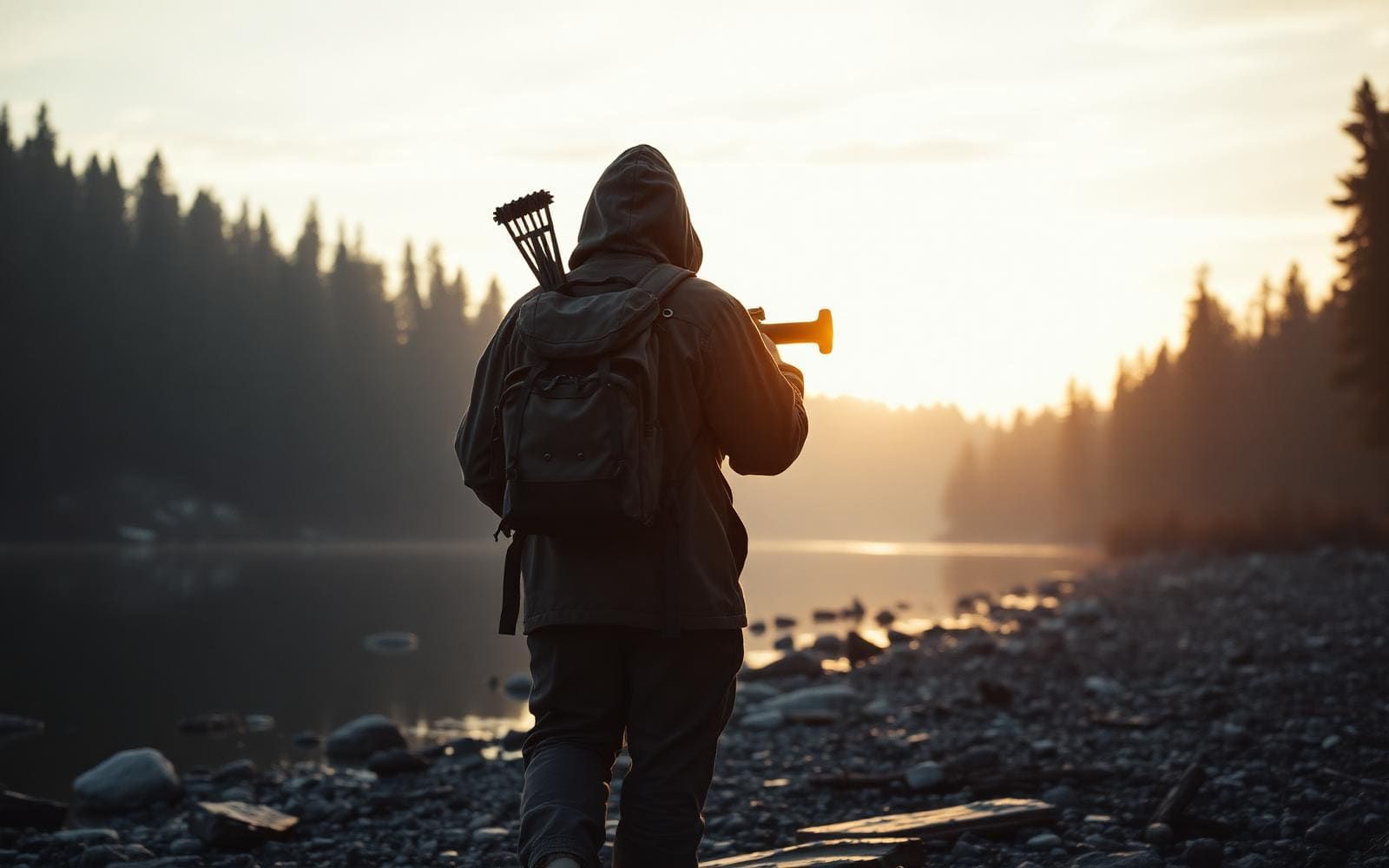
Season 6 of Alone enters its late-stage attrition phase in Episode 8, titled "Out Cold." Set along the eastern arm of Great Slave Lake in Canada's Northwest Territories, the competition shifts decisively from active autumn foraging and shelter construction to severe cold-weather endurance. With the Arctic freeze taking hold, ambient temperatures drop significantly below freezing, changing both the terrain and the physiological demands placed on the remaining contestants.
At this juncture of an Arctic season, the landscape locks up. Surface water along shoreline bays begins to skim over with ice, terminating open-water gillnetting and passive shore angling. Foraging for remaining berries or edible roots ceases entirely as snow cover deepens and the ground freezes solid. The narrative shifts toward managing energy reserves. Survivalists are forced to confront severe physical fatigue caused by sustained caloric deficits. Daily tasks such as harvesting firewood, carrying water, and maintaining shelter integrity take longer and consume far more energy per hour than they did earlier in the season.
Contestants spend increased hours confined to their shelters to escape the wind chill and limit caloric burn. In this phase of the competition, every movement represents an expenditure of bodily capital that cannot easily be recovered. The participants must balance the acute risk of hypothermia against the slower, insidious wear of starvation, all while the daylight window shortens rapidly.
Who Is Under Pressure
The entire remaining field is under systemic physiological pressure. When an individual enters week five and beyond in a subarctic environment without regular, high-fat food sources, the human body adapts by downregulating basal metabolic activity. Symptoms include persistent lethargy, slowed reaction times, orthostatic dizziness, and impaired thermoregulation.
Fatigue at this stage is not merely feeling tired; it is a structural liability. Processing deadfall with an axe or saw when muscles are depleted increases the likelihood of catastrophic errors, such as glancing strikes or self-inflicted lacerations. Even walking across uneven, snow-dusted talus or boulder-strewn shorelines carries a heightened risk of twisted ankles or torn ligaments. In severe cold, an immobilizing injury can become fatal within hours.
Mental stamina is tested equally hard. As physical activity is cut back to save calories, participants spend long stretches of darkness inside crude shelters. The lack of social interaction, combined with constant physical discomfort, elevates psychological distress. Homesickness and existential exhaustion become major drivers of tap-outs. The remaining survivalists face the reality that winter is no longer approaching; it has fully arrived, and conditions will not improve.
Gear That Mattered
Late-season Arctic conditions elevate specific gear choices from convenient tools to essential life-support systems:
- Cold-Weather Sleeping Bags: In deep sub-zero conditions, a multi-layer or high-fill-power down sleeping system is the primary line of defense. The challenge is moisture management. Sleeping bags inevitably collect body vapor, which migrates toward the outer shell and condenses against the freezing ambient air. Without sunny, dry days to air out gear, down clusters risk loft collapse. A sleeping bag that loses loft loses its insulating value, accelerating cold exposure during the longest hours of the day.
- Felling Axes and Saws: Dry, standing deadwood is the only viable fuel for maintaining continuous heat. Saws provide high-efficiency cross-cutting with minimal energy waste, while a heavy axe head is necessary to split rounds down to the dry heartwood. Split wood catches faster and produces less smoke in enclosed shelters. However, brittle frozen wood increases the risk of edge chipping, making careful tool maintenance paramount.
- Heavy-Duty Cooking Pots: As open water becomes inaccessible, pots transition from fish boilers to snow melters. Melting snow is an inefficient process that consumes substantial fuel; roughly ten parts snow yields only one part liquid water. A secure metal pot that can sit directly in the coals without tipping allows contestants to maintain hydration without having to venture onto unstable shoreline ice.
- Wool Layers and Windproof Outerwear: Moisture control dictates survival in freezing climates. Heavy wool retains thermal efficiency even when damp from exertion. Outer wind-breaking shells prevent convection from stripping heat from core muscle groups. Contestants who sweat through their base layers while hauling wood face rapid chilling the moment physical exertion stops.
Current Standings
Episode 8 represents the tipping point where the season shifts into the final stretch. While the initial roster began with ten participants, the attrition curve of the Arctic has systematically winnowed the field. The remaining participants are visibly emaciated, showing standard symptoms of extended fasting: hollowed facial features, prominent collarbones, and significant loss of skeletal muscle mass.
The separation between those who will endure into the deep freeze and those approaching their breaking point comes down to two variables: food storage and shelter microclimates. Survivalists who managed to secure big game or substantial caches of smoked fish earlier in the season retain the energy required to feed their hearths. Those attempting to out-starve the subarctic winter relying strictly on mice, sparse snared hares, or body fat reserves are rapidly reaching the medical intervention threshold.
Bottom Line
Episode 8 illustrates the core reality of Alone: bushcraft skills are essential to establish a baseline, but the endgame is governed entirely by thermal and metabolic physics. The Arctic does not permit sustained high activity without caloric replenishment. As the season narrows toward its conclusion, the surviving contestants must operate with machine-like discipline, eliminating unnecessary movements and relying on their gear to survive the drop in temperature.
Build the kit you just watched
Every item below is ranked from field use — no filler, no budget picks.
- The 10 items, rankedWhat actually survives 100 days — our tested picks for every slot on the list.
- Best bushcraft axesThe axe is the highest-leverage pick in the game. Here are the ones worth the weight.
- Best bushcraft knivesEvery winner carried one. These are the fixed blades that hold up to a full season.
- What the winners carriedSeason-by-season loadout analysis of every Alone champion.