Skip to content
Bull elk with full antlers in a mountain meadow

Hunting · Big Game

Big Game Hunting: every species, tag, and season in one place

Eight in-depth species guides covering where to hunt, how the tag actually gets in your pocket, what the hunt demands of you, and how to bring the meat home.

Big game hunting in North America is really eight or nine separate sports that share a rifle. A November whitetail sit in an Ohio fencerow and a September elk hunt at 10,000 feet have almost nothing in common except the ethics and the wind.

This hub is built to be the one place you can answer the practical questions: which states hold the animal, whether you can buy a tag or must draw one, how long that draw realistically takes, what the days look like, and what happens after the shot.

Every species page links out to the state agencies and conservation organizations that publish the current, authoritative numbers — because regulations change annually and no article should be your final source.

Species covered
8 in depth
Hunt this year
Hog · Deer · Bear
Worth applying
Elk · Pronghorn
Lifetime tags
Moose · Sheep

01

Every big game species, in one place

Each guide covers the same ground: where the animal lives and which states are worth your time, exactly how tags and draws work, what the hunt feels like day to day, the gear that matters, and how to get the meat home.

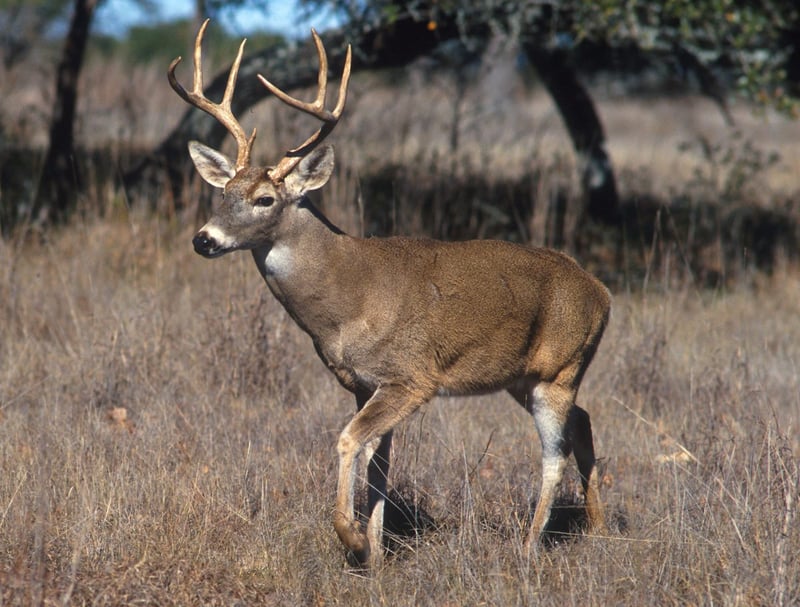
White-tailed deer buck standing at a field edgeMostly over-the-counter

Whitetail Deer

Over-the-counter tags in most states, a rut you can plan a vacation around, and the best entry point into big-game hunting in North America.

  • Range: 45+ states & 8 provinces
  • Peak season: Late Oct – Nov rut

USDA photo by Scott Bauer / Public domain · Wikimedia Commons

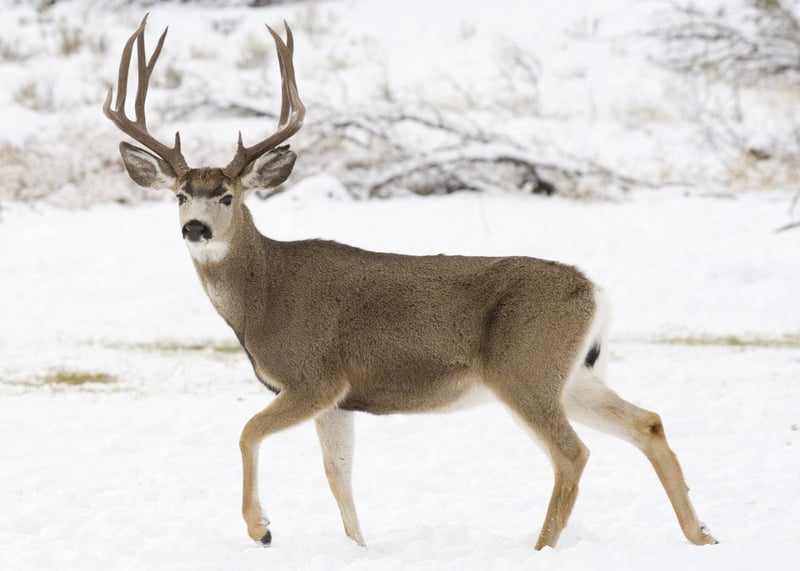
Mule deer buck in open sage countryMostly limited draw

Mule Deer

Open-country glassing, long stalks, and the western draw system. The classic DIY public-land big-game hunt.

  • Range: West of the 100th meridian
  • Peak season: Sept archery – Nov rut

Oregon Department of Fish & Wildlife / CC BY-SA 2.0 · Wikimedia Commons

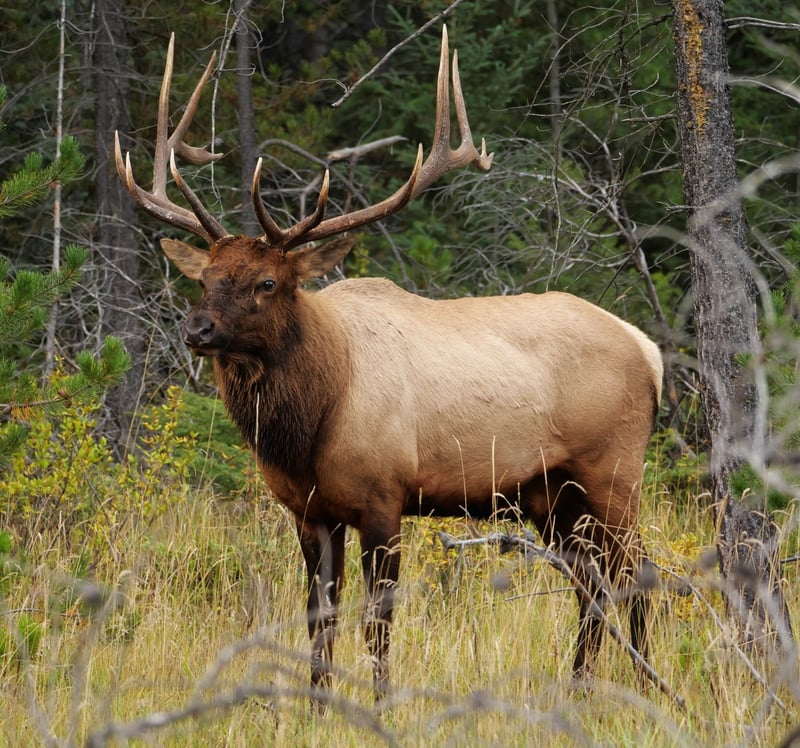
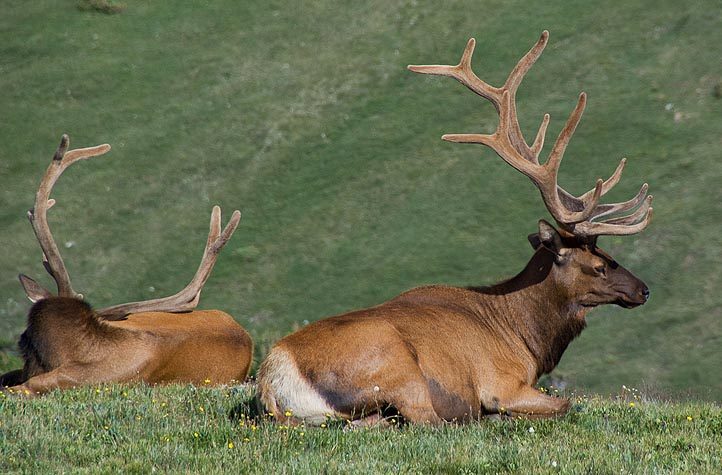
Bull elk with full antlers in a mountain meadowOTC in CO, ID; draw elsewhere

Elk

September bugles, over-the-counter Colorado tags, and the hardest, most addictive hunt on the continent.

  • Range: Rockies, Southwest & Pacific NW
  • Peak season: Sept rut (archery)

Membeth / CC0 · Wikimedia Commons

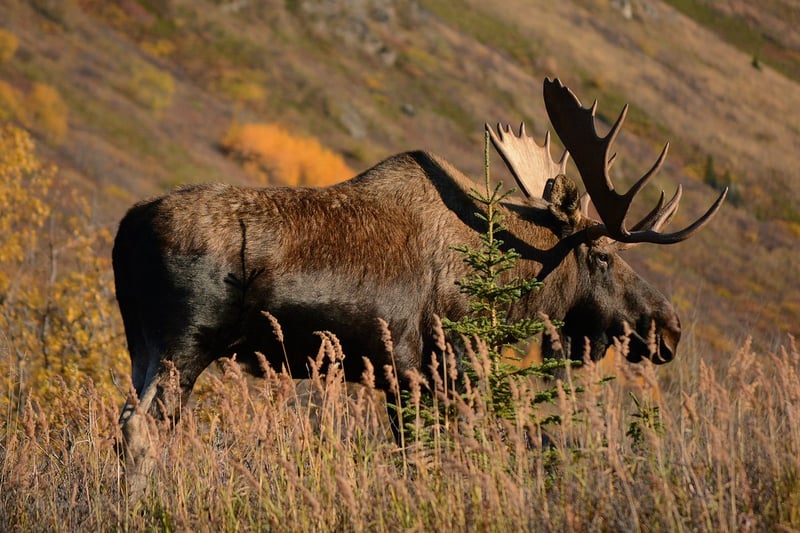
Bull moose standing in a northern wetlandOnce-in-a-lifetime draw

Moose

A once-in-a-lifetime draw in most states — and a logistics problem the size of a pickup truck once you succeed.

  • Range: Alaska, Canada & northern tier
  • Peak season: Late Sept – Oct rut

Unknown photographer / Wikimedia Commons · Wikimedia Commons

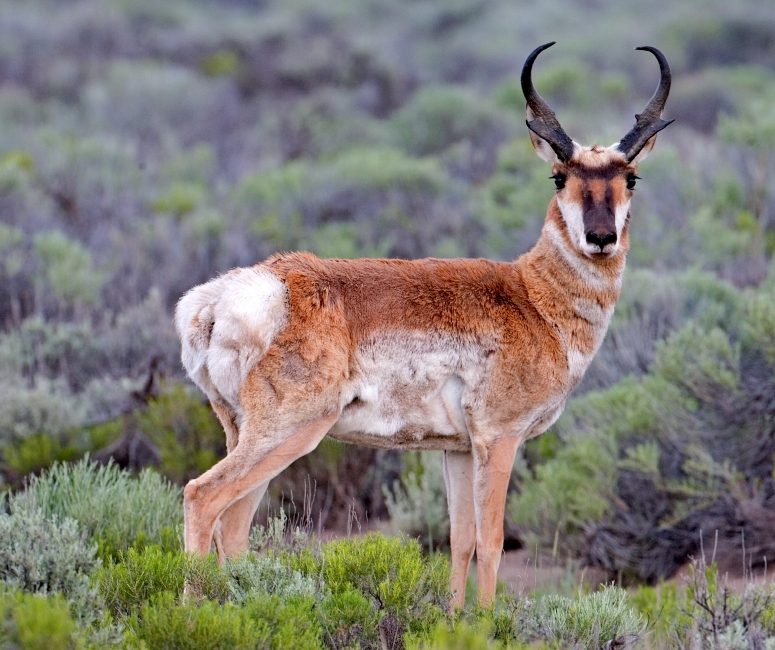
Pronghorn antelope on open prairieEasy draw, often 0–2 points

Pronghorn Antelope

The most drawable western tag, wide-open glassing country, and the best introduction to spot-and-stalk hunting.

  • Range: Wyoming, MT, NM, CO, NV
  • Peak season: Aug archery – Oct rifle

www.naturespicsonline.com / CC BY-SA 3.0 · Wikimedia Commons

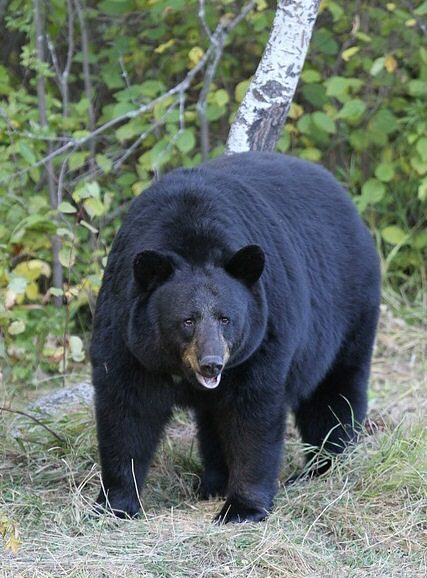
American black bear in timberOTC in most states

Black Bear

Two seasons a year, over-the-counter tags across the continent, and the most flavorful big-game meat if you handle it right.

  • Range: 40 states & all provinces
  • Seasons: Spring (Apr–Jun) & fall

Diginatur / CC BY-SA 3.0 · Wikimedia Commons

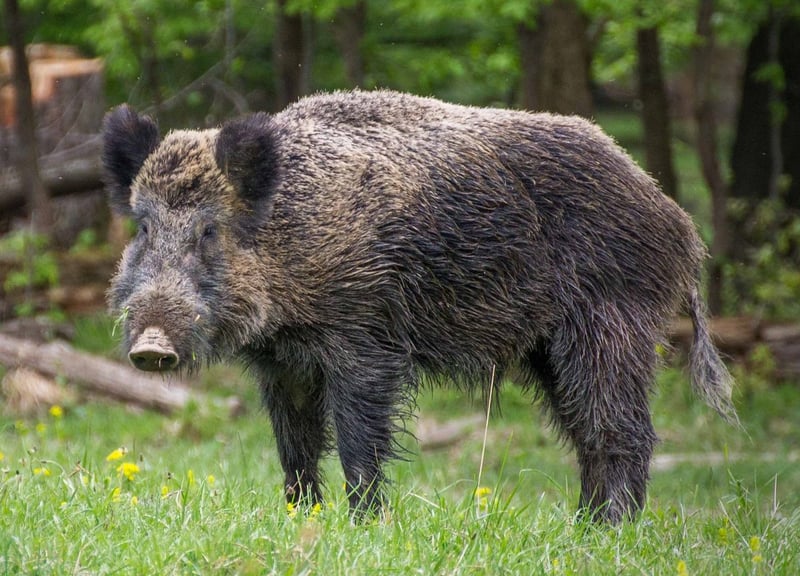
Wild boar rooting in brushLicense only; often no tag

Wild Hog

No season, no limit, and year-round action across the South. The most practice you can get on big game in a single year.

  • Range: 35+ states, worst in TX & the South
  • Season: Year-round in most states

Valentin Panzirsch / CC BY-SA 3.0 at · Wikimedia Commons

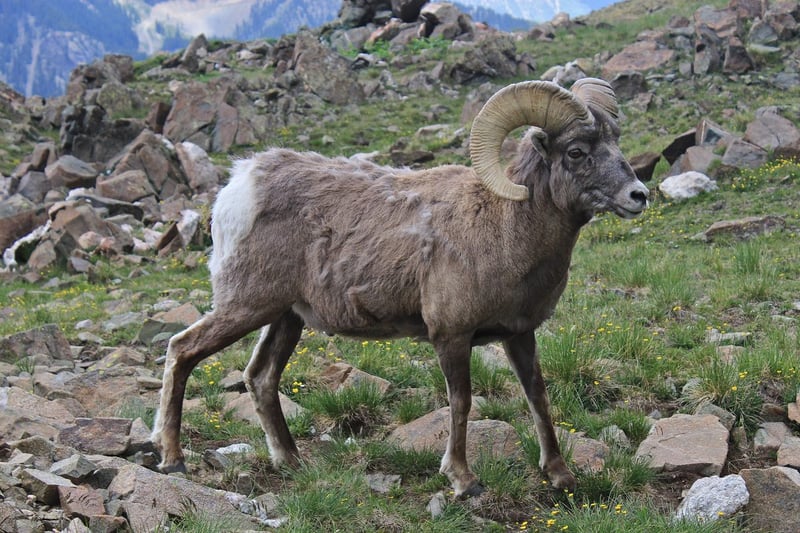
Bighorn sheep ram on a rocky slopeOnce-in-a-lifetime draw / raffle

Bighorn Sheep

The hardest tag in North America, in the steepest country, for the most storied animal in mountain hunting.

  • Range: Rockies, desert SW & Canada
  • Season: Aug – Nov, unit specific

Unknown photographer / Wikimedia Commons · Wikimedia Commons

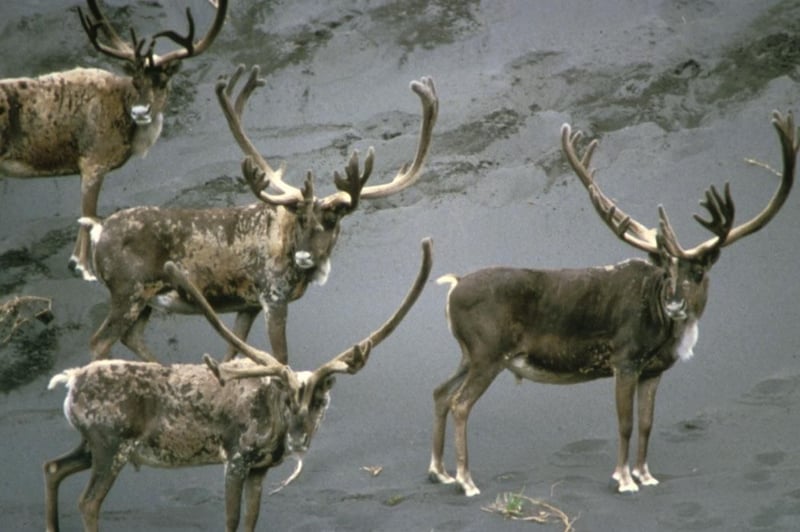
Bull caribou in velvet on open tundraOTC in AK; draw/outfitter in Canada

Caribou

Fly-in tundra camps, unpredictable migrations, and genuine wilderness solitude. The classic Alaska DIY adventure hunt.

  • Range: Alaska & northern Canada
  • Peak season: Late Aug – Sept migration

John Sarvis, U.S. Fish and Wildlife Service / Public domain · Wikimedia Commons

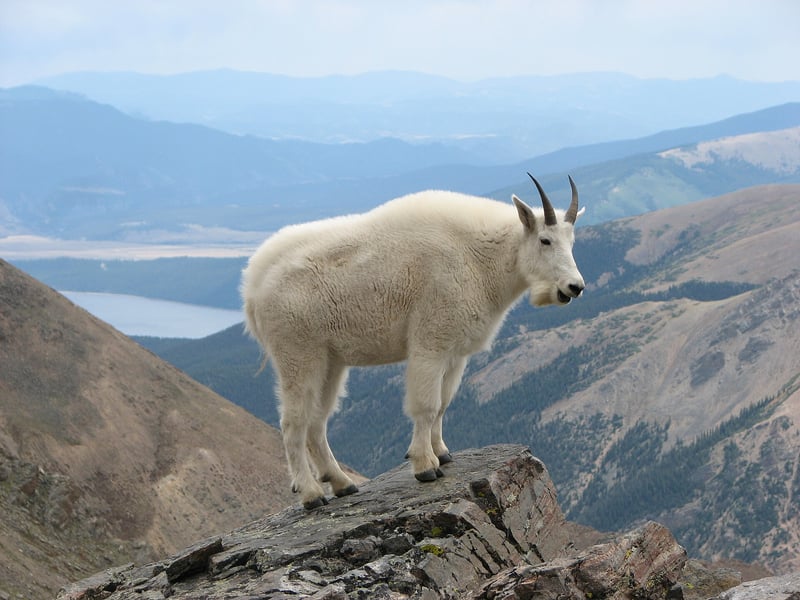
Mountain goat billy on a high alpine ridgeOnce-in-a-lifetime draw

Mountain Goat

Vertical rock, a once-in-a-lifetime tag in most states, and a trophy that lives in country few other animals can survive.

  • Range: Rockies, Cascades, coastal AK/BC
  • Peak season: Sept – Nov, unit specific

Darklich14 / CC BY 3.0 · Wikimedia Commons

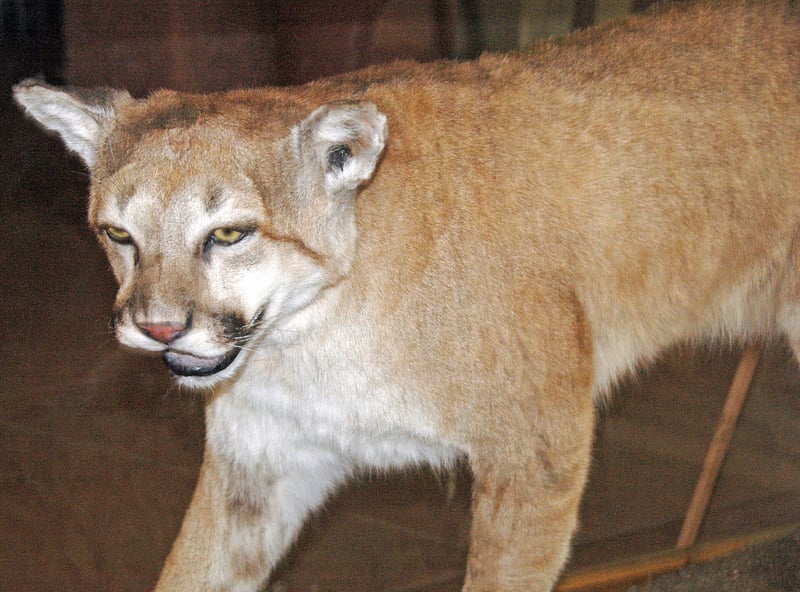
Mountain lion in low lightOTC or quota-limited by state

Mountain Lion

Cold, deep snow, and a pack of hounds on a fresh track — the classic western winter hunt where hounds are legal.

  • Range: Western states & western Canada
  • Peak season: Dec – Mar (deep snow)

James St. John / CC BY 2.0 · Wikimedia Commons

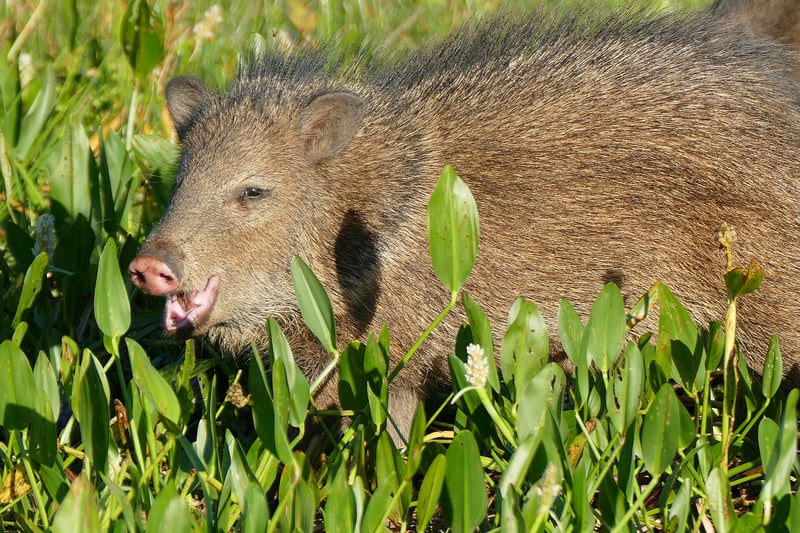
Collared peccary (javelina) feeding in desert coverOTC/draw, cheap & easy

Javelina

Affordable tags, mild winter weather, and an easy-to-learn desert spot-and-stalk hunt — a great warm-up for bigger western game.

  • Range: AZ, NM, TX desert country
  • Peak season: Jan – Feb (AZ general)

Bernard DUPONT from FRANCE / CC BY-SA 2.0 · Wikimedia Commons

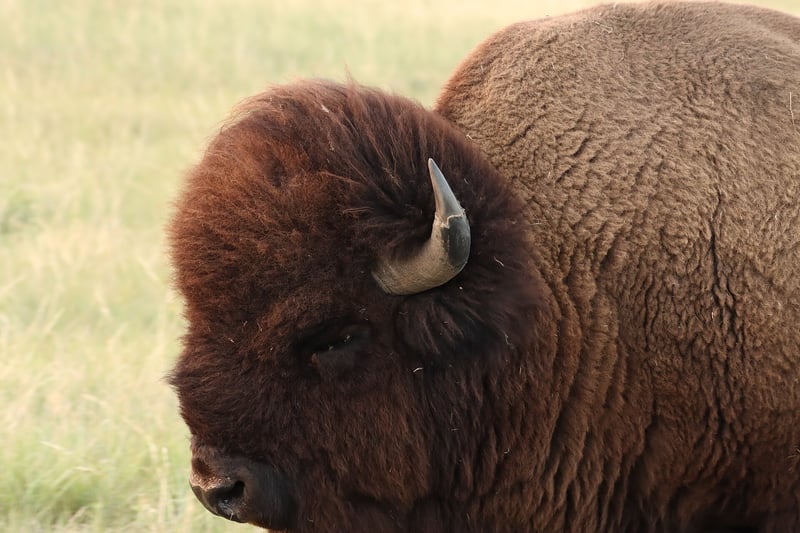
American bison bull on open prairie grassLottery draw or private herd purchase

Bison

A true lottery hunt for the biggest animal on the continent — most of the work happens after the shot.

  • Range: Utah, AZ, AK herds & tribal/private
  • Peak season: Fall – winter, herd specific

USFWS Mountain Prairie / Public domain · Wikimedia Commons

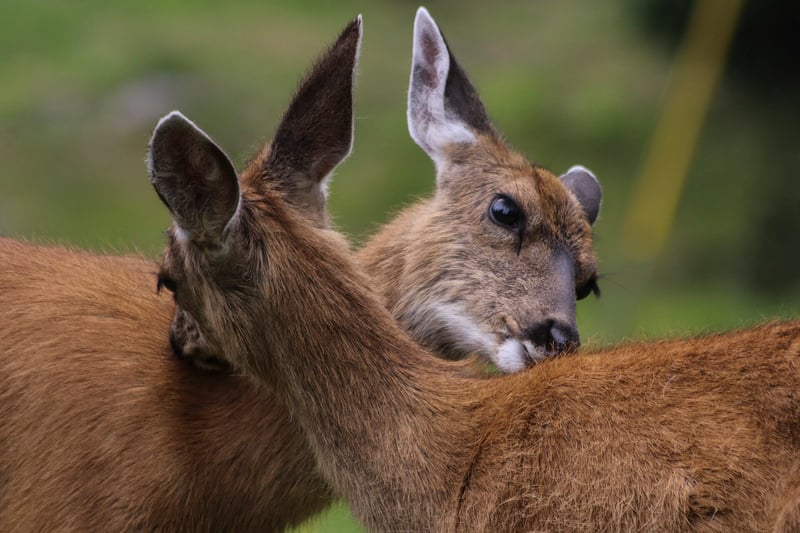
Columbian black-tailed deer in coastal green coverMostly over-the-counter

Blacktail Deer

Thick coastal timber, over-the-counter tags, and a deer that rewards quiet feet and patience more than any glassing skill.

  • Range: Coastal OR, WA, CA & BC
  • Peak season: Nov rut

Buiobuione / CC BY-SA 4.0 · Wikimedia Commons

02

Tag access at a glance

The fastest way to plan a season is to sort species by how hard the tag is to get, then work down the list from what you can hunt this fall to what you are building points toward.

SpeciesTypical tag accessRealistic waitBest beginner state
Wild hogLicense only, no limitNone — hunt this weekendTexas or Florida
Whitetail deerOver the counterNoneOhio, Kentucky, Wisconsin
Black bearOver the counter in most statesNoneIdaho, Montana, Maine
PronghornEasy draw0–2 yearsWyoming or New Mexico
ElkOTC in CO and ID; draw elsewhere0–8 yearsColorado
Mule deerMostly limited draw1–6 yearsIdaho or Wyoming
MooseOnce in a lifetime drawDecades, or book CanadaAlaska or Newfoundland
Bighorn sheepOnce in a lifetime draw or raffleLifetime lotteryNew Mexico random draw

03

How to plan a big game season from scratch

This sequence works whether you are chasing a whitetail forty minutes from home or building a five-state western application portfolio.

  1. 1Get hunter education done. It is required almost everywhere and the certificate is honored across state lines.
  2. 2Pick one animal you can hunt this year with an over-the-counter tag, and one you are applying for on a multi-year horizon.
  3. 3Build an application calendar in January listing every deadline, fee, and point purchase you intend to make.
  4. 4Read the current-year regulations for your specific unit — weapon seasons, antler restrictions, carcass transport, and check-in requirements all change annually.
  5. 5Confirm legal access before you scout: public land boundaries in a mapping app, or written private permission in hand.
  6. 6Zero the rifle or tune the bow, then practice from the positions you will actually shoot from until your group size defines your maximum range.
  7. 7Scout in person at least once. Sign, food, water, bedding, and access routes tell you more in one afternoon than a month of map study.
  8. 8Plan the meat before the shot: game bags, knives, cooler space, ice, and either a processor or a night of your own butchering.

04

What every big game hunt has in common

Species change; these five fundamentals do not. They separate hunters who fill tags most years from hunters who tell stories about the one that got away.

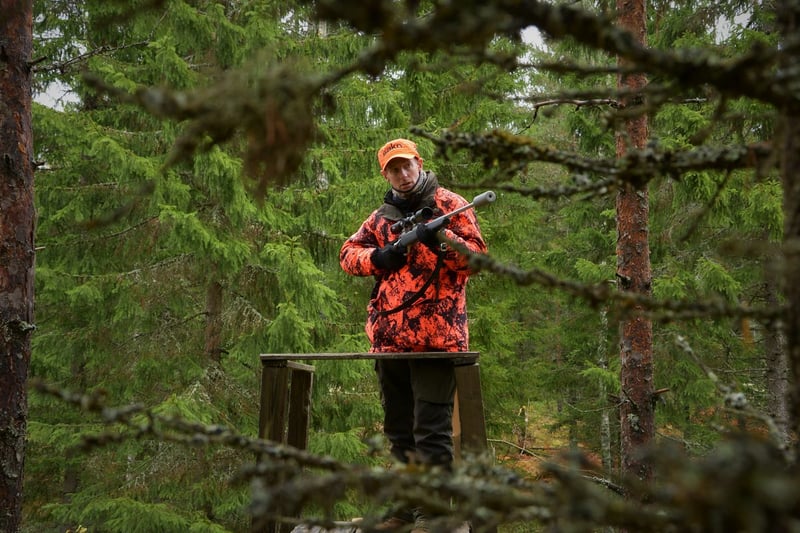
Hunter in blaze orange working a timbered ridge
Unknown photographer / Wikimedia Commons · Wikimedia Commons

Wind discipline

The whole game

Every big game animal on this page lives by its nose. Choose stands, stalks, and approach routes by the wind first and everything else second, and be willing to walk away from a perfect spot on the wrong day.

Honest maximum range

Ethics

Your ethical range is the distance at which every practice shot, from a field position, under stress, lands in a paper plate. For most bowhunters that is 30 yards; for most rifle hunters it is closer to 300 than 600.

Access beats equipment

Where you hunt

A mediocre rifle a mile from the road outperforms a custom rig at the trailhead. Distance from motorized access is the single best predictor of animal density on public land after opening weekend.

Meat care starts at the shot

Responsibility

Heat and moisture spoil game, not time alone. Skin or use the gutless method fast, bag every piece, keep the meat in shade with airflow, and get it cold. This is the part of hunting you are legally and morally judged on.

Physical preparation

Western hunts

Elk, mule deer, and sheep hunting are endurance events with a rifle. Loaded pack hikes, stair work, and altitude acclimation are training, not optional extras.

Compare species side by side

Pick the animals you're weighing against each other and compare how the tag actually gets in your pocket, when you have to apply, and when the hunting is worth the plane ticket. Every figure here comes from the state and provincial wildlife agencies cited under the table above — confirm against the current-year regulations before you apply.

Whitetail DeerTag difficulty: Easiest
How you get a tag
Over the counter in most states
Draw system
None, except IA, IL and KS nonresident draws
Realistic wait
None — buy online the week you travel
Application deadlines
Apr–Jun for IA / IL / KS only
Season window
Sep archery through Jan late seasons
When it's actually best
Rut, roughly Nov 5–20 across the Midwest
Nonresident tag cost
$150–$600
Best beginner state
Ohio, Kentucky or Wisconsin
ElkTag difficulty: Moderate
How you get a tag
OTC in CO and ID; limited draw elsewhere
Draw system
Preference points (CO, WY), bonus points (UT, AZ, NV)
Realistic wait
0 years OTC; 3–8+ years for premium units
Application deadlines
Feb (AZ), Mar–Apr (CO, NM), Apr 1 (MT), May (WY)
Season window
Sep archery, Oct–Nov rifle seasons
When it's actually best
The bugle, roughly Sep 10–30
Nonresident tag cost
$650–$1,000
Best beginner state
Colorado OTC archery
PronghornTag difficulty: Easy
How you get a tag
Easy draw; leftover tags most years
Draw system
Preference points (WY), random draw (NM)
Realistic wait
0–2 years
Application deadlines
Mar (NM), late May (WY), Apr (MT)
Season window
Aug archery through Oct rifle
When it's actually best
Sep rut for archery water sits; early Oct for spot-and-stalk
Nonresident tag cost
$300–$600
Best beginner state
Wyoming or New Mexico

Pick a species

  • Whitetail Deer Over-the-counter tags in most states, a rut you can plan a vacation around, and the best entry point into big-game hunting in North America.
  • Mule Deer Open-country glassing, long stalks, and the western draw system. The classic DIY public-land big-game hunt.
  • Elk September bugles, over-the-counter Colorado tags, and the hardest, most addictive hunt on the continent.
  • Moose A once-in-a-lifetime draw in most states — and a logistics problem the size of a pickup truck once you succeed.
  • Pronghorn Antelope The most drawable western tag, wide-open glassing country, and the best introduction to spot-and-stalk hunting.
  • Black Bear Two seasons a year, over-the-counter tags across the continent, and the most flavorful big-game meat if you handle it right.
  • Wild Hog No season, no limit, and year-round action across the South. The most practice you can get on big game in a single year.
  • Bighorn Sheep The hardest tag in North America, in the steepest country, for the most storied animal in mountain hunting.
  • Caribou Fly-in tundra camps, unpredictable migrations, and genuine wilderness solitude. The classic Alaska DIY adventure hunt.
  • Mountain Goat Vertical rock, a once-in-a-lifetime tag in most states, and a trophy that lives in country few other animals can survive.
  • Mountain Lion Cold, deep snow, and a pack of hounds on a fresh track — the classic western winter hunt where hounds are legal.
  • Javelina Affordable tags, mild winter weather, and an easy-to-learn desert spot-and-stalk hunt — a great warm-up for bigger western game.
  • Bison A true lottery hunt for the biggest animal on the continent — most of the work happens after the shot.
  • Blacktail Deer Thick coastal timber, over-the-counter tags, and a deer that rewards quiet feet and patience more than any glassing skill.

Questions

Frequently asked

What counts as big game in North America?
Big game generally means deer (whitetail, mule deer, blacktail), elk, moose, caribou, pronghorn, wild sheep, mountain goat, bison, bears, wild hogs, and in some jurisdictions javelina and mountain lion. Each is licensed individually and most require a species-specific tag in addition to a hunting license.
Which big game animal should I hunt first?
Whitetail deer if you live east of the Rockies, pronghorn if you want a drawable western hunt, and wild hog if you want year-round practice with no draw at all. All three are cheap to license, forgiving of mistakes, and teach the fundamentals that elk and sheep hunting demand.
What is the difference between preference points and bonus points?
Preference points (Wyoming, Colorado) hand tags to the highest point holders first, so the wait is predictable and a beginner cannot skip the line. Bonus points (Utah, Nevada, Arizona) add extra lottery entries, so a first-year applicant still has a small chance at any unit. New Mexico uses neither — it is a pure random draw every year.
How much does a big game hunt cost?
A resident DIY whitetail hunt can cost under $100. A nonresident DIY western pronghorn hunt runs $500–$1,200 all in, elk $1,500–$2,500, and a guided Alaska or Canadian moose or sheep hunt $10,000–$30,000. Tags are usually the smallest line item after travel.
Do I need a guide to hunt big game?
Rarely in the Lower 48. The exceptions are designated wilderness in Wyoming, which requires nonresidents to hunt with a guide or resident companion, and Canada, where nonresident aliens must hunt with a licensed guide-outfitter for most species. Alaska requires guides for brown bear, sheep, and mountain goat but not moose or black bear.
When should I apply for western tags?
Most deadlines fall between February and June: Arizona in February, New Mexico and Colorado in March and April, Montana on April 1, and Wyoming and Montana antelope in late May and June. Build a calendar in January and apply even in years you cannot travel, because a skipped year is a lost point.


Also on The Wild10

Fishing Guides

Fish identification, the knots that hold, lure selection by conditions, and the habits that fill a stringer.

Open the fishing hub →
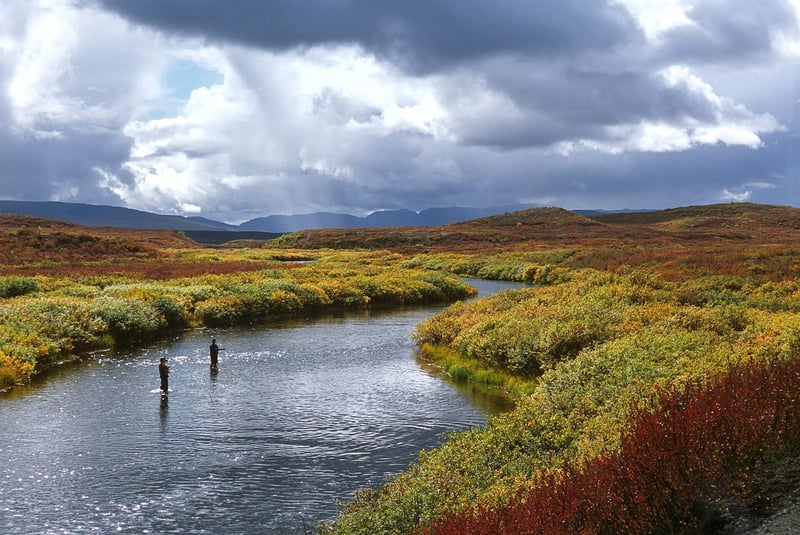
Fly angler casting on a clear northern river