


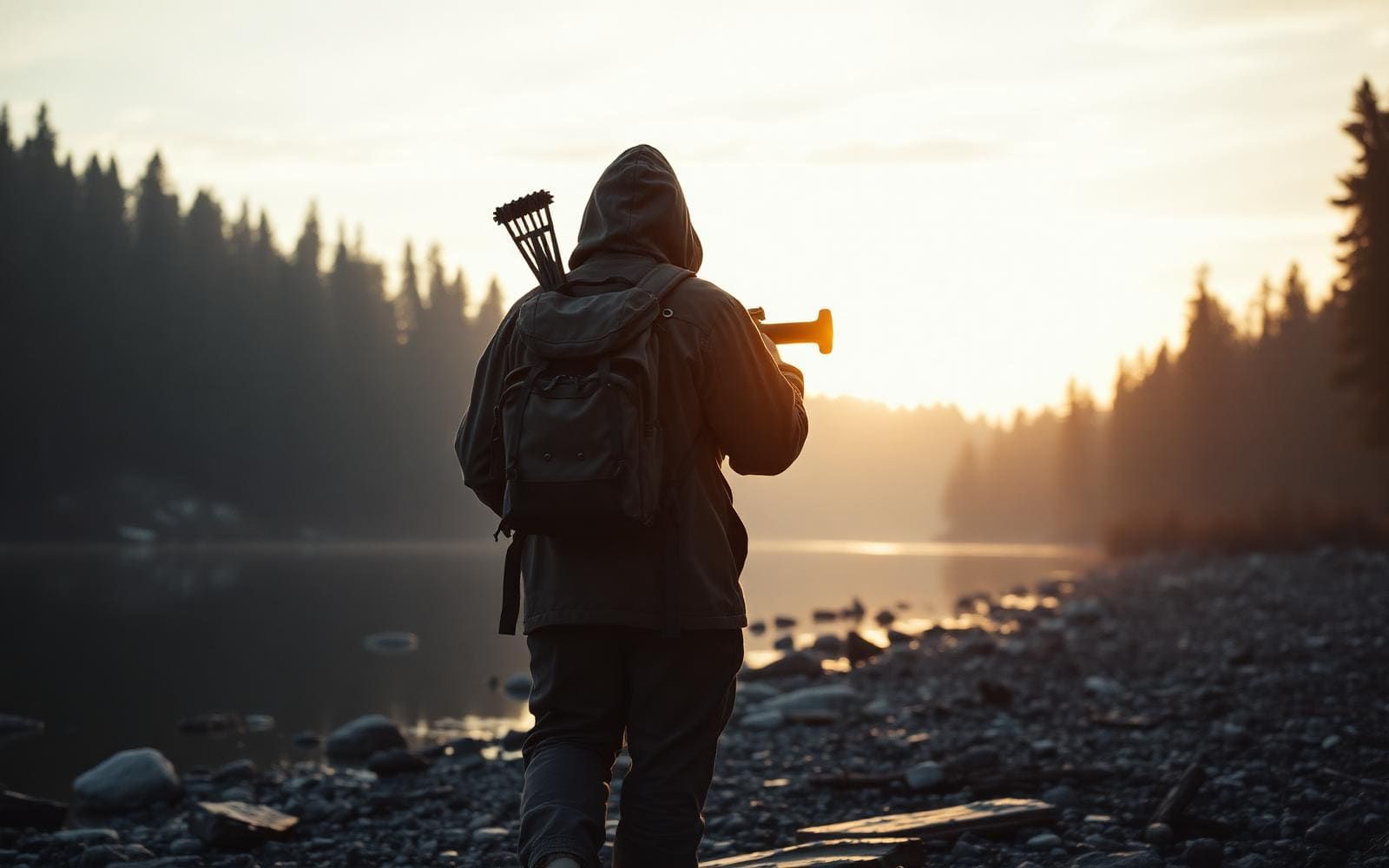
What Happened
Season 7 of Alone was framed around a single, uncompromising threshold: reach 100 days in the subarctic wilderness of the Northwest Territories to claim the $1 million prize. By Episode 10, "Pins and Needles," the contest had shifted from a dynamic test of procurement skills into a grim, static exercise in biological preservation. With only a handful of participants surviving deep into the dead of winter, the cumulative impact of prolonged malnutrition and sub-zero temperatures brought about a decisive intervention.
On Day 89, Callie Russell was officially medically evacuated from the field after medical staff evaluated severe frostbite on her toes. Russell's removal brought an end to one of the most resilient, composed campaigns in the history of the franchise, officially cementing her as the season's runner-up. The extraction was not a voluntary tap; it was a non-negotiable medical pull triggered by the protocol to prevent irreversible peripheral tissue necrosis.
At 89 days, the human body has exhausted nearly all accessible subcutaneous fat reserves. When systemic starvation collides with prolonged ambient exposure well below zero Fahrenheit, the autonomic nervous system aggressively shunts blood flow away from the extremities to maintain core temperature around vital organs. For Russell, whose ability to manage camp life, foraging, and shelter maintenance had remained steady for nearly three months, the physiological margin simply ran out. The medical check revealed localized tissue damage that rendered continued stay impossible without risking amputation.
Who Is Under Pressure
Following Russell's Day 89 extraction, the remaining survivalists face an increasingly narrow path to the 100-day milestone. The psychological weight of losing a competitor at this stage is heavy, but the physiological pressure is immediate and uncompromising.
At this phase of late-winter survival, the threat model changes. Earlier in the season, success depends on procurement strategies—gill nets, deadfall traps, big-game hunting, and active food caching. By late winter, caloric procurement drops near zero as water bodies freeze under feet of solid ice, small game enters torpor or avoids deep snow, and blizzards restrict movement. Participants shift from hunters to cold-storage occupants, balancing the energy burned gathering firewood against the thermal benefit of an open flame.
Under chronic caloric restriction, metabolic heat production slows dramatically. A healthy, well-fed adult can generate significant internal heat through digestion and standard metabolic activity. A participant starving after almost three months generates a fraction of that baseline wattage. Every hour spent outside a sleeping system becomes a deficit. For the survivors left on the ground, the margin of error for routine tasks—drying boots, splitting frozen logs, or tending coals—has contracted to zero. A wet sock or an accidental tear in an outer shell is no longer an inconvenience; it is a condition for immediate evacuation.
Gear That Mattered
Episode 10 highlights the fundamental limitations of cold-weather survival gear when pushed beyond reasonable design thresholds. No consumer gear is engineered to operate continuously for 90 days in sub-zero humidity, saturated woodsmoke, and freezing mud without a dry indoor staging area for maintenance.
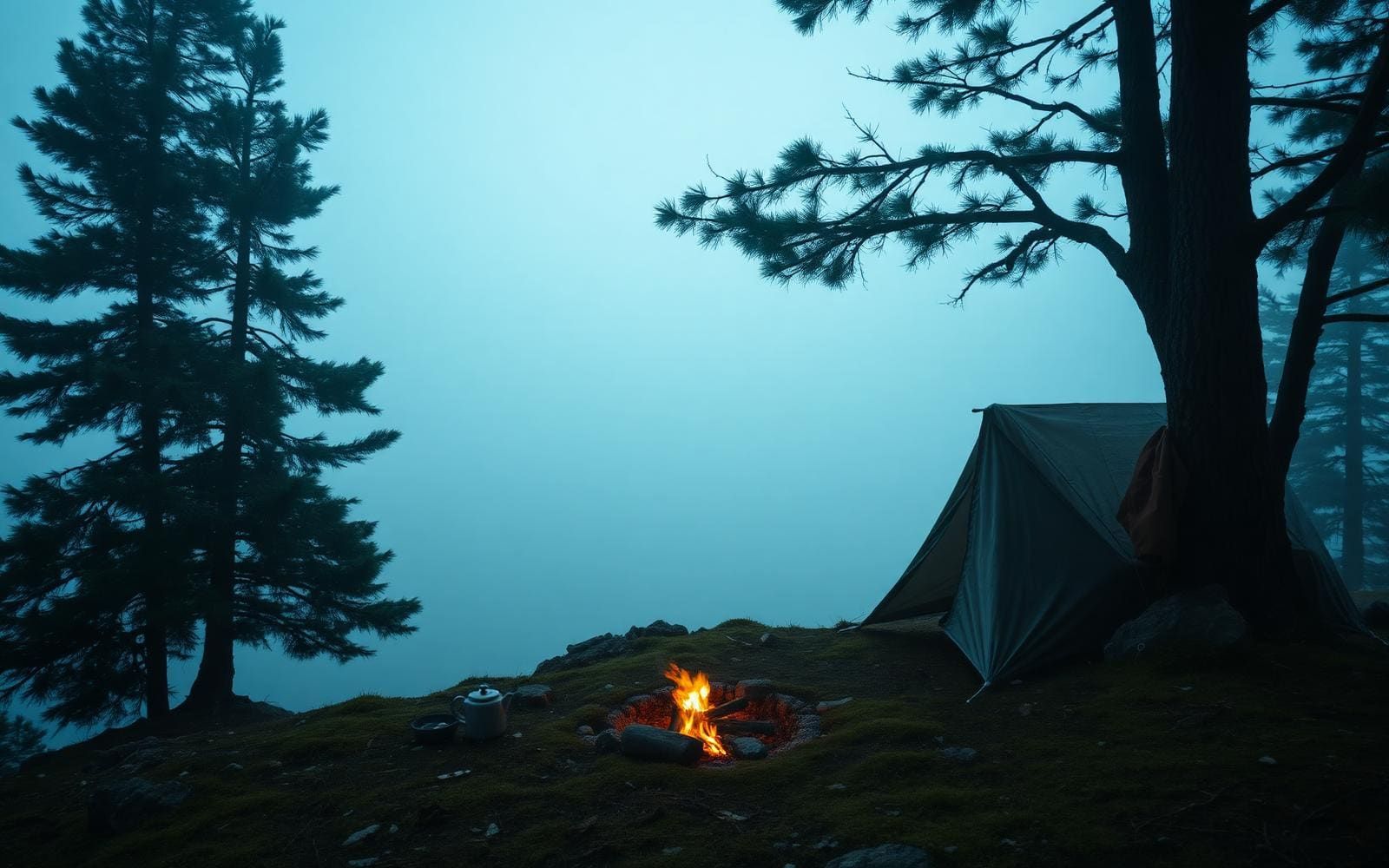
Footwear and Insulation Systems
Frostbite on the digits rarely stems from an acute cold snap alone; it is typically the result of chronic moisture accumulation within the footwear system. In long-term cold-weather operations, foot health relies on continuous vapor management. Perspiration released by the foot migrates into the wool socks and the lining of winter boots. Without a warm, dry hearth to completely bake out that moisture each night, sweat accumulates in the fibers, turning high-loft wool into a dense, conductive heat sink.
Once insulative loft is lost to ice crystals and dampness, thermal conduction rapidly pulls heat from the toes into the frozen soil and ambient air. Leather boot uppers freeze rigid overnight, reducing circulation by compressing the foot when laced. The resulting combination—damp insulation, tight footwear restricting capillary flow, and core-level vasodilation deficits—inevitably leads to frostbite.
Sleeping Systems and Bivy Enclosures
At Day 89, the participant's sleeping bag is their primary life-support system. Down or high-grade synthetic bags require careful management to prevent frost buildup along the perimeter and near the footbox. As the sleeper breathes and radiates trace moisture, water vapor travels outward toward the freezing exterior fabric, where it condenses and freezes inside the outer baffle layers. Over nearly three months, this build-up degrades the thermal rating of the bag. A sleep system rated to -40 degrees Fahrenheit can easily degrade to a -10 rating if internal moisture cannot be purged by dry heat or direct sunlight, neither of which is readily available in a dark northern winter.
Wood-Processing Tools
An axe and a folding or bow saw become critical tools of survival in deep winter. When the body lacks calories, bucking and splitting dense, frozen birch or spruce demands heavy physical exertion that burns critical glycogen reserves. However, failing to harvest enough dry deadfall ensures the fire will die overnight, forcing the body to rely entirely on its compromised sleeping bag. An axe with a nicked edge or loose handle becomes a liability; an inefficient cut wastes energy that the survivor cannot afford to replace.
Standings
The field in the Northwest Territories is narrowed to its final stage:
- Callie Russell: Medically evacuated on Day 89 due to frostbitten toes. Finished as the season's official runner-up after demonstrating elite campcraft, psychological equilibrium, and endurance.
- Remaining Competitors: The surviving field now stands fewer than two weeks away from the mandatory 100-day finish line, facing extreme physical atrophy and escalating cold.
Russell’s departure marks the end of an exceptional individual performance. To reach 89 days in one of the most unforgiving environments selected by the production team is a testament to top-tier bushcraft, efficient calorie rationing, and emotional control under isolation.
Bottom Line
Episode 10 of Season 7 strips away romanticized notions of wilderness survival and exposes the clinical boundaries of human biology. Callie Russell did not tap out due to isolation, homesickness, or broken spirits; she was pulled by physicians because human tissue freezes when starvation shuts off peripheral circulation.
Survival at the 90-day mark ceases to be about outdoor skills and becomes a test of cellular endurance. Gear degrades, footwear accumulates moisture, and the human furnace runs out of fuel. For the survivors remaining on the ground, the final stretch toward Day 100 will not be won by tactical ingenuity, but by whether their bodies can withstand systemic cold before the medical team orders them out.
Build the kit you just watched
Every item below is ranked from field use — no filler, no budget picks.
- The 10 items, rankedWhat actually survives 100 days — our tested picks for every slot on the list.
- Best bushcraft axesThe axe is the highest-leverage pick in the game. Here are the ones worth the weight.
- Best bushcraft knivesEvery winner carried one. These are the fixed blades that hold up to a full season.
- What the winners carriedSeason-by-season loadout analysis of every Alone champion.