


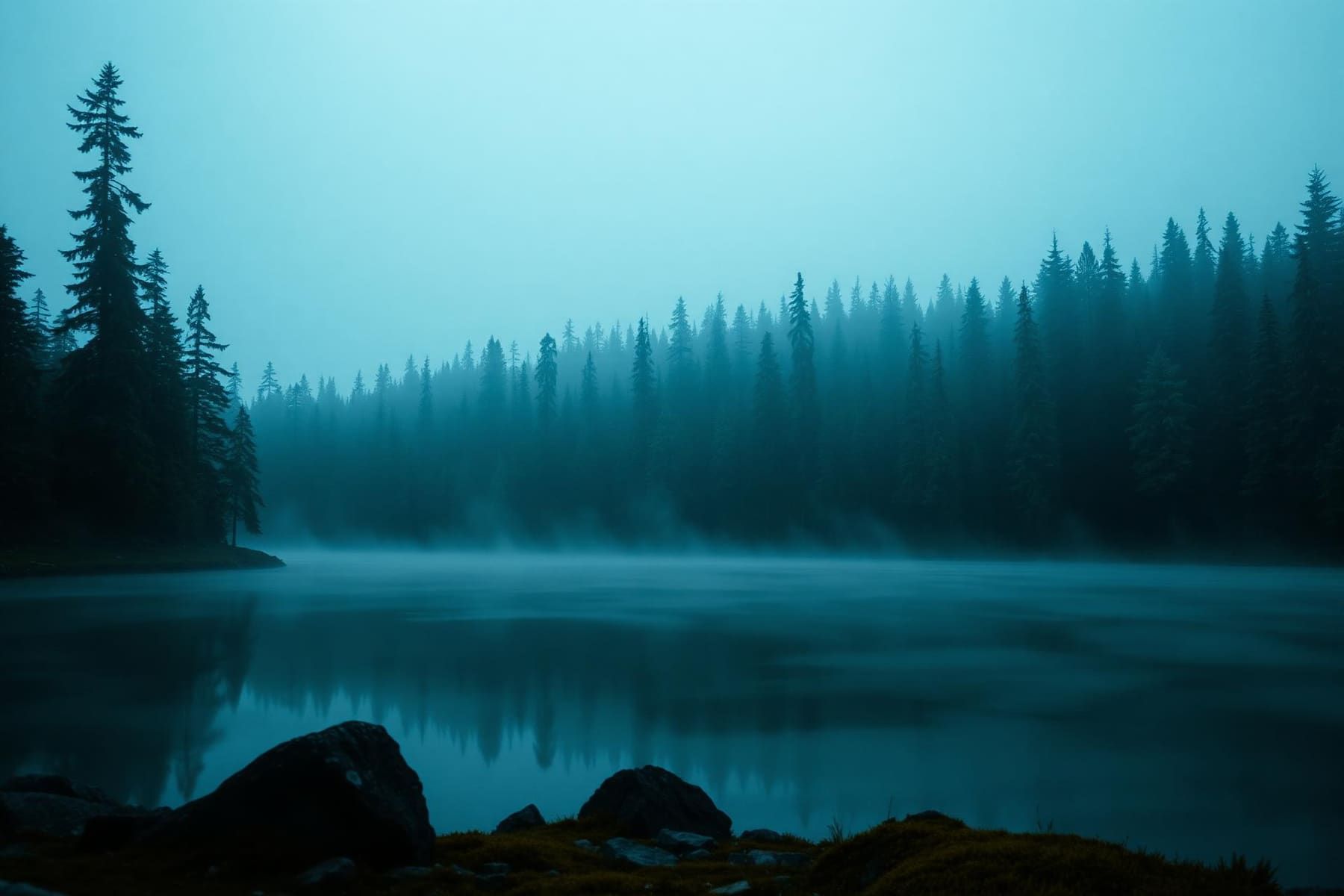
The sixth season of Alone establishes a decisive shift in geography and consequence. Relocating from the temperate maritime rainforests of Vancouver Island and the scrublands of northern Patagonia, the production pushed north of the 60th parallel to the East Arm of Great Slave Lake in Canada's Northwest Territories. Dubbed "The Arctic" by the network, this territory sits just south of the Arctic Circle, characterized by exposed Precambrian Canadian Shield bedrock, stunted boreal spruce, muskeg, and an inland freshwater sea capable of generating severe microclimates. The premiere, titled "Icebreaker," introduces ten new survivalists to this landscape, where the seasonal window before full winter lockup is narrow, and the thermal demands are immediate.
From the drop, the landscape imposes a non-negotiable operational timeline. Unlike previous coastal venues where baseline temperatures remained moderate for weeks despite constant damp, sub-Arctic autumn drops toward freezing rapidly. The margin for operational error shrinks to days rather than weeks.
What Happened
Ten participants were inserted at isolated points along the lake’s rugged shoreline. The initial protocol in any solitary survival scenario mandates three competing priorities within the first seventy-two hours: establishing clean water access, securing a fire source, and constructing emergency shelter against wind and precipitation.
Great Slave Lake provided an immediate water source, eliminating the dehydration hazards common to arid deployments. However, fire-building and initial shelter establishment exposed the structural challenges of the East Arm. The regional flora—predominantly black spruce, jack pine, willow, and birch—presents a double-edged reality. Birch bark supplies excellent tinder loaded with flammable betulin oils, but wind driven off open water and damp forest duff complicate rapid combustion. Several participants faced immediate resistance coaxing stable embers into sustained hearth fires, burning valuable daylight and finite physical energy.
Early shelter configurations ranged from temporary lean-tos designed for quick warmth to ambitious permanent footprints aimed at sub-zero insulation. The physical terrain, marked by broken granite plates and loose talus, immediately complicated both shelter excavation and footing.
That footing proved decisive early. On Day 4, contestant Tim Backus suffered a severe physical setback that triggered the season's first emergency communications check. Following an on-site assessment by the extraction team, Backus was medically evacuated from the field. Four days of exposure was all it took to reduce the field from ten to nine, underlining how quickly mechanical injuries override bushcraft knowledge in high-consequence environments.
Who Is Under Pressure
The immediate loss of Tim Backus on Day 4 places structural pressure on the remaining nine participants. An extraction this early shifts the psychological baseline of the camp. It demonstrates that the terrain itself—slick granite, deadfall, and uneven shoreline—is as dangerous as the impending sub-zero temperatures.
The remaining field faces severe caloric trade-offs. In sub-Arctic late autumn, ambient daytime temperatures demand continuous metabolic expenditure simply to regulate core body heat. Every hour spent adjusting poorly drafted shelter frames or re-striking failed fire lays represents burned glycogen that cannot be easily replaced. With fish activity changing as the lake cools and large game requiring permits, scouting, and luck, anyone struggling with baseline infrastructure by Day 4 is already operating at a net caloric deficit. The pressure is highest on participants who opted for complex shelter designs; they must complete windproof, insulated structures before the first hard freeze closes the window for harvesting flexible boughs and moss.
Gear That Mattered
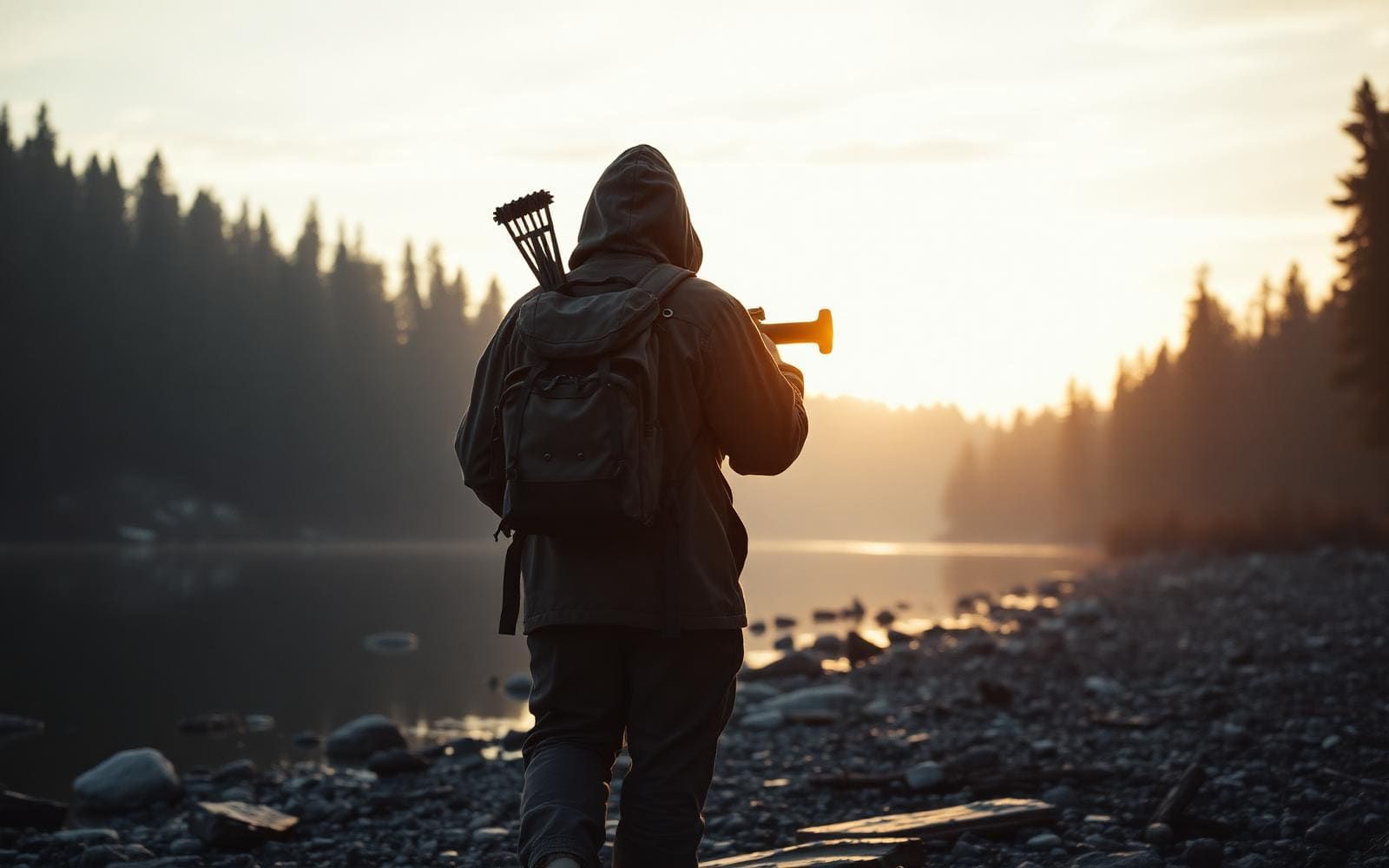
The episode highlighted the dividing line between theoretical gear utility and actual sub-Arctic function. While each participant selects ten items from a standardized list, initial deployment brings specific tools to the forefront.
The Cutting Edge: Saws vs. Axes
In the boreal forest, fuel wood processing is an everyday survival tax. Participants relying heavily on felling axes versus folding or bow saws faced immediate ergonomics checks. Axes deliver fast work on heavy green timber and processing stakes into rocky ground, but they demand higher caloric output and elevate the risk of glancing blows against tired legs. Saws offer controlled, energy-efficient processing of standing deadwood, which is critical for sustaining nighttime hearth fires without burning through thousands of calories.
Ferrocerium Rods
Fire-starting equipment served as the hinge point between success and dangerous hypothermia. While natural tinder like birch bark is plentiful across the Northwest Territories, damp lake moisture clings to fine kindling. Survivalists utilizing ferrocerium rods had to display meticulous hearth preparation. A high-spark ferro rod is worthless if the secondary kindling layer consists of moisture-heavy spruce twigs. The struggle seen in the episode underscored that ignition is only ten percent of the fire equation; bed preparation and air-flow management dictate whether a camp warms up or goes dark.
Tarps and Ground Insulation
The standard heavy-duty tarp served as the primary weather barrier for the initial phase. However, a tarp alone provides zero R-value. The rock and frozen ground of Great Slave Lake function as thermal sinks, drawing heat away through conduction. Success in the first ninety-six hours depended heavily on whether participants prioritized deep bough beds—layering spruce and pine needles dozens of inches thick—before investing time into vertical shelter walls.
Standings
The season opened with ten participants. By the close of the premiere, the field stood at nine:
- Tim Backus: Medically evacuated on Day 4.
- Nine unnamed active participants: Still in the field, managing active base camps along the East Arm of Great Slave Lake.
Backus's Day 4 medical tap marks one of the earliest exits in the history of the series, shifting the dynamic from an open-ended contest of endurance to an immediate battle of attrition against environmental hazards.
Bottom Line
Season 6 immediately validates the production's decision to shift the theater to sub-Arctic Canada. The East Arm of Great Slave Lake does not permit casual acclimation. Tim Backus’s Day 4 medical extraction serves as an unvarnished reminder that wilderness survival is fundamentally mechanical before it is psychological. A slip on wet rock or a miscalculated step in broken talus ends a campaign just as definitively as starvation. With nine survivalists left to face plunging temperatures, the focus now turns to who can complete a thermally sound shelter and secure a stable food supply before the Arctic winter seals the lake.
Build the kit you just watched
Every item below is ranked from field use — no filler, no budget picks.
- The 10 items, rankedWhat actually survives 100 days — our tested picks for every slot on the list.
- Best bushcraft axesThe axe is the highest-leverage pick in the game. Here are the ones worth the weight.
- Best bushcraft knivesEvery winner carried one. These are the fixed blades that hold up to a full season.
- What the winners carriedSeason-by-season loadout analysis of every Alone champion.