


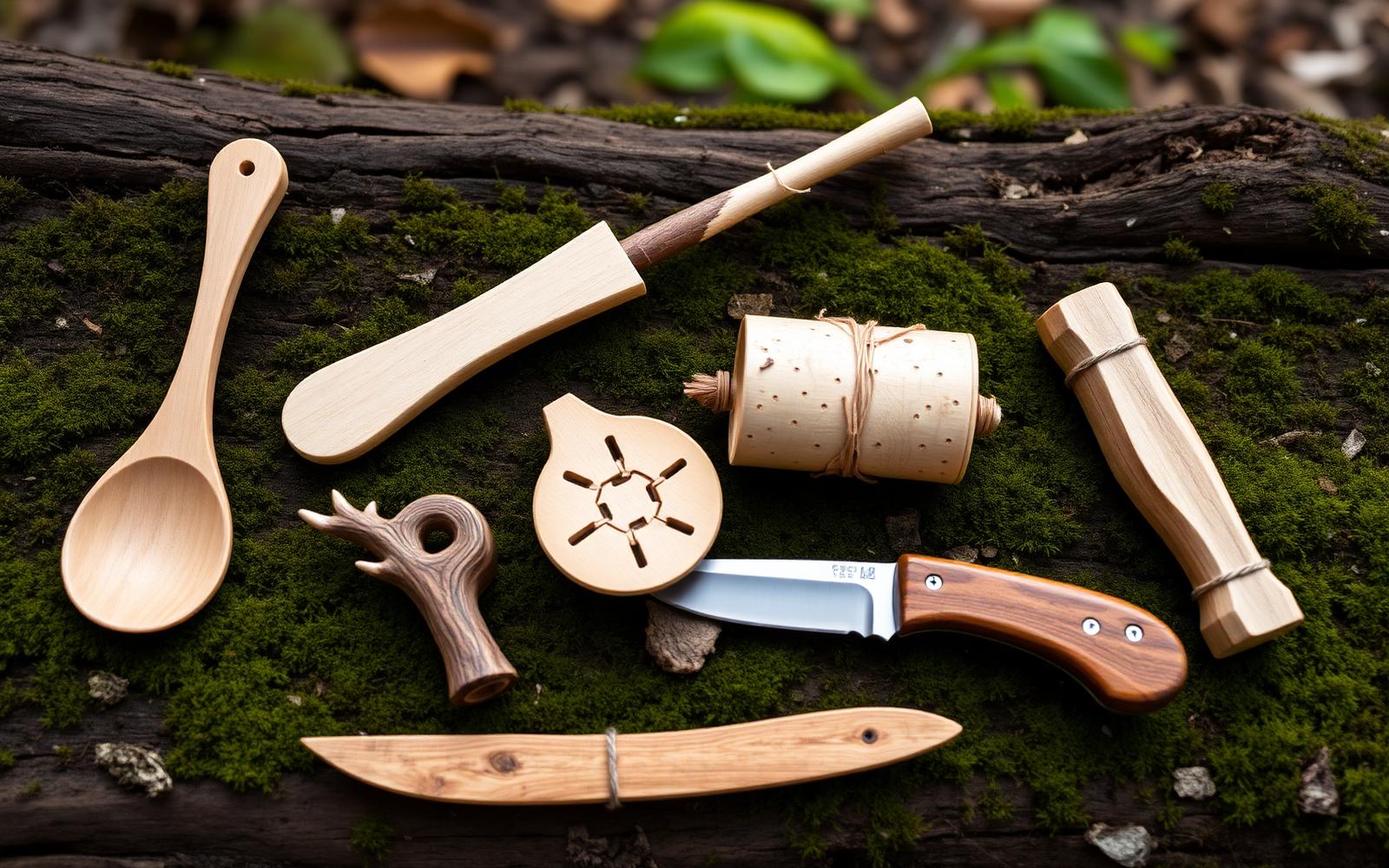
Wood-processing tools overlap, but they are not interchangeable. A folding saw cuts across grain efficiently, an axe chops and splits with leverage, and a hatchet offers compact one-handed utility at the cost of reach and margin. The right choice depends on permitted use, wood size, climate, experience, and whether a fire is necessary at all.
Choose a saw for efficient crosscuts
A quality folding saw is often the best general camp tool for cutting deadwood to length. It requires less skill and usually less energy than chopping, creates predictable cuts, and packs safely when closed. Blade length limits diameter, and binding can damage blades if the kerf closes. Support the wood, keep hands out of the cut path, and let the teeth work without twisting.
Choose an axe for sustained splitting and chopping
A properly sized axe provides two-handed control and power for larger wood. It can split rounds, limb downed material, and perform controlled chopping when the user has training and a safe work area. The swing arc, rebound, glancing blows, and fatigue create serious hazards. Maintain distance from others, clear overhead and ground obstructions, and use a stable chopping block when possible.
Choose a hatchet for compact tasks with caution
A hatchet is easy to carry and useful for splitting small fuel, driving appropriate stakes, and light shaping. Its short handle places the edge closer to legs and hands, however, and encourages risky one-handed swings. Kneeling techniques, stable work support, and restrained power can reduce exposure. Do not hold small pieces upright near the strike zone.
Consider a knife only for modest splitting
Batoning can split small, straight-grained pieces to reach dry interior wood, but it is not a substitute for every other tool. Avoid knots, excessive blade flex, striking the tip, and work that exceeds the knife design. Use a wooden baton rather than a rock or metal object. If splitting is central to the trip, carry the tool built for it.
Tool comparison
| Tool | Best at | Advantages | Main risk or limit |
|---|---|---|---|
| Folding saw | Crosscutting | Efficient, compact, lower skill threshold | Blade binding and breakage |
| Axe | Chopping and larger splitting | Power and leverage | Large swing arc and severe injury potential |
| Hatchet | Small splitting and camp tasks | Compact and versatile | Edge remains close to body |
| Knife and baton | Small straight-grained splits | Uses an existing tool | Can damage knife or encourage overreach |
Common mistakes to avoid
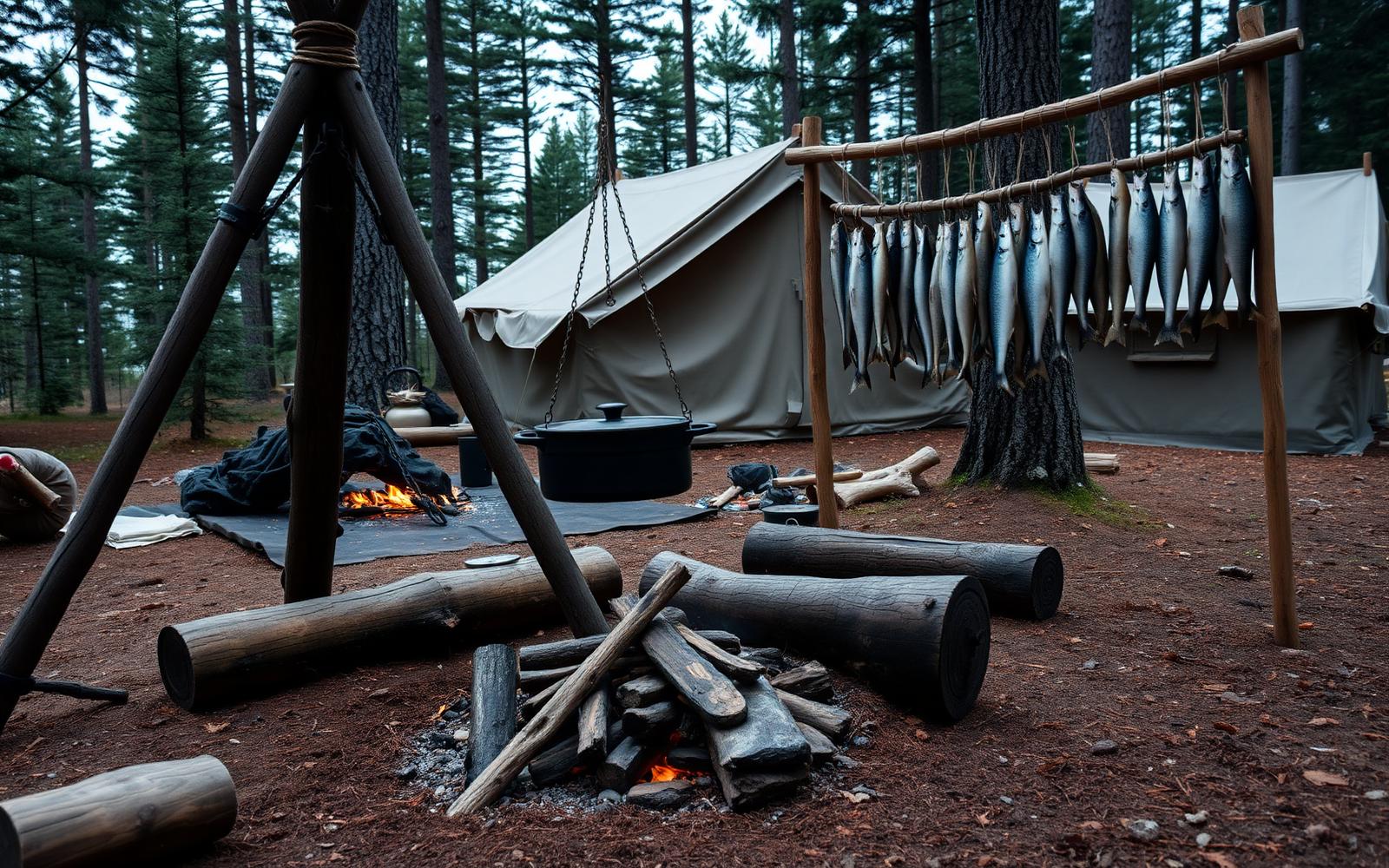
- Selecting by toughness theater: The heaviest tool is not automatically the safest or most efficient.
- Working on unstable wood: Rolling rounds and spring-loaded branches move unexpectedly.
- Ignoring the no-fire option: Stoves and insulation often solve the need with less impact.
Field checklist
- Confirm wood gathering and fire rules
- Inspect handles, heads, locks, blades, and sheaths
- Clear a full work radius
- Use eye protection and stable support
- Stop when fatigue reduces accuracy
Frequently asked questions
Is a saw safer than an axe?
It generally has a smaller hazard zone and lower energy, but it can still cut deeply or break if twisted. Technique remains essential.
What size axe is best for camping?
Match handle length and head weight to the wood and your experience. Many campers are better served by a saw and small splitting tool.
Can I chop standing dead trees?
Do not assume so. Standing deadwood may be habitat, a hazard, or protected. Follow local rules and favor dead-and-down material where gathering is permitted.
Final word
Carry the lightest tool that safely handles the expected work. Skill is not demonstrated by making every piece of wood fear for its life.