


Bushcraft begins with a simple promise: learn to meet ordinary needs outdoors with skill, judgment, and a modest kit. It is not a shopping contest, a costume, or a race to build a log cabin before lunch. Beginners improve fastest when they practice small tasks close to home, measure results, and treat every knife cut, fire, and water source as a real safety decision.
Start with four core capabilities
Build your first practice plan around shelter, fire, water, and food preparation. Shelter includes choosing a safe site, managing wind and rain, and staying insulated from the ground. Fire means preparing tinder, kindling, and fuel before ignition rather than waving a ferro rod at a damp log. Water means carrying enough, finding more, and using a treatment method correctly. Food preparation is less about heroic foraging and more about operating a stove, handling a knife safely, and keeping camp clean.
Use a small, dependable practice kit
A beginner kit can be compact: weather-appropriate clothing, a fixed-blade or sturdy folding knife, a folding saw, a metal container, a tarp, cordage, a lighter, a ferro rod, first-aid supplies, navigation tools, illumination, food, and treated water. The exact brands matter less than familiarity. A cheap tool you have used fifty times is usually more useful than a premium tool whose packaging has enjoyed more daylight than the blade.
Practice in controlled conditions
Begin in a backyard, established campsite, or familiar public area where help is close and fires are permitted. Work in short sessions. Pitch the same tarp three ways, boil water in poor weather, make feather sticks from damp wood, and pack the kit again with cold hands. Controlled practice exposes weak systems without turning a lesson into an evacuation. Record time, fuel use, failures, and what you wished had been easier.
Add difficulty one variable at a time
Do not combine your first solo overnight, first winter camp, first navigation exercise, and first attempt at gathering wild food. Increase one variable while keeping the others familiar. Move from fair weather to rain, from a campground to a short walk-in site, or from daylight practice to an evening session. This approach feels less cinematic, but competence is built by useful repetitions, not by manufacturing emergencies.
A sensible beginner progression
| Stage | Practice | Success standard |
|---|---|---|
| 1 | Tarp, knots, stove, knife safety at home | Complete every task without rushing |
| 2 | Day trip with full kit | Stay organized, dry, hydrated, and on route |
| 3 | One night at an established site | Sleep safely and leave a clean camp |
| 4 | Short walk-in overnight | Carry and use the same systems away from the car |
| 5 | Poor-weather practice | Maintain shelter, heat, and water with a conservative exit plan |
Common mistakes to avoid
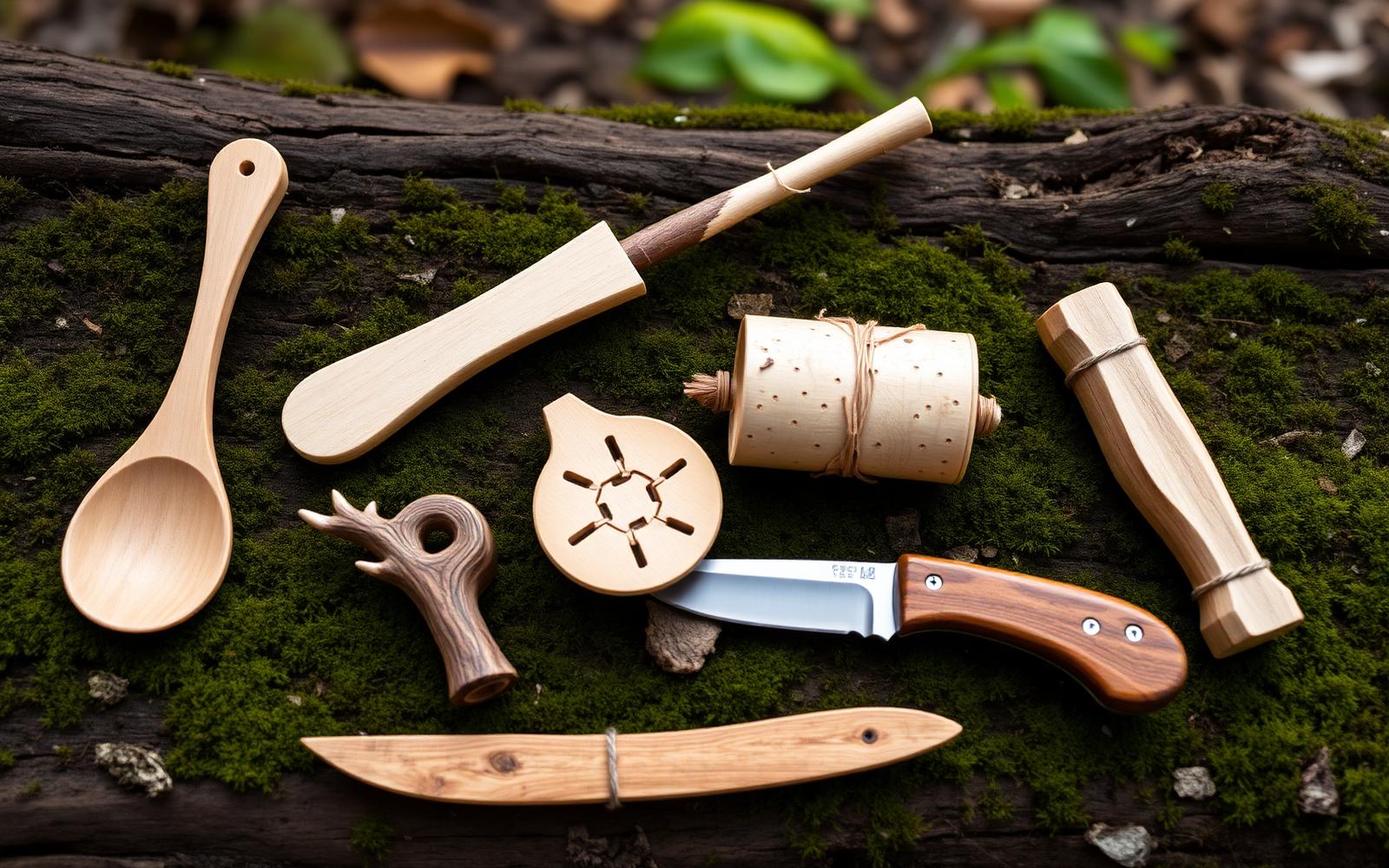
- Buying before practicing: Gear cannot tell you where to pitch a shelter or when to turn around.
- Practicing only in perfect weather: A system that works only in sunshine is a patio system.
- Treating natural materials as free: Cutting live wood, building structures, and making fires may be restricted or harmful.
Field checklist
- Confirm land rules, fire restrictions, weather, and an exit plan
- Carry the Ten Essentials plus activity-specific equipment
- Tell someone where you are going and when to expect you back
- Practice one new skill and rely on familiar systems for everything else
- Pack out waste and restore the site
Frequently asked questions
What should a beginner learn first?
Learn campsite selection, basic tarp pitching, safe cutting technique, reliable ignition, water treatment, and simple navigation before attempting elaborate crafts.
Do I need a large knife?
No. A controllable blade with a secure handle is more useful than a large blade chosen for appearance. Use a saw or axe for jobs the knife should not perform.
Can I practice bushcraft on public land?
Sometimes, but rules vary widely. Verify cutting, gathering, fire, camping, and structure-building regulations for the exact property before practicing.
Final word
Bushcraft becomes valuable when its lessons make ordinary outdoor travel calmer. Build reliable habits, protect the land, and keep your ego smaller than your emergency plan. The woods have no interest in your follower count.