



Cold-weather camping magnifies small errors in moisture control, insulation, calories, daylight planning, and equipment operation. A beginner should start near a reliable exit, in moderate cold, with tested gear and a forecast that leaves margin. Winter is an excellent teacher, but its grading policy can be severe.
Build warmth from the ground up
Use a sleeping pad system with adequate insulation for the conditions and a bag or quilt with realistic comfort margin. Protect both from moisture. Wear dry base layers to sleep and keep tomorrow’s critical clothing from freezing or becoming damp. A hot-water bottle can add comfort when the container is secure and heat-safe, but it does not replace adequate insulation.
Manage sweat before it becomes cold
Start moving slightly cool and adjust layers early. Vent shells, remove insulation during exertion, and protect dry layers in waterproof storage. Cotton holds moisture and can be a poor choice in cold, wet conditions; select fabrics appropriate to the environment. Change wet socks and base layers promptly. Drying soaked equipment in prolonged cold may be difficult or impossible.
Protect water, batteries, and fuel systems
Keep water accessible and prevent containers from freezing by using insulated sleeves, storing bottles upside down when appropriate, and managing them inside the shelter without spills. Some filters can be ruined by freezing. Battery performance declines in cold, so keep critical electronics warm and carry backups. Stove behavior varies by fuel type and temperature; follow manufacturer guidance and never cook in an enclosed sleeping area.
Recognize when the trip should end
Uncontrolled shivering, confusion, loss of coordination, unusual behavior, worsening numbness, wet insulation, equipment failure, and unexpected weather are reasons to act early. Warm the person, add dry insulation, provide appropriate food and fluids if alert, and evacuate or call for help as needed. Do not wait for symptoms to become dramatic before respecting them.
Cold-weather system priorities
| System | Primary goal | Backup |
|---|---|---|
| Sleep | Insulate from ground and air | Extra pad or emergency insulation |
| Clothing | Stay dry while moving and warm while stopped | Protected dry layers |
| Water | Prevent freezing and maintain intake | Extra capacity and heating method |
| Cooking | Operate stove safely in cold | No-cook food |
| Communication | Keep devices functional | Warm batteries and independent signaling |
Common mistakes to avoid
- Wearing all insulation while hiking uphill: Sweat becomes a later cold problem.
- Testing winter gear on the winter trip: The first failure should happen near home.
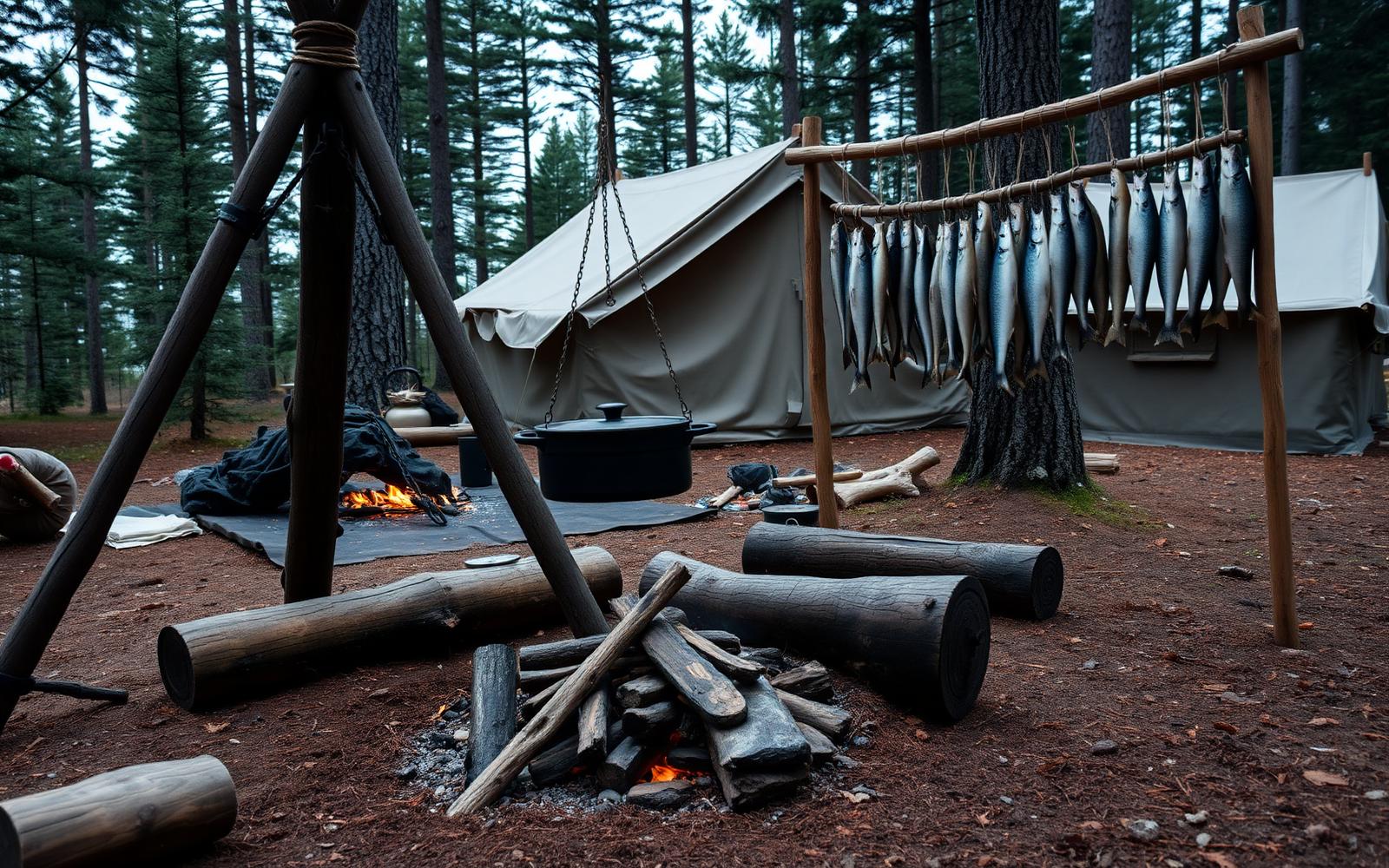
- Depending on a fire for survival warmth: Wind, bans, wet fuel, injury, or exhaustion can remove it.
Field checklist
- Choose a conservative forecast and easy exit
- Test sleep insulation in controlled cold
- Protect water treatment and batteries from freezing
- Carry no-cook calories
- Know early cold-stress signs and evacuation triggers
Frequently asked questions
How cold is too cold for a beginner?
There is no single number. Experience, wind, moisture, gear, route, shelter, and exit options matter. Begin well within equipment ratings near an easy retreat.
Should I wear a vapor barrier?
Vapor-barrier systems are specialized and can create moisture problems when misused. Learn from experienced instruction before relying on them.
Can I run a heater in a tent?
Combustion heaters introduce fire and carbon monoxide risks. Use only equipment explicitly designed and approved for the exact shelter and follow all instructions; many tents are not suitable.
Final word
The smart winter camper protects dryness, eats before energy collapses, and leaves before small problems form a committee. Conservative decisions are not less adventurous. They are how more adventures happen.